Ozempic Vision Loss: NAION Risk Explained
Discover the potential link between Ozempic, Wegovy, and vision loss from NAION, plus expert advice on monitoring eye health.
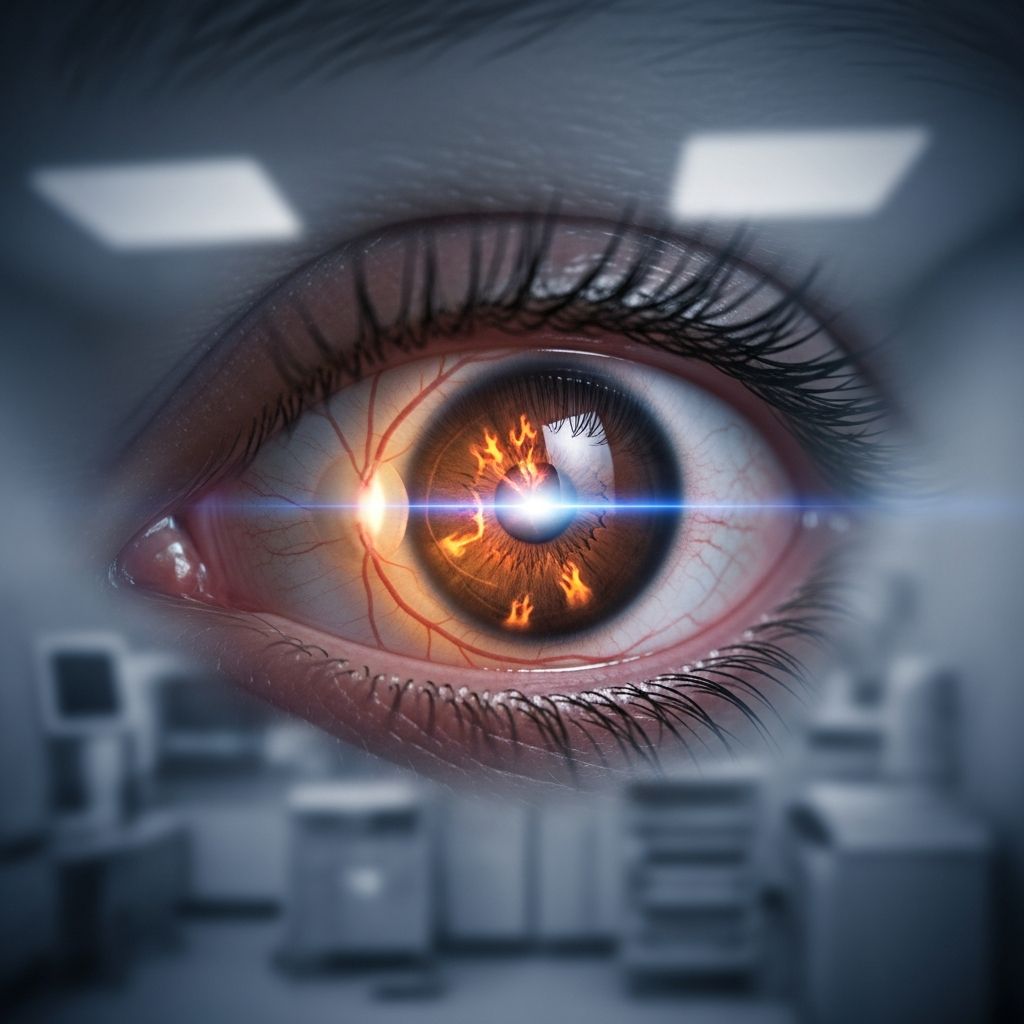
Semaglutide medications like Ozempic, Wegovy, and Rybelsus offer powerful benefits for type 2 diabetes management and weight loss, but recent studies highlight a potential link to vision problems, including the rare but serious condition known as non-arteritic anterior ischemic optic neuropathy (NAION).
What Is Ozempic and How Does It Work?
Ozempic (semaglutide) is a GLP-1 receptor agonist primarily prescribed for type 2 diabetes to improve blood sugar control. It mimics the glucagon-like peptide-1 hormone, which increases insulin secretion, slows gastric emptying, and reduces appetite. Wegovy, a higher-dose version, is approved for chronic weight management in obesity. These drugs have surged in popularity, with about one in eight people having used GLP-1 agonists by recent polls.
While effective, rapid blood sugar changes or weight loss can affect the eyes. Most vision effects are temporary, but emerging data points to risks like NAION, prompting regulatory reviews.
What Is NAION?
NAION, or non-arteritic anterior ischemic optic neuropathy, occurs when blood flow to the optic nerve is suddenly reduced, damaging over 1 million nerve fibers that transmit visual signals to the brain. This leads to sudden, often permanent vision loss, typically in one eye, with symptoms like painless blurred vision, dark spots, or altitudinal field defects.
Unlike arteritic NAION (linked to giant cell arteritis), the non-arteritic form has no inflammation and is more common in people over 50 with risk factors like hypertension, diabetes, sleep apnea, or small optic discs. There is no proven treatment, making prevention and early detection critical.
Research Linking Ozempic to NAION and Vision Loss
Multiple studies have investigated semaglutide’s eye safety. A Mass Eye and Ear analysis of 17,000 patients found higher NAION incidence among semaglutide users with diabetes or obesity compared to other weight loss drugs. In one cohort, 7 of 200 eyes developed NAION, alongside cases of papillitis and maculopathy.
A University of Toronto study of 139,000 Ontario diabetes patients (average age 66) showed GLP-1 users had double the risk of neovascular age-related macular degeneration (nAMD), rising with longer exposure (1 in 1,000 non-users vs. 2 in 1,000 after 6+ months). nAMD involves leaky retinal blood vessels that can cause blindness, with no cure.
The European Medicines Agency’s PRAC reviewed cases and concluded NAION is a ‘very rare’ side effect of Ozempic, Rybelsus, and Wegovy, based on post-marketing data. Absolute risk remains low, but signals warrant monitoring.
| Study/Source | Key Finding | Population | Risk Increase |
|---|---|---|---|
| Mass Eye and Ear | NAION cases in semaglutide users | 17,000 patients | Higher vs. other drugs |
| Univ. Toronto | Double nAMD risk | 139,000 diabetes pts | 2x after 6+ months |
| EMA PRAC | NAION very rare side effect | Post-marketing | Low absolute risk |
| Rutgers-linked | NAION, papillitis, maculopathy | 200 eyes monitored | 9 cases reported |
Other Vision Side Effects of Ozempic
- Blurry Vision: Common early on due to blood sugar fluctuations shifting the eye’s lens. Usually resolves as levels stabilize.
- Diabetic Retinopathy Worsening: Rapid glycemic improvement can temporarily exacerbate retinopathy in 3-10% of patients with pre-existing disease. Long-term control benefits eyes.
- nAMD and Retinal Issues: Potential doubled risk in older diabetics.
- Rare Optic Nerve Issues: Papillitis (optic disc swelling) or paracentral acute middle maculopathy.
No clear evidence links Ozempic to glaucoma or elevated eye pressure, though monitoring is advised for at-risk patients.
Who Is at Higher Risk?
NAION risk factors overlap with Ozempic users: diabetes, obesity, age over 50, hypertension, sleep apnea, and small ‘crowded’ optic discs. Those using GLP-1s for weight loss without diabetes may have lower retinopathy risk but still face NAION concerns. Longer use correlates with higher nAMD odds.
Related Stories



What Should Ozempic Users Do?
Experts recommend baseline eye exams before starting and regular follow-ups, especially if you have diabetes or risk factors. Report sudden vision changes immediately—do not wait.
- Get comprehensive dilated eye exams every 6-12 months.
- Monitor for symptoms: sudden blurring, vision loss, scotomas, or color desaturation.
- Discuss risks with your doctor; alternatives exist if high-risk.
- Maintain stable blood sugar to minimize fluctuations.
Benefits often outweigh rare risks for most, but informed vigilance is key.
Expert Opinions
Dr. Joseph Rizzo (Mass Eye and Ear) notes the optic nerve’s vulnerability in diabetes and calls for more research. Dr. Rajeev Muni (Univ. Toronto) emphasizes the dose-response pattern strengthening causal signals, despite low absolute risk. Dr. Demetrios Vavvas highlights limitations like unmeasured confounders (BMI, smoking) and surveillance bias. Optometrist David Geffen urges doctors to track GLP-1 use in exams.
Frequently Asked Questions (FAQs)
Does Ozempic cause permanent blindness?
Very rarely. NAION can cause irreversible loss, but it’s uncommon. Most changes are temporary.
How soon do vision side effects start?
Temporary blurriness often within weeks; NAION can be sudden anytime.
Is the NAION risk higher for weight loss users?
Possibly, as risks apply regardless of indication, though diabetics have added retinopathy concerns.
Can vision recover after stopping Ozempic?
Sugar-related blur often yes; NAION damage usually not.
Should I get an eye exam before Ozempic?
Yes, especially if over 50 or with risk factors.
Conclusion: Balancing Benefits and Eye Health
Ozempic transforms diabetes and obesity care, reducing cardiovascular risks and aiding weight loss. Vision risks like NAION are rare but real, per EMA and studies. Prioritize eye monitoring to safely reap benefits.
References
- Ozempic and Your Vision: What North Wales Patients Need to Know — ReFocus Eye Health. 2024. https://north-wales.refocuseyedoctors.com/article/ozempic-and-your-vision-what-north-wales-patients-need-to-know/
- Scientists Explain ‘Ozempic Blindness,’ Link Between Sudden Vision Loss and Weight Loss Drugs — Rutgers. 2024. https://ritms.rutgers.edu/news/scientists-explain-ozempic-blindness-link-between-sudden-vision-loss-and-weight-loss-drugs/
- Ozempic and vision loss: GLP-1 drugs may double risk of eye disease — Medical News Today. 2024. https://www.medicalnewstoday.com/articles/more-research-links-glp-1-drugs-semaglutide-tirzepatide-potentially-blinding-eye-diseases-vision-loss
- Weight Loss Drugs and Blindness: Is There a Link? — Mass General Brigham. 2024. https://www.massgeneralbrigham.org/en/about/newsroom/articles/ozempic-wegovy-blindness
- PRAC concludes eye condition NAION is a very rare side effect of semaglutide medicines — European Medicines Agency. 2024. https://www.ema.europa.eu/en/news/prac-concludes-eye-condition-naion-very-rare-side-effect-semaglutide-medicines-ozempic-rybelsus-wegovy
Similar Articles








Read full bio of medha deb