Ozempic Vs. Wegovy: Key Differences, Benefits, Side Effects
Uncover the key differences between Ozempic and Wegovy, from FDA approvals and uses to side effects, efficacy, and who qualifies for each.
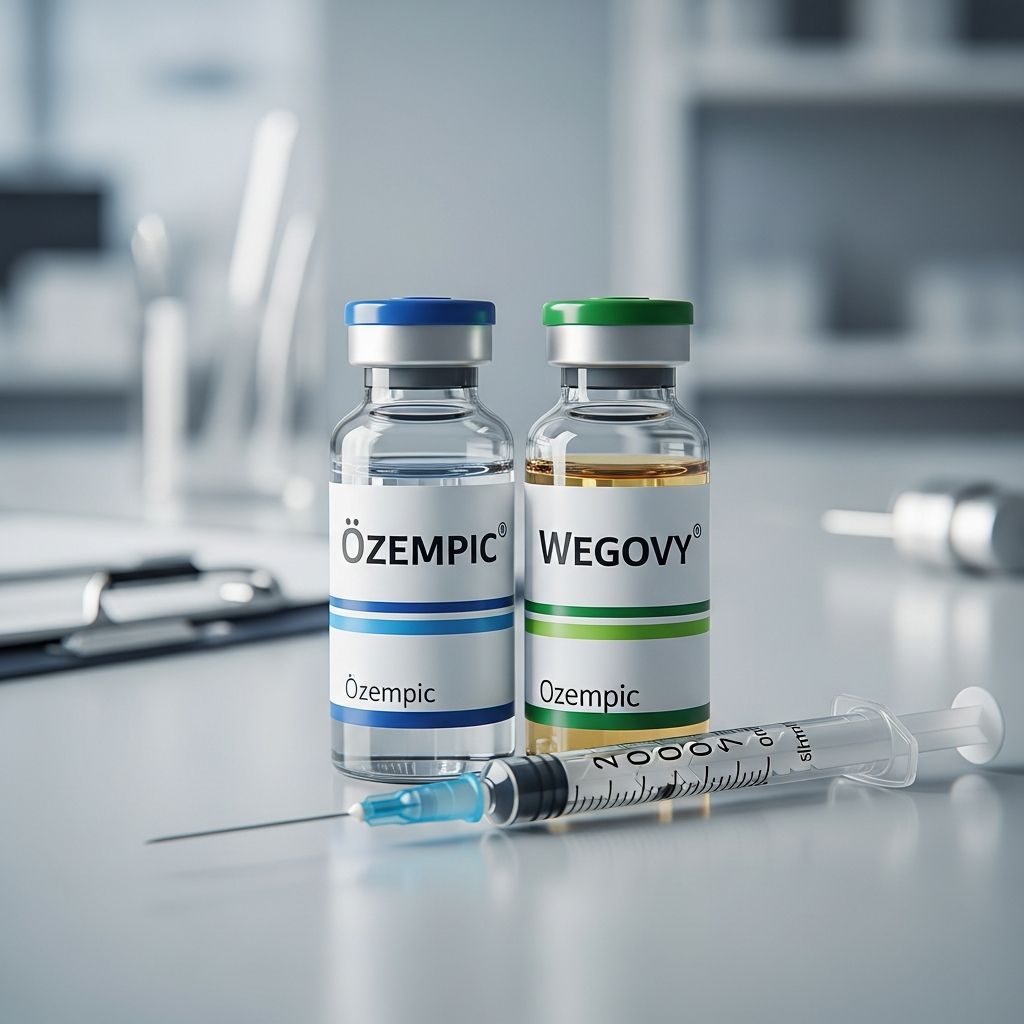
Ozempic and Wegovy are both brand names for semaglutide, a glucagon-like peptide-1 (GLP-1) receptor agonist that mimics a natural hormone to regulate appetite and blood sugar. Ozempic is FDA-approved for managing type 2 diabetes, while Wegovy is approved for chronic weight management in adults with obesity or overweight with weight-related conditions.
These injectable medications have gained massive popularity for their effectiveness in promoting significant weight loss—averaging 12-15% of body weight—but they differ in dosing, indications, and availability. Understanding these nuances is crucial for patients, as off-label use of Ozempic for weight loss has led to shortages for diabetes patients.
What Are Ozempic and Wegovy?
Ozempic is a once-weekly subcutaneous injection primarily prescribed to improve glycemic control in adults with type 2 diabetes, alongside diet and exercise. It reduces cardiovascular risks in patients with established heart disease and multiple risk factors. Approved by the FDA in 2017, it targets the GLP-1 hormone to stimulate insulin secretion, suppress glucagon, and slow gastric emptying.
Wegovy, approved in 2021, contains the same active ingredient but at higher doses for weight reduction. It’s indicated for adults with a BMI of 30+ (obesity) or 27+ (overweight) with at least one weight-related comorbidity like hypertension or type 2 diabetes. Both drugs are manufactured by Novo Nordisk and administered via pre-filled pens.
How Do Ozempic and Wegovy Work?
Both medications replicate GLP-1, a gut hormone that signals fullness to the brain, slows stomach emptying, and reduces appetite. This leads to lower calorie intake and sustained weight loss. In the brain, semaglutide targets areas regulating hunger; in the gut, it delays digestion for prolonged satiety.
- Appetite suppression: Activates brain receptors to decrease hunger signals.
- Gastric effects: Slows food passage from stomach to intestines.
- Blood sugar control: Boosts insulin release and lowers glucagon in diabetes patients.
Clinical trials show Wegovy users lose up to 15% body weight over 68 weeks, while Ozempic yields 10-12% in diabetes contexts.
Key Differences Between Ozempic and Wegovy
| Aspect | Ozempic | Wegovy |
|---|---|---|
| FDA Approval | Type 2 diabetes (2017) | Weight management (2021) |
| Max Dose | 2 mg weekly | 2.4 mg weekly |
| Primary Use | Glycemic control, CV risk reduction | Chronic weight loss |
| Eligibility | Adults with type 2 diabetes | BMI ≥30 or ≥27 with comorbidities |
| Cost (approx., without insurance) | $900-1,300/month | $1,300-1,500/month |
The higher dose in Wegovy enhances weight loss potential, but both share identical mechanisms. Ozempic’s pens are yellow-topped with diabetes-specific labeling.
Similarities Between Ozempic and Wegovy
- Active Ingredient: Semaglutide 100% identical.
- Administration: Weekly subcutaneous injections in thigh, abdomen, or upper arm.
- Titration Schedule: Start low (0.25 mg) to minimize GI side effects, gradually increase.
- Manufacturer: Novo Nordisk.
- Storage: Refrigerate unused pens; room temperature ok for 56 days.
Related Stories



Patients often switch between them under medical supervision if needs change, like diabetes developing post-weight loss.
Efficacy: Weight Loss and Diabetes Control
In STEP trials for Wegovy, participants lost 15-17% body weight vs. 2.4% on placebo. Ozempic’s SUSTAIN trials showed 8-14% loss alongside A1C reductions of 1.5-2%. A 5-7% loss can lower blood pressure and improve heart health.
Post-discontinuation, weight regain is common (2/3 of loss within a year), emphasizing lifelong use for maintenance. Cardiovascular benefits are proven for Ozempic; Wegovy’s SELECT trial (results 2023) confirmed 20% reduction in major events.
Side Effects of Ozempic and Wegovy
Most side effects are gastrointestinal and dose-dependent, improving over time.
Common Side Effects
- Nausea (up to 44% Wegovy users)
- Vomiting
- Diarrhea
- Constipation
- Abdominal pain
- Fatigue, headache, dizziness
Serious Side Effects (Rare)
- Thyroid tumors: Boxed warning based on rodent studies; contraindicated in MTC/MEN 2 history.
- Pancreatitis: Avoid if prior history.
- Gallbladder issues: Cholecystitis in 1.6% Wegovy users.
- Retinopathy: 3x relative risk in Ozempic trials; eye exams recommended.
- Hypoglycemia: Low risk unless combined with insulin/sulfonylureas.
Manage GI issues by eating smaller meals, staying hydrated, and slow titration.
Dosing and Administration
Both start at 0.25 mg weekly for 4 weeks, titrating up every 4 weeks.
| Week | Ozempic Dose | Wegovy Dose |
|---|---|---|
| 1-4 | 0.25 mg | 0.25 mg |
| 5-8 | 0.5 mg | 0.5 mg |
| 9-12 | 1 mg | 1 mg |
| 13-16 | 2 mg (maintenance) | 1.7 mg |
| 17+ | 2 mg max | 2.4 mg max |
Inject anytime, with/without food; rotate sites.
Cost and Insurance Coverage
Without insurance, Ozempic costs ~$936/month, Wegovy ~$1,349. Coverage varies: Medicare Part D often covers Ozempic for diabetes but not Wegovy for weight loss (recent changes allow some). Manufacturer savings cards reduce copays to $25/month for eligible patients.
Who Should Take Ozempic vs. Wegovy?
- Ozempic: Type 2 diabetes patients needing A1C control and CV protection.
- Wegovy: Those with obesity/overweight + comorbidities committed to lifestyle changes.
Not for type 1 diabetes, pancreatitis history, or cosmetic weight loss in healthy individuals. Consult providers; alternatives like Mounjaro exist.
Who Should Not Take Ozempic or Wegovy?
- Personal/family history of medullary thyroid carcinoma or MEN 2.
- History of pancreatitis.
- Multiple endocrine neoplasia syndrome type 2.
- Pregnant/breastfeeding (discontinue 2 months prior).
- Severe GI disease.
Monitor kidneys, eyes; inform doctor of all meds.
Frequently Asked Questions (FAQs)
Can you take Ozempic for weight loss?
It’s off-label but common; Wegovy is preferred for obesity due to higher dose and approval. Shortages affect diabetes access.
Is Wegovy stronger than Ozempic?
Yes, max 2.4 mg vs. 2 mg, optimized for weight loss.
How much weight can you lose on Ozempic/Wegovy?
Average 12-15%; up to 20%+ with diet/exercise.
Do you gain weight back after stopping?
Yes, most regain rapidly; maintenance requires continued use or lifestyle sustainment.
Are Ozempic and Wegovy the same drug?
Same active ingredient, different branding, doses, indications.
Bottom Line
Ozempic and Wegovy offer transformative benefits for diabetes and obesity but require commitment due to side effects and need for ongoing use. Work with healthcare providers to determine suitability.
References
- Wegovy vs. Ozempic: The truth about new weight-loss drugs — UCHealth Today. 2023-07-20. https://www.uchealth.org/today/wegovy-vs-ozempic-the-truth-about-new-weight-loss-drugs/
- Semaglutide (Ozempic, Wegovy, Rybelsus) – StatPearls — NCBI Bookshelf (National Library of Medicine). 2024-08-15. https://www.ncbi.nlm.nih.gov/books/NBK603723/
- SELECT Trial Results: Semaglutide Effects on CV Outcomes — New England Journal of Medicine. 2023-11-10. https://www.nejm.org/doi/full/10.1056/NEJMoa2307563
- GLP-1 Receptor Agonists: FDA Labeling Information — U.S. Food and Drug Administration. 2024-01-22. https://www.fda.gov/drugs/postmarket-drug-safety-information-patients-and-providers/semaglutide-information
- Clinical Pharmacology Review: Semaglutide — FDA Center for Drug Evaluation and Research. 2017-12-05 (updated 2023). https://www.accessdata.fda.gov/drugsatfda_docs/nda/2017/209637Orig1s000ClinPharmR.pdf
Similar Articles








Read full bio of Sneha Tete