Ozempic Weight Loss Plateau: 5 Ways To Break Through
Overcoming stalled progress on Ozempic and Wegovy: Expert strategies to restart weight loss safely and sustainably.
Medications like
Ozempic
andWegovy
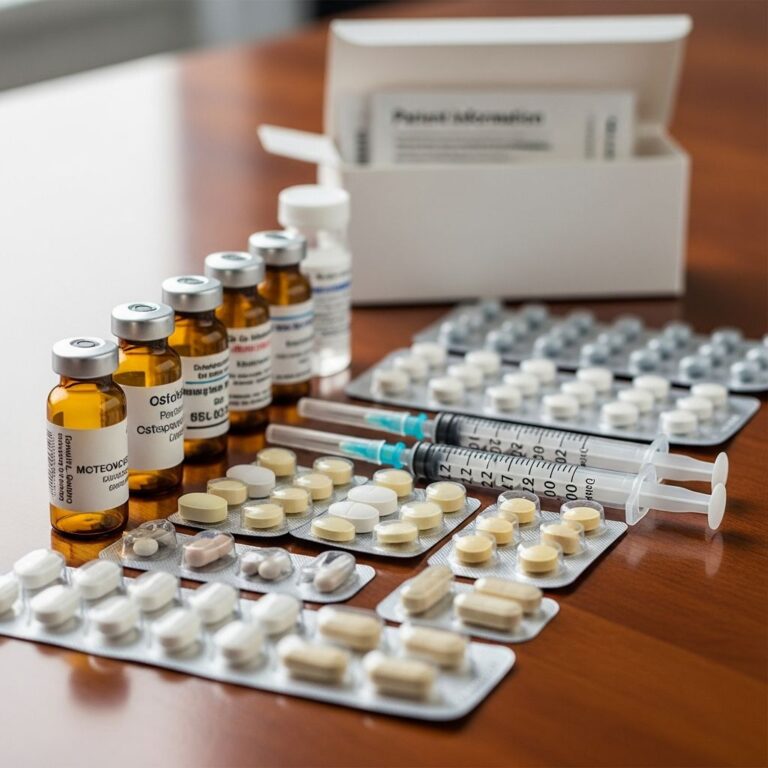
(both containing semaglutide) have revolutionized weight loss for many, leading to rapid initial results through appetite suppression and slower digestion. However, after several months, weight loss often slows or stops, creating a frustrating plateau. This is a common experience, affecting most users as the body adapts to lower calorie intake and reduced body weight.Understanding the science behind these plateaus empowers users to implement targeted strategies rather than resorting to extreme measures that could harm metabolism or muscle mass. This article draws from expert insights and recent studies to explain the causes and provide actionable solutions for restarting progress while prioritizing health.
What Is a Weight Loss Plateau on Ozempic or Wegovy?
A weight loss plateau occurs when the scale stops moving despite continued use of semaglutide drugs like Ozempic or Wegovy. Initial losses of 10-15% body weight are common, but progress typically stalls around 60 weeks, or after significant weight reduction. This isn’t a failure of the medication; it’s the body’s natural adaptation mechanism kicking in.
Plateaus signal that energy expenditure now matches calorie intake. As explained by endocrinologist Dr. Jason Ng, “Weight loss plateau happens when your body’s energy burn equals energy being added through food.” Early losses tap into glycogen stores, but sustained reduction triggers metabolic slowdown.
- Timeline: Often hits after 6-12 months or 10-20% body weight loss.
- Prevalence: Nearly all users experience it; studies show semaglutide plateaus mirror those in traditional diets.
- Duration: Can last weeks to months without intervention.
Why Does Weight Loss Stall on Ozempic and Wegovy?
Several physiological changes contribute to plateaus on GLP-1 receptor agonists like semaglutide. The body fights to preserve energy during prolonged calorie deficits.
Metabolic Adaptation
As body weight decreases, basal metabolic rate (BMR)—the calories needed for basic functions—drops. A lighter body requires fewer calories, slowing further loss even if eating habits remain unchanged. This adaptive thermogenesis is evolutionarily designed to prevent starvation.
Reduced Non-Exercise Activity Thermogenesis (NEAT)
Subtle decreases in daily movement, like fewer steps or more sitting, reduce overall energy burn. Lower calorie intake often leads to fatigue, unconsciously curbing activity by 200-500 calories daily.
Muscle Loss (Lean Mass Reduction)
Research indicates 20-40% of semaglutide-induced weight loss comes from lean muscle, not just fat. Muscle is metabolically active; its loss further slows BMR. Without resistance training, this exacerbates plateaus.
| Factor | Impact on Plateau | Evidence |
|---|---|---|
| Metabolic Slowdown | BMR drops 10-20% with weight loss | Common in all diets |
| NEAT Reduction | 200-500 fewer daily calories burned | Observed in GLP-1 users |
| Muscle Loss | 20-40% of total loss is lean mass | Semaglutide trials |
Related Stories



Signs You’ve Hit a Plateau
- Scale unchanged for 4+ weeks despite consistent dosing and habits.
- Clothes fit the same; no body composition shifts.
- Appetite suppression persists, but hunger may creep back slightly.
- Energy levels stable or lower, with less spontaneous movement.
If these persist, it’s time to act. Consult a doctor before changes, as underlying issues like thyroid problems could mimic a plateau.
How to Break an Ozempic or Wegovy Weight Loss Plateau
Overcoming a plateau requires recalibrating energy balance without extreme restriction, which risks more muscle loss and rebound gain. Focus on sustainable tweaks.
1. Optimize Nutrition Without Further Restriction
Avoid slashing calories more; instead, prioritize protein (1.6-2.2g/kg body weight) to preserve muscle. Aim for 30% of calories from protein sources like lean meats, eggs, Greek yogurt, and legumes.
- Increase fiber-rich veggies to enhance satiety.
- Cycle carbs: Higher on workout days to fuel activity.
- Track intake briefly to identify hidden calories (e.g., beverages, sauces).
Dr. Mir Ali notes plateaus often resolve by focusing on health markers over scale obsession.
2. Incorporate Strength Training
Resistance exercise is key to rebuilding muscle and boosting metabolism. Start with bodyweight or light weights 2-3x/week.
- Squats, lunges, push-ups: Lower body for max calorie burn.
- Rows, planks: Preserve upper body mass.
- Progress to 3 sets of 8-12 reps; rest 48 hours between sessions.
Studies show strength training during GLP-1 use preserves 60-80% more lean mass. Programs like Sword Move report 69% of users becoming active in 10 weeks.
3. Boost Daily Movement (NEAT)
Add 10,000 steps/day via walks. NEAT increases energy expenditure without gym stress, ideal for GLP-1 fatigue.
4. Dose Adjustments and Medication Tweaks
Ensure you’re at max tolerated dose (Wegovy 2.4mg weekly). If plateaued, discuss with your doctor:
- Titration review: Gradual increases prevent side effects.
- Switch to tirzepatide (Zepbound/Mounjaro) for dual hormone action.
- Combination therapies under trial, like retatrutide.
Max doses limit further gains; plateaus at peak efficacy are common.
5. Monitor Non-Scale Victories (NSVs)
Shift focus: Better-fitting clothes, improved stamina, lower blood pressure. Body composition scans (DEXA) reveal fat loss despite scale stalls.
Common Mistakes to Avoid During a Plateau
- Over-restricting calories: Accelerates muscle loss and metabolic damage.
- Cardio-only exercise: Burns muscle without building it.
- Daily weighing: Increases stress, cortisol spikes hinder loss.
- Ignoring medical advice: Self-adjusting doses risks GI issues or inefficacy.
When to See a Doctor About Your Plateau
Consult if:
- Plateau lasts 8+ weeks with adherence.
- New symptoms: Fatigue, hair loss, GI changes.
- BMI >35 with comorbidities; surgery may be ideal.
Dr. Ali recommends bariatric surgery for BMI 35-40+ with conditions, reserving GLP-1s for BMI 30-35.
Long-Term Success: Preventing Rebound After Plateau
Stopping semaglutide leads to rapid regain—4x faster than traditional methods per BMJ study. Lifelong use is often needed, but muscle-focused habits improve durability. Post-plateau, 91% of guided program users report better energy.
Frequently Asked Questions (FAQs)
How long do Ozempic plateaus last?
Typically 4-12 weeks; intervene early to shorten. Full resolution may take months with lifestyle changes.
Will increasing my dose fix the plateau?
Only if not at max (2.4mg Wegovy). Discuss with your provider; higher isn’t always better.
Can I exercise too much on Wegovy?
Yes, excessive cardio without protein/strength risks muscle loss. Balance with recovery.
What if nothing works after plateau?
Consider tirzepatide or surgery evaluation. Your body may have reached a healthy set point.
Does muscle loss reverse after plateau?
Yes, with resistance training and protein; aim to regain 5-10% lean mass for metabolic boost.
This comprehensive approach ensures safe, sustained progress beyond the plateau. Patience and consistency yield the best outcomes.
References
- Wegovy plateau: why weight loss slows and what to do next — Sword Health. 2024. https://swordhealth.com/articles/wegovy-plateau
- Ozempic weight loss plateau: What is it and how to get past it — Medical News Today. 2024. https://www.medicalnewstoday.com/articles/why-weight-loss-drugs-stop-working-how-to-break-past-ozempic-plateau
- Study shows concerns when stopping GLP-1 weight loss drugs — YouTube (Transcript). 2024. https://www.youtube.com/watch?v=SrjZMwtDWuE
Similar Articles








Read full bio of medha deb