Understanding Pacifier Use: Health Benefits and Potential Risks
Explore the evidence-based advantages and disadvantages of pacifier use for infants and young children.
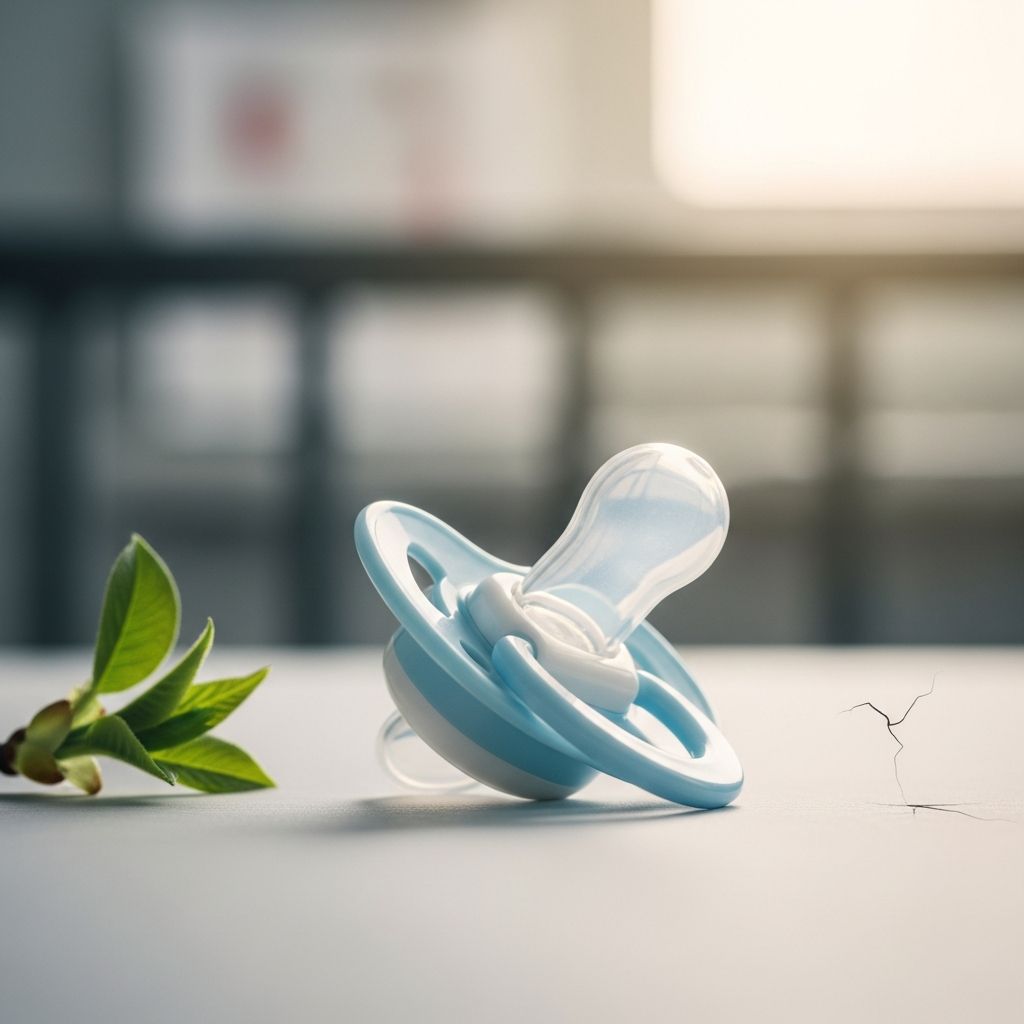
Pacifiers remain one of the most debated tools in infant care, with parents often receiving conflicting advice about their safety and necessity. While some caregivers swear by their soothing properties, others worry about long-term developmental consequences. The reality is that pacifiers present both measurable advantages and documented challenges, requiring parents to make informed decisions based on current medical evidence and their family’s specific circumstances.
The Protective Effect Against Sudden Infant Death Syndrome
One of the most significant findings in infant health research involves pacifier use and its relationship with sudden infant death syndrome (SIDS), the leading cause of death among infants aged one month to one year in the United States. Multiple independent research teams have documented a substantial protective association between pacifier use during sleep and reduced SIDS risk.
A landmark study published in the BMJ examined 185 infants who died from SIDS across Northern California and Los Angeles County, comparing them to 312 healthy infants of similar age and socioeconomic backgrounds. The research revealed that pacifier use during sleep could reduce SIDS risk by more than 90 percent. Importantly, this protective effect persisted even among infants considered at higher risk, such as those sleeping in suboptimal positions or in environments with other SIDS risk factors.
International research reinforces these findings. A Norwegian study of 121 SIDS deaths found that only 10 percent of infants who died from SIDS regularly used pacifiers, compared with 24 percent in the control group. Dutch researchers similarly reported pacifier use in only 12 percent of SIDS cases versus 48 percent of controls. These consistent patterns across different populations and research methodologies suggest a genuine protective mechanism rather than coincidental correlation.
How Pacifiers May Reduce SIDS Risk
The exact mechanisms behind pacifier protection against SIDS remain incompletely understood, but researchers have proposed several plausible explanations:
- Airway positioning: Sucking on a pacifier maintains the tongue in a forward position, keeping the upper airway open and preventing obstruction during sleep.
- Physical barrier: The bulky handle of a pacifier may prevent infants from accidentally burying their faces in blankets or soft bedding.
- Sleep position stability: Infants soothed by pacifiers may move less frequently during sleep, reducing the likelihood of rolling into high-risk positions.
- Arousal response: Some evidence suggests that babies sleep slightly lighter while using pacifiers, potentially enhancing their natural arousal responses to breathing difficulties.
- Respiratory effects: Certain mechanisms may involve subtle changes in respiratory drive or reduced gastroesophageal reflux.
Developmental and Comfort Benefits Beyond SIDS Prevention
Beyond the dramatic SIDS protection, pacifiers offer immediate practical benefits that explain their widespread use among parents seeking to comfort distressed infants. Sucking is a fundamental infant reflex and natural self-soothing mechanism that develops during fetal life. Pacifiers effectively tap into this innate behavior pattern.
During infancy, pacifiers serve several comfort-related functions. They help soothe fussy babies who may be experiencing normal adjustment to the outside world, facilitate easier sleep onset at nap time and bedtime, and provide valuable comfort during stressful medical procedures including vaccinations and blood tests. For parents managing multiple children or navigating public spaces, pacifiers offer a reliable tool for quickly calming a distressed infant without requiring constant physical contact or feeding.
Related Stories



Research also demonstrates analgesic effects of pacifier use during painful procedures, suggesting that sucking provides genuine pain relief beyond simple distraction. Additionally, pacifier use correlates with shorter hospital stays for preterm infants, indicating potential physiological benefits related to stress reduction and energy conservation during critical early development.
Ear Infections and Otitis Media Risk
Among the most frequently cited concerns regarding pacifier use is the increased frequency of acute otitis media, commonly known as ear infections. Prolonged pacifier use has been associated with greater incidence of recurrent ear infections in infants and toddlers. The relationship between pacifier use and ear infections appears to involve the mechanics of sucking affecting middle ear pressure and drainage.
Research suggests that restricting pacifier use to specific times, particularly to the moments when infants are falling asleep, could reduce the occurrence of acute otitis media. Furthermore, limiting pacifier use to approximately the first 10 months of life—when the natural sucking instinct remains strongest and ear infection risk is lowest—may represent a compromise approach for concerned parents.
This consideration becomes particularly important because ear infections during critical developmental periods may create secondary complications. Prolonged ear infections have been linked to speech and language development delays, suggesting an indirect pathway through which excessive pacifier use could affect communication development.
Dental Development and Orthodontic Concerns
Dental professionals have documented associations between extended pacifier use and various orthodontic problems, particularly when pacifier use continues beyond age two. Research shows significant differences in dental arch and bite characteristics in children who continue pacifier use at 24 and 36 months of age compared with those who stopped by age 12 months.
Specific dental concerns linked to prolonged pacifier use include:
- Overjet: Excessive horizontal overlap of upper front teeth, with studies showing greater than 4 mm increases in pacifier users.
- Openbite: Failure of upper and lower front teeth to overlap vertically when the mouth is closed.
- Crossbite: Posterior teeth meeting in an abnormal lateral pattern.
- Oral muscle development: Altered development of muscles controlling jaw and mouth function.
- Jaw growth: Potentially influenced by prolonged pressure from pacifier use.
The severity of these dental effects appears dose-dependent, with stronger associations between longer duration of pacifier use and more pronounced orthodontic problems. This suggests that timing of pacifier discontinuation represents an important variable parents can control to minimize dental consequences.
Breastfeeding Interference and Weaning Effects
Early pacifier introduction has been identified as a potential signal of breastfeeding difficulties to healthcare providers. Pacifiers have been implicated in early weaning from breastfeeding, possibly because the different oral mechanics required for bottle feeding and pacifier use can interfere with establishing efficient breastfeeding patterns.
For families prioritizing exclusive or extended breastfeeding, timing of pacifier introduction warrants careful consideration. Healthcare providers now recognize that early pacifier use should prompt additional support and assessment of breastfeeding adequacy, as it may indicate emerging feeding challenges rather than serving as a primary cause of breastfeeding failure.
Additional Health Concerns Associated with Pacifier Use
Beyond ear infections and dental effects, research has identified several other potential concerns warranting parental awareness. Pacifiers, like any object regularly placed in an infant’s mouth, can harbor bacterial contamination. Proper hygiene including regular cleaning and replacement helps minimize infection risk. Latex allergies may develop with prolonged exposure to latex-containing pacifiers, though hypoallergenic alternatives are widely available.
Some clinicians have raised concerns about potential interference with normal sleep patterns, though evidence remains limited. Additional concerns include possible contributions to tooth decay, oral ulcers from prolonged contact, and accidents involving pacifier-related injuries, though such accidents remain rare with appropriate supervision.
Evidence-Based Recommendations for Pacifier Use
Current medical guidance balances the significant SIDS protection against documented risks, resulting in nuanced recommendations rather than absolute endorsement or prohibition:
- Do not routinely discourage pacifier use given the substantial evidence of SIDS risk reduction.
- Restrict use to sleep time to minimize ear infection risk while maintaining SIDS protective benefits.
- Limit duration to approximately 10 months of age to balance protective benefits against developmental risks.
- Ensure proper hygiene by regularly cleaning and replacing pacifiers to prevent bacterial contamination.
- Monitor for signs of breastfeeding difficulty, particularly with early pacifier introduction, and seek professional lactation support if needed.
- Restrict use in children with recurrent ear infections to prevent exacerbation of existing otitis media.
- Plan for gradual discontinuation around 12 months to minimize dental consequences and establish independent sleep skills.
Practical Considerations for Parents
The pacifier decision ultimately remains an individual choice reflecting family preferences, breastfeeding plans, and tolerance for potential risks and benefits. Parents who decide to use pacifiers can implement several strategies to optimize their experience:
| Consideration | Recommendation |
|---|---|
| Timing of Introduction | After breastfeeding is established (typically 3-4 weeks) if breastfeeding |
| Sleep Use Pattern | Primarily for sleep to reduce ear infection risk while maintaining SIDS benefits |
| Hygiene Protocol | Regular cleaning with hot water, boiling before first use, replacement when damaged |
| Material Selection | Silicone pacifiers to avoid latex allergy risk |
| Discontinuation Timeline | Gradual reduction around 10-12 months to minimize dental and developmental effects |
Addressing Common Parental Concerns
Will pacifiers interfere with speech development?
While prolonged pacifier use has been associated with speech and language delays, this relationship often involves confounding factors such as concurrent ear infections. Graduating from pacifier use by 12-14 months significantly minimizes any potential speech effects.
Can pacifiers cause tooth decay?
Pacifiers themselves do not directly cause decay, but if infants fall asleep with sweet-coated pacifiers, the sugar exposure increases decay risk. Using plain pacifiers and avoiding sweetening prevents this concern entirely.
Is pacifier use associated with dependency?
While infants may become accustomed to pacifier comfort, this does not constitute true dependency. Gradual weaning typically proceeds smoothly when implemented around 12-18 months of age before stronger behavioral associations develop.
Making an Informed Family Decision
The evidence regarding pacifier use reveals neither a uniformly safe tool nor a dangerous practice, but rather a technology with quantifiable benefits and documented risks. The dramatic reduction in SIDS risk—potentially preventing thousands of deaths annually—represents a benefit of extraordinary significance that warrants serious consideration by parents evaluating their options.
Simultaneously, the documented effects on breastfeeding duration, ear infection frequency, dental development, and speech language development represent legitimate concerns deserving attention and mitigation strategies. Parents who use pacifiers can substantially reduce negative consequences through thoughtful timing, limitation to sleep periods, proper hygiene, and planned discontinuation during the first year of life.
Professional discussion with pediatricians, family medicine physicians, and lactation consultants provides an opportunity to address individual family circumstances, existing health conditions, and personal preferences within the framework of current medical evidence. This collaborative approach ensures that whatever decision families make regarding pacifiers reflects both evidence-based guidance and individual values.
References
- Pacifier Use Could Cut Crib Deaths by 90 Percent — Kaiser Permanente Division of Research. 2005-12-08. https://divisionofresearch.kaiserpermanente.org/pacifier-use-could-cut-crib-deaths-by-90-percent/
- Recommendations for the use of pacifiers — National Center for Biotechnology Information (PMC). https://pmc.ncbi.nlm.nih.gov/articles/PMC2791559/
- The effects of prolonged pacifier use on language development in infants and toddlers — Frontiers in Psychology. 2024. https://www.frontiersin.org/journals/psychology/articles/10.3389/fpsyg.2024.1349323/full
- The advantages and disadvantages of pacifier use — PubMed Central. 2007. https://pubmed.ncbi.nlm.nih.gov/17929742/
- Pacifiers: Benefits and Risks — American Academy of Family Physicians (familydoctor.org). https://familydoctor.org/pacifiers-benefits-and-risks/
- Risks and Benefits of Pacifiers — American Academy of Family Physicians. 2009-04-15. https://www.aafp.org/pubs/afp/issues/2009/0415/p681.html
Similar Articles








Read full bio of Sneha Tete