Packing The Perfect Cooler: Expert Tips For Keeping Food Fresh
Master the art of packing a cooler to keep food safe, fresh, and delicious during outdoor adventures and travel.
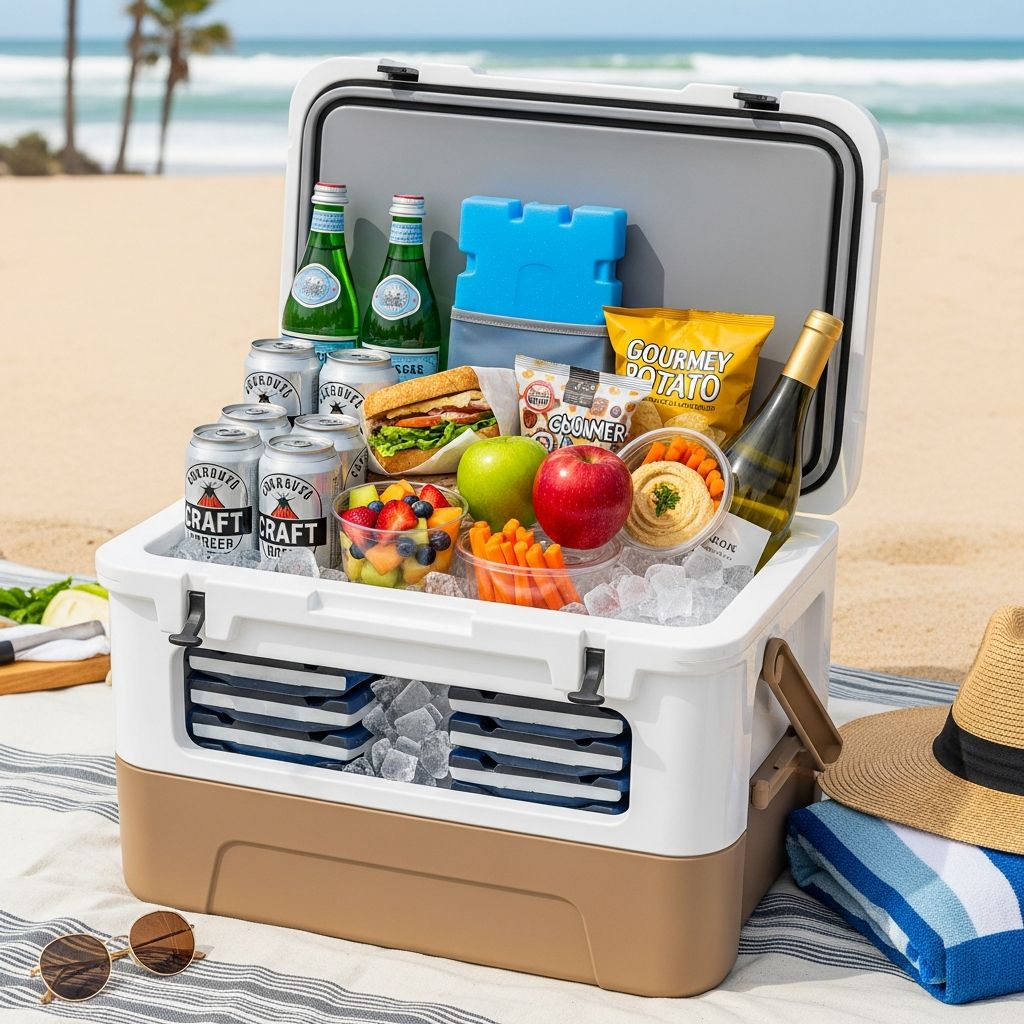
When planning a day outdoors, a well-packed cooler is essential for keeping food safe, fresh, and tasting great for hours. Proper packing minimizes food poisoning risks and maximizes cooling efficiency, whether for picnics, camping, beach days, or road trips.
Get a Head Start
Preparation begins well before loading your cooler. Start the day before your outing to ensure everything is ready and chilled properly. This proactive approach helps maintain safe food temperatures from the start.
- Pre-chill the cooler: If your cooler has been stored in a hot attic, garage, or outdoors, bring it indoors the day before. Clean it thoroughly with mild detergent and water, rinse well, and allow it to cool to room temperature or chill it in a fridge if possible. A pre-chilled cooler starts colder, retaining ice longer and keeping food below 40°F, the safe threshold for perishable items.
- Freeze ice sources ahead: Prepare homemade ice blocks by filling clean, empty water bottles, milk cartons, or collapsible jugs with water and freezing them overnight. These blocks melt slower than cubes, providing longer-lasting cold. Frozen water bottles double as drinks—simply thaw as needed. For extended trips, consider reusable ice packs or even dry ice for superior retention, keeping frozen foods solid for days.
- Plan your groceries: Shop with your cooler’s size in mind. Opt for a smaller cooler for solo or small-group trips (e.g., 4 meals like two breakfasts and lunches) to avoid excess air space that melts ice faster. Larger coolers suit bigger groups but demand more ice. Pack perishables like meat while still frozen to act as additional cooling agents.
By getting a head start, you create an optimal cold environment. According to USDA guidelines, packing perishables directly from the fridge or freezer into a pre-chilled cooler helps maintain safe temperatures longer.
Choose the Right Cooler and Supplies
Selecting the appropriate cooler and accessories sets the foundation for success. Not all coolers perform equally, especially for food safety.
- Select the best cooler: Invest in high-quality models with thick insulation, tight seals, and features like wheels or handles for portability. Hard-sided coolers excel in ice retention for multi-day trips, while soft coolers suit day outings. Match size to needs: too large leads to air pockets; too small forces overflow.
- Gather supplies: Stock leak-proof containers, zip-top bags, shallow serving trays, and separate bags for raw meats. Waterproof containers prevent melting ice from soggifying food. Vacuum sealers extend freshness for meats and veggies.
- Ice options ranked: Block ice or homemade frozen bottles > reusable gel packs > cubed ice. Aim for a 2:1 ice-to-food ratio. For long trips, dry ice in premium coolers can preserve frozen items for a week.
| Ice Type | Best For | Pros | Cons |
|---|---|---|---|
| Block Ice/Frozen Bottles | Multi-day trips | Slow melt, dual-purpose | Harder to portion |
| Gel Packs | Day trips | No mess, reusable | Less cold power |
| Cubed Ice | Quick access | Fills gaps easily | Melts fast |
| Dry Ice | Extended camping | Extremely long-lasting | Requires ventilation |
This preparation ensures your setup is efficient and safe.
Arrange It Right
The order and organization of items directly impact food safety and accessibility. Load strategically to keep cold-sensitive foods coldest and prevent cross-contamination.
- Load from the fridge last-minute: Transfer food straight from the refrigerator into the cooler just before departure. This preserves maximum chill. Pre-packing hours ahead allows warming into the danger zone (40°F-140°F).
- Layer properly: Start with a base layer of block ice or gel packs at the bottom. Place heaviest items like drinks and raw meats next (upright for bottles to ease retrieval). Add mid-tier foods like dairy and produce between frozen bottles for insulation. Top with lighter snacks, sandwiches, and a final ice layer. This even chilling keeps everything cold top-to-bottom.
- Prevent cross-contamination: Pack raw meat, poultry, and seafood first—at the bottom—in sealed, leak-proof containers or double-bagged to catch juices. Freeze them beforehand for extra cooling. Keep cooked/ready-to-eat foods higher up. Use separate coolers if possible: one for raw proteins, one for drinks/ready foods.
- Reverse packing order: Place soon-to-be-eaten items on top, last-to-be-used at bottom (except raw meats). Divide large portions into shallow containers for faster chilling and easy serving.
- Maximize space: Pack tightly—no air pockets. Fill gaps with crushed ice or soft items like fruits. Upright liquids create ‘shelves’ for fragile goods like condiments and veggies.
Well-arranged coolers stay colder longer. Pack perishable foods like meat frozen; they thaw safely while cooling contents.
Keep It Cold
Maintaining low temperatures during transport and at your destination is crucial. Foodborne bacteria thrive above 40°F, so vigilance is key.
- Travel smart: Store the cooler in the passenger compartment, not the hot trunk. Air-conditioned cars keep it far colder.
- Site selection: At your destination, choose shade. Bury the bottom in cool sand at beaches, cover with blankets, tarps, or wet towels to block sun. Umbrellas or canopies add protection. Avoid direct heat.
- Minimize openings: Limit lid lifts; retrieve items quickly. Designate ‘frequently accessed’ zones at the top for drinks/snacks.
- Full is best: A packed-full cooler holds cold better than a half-empty one. Add extra ice if needed.
- Monitor temperature: Use a thermometer; discard perishables if above 40°F for over 2 hours.
Related Stories



These habits extend usability: quality coolers with proper care retain ice for 2-3 days.
Cleaning and Maintenance
A clean cooler prevents bacterial buildup, ensuring safety for future use.
- Wipe with mild detergent and water post-use, rinse thoroughly, and air-dry completely to avoid mold.
- Store in a cool, dry place.
Frequently Asked Questions (FAQs)
Q: How much ice should I use?
A: Aim for twice as much ice as food/drinks. Blocks or packs last longer than cubes.
Q: Can I use dry ice?
A: Yes, for long trips in well-ventilated areas; it sublimes without mess but wear gloves.
Q: Separate coolers for food and drinks?
A: Ideal for heavy use; keeps food cooler undisturbed.
Q: How long does food stay safe?
A: Below 40°F indefinitely if packed right; discard after 2 hours in danger zone.
Q: Best for camping?
A: Pre-freeze meats, layer with blocks, shade well for multi-day cold.
Advanced Tips for Extended Trips
For weekend getaways or camping, refine techniques: Freeze all water, shop to fit precisely, use two coolers (food/raw separate). Tight packing retains ice best. Layering with frozen jugs keeps dry inside.
In summary, packing the perfect cooler combines preparation, organization, and care for safe, enjoyable outings. Follow these steps backed by experts for optimal results.
References
- Packing the Perfect Cooler — Academy of Nutrition and Dietetics. 2023. https://www.eatright.org/food/home-food-safety/safe-food-storage/packing-the-perfect-cooler
- Check Your Steps! Chill: How to Pack a Cooler to Prevent Food Poisoning — USDA. 2023-06-28. https://www.usda.gov/about-usda/news/blog/check-your-steps-chill-how-pack-cooler-prevent-food-poisoning
- Keeping Your Cooler Clean — Academy of Nutrition and Dietetics. 2023. https://www.eatright.org/food/home-food-safety/cleaning-tips/keeping-your-cooler-clean
- Safe Food Storage — Academy of Nutrition and Dietetics. 2023. https://www.eatright.org/food/home-food-safety/safe-food-storage
Similar Articles








Read full bio of Sneha Tete