Pediatric Psoriasis: Complete Guide To Diagnosis & Treatment
Comprehensive guide to psoriasis in children: symptoms, causes, diagnosis, and effective treatments for better management.
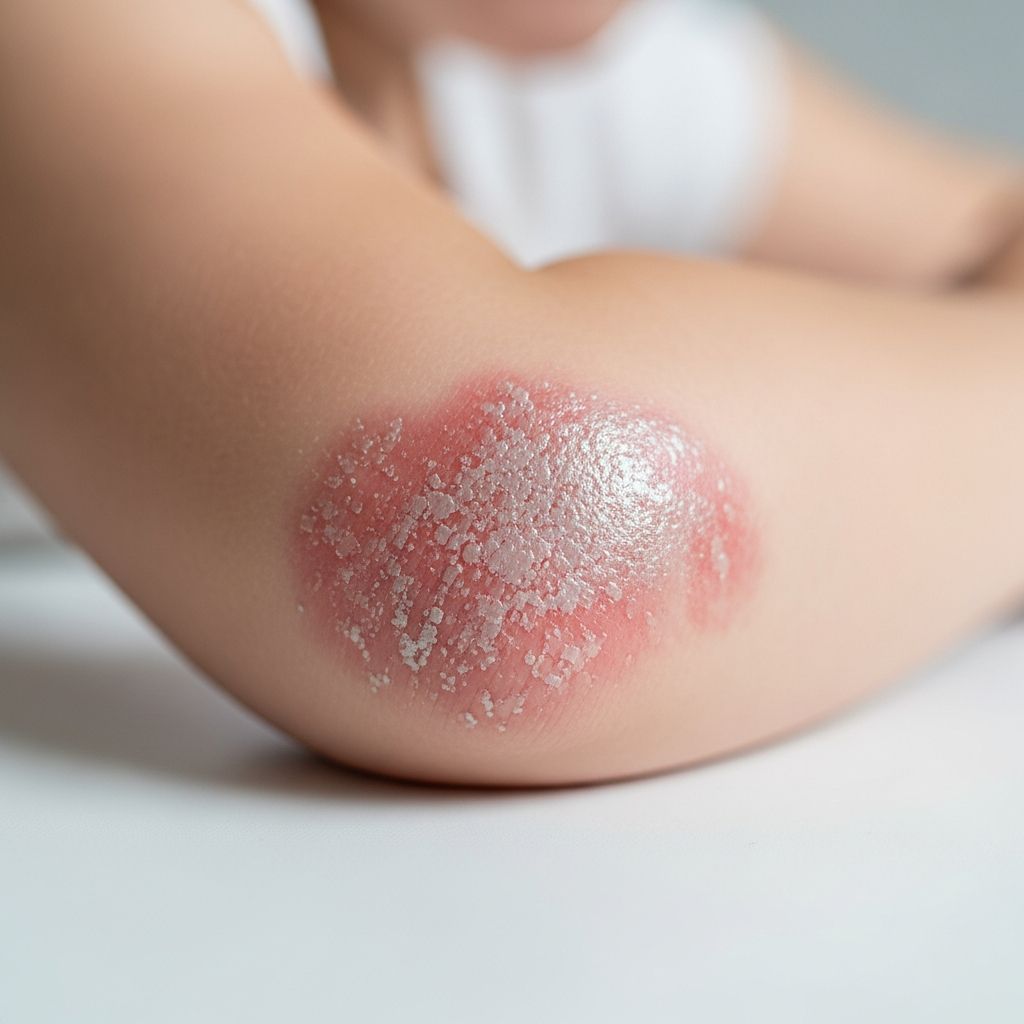
Paediatric psoriasis is a chronic inflammatory skin condition affecting children, characterized by red, scaly plaques due to rapid skin cell turnover. It impacts approximately one-third of psoriasis cases before age 20, often presenting milder than in adults but requiring specialized management to address unique paediatric challenges like facial and flexural involvement.
What is paediatric psoriasis?
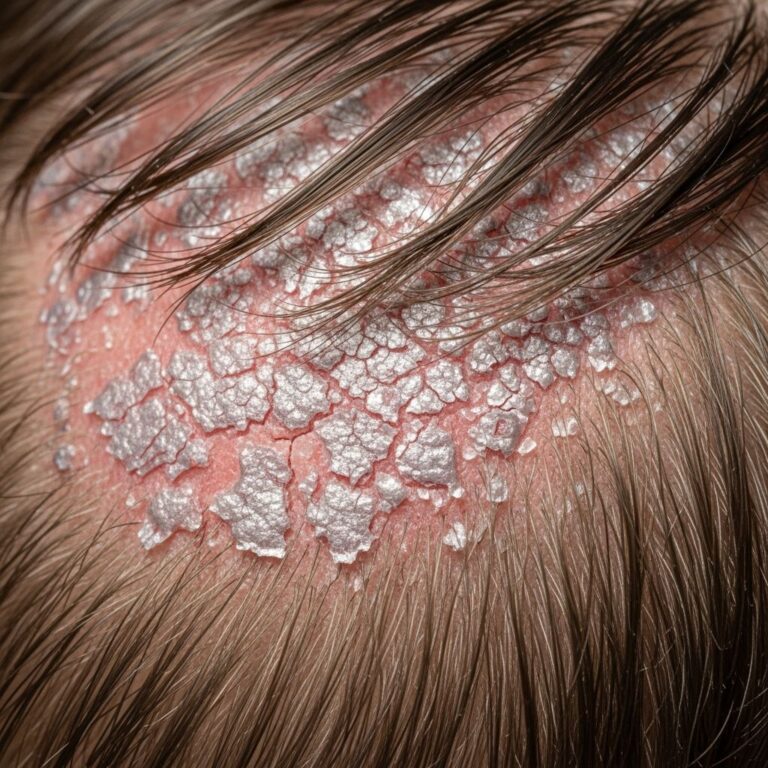
Psoriasis in children, known as paediatric psoriasis, arises from an overactive immune response causing keratinocytes to proliferate 10 times faster than normal, leading to thick, silvery-scaled plaques on erythematous bases. Unlike adults, children’s plaques are thinner, smaller, and more commonly affect the face, flexures, and scalp. The Auspitz sign—pinpoint bleeding upon scale removal—is a classic feature. Prevalence is 1-3% in children, with onset often triggered by infections or stress[10].
Who gets paediatric psoriasis?
Paediatric psoriasis affects children of all ages, from infants to adolescents. About 30% of psoriasis patients develop it before adulthood, with peaks at ages 5-8 and 12-16 years. Genetic predisposition is key; 40-70% have a family history. Girls may be slightly more affected. Risk factors include early-life infections like streptococcal pharyngitis, obesity, and environmental triggers.
What causes paediatric psoriasis?
Paediatric psoriasis results from genetic susceptibility interacting with environmental triggers. Key genes include HLA-Cw6. Triggers encompass:
- Guttate psoriasis following group A streptococcal infection (up to 80% of cases).
- Stress, trauma (Koebner phenomenon), and medications like beta-blockers or lithium.
- Obesity and metabolic syndrome, increasing severity.
- In rare cases, genetic mutations like DITRA or DIRA leading to pustular forms.
No cure exists, but management controls flares[10].
What are the clinical features of paediatric psoriasis?
Clinical features vary by subtype:
- Plaque psoriasis: Most common (70%), with well-demarcated red plaques covered in silvery scales on elbows, knees, scalp, and extensors. Thinner in children.
- Guttate psoriasis: Small drop-like lesions post-infection, self-limiting but may evolve to plaque type.
- Facial and flexural psoriasis: Common in kids, sparing napkin area sometimes.
- Nail psoriasis: Pitting, onycholysis; associated with higher severity.
- Scalp psoriasis: Thick scales mimicking seborrhoeic dermatitis.
- Pustular psoriasis: Rare, sterile pustules; erythrodermic form life-threatening with systemic symptoms.
Itching, pain, and joint involvement (psoriatic arthritis in 10%) occur.
Diagnosis of paediatric psoriasis
Diagnosis is clinical, based on history and examination. Key features: Auspitz sign, candle-grease sign, uniform scaling. Differentiate from eczema, seborrhoeic dermatitis via response to topicals—psoriasis rebounds off steroids alone. Biopsy rarely needed but shows parakeratosis, Munro microabscesses. Assess severity with tools like PASI or Physician’s Global Assessment. Family history and recent infections guide guttate diagnosis.
Differential diagnosis of paediatric psoriasis
| Condition | Key Differences |
|---|---|
| Atopic dermatitis | Flexural, poorly demarcated, responds to emollients/steroids; no Auspitz sign. |
| Seborrhoeic dermatitis | Greasy yellow scales in seborrhoeic areas; less inflammatory. |
| Tinea corporis | Annular, central clearing; KOH positive. |
| Pityriasis rosea | Herald patch, Christmas-tree pattern; self-resolves. |
| Napkin psoriasis | Infantile variant, bright red shiny plaques; overlaps with candidiasis. |
Related Stories



Thorough exam of scalp, nails, flexures aids distinction.
Treatment of paediatric psoriasis
Treatment is tiered by severity, prioritizing safety in children. Emollients are foundational.
Mild disease
First-line: Topical corticosteroids (mild potency, e.g., hydrocortisone 1% for face/flexures) combined with vitamin D analogues (calcipotriol, calcitriol) to inhibit keratinocyte proliferation. Coal tar, salicylic acid for scalp. Limit steroids to 4 weeks to avoid atrophy.
Moderate disease
Phototherapy (NB-UVB) effective and safe from age 6 months under supervision. Avoid PUVA in kids due to carcinogenicity.
Severe disease
Systemic agents: Methotrexate (first-line, 0.3-0.7 mg/kg/week with folic acid) for rapid control. Cyclosporine short-term for pustular/erythrodermic. Acitretin for pustular.
Biologics: Etanercept (FDA-approved ≥4 years), ustekinumab (≥12 years), adalimumab. Highly effective for moderate-severe plaque psoriasis; monitor infections.
Lifestyle: Weight management, stress reduction, infection prophylaxis.
Psoriatic arthritis in children
10-15% develop psoriatic arthritis (PsA), with enthesitis, dactylitis, asymmetric joints. Screen via symptoms, ultrasound. Early DMARDs/biologics prevent damage.
Complications of paediatric psoriasis
- Psychosocial: Anxiety, bullying due to visible lesions.
- Comorbidities: Obesity, metabolic syndrome, uveitis.
- Treatment side effects: Steroid striae, methotrexate hepatotoxicity.
Prevention of flares
Avoid triggers: Treat streptococcal infections promptly, maintain skin hydration, healthy diet, exercise. Compliance with maintenance therapy key.
Investigations for paediatric psoriasis
Baseline: FBC, LFTs, renal for systemic therapy. Throat swab for guttate. Rheumatology referral if PsA suspected. Genetic testing rare, for pustular autoinflammatory.
Management algorithm for paediatric psoriasis
Mild: Topicals ± phototherapy.
Moderate: Topicals + phototherapy/systemic.
Severe: Biologics ± methotrexate.
Guidelines for paediatric psoriasis
Follow IPC consensus: Early intervention, biologics for refractory cases. US/EU approvals guide use.
Emerging treatments for paediatric psoriasis
IL-17/IL-23 inhibitors (ixekizumab, guselkumab) in trials; promising for recalcitrant disease.
Frequently Asked Questions
Is paediatric psoriasis contagious?
No, it is not infectious; autoimmune basis.
Can psoriasis in children be cured?
No cure, but remission achievable with treatment.
Does diet affect paediatric psoriasis?
Anti-inflammatory diets may help; evidence limited.
When to use biologics in kids?
For moderate-severe failing topicals/systemics, per approvals.
How to manage scalp psoriasis in children?
Shampoos with coal tar/salicylic acid; steroid lotions.
References
- Lawrenceville Pediatric Psoriasis Diagnosis, Treatment — MJR Dermatology. 2023. https://mjrderm.com/pediatric-psoriasis-treatment/
- Management of psoriasis in children (Review) — PMC – NIH. 2021-10-15. https://pmc.ncbi.nlm.nih.gov/articles/PMC8543441/
- Pediatric Psoriasis — International Psoriasis Council. 2024. https://psoriasiscouncil.org/ipc-resources/pediatric-psoriasis/
- Psoriasis in Kids (Pediatric Psoriasis) — WebMD. 2023. https://www.webmd.com/skin-problems-and-treatments/psoriasis/pediatric-psoriasis-facts
- Diagnosing and Treating Pediatric Psoriasis — The Dermatology Digest. 2023. https://thedermdigest.com/diagnosing-and-treating-pediatric-psoriasis/
- Psoriasis — Nemours KidsHealth. 2024. https://kidshealth.org/en/parents/psoriasis.html
Similar Articles








Read full bio of medha deb