Pain at Base of Skull: Causes and Relief
Discover common causes of pain at the base of your skull, from occipital neuralgia to tension headaches, and effective relief strategies.
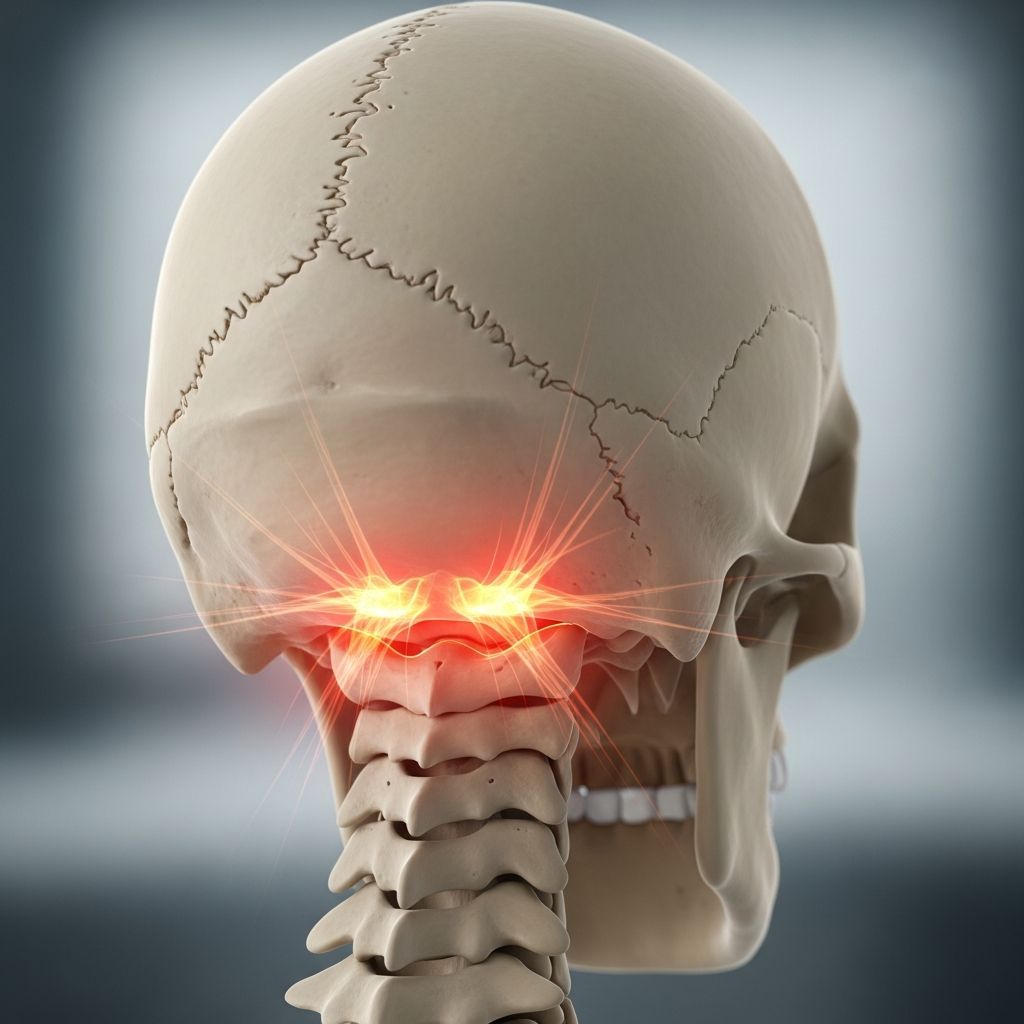
Pain at the base of the skull, often described as throbbing, sharp, or aching discomfort where the neck meets the head, affects many people and can disrupt daily life. This pain frequently relates to irritation or compression of the occipital nerves, which run from the upper spine to the scalp.
What Causes Pain at the Base of Your Skull?
Several conditions contribute to this type of pain, with
occipital neuralgia
being a primary culprit. Occipital neuralgia occurs when the occipital nerves are compressed or irritated, leading to intense pain starting at the skull base.Occipital Neuralgia
In occipital neuralgia, pain typically begins at the back of the head where it meets the neck. It may feel like throbbing aches, sharp electric shocks, or shooting pains that radiate to one side of the head, down the neck, or behind the eye. Scalp sensitivity often accompanies these symptoms, making touch painful.
Causes include pinched nerve roots at C2 or C3 in the cervical spine from injury or surgery, tight neck muscles due to stress, or disc issues where loss of height or misalignment compresses nerves.
Tension Headaches and Muscle Tightness
Tight neck muscles from poor posture, emotional or physical stress, or prolonged sitting can irritate occipital nerves. This leads to tension-type headaches starting at the skull base, often bilateral and band-like.
Other Potential Causes
- Cervicogenic Headaches: Originating from neck structures like joints or discs, referring pain to the skull base.
- Disc Problems: Degenerated or herniated discs in the upper cervical spine compress nerves.
- Posture Issues: Forward head posture stresses the upper neck, contributing to chronic pain.
- Injury or Trauma: Whiplash or repetitive strain from activities like heavy lifting.
Migraines or cluster headaches may overlap, complicating diagnosis, but skull base pain often signals nerve or muscle involvement.
Symptoms of Base of Skull Pain
Recognizing symptoms helps differentiate causes. Common signs include:
- Throbbing, aching, or electric-shock-like pain at the skull-neck junction.
- Pain radiating to the forehead, behind the eyes, or down the shoulders.
- Hypersensitive scalp to touch or brushing hair.
- Neck stiffness or reduced range of motion.
- Associated headaches, worse with movement or stress.
If pain persists beyond a few days, worsens, or includes numbness, weakness, vision changes, or fever, seek medical attention promptly.
How Is Pain at the Base of the Skull Diagnosed?
Diagnosis starts with a thorough history and physical exam. Providers assess pain triggers, location, and neck mobility. They may perform nerve blocks to confirm occipital neuralgia—if pain resolves temporarily, it supports the diagnosis.
Imaging like MRI or CT scans rules out structural issues such as tumors, fractures, or severe disc herniations. Electromyography (EMG) evaluates nerve function if needed.
Treatments for Pain at the Base of Your Skull
Treatment focuses on relieving nerve irritation, reducing inflammation, and addressing underlying causes. Start with conservative options.
Home Remedies and Self-Care
Many find relief through simple measures:
- Ice or Heat Therapy: Apply ice to reduce inflammation or heat to relax muscles. Use for 15-20 minutes with a barrier; heat often works best for muscle tension.
- NSAIDs: Ibuprofen or naproxen reduces pain and swelling. Follow dosage guidelines and consult a doctor for long-term use.
- Neck Massage: Gently massage the base of the skull with fingertips or use a rolled towel under the neck while lying down.
- Chin Tucks: Stand against a wall, tuck chin straight back, hold 5 seconds, repeat 10 times to improve posture and stretch tissues.
Related Stories



Medical Treatments
If self-care fails:
- Physical Therapy: Targeted exercises strengthen neck muscles and improve alignment.
- Prescription Medications: Muscle relaxants, antidepressants for nerve pain, or stronger analgesics.
- Steroid Injections: Reduce inflammation around occipital nerves for longer relief.
- Nerve Blocks: Local anesthetics provide diagnostic and therapeutic benefits.
For refractory cases, options like radiofrequency ablation or surgery (rare) may be considered.
Prevention Tips
Prevent recurrence by adopting healthy habits:
- Maintain good posture: Keep screens at eye level, use ergonomic setups.
- Exercise regularly: Incorporate neck stretches and strengthening like chin tucks daily.
- Manage stress: Practice mindfulness, yoga, or deep breathing.
- Stay hydrated and sleep well: Use a supportive pillow to align the neck.
- Avoid triggers: Limit heavy overhead activities or poor ergonomics.
When to See a Doctor
Consult a healthcare provider if pain:
- Lasts more than a week despite self-care.
- Is severe or sudden-onset.
- Accompanies neurological symptoms like arm weakness or balance issues.
- Follows head trauma.
Early intervention prevents chronicity.
Frequently Asked Questions (FAQs)
What does pain at the base of the skull feel like?
It often feels like sharp, electric shocks, throbbing aches, or tight bands starting where the head meets the neck, sometimes radiating.
Can stress cause base of skull pain?
Yes, stress tightens neck muscles, irritating occipital nerves and triggering pain or tension headaches.
How long does occipital neuralgia last?
Episodes vary from minutes to days; chronic cases need treatment to resolve underlying issues.
Is base of skull pain serious?
Usually not, but persistent pain warrants evaluation to rule out nerve compression or other issues.
Can posture cause skull base pain?
Absolutely—forward head posture strains upper cervical nerves and muscles.
Comparison of Common Treatments
| Treatment | Pros | Cons | Best For |
|---|---|---|---|
| Ice/Heat | Easy, at-home, low-cost | Temporary relief | Mild flare-ups |
| NSAIDs | Reduces inflammation quickly | Stomach upset risk | Acute pain |
| Chin Tucks | Strengthens posture | Requires consistency | Prevention |
| Injections | Long-lasting relief | Invasive, temporary | Chronic cases |
References
- Occipital Neuralgia: What It Is and How to Treat It — Spine-health. 2023. https://www.spine-health.com/blog/occipital-neuralgia-what-it-and-how-treat-it
- Why You Have Headaches That Start at the Base of Your Skull — South Florida Health Institute. 2024. https://southfloridahealthinstitute.com/why-you-have-headaches-that-start-at-the-base-of-your-skull/
Similar Articles








Read full bio of medha deb