Big Toe Joint Pain: 9 Common Causes And Effective Treatments
Discover the common causes, symptoms, treatments, and prevention strategies for big toe joint pain to regain comfort and mobility.
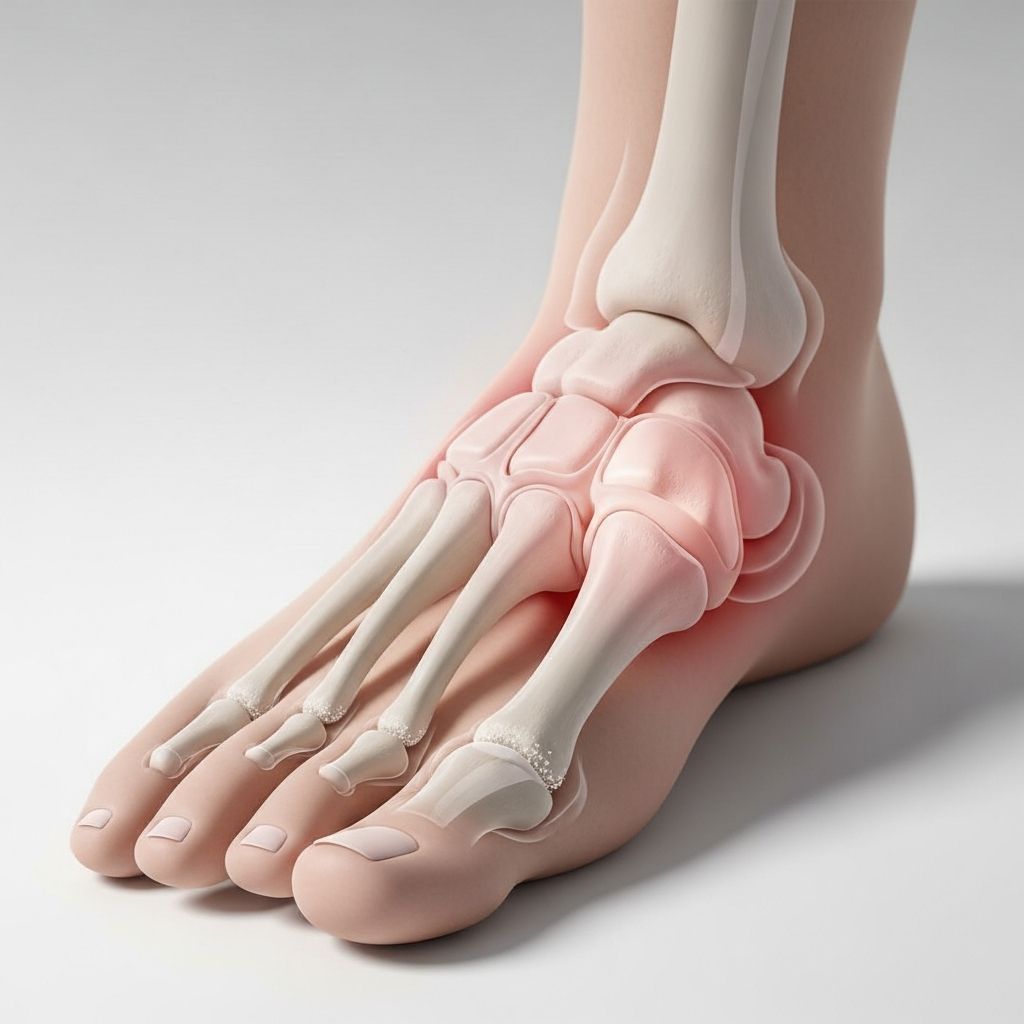
Pain in the big toe joint, also known as the metatarsophalangeal (MTP) joint, is a common complaint that can disrupt daily activities like walking and standing. This discomfort arises from various causes, ranging from inflammatory conditions like
gout
to structural issues likebunions
or degenerative diseases such ashallux rigidus
. Understanding the underlying reasons is crucial for effective management and prevention of long-term damage.The big toe joint bears significant weight during movement, making it susceptible to injury and overuse. Symptoms often include sharp pain, swelling, stiffness, and reduced range of motion. While home remedies provide initial relief for many, persistent pain warrants professional evaluation to rule out serious conditions.
9 Common Causes of Big Toe Joint Pain
Several conditions contribute to big toe joint pain. Below, we detail the most prevalent ones, including their symptoms and treatments, based on medical insights.
Bunions
A
bunion
(hallux valgus) develops when the big toe angles toward the other toes, forming a bony bump at the joint’s base. This misalignment strains surrounding tissues, leading to inflammation and pain, especially in tight shoes.Symptoms:
- Visible bony protrusion on the inner foot
- Pain or soreness around the big toe joint
- Redness, swelling, and corns/calluses
- Restricted toe movement
Treatment: Conservative options include wide-toed shoes, padding, orthotics, and NSAIDs. Severe cases may require surgery like osteotomy to realign the joint.
Arthritis
**Arthritis** in the big toe joint most commonly manifests as osteoarthritis from cartilage wear or rheumatoid arthritis from autoimmune inflammation. It causes bones to grind, resulting in chronic pain.
Symptoms:
- Stiffness, especially in the morning
- Joint swelling and tenderness
- Reduced flexibility and grinding sensation
- Bony spurs or deformities over time
Treatment: Includes anti-inflammatory medications, low-impact exercises (e.g., swimming), hot/cold therapy, and orthotics. Advanced cases may need joint fusion surgery.
Capsulitis
**Capsulitis** involves inflammation of the joint capsule ligaments, often from high heels or arthritis, potentially leading to toe crossover if untreated.
Symptoms:
- Pain in the ball of the foot, worse barefoot
- Swelling and instability
- Feeling like a pebble in the shoe
Treatment: Rest, taping, metatarsal pads, and stiff-soled shoes. Severe cases may require surgery.
Bursitis
**Bursitis** occurs when fluid-filled sacs (bursa) cushioning the joint become inflamed due to friction from ill-fitting shoes or deformities.
Symptoms:
- Redness, warmth, and swelling
- Burning pain with toe flexion or pressure
Treatment: Ice, rest, shoe modifications, and corticosteroid injections. Persistent cases may need bursa removal.
Gout
**Gout**, a uric acid crystal buildup, frequently targets the big toe, causing sudden, intense flare-ups that can lead to joint erosion.
Symptoms:
- Severe throbbing pain, often nocturnal
- Red, hot, swollen skin
- Limited motion during attacks
Treatment: Medications like colchicine, NSAIDs, or allopurinol; hydration, diet changes (low-purine), and ice. Chronic management prevents recurrence.
Hallux Rigidus
**Hallux rigidus** is osteoarthritis limiting big toe upward bend, causing stiffness and pain from bone spurs.
Symptoms:
- Pain during push-off while walking
- Swelling and stiffness
- Dorsal bump on joint
Treatment: Rigid-soled shoes, NSAIDs, injections; cheilectomy or fusion for severe cases.
Sesamoiditis
**Sesamoiditis** inflames sesamoid bones under the big toe from high-impact activities.
Symptoms:
- Pain under the toe, worse with pressure
- Swelling and bruising
- Difficulty bending toe
Treatment: Cushioned orthotics, rest, dancer’s pads; rare sesamoidectomy.
Turf Toe
**Turf toe** is a sprain of the MTP joint from hyperextension, common in athletes.
Symptoms:
- Immediate pain and swelling
- Reduced push-off strength
- Plantar bruising
Treatment: RICE (rest, ice, compression, elevation), taping, and gradual return to activity.
Fracture or Ingrown Toenail
A
fracture
from trauma causes sharp pain and bruising;ingrown toenail
embeds into skin, leading to infection.Treatment: Buddy taping for fractures; soaking and trimming for ingrown nails; surgery if infected.
Symptoms of Big Toe Joint Pain
Common symptoms across causes include:
- Sharp or aching pain, worse with movement
- Swelling, redness, warmth
- Stiffness and limited range
- Popping/cracking sensation
- Pain walking or at rest
Diagnosis
Doctors diagnose via history, physical exam, X-rays for bones/spurs, blood tests for gout/arthritis, or ultrasound/MRI for soft tissues.
Treatment Options
Treatments vary by cause:
| Condition | Home Remedies | Medical Interventions |
|---|---|---|
| Bunions/Gout | Rest, ice, wide shoes | NSAIDs, meds, surgery |
| Arthritis/Sesamoiditis | Orthotics, stretches | Injections, PT, fusion |
| Turf Toe/Fracture | RICE, taping | Immobilization, surgery |
Physical therapy strengthens muscles; surgery for non-responders.
Prevention Tips
- Wear properly fitted, supportive shoes
- Maintain healthy weight to reduce joint stress
- Stay hydrated, limit purine-rich foods for gout risk
- Incorporate foot stretches and low-impact exercise
- Avoid high heels and barefoot high-impact activities
When to See a Doctor
Seek care if pain lasts >2 weeks, prevents walking, shows deformity/infection (fever, pus), or accompanies diabetes/poor circulation.
Frequently Asked Questions
What causes big toe joint pain when walking?
Common culprits: gout, bunions, hallux rigidus, sesamoiditis, turf toe.
Does big toe pain mean I have gout?
Not always; mimics arthritis or injury, but sudden intense pain suggests gout.
How long does big toe joint pain last?
Acute: days-weeks; chronic (arthritis): ongoing without management.
Can I pop my big toe joint for relief?
Avoid; it may indicate hallux rigidus or injury—see a doctor.
Is surgery necessary for bunions?
Only if conservative treatments fail and pain persists.
References
- 9 Common Causes of Pain in the Big Toe Joint — Dr. Gary Driver. 2023. https://www.drgarydriver.com/blog/big-toe-joint-pain-46666/
- Joint Pain in Big Toe: Possible Causes and Treatment — Healthline. 2023-10-12. https://www.healthline.com/health/joint-pain-in-big-toe
Similar Articles








Read full bio of Sneha Tete