Pain In Parkinson’s Disease: 5 Pain Types And Treatments
Explore the hidden challenge of pain in Parkinson's, its types, causes, and proven strategies for relief and better quality of life.
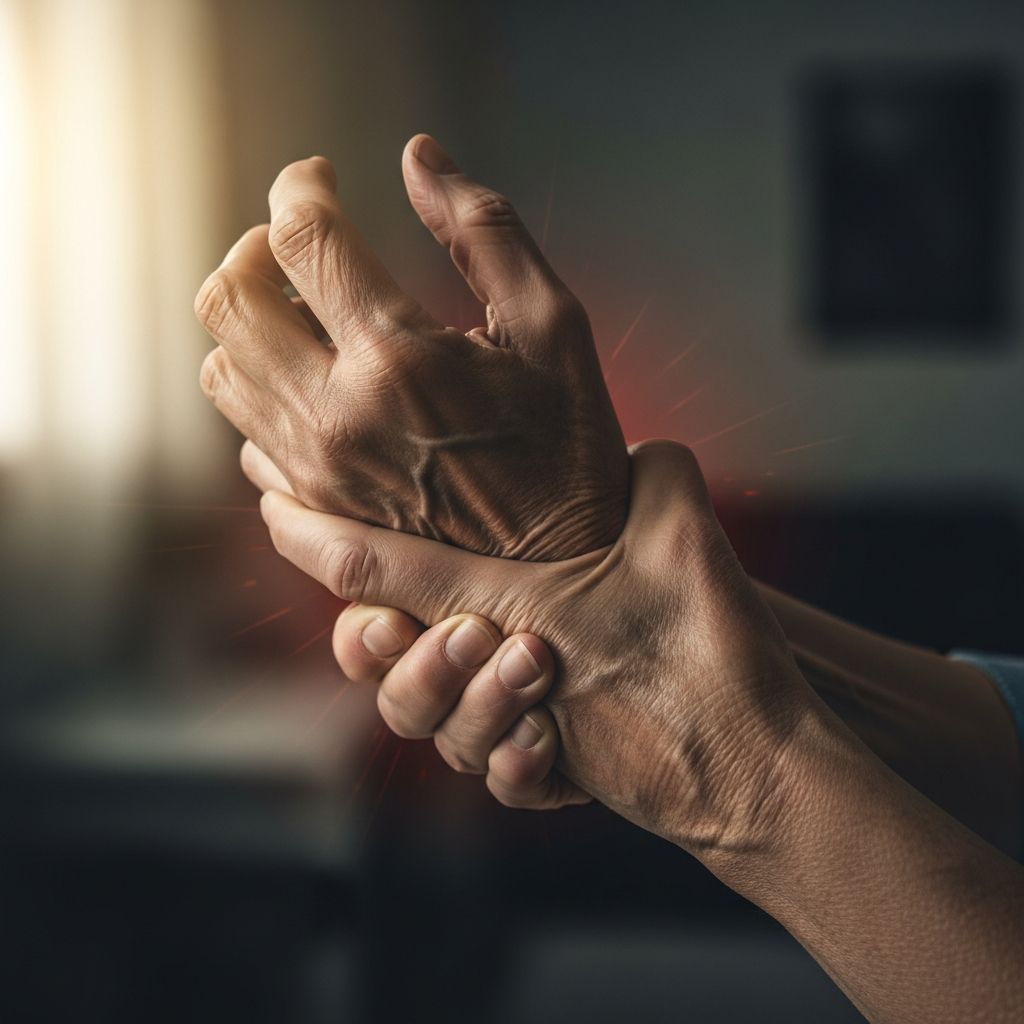
Pain represents one of the most prevalent yet often overlooked non-motor symptoms in Parkinson’s disease (PD), impacting up to 75% of individuals during their journey with the condition. Unlike the more visible motor issues like tremors or slowed movements, this discomfort arises from a complex interplay of muscle changes, nerve dysfunction, and skeletal alterations, significantly affecting daily life and emotional well-being.
Why Pain Emerges in Parkinson’s
The roots of pain in PD trace back to the progressive loss of dopamine-producing neurons in the brain, which disrupts normal muscle control and sensory processing. This leads to rigidity, where muscles remain tense and resistant to movement, causing aches similar to post-exercise soreness but persistent. Additionally, involuntary contractions known as dystonia twist limbs or the torso, generating sharp, pulling sensations. Postural shifts, such as forward leaning or sideways tilting, strain the spine and joints, amplifying discomfort over time.
Non-motor factors compound the issue: autonomic dysfunction triggers excessive sweating or constipation-related abdominal cramps, while sleep disturbances heighten pain sensitivity. Fluctuations tied to medication cycles—worsening during ‘off’ periods when dopamine levels dip—create unpredictable patterns, making management challenging.
Classifying Pain Types in PD
Pain in Parkinson’s falls into distinct categories, each with unique origins and implications. Recognizing these helps tailor interventions effectively.
- Musculoskeletal Pain: The most frequent type, stemming from rigid muscles, weakened strength, and joint stress. It often localizes to the back, shoulders, hips, or limbs, feeling like deep aching or cramping.
- Neuropathic or Radicular Pain: Results from nerve irritation or damage, radiating from the spine to extremities. Sensations include burning, tingling, numbness, or electric shocks, particularly in legs or arms.
- Dystonic Pain: Arises from sustained muscle spasms, contorting fingers, toes, neck, or trunk. Early morning foot cramps or twisted postures are hallmarks.
- Central Pain: Originates in faulty brain pain-processing pathways, manifesting as widespread burning or stabbing unrelated to injury. It’s diffuse and harder to pinpoint.
- Visceral or Abdominal Pain: Linked to gastrointestinal slowdowns like constipation, causing bloating and cramping in the belly.
Skeletal Deformities and Their Painful Toll
PD accelerates wear on the body’s framework, fostering deformities that perpetuate pain cycles. Stooped posture (camptocormia) flexes the hips and spine forward, pressuring lower back discs and increasing fall risks. Pisa syndrome tilts the trunk sideways, straining one-sided muscles and ligaments.
| Deformity | Description | Pain Impact | Risk Factors |
|---|---|---|---|
| Frozen Shoulder | Stiff, limited shoulder motion | Sharp pain on movement | Often pre-diagnosis |
| Striatal Hand/Foot | Curled fingers/toes, extended digits | Aching, cramping | Rigidity progression |
| Scoliosis | Spinal curvature | Back/joint strain | Postural imbalance |
| Dropped Head | Forward neck flexion | Neck/shoulder burn | Muscle weakness |
| Bone Fractures | Hip/kneecap breaks from falls | Severe, acute | Low bone density |
These changes, combined with age-related osteoarthritis, narrow spinal canals (stenosis) or herniate discs, pinching nerves and causing leg weakness or numbness. Low bone density heightens fracture vulnerability, turning minor slips into major pains.
Factors Intensifying PD Pain
Pain doesn’t occur in isolation; it escalates with comorbidities and lifestyle elements. Arthritis in hips, knees, or spine overlaps with PD rigidity, blurring distinctions. Neuropathy from diabetes or B-vitamin shortages mimics PD nerve pain, while depression and fatigue lower pain thresholds. ‘Off’ periods during medication wear-off amplify symptoms, as do physical inactivity and poor sleep. Women may experience heightened sensitivity due to hormonal influences, though data remains emerging.
Related Stories



Diagnostic Approaches for PD Pain
Pinpointing pain sources requires a multifaceted evaluation. Neurologists assess motor symptoms via scales like the Unified Parkinson’s Disease Rating Scale (UPDRS), while pain diaries track timing, intensity, and triggers. Imaging such as MRI detects spinal issues, and nerve conduction studies differentiate neuropathy. Blood tests rule out deficiencies, ensuring holistic diagnosis.
Treatment Strategies: From Medications to Movement
Managing PD pain demands a layered approach, optimizing PD meds first to ease rigidity and dystonia. Levodopa/carbidopa often reduces musculoskeletal aches by improving mobility.
Pharmacological Relief
- Analgesics like acetaminophen or NSAIDs for mild aches.
- Muscle relaxants or botulinum toxin injections for dystonia.
- Anticonvulsants (gabapentin) or antidepressants (duloxetine) for neuropathic pain.
- Opiates sparingly for severe cases.
Physical and Rehabilitative Therapies
Physical therapy counters posture woes with stretching, strengthening, and balance exercises. Tailored programs address frozen shoulders via range-of-motion drills. Occupational therapy adapts daily tasks, preventing joint overuse.
Lifestyle Modifications
- Regular aerobic exercise (cycling, tai chi) boosts dopamine and endorphins.
- Heat/cold packs soothe muscles; TENS units block nerve signals.
- Weight management unburdens joints; ergonomic aids support posture.
- Sleep hygiene and stress reduction via mindfulness curb flares.
Advanced Interventions
For refractory pain, deep brain stimulation (DBS) targets basal ganglia, alleviating dystonia and central pain in select cases. Spinal cord stimulators or nerve blocks offer targeted relief. Multidisciplinary clinics integrate neurology, pain specialists, and psychologists for optimal outcomes.
FAQs on Pain in Parkinson’s
Is pain always present in PD?
No, but up to 75% experience it, varying by stage and individual.
Does pain worsen over time?
It can progress with motor symptoms but responds to proactive management.
Can exercise really help PD pain?
Yes, it reduces stiffness and improves mood, per clinical guidelines.
What if medications don’t help my pain?
Consult a specialist for advanced therapies like DBS or injections.
Are falls a big pain source in PD?
Absolutely; they cause fractures, emphasizing balance training.
Patient Perspectives and Coping Tips
Many with PD describe pain as a ‘silent thief’ stealing joy, yet stories abound of resilience. One individual notes: daily yoga halved their back pain. Communities stress communication—sharing pain diaries with doctors fosters empathy and precision treatments. Support groups normalize experiences, reducing isolation.
Holistic aids like acupuncture show promise in trials, complementing conventional care. Nutrition rich in anti-inflammatories (omega-3s, turmeric) may ease joint issues, though evidence builds.
References
- Parkinson’s disease – Symptoms – NHS — NHS. 2023. https://www.nhs.uk/conditions/parkinsons-disease/symptoms/
- Pain | Parkinson’s Foundation — Parkinson’s Foundation. 2024-02-01. https://www.parkinson.org/understanding-parkinsons/non-movement-symptoms/pain
- Ask the MD: Pain and Parkinson’s Disease — Michael J. Fox Foundation. 2023-05-15. https://www.michaeljfox.org/news/ask-md-pain-and-parkinsons-disease
- Parkinson’s disease – Symptoms and causes — Mayo Clinic. 2025-01-10. https://www.mayoclinic.org/diseases-conditions/parkinsons-disease/symptoms-causes/syc-20376055
- Parkinson’s Pain – Pain as a Symptom of PD — American Parkinson Disease Association. 2024. https://www.apdaparkinson.org/article/is-pain-a-symptom-of-parkinsons-disease/
Similar Articles








Read full bio of medha deb