Painful Bladder Syndrome (Interstitial Cystitis)
Understand the causes, symptoms, diagnosis, and effective treatments for painful bladder syndrome, also known as interstitial cystitis.
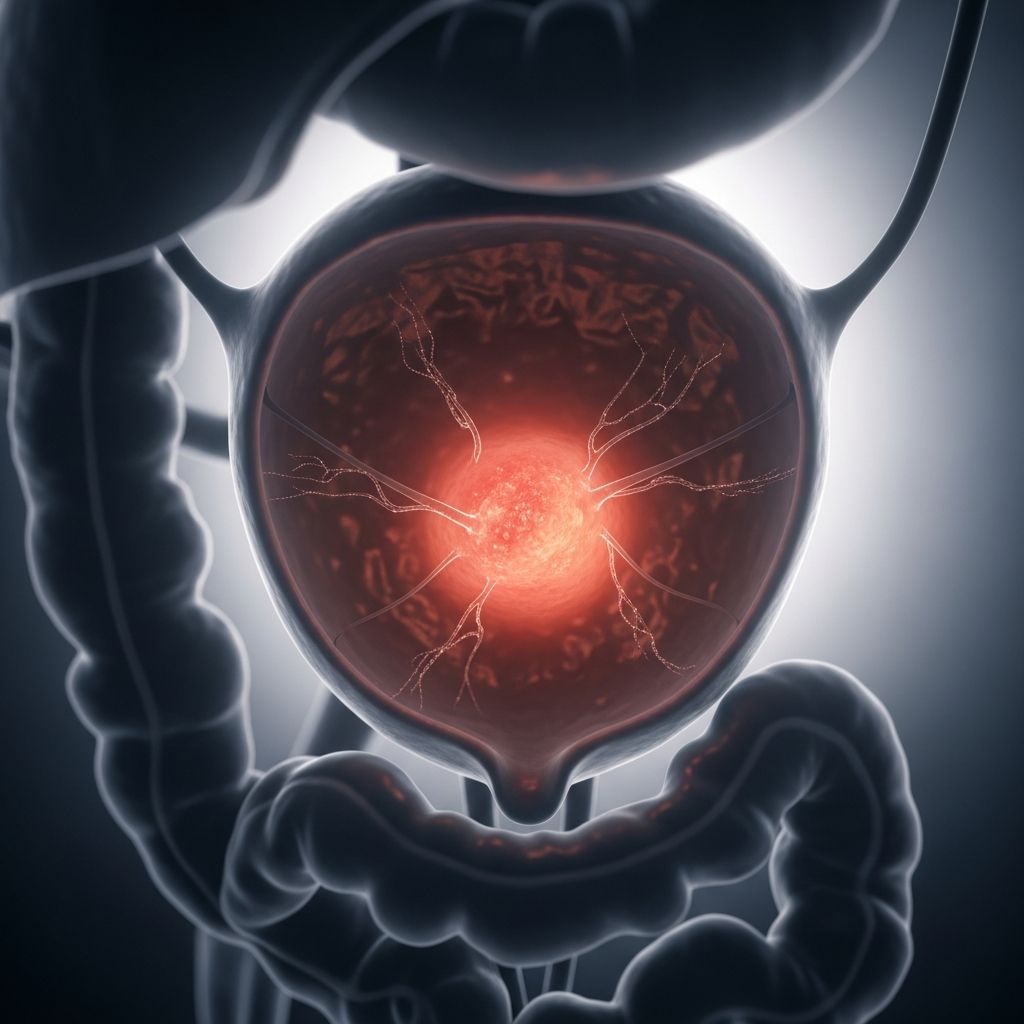
Painful bladder syndrome, also called
interstitial cystitis
(IC) or bladder pain syndrome (BPS), is a chronic condition causing recurring discomfort or pain in the bladder and pelvic area. It affects the urinary system without infection or other obvious causes, leading to frequent urination and urgency.What is Painful Bladder Syndrome?
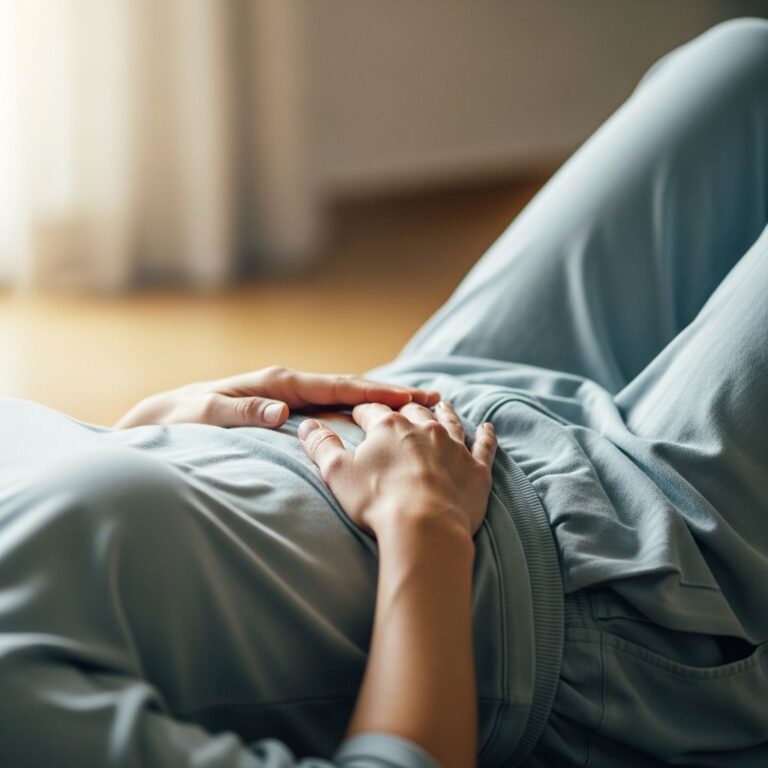
Painful bladder syndrome involves ongoing bladder pressure, pain, or discomfort, often worsening as the bladder fills and easing after urination. Symptoms vary widely, from mild pressure to intense pelvic pain lasting months. It primarily impacts women but can occur in men too, with no definitive cure—management focuses on symptom relief.
The condition features a defective bladder lining allowing urine to irritate tissues, triggering inflammation. Not all patients show visible bladder wall changes, complicating diagnosis. Prevalence estimates suggest 3–8 million women and 1–4 million men in the US are affected.
Symptoms
Core symptoms include:
- Chronic pelvic or bladder pain, ranging from mild discomfort to severe agony.
- Urinary frequency (up to 60 times daily), especially at night (nocturia).
- Urgent need to urinate, even with small volumes.
- Pain during sexual intercourse (dyspareunia).
- Suprapubic pressure or tenderness.
Symptoms fluctuate, triggered by stress, diet, menstruation, or sitting long periods. Pain intensifies with bladder filling and relieves post-voiding. Associated issues include irritable bowel syndrome, fibromyalgia, and chronic fatigue.
Causes
The exact cause remains unknown, but theories include:
- A permeable bladder lining (glycosaminoglycan layer defect) permitting potassium-rich urine to inflame tissues.
- Autoimmune reactions attacking bladder components.
- Neurogenic inflammation from overactive nerves.
- Mast cell activation releasing histamine, causing urgency and pain.
- Genetic predisposition or prior urinary tract infections.
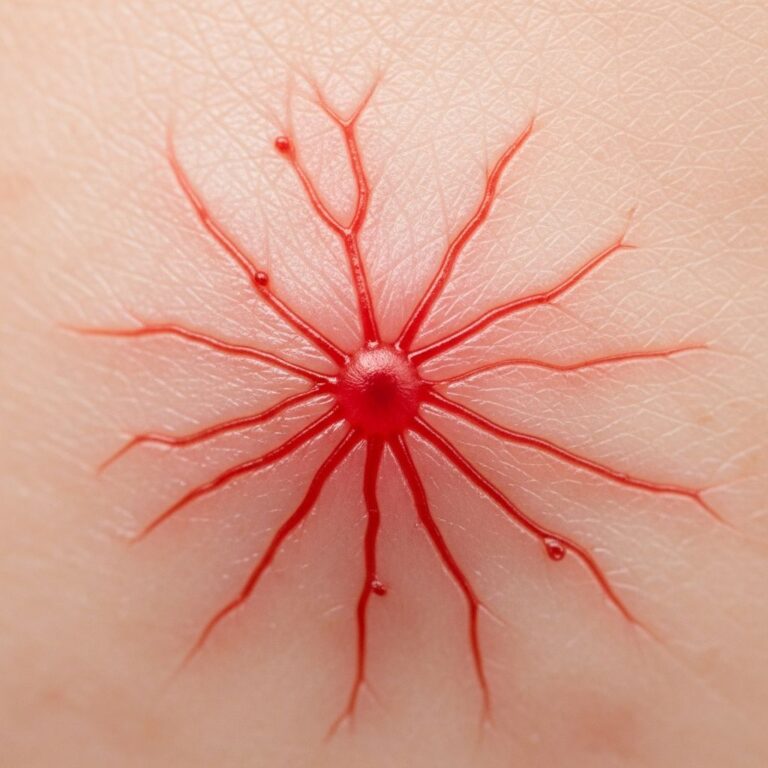
No bacterial infection is present; symptoms persist post-antibiotics. Hunner lesions (red, bleeding patches) appear in 5–10% of cases, aiding targeted treatment.
Who Gets It & How Common?
IC/BPS affects women 5–10 times more than men, typically diagnosed in 30s–50s, though it can start anytime. It’s underdiagnosed due to symptom overlap with UTIs, endometriosis, or overactive bladder. Quality of life suffers comparably to rheumatoid arthritis or chronic migraines.
Diagnosis
Diagnosis excludes other conditions via:
- Detailed history and bladder diary tracking fluids, voids, and symptoms.
- Physical exam, including pelvic for women and prostate check for men.
- Urinalysis/culture to rule out infection (sterile pyuria common).
- Cystoscopy: Visualizes bladder lining, detects Hunner lesions; hydrodistention under anesthesia reveals petechiae (tiny hemorrhages).
- Biopsy: Rules out cancer or confirms inflammation.
- Potassium sensitivity test: Installs solutions; heightened pain with potassium suggests IC/BPS.
- Validated tools: GUPI, ICSI for symptom severity.
No single test confirms; clinical criteria emphasize pain/urgency with exclusion of confusable disorders.
Treatment
Treatment is multimodal, stepwise, prioritizing least invasive:
Self-Help & Lifestyle Changes
- Avoid triggers: caffeine, alcohol, citrus, spicy foods, carbonated drinks.
- Bladder training: Delay urination to increase capacity.
- Pelvic floor therapy: Relaxes tight muscles contributing to pain.
- Stress management: Yoga, meditation, counseling.
Oral Medications
| Medication | Purpose | Evidence/Notes |
|---|---|---|
| Pentosan polysulfate (Elmiron) | Rebuilds bladder lining | FDA-approved; 4–6 months for effect; GI side effects. |
| Amitriptyline (tricyclic antidepressant) | Pain relief, bladder relaxation | Low-dose effective. |
| Hydroxyzine (antihistamine) | Reduces mast cell activity | Grade C evidence; sedation common. |
| Cimetidine (H2 blocker) | Symptom improvement | Grade B; no major AEs. |
| NSAIDs (ibuprofen) | Pain control | First-line for discomfort. |
Related Stories



Bladder Instillations
Liquids like DMSO (FDA-approved), heparin, lidocaine, or silver nitrate instilled via catheter to coat and soothe lining. Weekly for 6–8 weeks; maintenance as needed.
Minimally Invasive Procedures
- Hydrodistention: Stretches bladder under anesthesia; temporary relief.
- Cystoscopy with fulguration/resection for Hunner lesions.
- Triamcinolone injection into lesions.
Nerve Stimulation
- TENS: Electrodes on lower abdomen/back; daily 30–60 min sessions increase blood flow, block pain.
- Sacral neuromodulation: Implanted device like pacemaker stimulates nerves, reducing urgency.
Surgery
Rare; cystectomy with urinary diversion for refractory cases unresponsive to all else. Bladder augmentation increases capacity but doesn’t eliminate pain.
Success varies; 50–70% achieve improvement with combined therapies. Multimodal approach per AUA guidelines maximizes quality of life.
Frequently Asked Questions
What is the difference between IC and a UTI?
UTIs involve bacteria and respond to antibiotics; IC/BPS has no infection, persistent sterile symptoms.
Can diet help manage symptoms?
Yes, avoiding bladder irritants like coffee, tomatoes, and alcohol reduces flares in many patients.
Is IC/BPS curable?
No cure, but symptoms manageable; many achieve remission with treatment.
Does IC affect sexual function?
Yes, pain during intercourse common; lubricants, positioning, and meds help.
How long until treatments work?
Weeks to months; track with symptom indices.
Prognosis & Living with IC/BPS
Chronic but not progressive; symptoms wax/wane. Support groups, patient education aid coping. Early intervention prevents worsening.
References
- Interstitial Cystitis — National Kidney Foundation. 2023. https://www.kidney.org/kidney-topics/interstitial-cystitis
- Diagnosis and Treatment of Interstitial Cystitis/Bladder Pain Syndrome — American Urological Association. 2022-10-17. https://www.auajournals.org/doi/10.1097/JU.0000000000002756
- Interstitial Cystitis – Diagnosis & Treatment — Mayo Clinic. 2024. https://www.mayoclinic.org/diseases-conditions/interstitial-cystitis/diagnosis-treatment/drc-20354362
- Treatment of Interstitial Cystitis — National Institute of Diabetes and Digestive and Kidney Diseases (NIDDK). 2023. https://www.niddk.nih.gov/health-information/urologic-diseases/interstitial-cystitis-bladder-pain-syndrome/treatment
- Interstitial Cystitis (Painful Bladder Syndrome) — Cleveland Clinic. 2023. https://my.clevelandclinic.org/health/diseases/15735-interstitial-cystitis-painful-bladder-syndrome
- Interstitial Cystitis (IC)/Bladder Pain Syndrome — Urology Care Foundation. 2024. https://www.urologyhealth.org/urology-a-z/i/interstitial-cystitis
Similar Articles








Read full bio of medha deb