Painful Sex In Women: Causes, Diagnosis, Treatment
Understanding dyspareunia: causes, symptoms, diagnosis, and effective treatments for painful intercourse in women.
Author: Dr. Amanda Oakley, Dermatologist, Hamilton, New Zealand. Reviewed: January 2026.
What is painful sex in women?
Painful sex in women, medically termed
dyspareunia
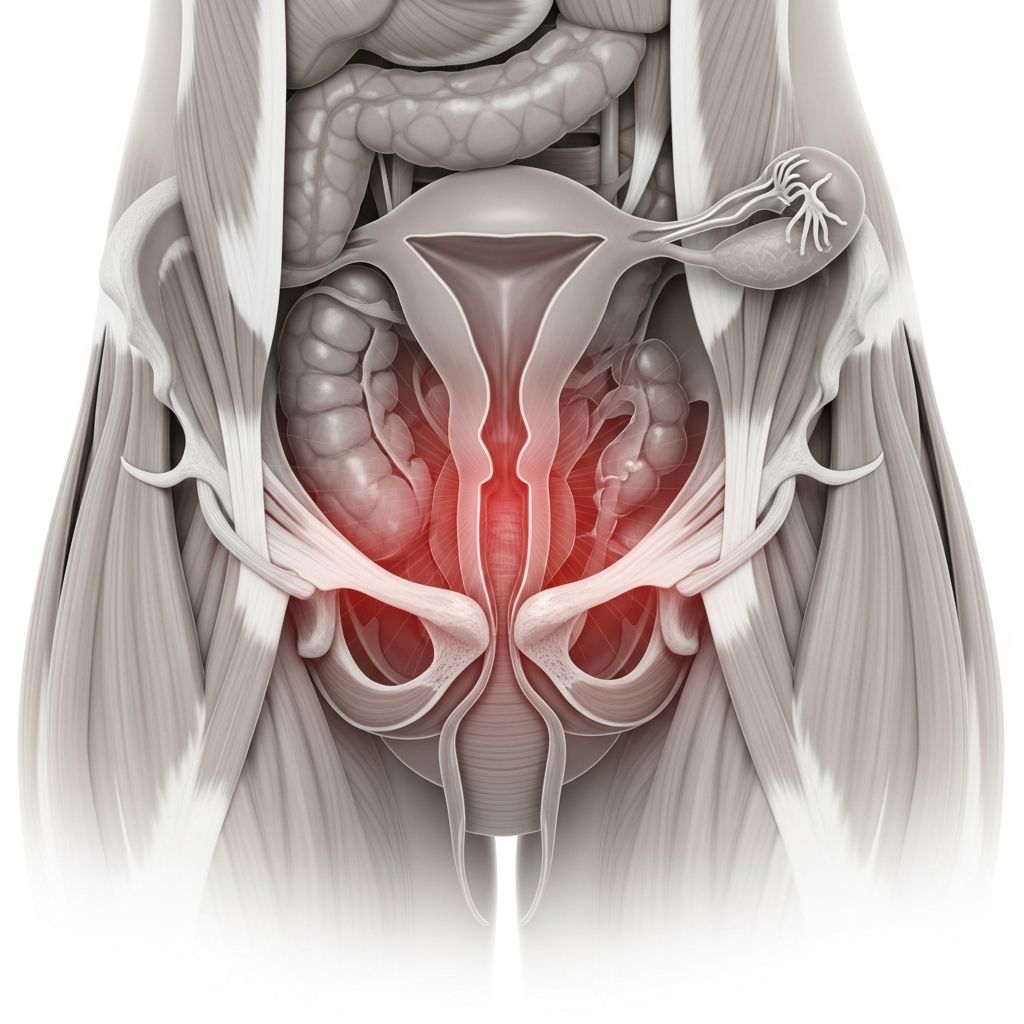
, refers to persistent or recurrent pain experienced during sexual intercourse. This discomfort can occur before, during, or after penetration and may affect the vaginal opening, deeper pelvic region, or both. Dyspareunia impacts a significant number of women across all ages, often leading to reduced sexual satisfaction, relationship strain, and avoidance of intimacy. Unlike occasional discomfort from inadequate lubrication, true dyspareunia is involuntary and distressing, warranting medical evaluation.The pain can manifest as burning, aching, sharpness, or pressure. Entry pain typically involves the vulva or vaginal vestibule, while deep pain arises from pelvic structures. Emotional factors, such as anxiety or past trauma, can exacerbate physical causes, creating a cycle of tension. Early diagnosis is crucial, as untreated dyspareunia may contribute to sexual dysfunction or depression.
Who gets painful sex in women?
Dyspareunia affects approximately 10-20% of women in the general population, with higher prevalence in postmenopausal women (up to 45%) due to hormonal changes. It occurs across reproductive stages:
- Premenopausal women: Often linked to infections, vaginismus, or endometriosis.
- Perimenopausal/postmenopausal: Vaginal atrophy from estrogen decline is common.
- Postpartum or breastfeeding: Hormonal shifts reduce lubrication.
- Post-treatment: Cancer therapies, surgeries, or radiation increase risk.
Risk factors include pelvic inflammatory disease (PID), STIs, psychological stress, and chronic conditions like interstitial cystitis. Women with vulvodynia or pelvic floor dysfunction report higher incidences.
What causes painful sex in women?
Dyspareunia arises from a interplay of physical, hormonal, infectious, and psychological factors. Causes are classified by pain location: superficial (entry) or deep.
Superficial dyspareunia causes
- Vaginal atrophy: Thinning, drying vaginal lining due to low estrogen (menopause, breastfeeding, ovaries removal).
- Inadequate lubrication: Insufficient arousal, medications (antihistamines, antidepressants), or hormonal changes.
- Vaginismus: Involuntary vaginal muscle spasms, worsened by infections.
- Vulvovaginitis: Infections (yeast, bacterial vaginosis) or irritants causing inflammation.
- Vulvodynia: Chronic vulvar pain without clear cause.
- Urethritis/urethral syndrome: Bladder neck irritation.
Deep dyspareunia causes
- Endometriosis: Uterine-like tissue on pelvic organs causes scarring and pain during thrusting.
- Pelvic adhesions: Scar tissue from surgery, PID, or endometriosis.
- Interstitial cystitis: Bladder inflammation triggered by diet.
- Uterine fibroids/ovarian cysts: Masses pressing during intercourse.
- Pelvic floor dysfunction: Tight or weak muscles.
Psychological contributors include anxiety, abuse history, or relationship issues, amplifying muscle tension. STIs like chlamydia or herpes add infection-related pain.
What are the clinical features of painful sex in women?
Symptoms vary by cause but commonly include:
- Burning/stinging at entry (atrophy, vaginitis).
- Deep aching/thrusting pain (endometriosis, fibroids).
- Muscle spasms preventing penetration (vaginismus).
- Post-sex soreness or bladder urgency (cystitis).
- Associated signs: discharge, itching, irregular bleeding, or dyspareunia.
Women may report reduced libido, avoidance of sex, or partner dissatisfaction. Pain quality helps differentiate: superficial is localized; deep radiates to back/thighs.
How is painful sex in women diagnosed?
Diagnosis begins with a detailed history covering pain onset, location, triggers, menstrual/sexual history, and psychosocial factors. A pelvic exam assesses vestibule tenderness, muscle tone, and lesions.
Related Stories



- Speculum exam: Checks for atrophy, infections.
- Cotton-swab test: Identifies vestibulodynia.
- Imaging: Ultrasound for fibroids/endometriosis; MRI if needed.
- Laparoscopy: Gold standard for endometriosis.
- Tests: Swabs for STIs/infections, urine analysis.
Multidisciplinary input from gynecologists, physical therapists, or psychologists may be required.
What is the treatment for painful sex in women?
Treatment targets the underlying cause, combining medical, physical, and lifestyle approaches for 70-90% improvement rates.
General measures
- Lubricants: Water/silicone-based for dryness.
- Position changes: Woman-on-top reduces deep pain.
- Foreplay extension: Enhances arousal/lubrication.
- Vibrators/dilators: Gradual desensitization for vaginismus.
Specific treatments
| Condition | Treatments |
|---|---|
| Vaginal atrophy | Topical estrogen cream, ospemifene, laser therapy (MonaLisa Touch) |
| Infections/STIs | Antibiotics/antifungals, STI testing |
| Vaginismus | Pelvic floor PT, relaxation exercises, dilators |
| Endometriosis | Hormonal therapy, laparoscopic excision |
| Interstitial cystitis | Diet changes, TENS, acupuncture, antidepressants |
| Vulvodynia | Neuromodulators (topical/oral), PT |
Surgery is rare, reserved for adhesions or severe fibroids. Psychotherapy addresses emotional factors. Hormone replacement aids postmenopausal cases.
What is the outcome for painful sex in women?
Most women achieve relief with tailored treatment. Atrophy responds quickly to estrogen (weeks). Endometriosis excision improves dyspareunia in 60-80%. Persistent cases may need ongoing PT or counseling. Regular follow-up ensures resolution and prevents recurrence.
Prevention of painful sex in women
- Use condoms to prevent STIs/PID.
- Maintain lubrication with foreplay/lubes.
- Manage menopause with HRT discussion.
- Pelvic floor exercises postpartum.
- Seek early care for pelvic pain.
Frequently asked questions
Is painful sex normal?
No, persistent pain is not normal and requires evaluation.
Does menopause always cause dyspareunia?
Not always, but low estrogen increases risk; treatments mitigate it.
Can psychological issues cause physical pain?
Yes, anxiety tenses muscles, worsening physical causes.
How effective is pelvic floor therapy?
Highly effective for vaginismus and dysfunction, with 75% improvement.
When to see a doctor?
If pain recurs, persists >6 months, or accompanies bleeding/discharge.
References
- Pain During Sex: Causes and Treatments — WebMD. 2023-10-15. https://www.webmd.com/sexual-conditions/pain-during-intercourse-treatment
- Dyspareunia (Painful Intercourse): Causes & Treatment — Cleveland Clinic. 2024-05-20. https://my.clevelandclinic.org/health/diseases/12325-dyspareunia-painful-intercourse
- Painful Intercourse (Dyspareunia) Signs & Symptoms — Rush University Medical Center. 2024-02-10. https://www.rush.edu/conditions/painful-intercourse-dyspareunia
- Painful Intercourse: Causes, Symptoms, and Treatment — Mendwell Health. 2025-01-05. https://www.mendwellhealth.com/all-conditions/painful-intercourse
- Endometriosis Symptoms: Painful Sex (Dyspareunia) — Endometriosis Foundation of America. 2023-11-12. https://www.endofound.org/painful-sex-dyspareunia
Similar Articles








Read full bio of Sneha Tete