Palatal Petechiae: Can Dentists Tell If You’ve Had Oral Sex?
Understanding palatal petechiae: causes, diagnosis, and what dentists can actually determine from oral examination.
What Are Palatal Petechiae?
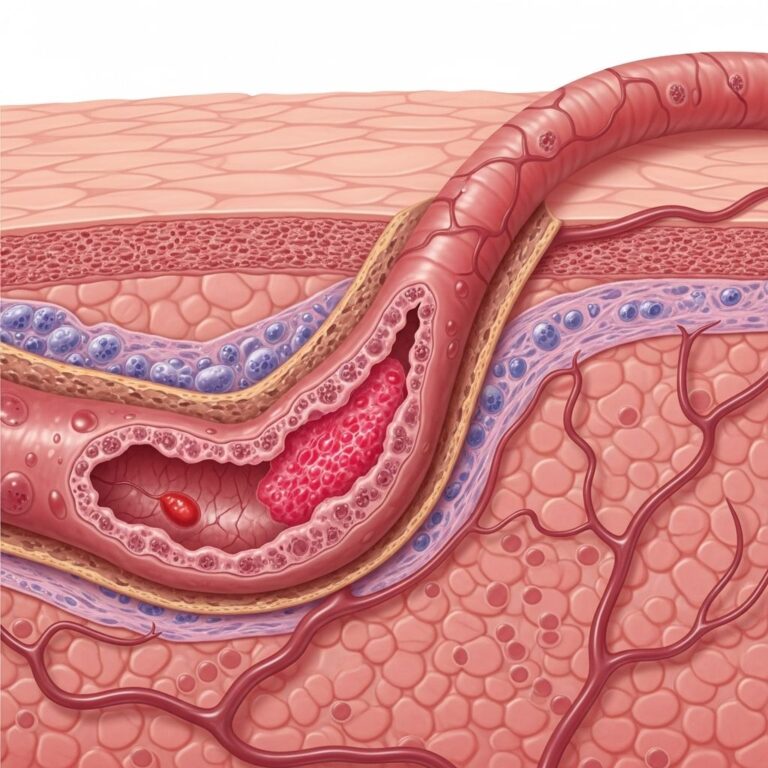
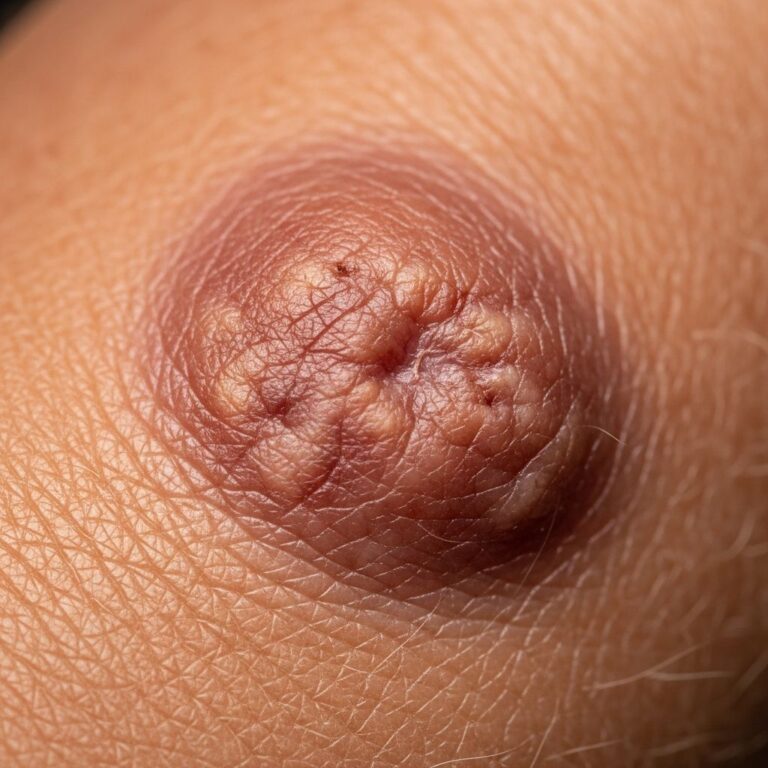
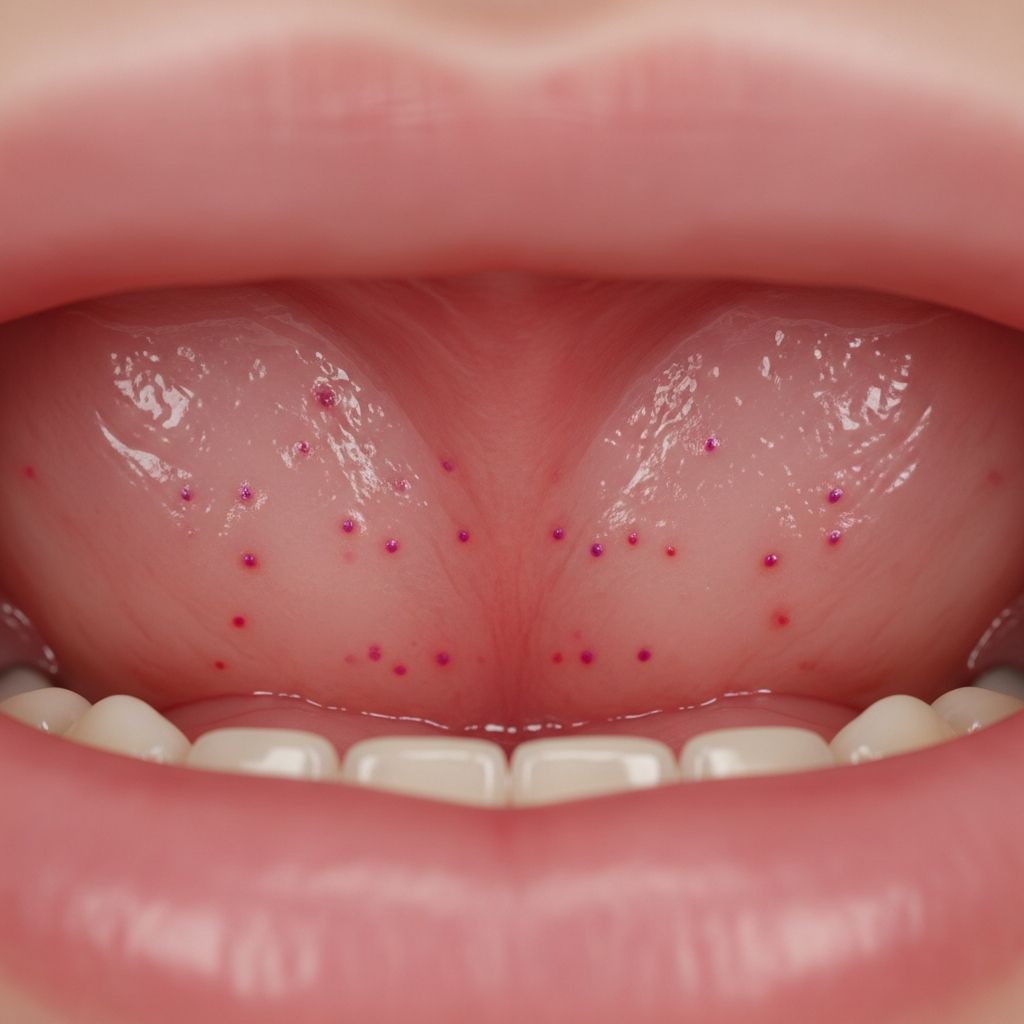
Palatal petechiae are tiny, pinpoint red or purple spots that appear on the soft palate, which is the soft tissue located toward the back of the roof of your mouth. These hemorrhagic spots are essentially small areas of bleeding under the skin caused by the rupture of tiny blood vessels called capillaries. The spots are typically flat, round, and may appear individually or in clusters across the palatal surface.
These lesions are relatively common and can appear for numerous reasons. While some people may associate them specifically with certain activities, the reality is far more complex. Palatal petechiae represent a symptom rather than a diagnosis in themselves, meaning they indicate that something is causing small blood vessels to leak or rupture in that specific location.
Common Causes of Palatal Petechiae
Understanding the various causes of palatal petechiae is essential for proper diagnosis and treatment. The condition can develop due to infections, physical trauma, blood disorders, medications, and other underlying health conditions.
Infectious Causes
Infections represent the most common cause of palatal petechiae. Streptococcal pharyngitis, commonly known as strep throat and caused by Group A Streptococcus bacteria, is the leading infectious culprit. When you have strep throat, the infection and associated inflammation can damage small blood vessels in the mouth, leading to the characteristic red spots on the palate.
Viral infections also frequently cause palatal petechiae. Infectious mononucleosis (mono), caused by the Epstein-Barr virus and sometimes called the kissing disease, is a well-documented cause. Other viral infections that may produce palatal petechiae include:
- COVID-19
- Rubella (which may produce Forschheimer spots specifically)
- Roseola
- Adenovirus
- Cytomegalovirus (CMV)
- Viral hemorrhagic fevers
Additionally, common upper respiratory conditions like the common cold and influenza can cause palatal petechiae due to throat inflammation. Some individuals with allergies or gastroesophageal reflux disease (GERD) may also develop these spots.
Trauma-Related Causes
Physical trauma to the mouth represents another significant category of causes. Actions that create negative pressure or mechanical injury to the soft tissues of the palate can rupture capillaries. These trauma-related causes include:
- Vigorous coughing
- Forceful vomiting
- Intense crying
- Prolonged straining from lifting weights
- Straining during childbirth
- Aggressive brushing or hard foods
The mechanism behind trauma-induced petechiae involves the rupture of tiny blood vessels when excessive pressure is applied to or within the mouth. These spots typically heal quickly, often within 3-5 days, as the body naturally repairs the damaged vessels.
Blood Disorders and Hematological Conditions
Conditions affecting blood clotting and platelet function can cause petechiae throughout the body, including on the palate. Thrombocytopenia, a condition characterized by low platelet counts, is a primary pathophysiological cause of petechiae. When platelets are insufficient or dysfunctional, the blood cannot clot properly, leading to easier bleeding under the skin.
Related Stories



Other hematological conditions that may produce palatal petechiae include various coagulation disorders and platelet dysfunction syndromes. These conditions require medical attention and specialized treatment to address the underlying blood disorder.
Medication-Induced Petechiae
Certain medications can increase bleeding risk and contribute to petechiae formation. Anticoagulant medications (blood thinners) are common culprits, as they intentionally reduce the blood’s ability to clot. Other medications known to potentially cause petechiae include:
- Phenytoin (Cerebyx, Dilantin-125)
- Penicillin
- Quinine (Qualaquin)
Herbal supplements can also contribute to bleeding risk. Supplements like ginkgo biloba, garlic, ginger, and green tea have anticoagulant properties that, when taken in large quantities or combined with prescription blood thinners, may increase petechiae risk.
Systemic and Other Conditions
Various underlying medical conditions can manifest with palatal petechiae. Vitamin K deficiency, which impairs the body’s ability to produce clotting factors, is a known cause. Liver disorders, including portal hypertension and chronic liver disease, can reduce platelet counts and lead to petechiae.
Autoimmune conditions like systemic lupus erythematosus (SLE) can cause petechiae through inflammation of small blood vessels or by reducing platelet counts. Other conditions associated with palatal petechiae include Addison’s disease, HIV/AIDS-related complications like Kaposi sarcoma, and endocarditis.
Does Oral Sex Cause Palatal Petechiae?
This question addresses a common concern about whether dental professionals can determine sexual activity from oral examination findings. The answer is more nuanced than a simple yes or no.
Oral sex can indeed cause palatal petechiae through a specific mechanism. The suction and pressure applied during oral sexual activities can create negative pressure that ruptures tiny blood vessels in the mouth. This trauma-induced mechanism is similar to other forms of oral trauma that produce petechiae, such as vigorous coughing or vomiting.
However, while oral sex is a potential cause, it represents just one of many possible explanations for palatal petechiae. The condition is far more commonly caused by infections—particularly strep throat and mononucleosis—which account for the majority of cases. Trauma from sexual activity would be a much rarer cause compared to these infectious etiologies.
Can Dentists Determine the Cause of Palatal Petechiae?
This question is central to understanding the limitations of oral examination in determining sexual history. While dentists are skilled at identifying oral lesions and abnormalities, they cannot definitively determine whether palatal petechiae resulted from oral sex or another cause based solely on appearance.
Palatal petechiae from different causes look essentially identical under oral examination. The spots appear the same whether they resulted from strep throat, mononucleosis, trauma from coughing, or suction-based trauma. Without additional clinical context, laboratory findings, or patient history, a dentist cannot reliably distinguish between these various etiologies.
Proper diagnosis requires a comprehensive approach that includes:
- Patient history and symptoms
- Duration and progression of the spots
- Associated symptoms (fever, sore throat, cough)
- Blood tests when indicated
- Throat cultures for bacterial infections
- Consultation with other healthcare providers
While oral examination findings may suggest certain possibilities, definitive diagnosis typically requires additional investigation beyond what a dentist can determine from visual inspection alone.
Treatment and Management Options
Treatment approaches for palatal petechiae vary depending on the underlying cause.
Infection-Related Treatment
When palatal petechiae result from bacterial infection like strep throat, antibiotics are the primary treatment. A course of penicillin or other appropriate antibiotics is typically prescribed. For viral infections, antivirals and supportive care measures are recommended.
Infection-related petechiae typically respond well to treatment, with spots beginning to fade within a few days of starting appropriate medication. Complete resolution usually occurs within 7-10 days.
Trauma-Related Management
Petechiae resulting from trauma generally require no specific treatment. The spots typically heal on their own without intervention. Resolution usually occurs within 3-5 days, though complete disappearance may take up to a week or slightly longer. During healing, patients can manage discomfort by eating soft, bland foods and drinking lukewarm water while avoiding coarse, salty, or acidic foods.
Underlying Disorder Treatment
When palatal petechiae stem from blood disorders, systemic conditions, or medication side effects, treatment must address the root cause. This may involve:
- Consultation with a hematologist for blood disorders
- Adjustment or discontinuation of problematic medications under medical supervision
- Vitamin K supplementation for deficiency-related cases
- Treatment of underlying liver disease or other systemic conditions
Resolution duration varies considerably for systemic conditions, potentially ranging from weeks to months depending on the severity and nature of the underlying disorder.
Prevention and Risk Reduction
While some causes of palatal petechiae cannot be prevented entirely, several strategies can reduce your risk:
Avoid Oral Trauma
Protecting your palate from injury is fundamental to prevention. This includes:
- Avoiding aggressive toothbrushing techniques
- Limiting consumption of hard, sharp, or extremely hot foods
- Being mindful of activities that could cause mouth injury
Practice Good Hygiene
Reducing infection risk through hygiene measures helps prevent infection-related petechiae. Key practices include:
- Regular handwashing to prevent viral and bacterial transmission
- Avoiding close contact with individuals who have infectious illnesses
- Maintaining good oral hygiene habits
Medication Management
If you take medications that increase bleeding risk, work with your healthcare provider to ensure optimal management. This may involve:
- Discussing potential alternative medications or dosage adjustments
- Monitoring for signs of unusual bleeding
- Informing all healthcare providers about blood-thinning medications and supplements
By implementing these preventive measures, individuals can reduce their risk of developing palatal petechiae and support faster healing if spots do appear.
Frequently Asked Questions
Q: How long do palatal petechiae typically last?
A: The duration depends on the cause. Trauma-related petechiae usually fade within 3-5 days. Infection-related spots typically resolve within 7-10 days of starting appropriate treatment. Petechiae from underlying medical conditions may persist longer, potentially taking weeks to months to resolve depending on the severity of the underlying disorder.
Q: Are palatal petechiae contagious?
A: The petechiae themselves are not contagious. However, if they result from a viral or bacterial infection like strep throat or mononucleosis, the underlying infection can be contagious. Individuals with infection-related petechiae should take appropriate precautions to avoid transmitting the infection to others.
Q: Should I see a dentist or doctor for palatal petechiae?
A: You should consult a healthcare provider, ideally your primary care physician, to determine the underlying cause. While dentists can identify the presence of palatal petechiae, they cannot reliably determine the cause based on appearance alone. A medical evaluation may include blood tests, throat cultures, or other diagnostic procedures to identify the etiology.
Q: Can palatal petechiae indicate a serious condition?
A: While many causes are benign and self-limited, palatal petechiae can indicate serious underlying conditions such as blood disorders, meningococcal disease, or systemic infections. This is why professional medical evaluation is important, particularly if petechiae develop suddenly, are accompanied by fever, or do not resolve within a reasonable timeframe.
Q: Is there any treatment that speeds healing of petechiae?
A: Healing speed depends on the underlying cause. For infection-related petechiae, starting appropriate antibiotics or antivirals as soon as possible helps resolve them faster. For trauma-related cases, the body typically heals naturally without specific treatment needed. Addressing any underlying medical conditions will facilitate resolution.
Q: Can I prevent palatal petechiae from returning?
A: Prevention strategies depend on the cause. Avoiding oral trauma, practicing good hygiene to prevent infections, and managing medications carefully can reduce recurrence risk. If petechiae result from an underlying condition, proper management of that condition is essential for prevention.
References
- Palatal Petechiae: Causes, Diagnosis, and Treatment — Dr. Alpana. https://www.dralpana.com/post/palatal-petechiae-causes-diagnosis-and-treatment
- Petechiae Causes — Mayo Clinic. https://www.mayoclinic.org/symptoms/petechiae/basics/causes/sym-20050724
- Petechiae – StatPearls — National Center for Biotechnology Information (NCBI), U.S. National Library of Medicine. https://www.ncbi.nlm.nih.gov/books/NBK482331/
- Petechiae: A Guide to Causes and Treatment — GoodRx. https://www.goodrx.com/health-topic/hematology/petechiae
- Palatal Petechiae — Consultant360. https://www.consultant360.com/content/palatal-petechiae
- Petechiae: Causes, Symptoms, Diagnosis, & Treatment — WebMD. https://www.webmd.com/skin-problems-and-treatments/what-are-petechiae
- Red Spots on Roof of Mouth: Causes and Other Symptoms — Medical News Today. https://www.medicalnewstoday.com/articles/324876
Similar Articles








Read full bio of Sneha Tete