Paliperidone (Invega): Uses, Dosage, Side Effects Guide
Comprehensive guide to Invega (paliperidone): uses, dosage, side effects, and key patient information for schizophrenia treatment.
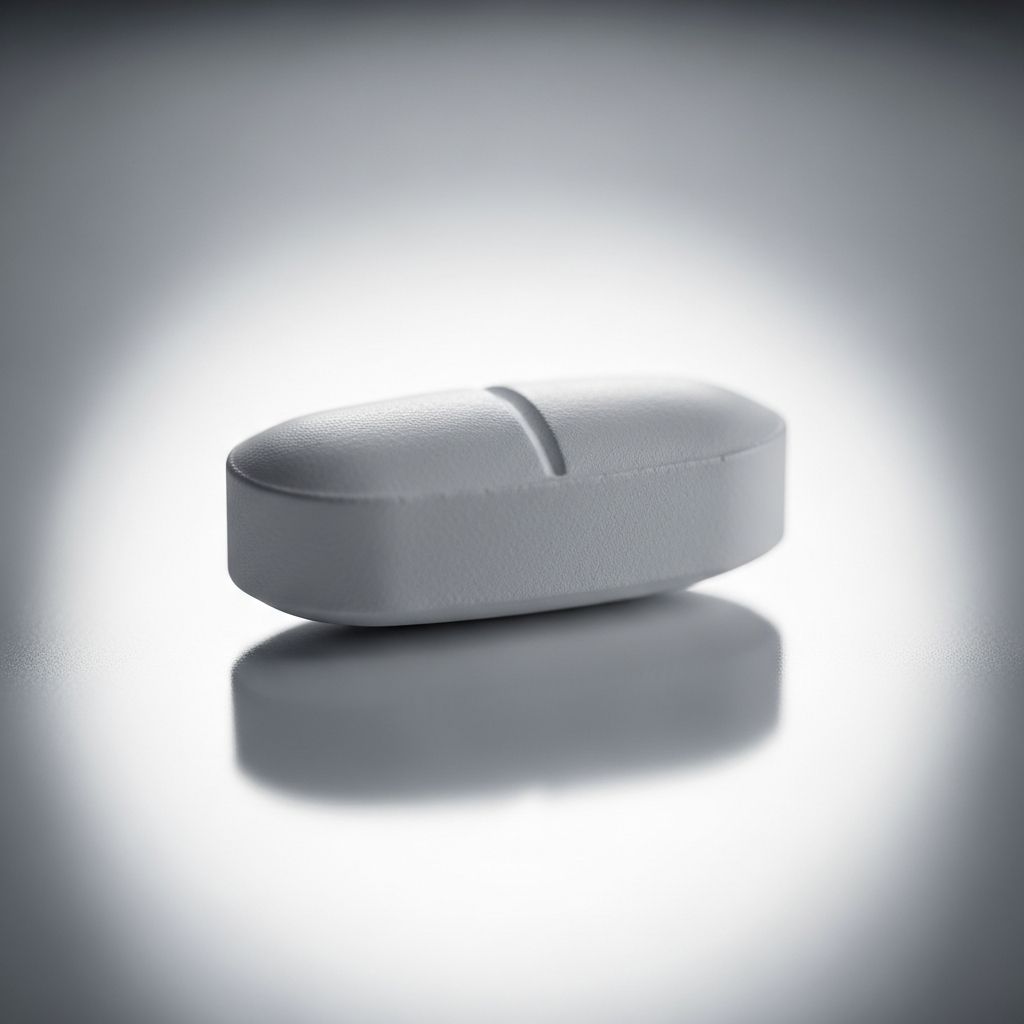
Paliperidone, marketed as
Invega
, is an atypical antipsychotic medication primarily used to treatschizophrenia
in adults and adolescents aged 12 years and older, as well asschizoaffective disorder
in adults. It helps manage symptoms such as hallucinations, delusions, disorganized thinking, and mood episodes associated with these conditions.About Paliperidone Tablets
**Invega** contains paliperidone as its active ingredient and is available as prolonged-release (extended-release) oral tablets in strengths of 1.5 mg, 3 mg, 6 mg, and 9 mg. These tablets are designed to release the medication slowly over several hours, allowing for once-daily dosing. Paliperidone is the major active metabolite of risperidone, another established antipsychotic, but Invega provides a direct formulation of this compound.
In addition to oral tablets, paliperidone is available in long-acting injectable forms such as Invega Sustenna (monthly), Invega Trinza (every three months), and Invega Hafyera (twice yearly), though this article focuses primarily on the oral form.
Key Facts
- Drug class: Atypical (second-generation) antipsychotic.
- Prescription only: Available solely with a doctor’s prescription.
- Dosing frequency: Typically once daily, swallowed whole without crushing or chewing.
- Onset: Effects may take several weeks to fully manifest.
- Not for: Dementia-related psychosis in elderly patients due to increased mortality risk.
What is Paliperidone Used For?
Paliperidone is FDA-approved and EMA-authorized for treating
schizophrenia
, characterized by hallucinations, delusions, suspiciousness, and disorganized speech or thinking. It is also indicated forschizoaffective disorder
in adults, where schizophrenia symptoms combine with manic or depressive episodes; it can be used alone or alongside mood stabilizers and antidepressants.In adolescents aged 12-17 (oral form) or 15+ (per EMA), it addresses schizophrenia symptoms effectively. Clinical studies demonstrate it reduces psychotic symptoms and prevents relapse when used long-term.
How Does Paliperidone Work?
Paliperidone acts as an antagonist at multiple neurotransmitter receptors in the brain, primarily blocking
dopamine D2
andserotonin 5-HT2A
receptors, which are implicated in psychotic symptoms. This modulation helps normalize brain activity disrupted in schizophrenia.Additional antagonism at alpha-1/alpha-2 adrenergic and H1 histaminergic receptors contributes to its effects on mood, arousal, and side effect profile. Unlike first-generation antipsychotics, atypical agents like paliperidone have a lower risk of extrapyramidal symptoms (EPS).
Common Questions About Paliperidone
How and When to Take It
Take Invega once daily, with or without food, at the same time each day for consistent blood levels. Swallow tablets whole; do not split, crush, or chew, as this destroys the extended-release mechanism.
Initial adult dose for schizophrenia is usually 6 mg/day, adjustable from 3-12 mg based on response and tolerability. For schizoaffective disorder, start at 6 mg/day. Renal impairment requires dose reduction.
Dosage Table
| Condition | Age Group | Starting Dose | Maintenance Dose |
|---|---|---|---|
| Schizophrenia | Adults | 6 mg once daily | 3-12 mg once daily |
| Schizophrenia | 12+ years | 3 mg once daily | 1.5-12 mg once daily |
| Schizoaffective Disorder | Adults | 6 mg once daily | 3-12 mg once daily |
Note: Doses must be individualized by a healthcare provider.
Important Warnings
Invega carries a
black box warning
for increased mortality in elderly patients with dementia-related psychosis and for suicidal thoughts in younger patients. Monitor forneuroleptic malignant syndrome (NMS)
(fever, rigidity, confusion),tardive dyskinesia
(involuntary movements),hyperprolactinemia
(elevated prolactin leading to breast issues or infertility), andorthostatic hypotension
.Related Stories



Use caution in patients with cardiovascular disease, seizures, or electrolyte imbalances.
Side Effects of Paliperidone
Side effects vary by individual; most are mild and improve over time. Common ones (>5% incidence) include:
- Akathisia (restlessness)
- Extrapyramidal symptoms (tremor, rigidity)
- Somnolence (sleepiness)
- Weight gain
- Tachycardia (fast heartbeat)
- Headache
- Nausea
Serious side effects require immediate medical attention:
- NMS: High fever, muscle stiffness, altered mental status.
- Tardive dyskinesia: Uncontrollable movements of face/tongue/limbs.
- Hyperglycemia/diabetes risk: Monitor blood sugar.
- Blood disorders: Fever, infections, fatigue (low WBC).
- Priapism: Prolonged erection.
- Temperature dysregulation: Avoid overheating.
How to Cope with Side Effects
- Sleepiness: Avoid driving until effects are known; take at bedtime if approved.
- Weight gain: Maintain diet/exercise; monitor BMI.
- Restlessness: Discuss dose adjustment or adjunct therapies.
- Movement issues: May need anticholinergics short-term.
Report persistent or worsening effects to your doctor.
Pregnancy and Fertility
Paliperidone may pose risks to the fetus (Category C); use effective contraception. High prolactin can affect fertility/menstruation. Inform your doctor if pregnant or planning pregnancy. Data on breastfeeding is limited—consult a provider.
Breastfeeding
Paliperidone passes into breast milk; weigh benefits vs. risks. Alternatives may be considered.
Other Medicines and Interactions
Paliperidone interacts with:
- CYP3A4 inducers/inhibitors: (e.g., carbamazepine, ketoconazole) — dose adjustments needed.
- Antihypertensives: Enhanced blood pressure lowering.
- Levodopa/Parkinson meds: Antagonism.
- QT-prolonging drugs: Risk of arrhythmias.
- Alcohol/CNS depressants: Increased sedation.
Provide full medication list to your prescriber.
Cautions and Contraindications
- History of seizures, CV disease, or hypokalemia.
- Known hypersensitivity to paliperidone or risperidone.
- Parkinson’s disease or Lewy body dementia (worsens symptoms).
- GI disorders impairing absorption (e.g., strictures).
Regular monitoring of weight, glucose, lipids, and prolactin is recommended.
About Mental Illness and Antipsychotics
Schizophrenia affects ~1% globally, involving dopamine/serotonin imbalances. Antipsychotics like paliperidone restore balance but are most effective with therapy, support, and lifestyle management. Long-term use prevents relapse but requires adherence.
Frequently Asked Questions (FAQs)
Can I drink alcohol while taking Invega?
No, alcohol increases sedation and dizziness risks. Limit or avoid.
Does paliperidone cause weight gain?
Yes, common; monitor diet and exercise to mitigate.
How long until Invega works?
Symptom improvement in 1-2 weeks; full effects in 4-6 weeks.
What if I miss a dose?
Take as soon as remembered unless near next dose; do not double up. Consult doctor.
Is Invega addictive?
No, not habit-forming, but do not stop abruptly—withdrawal symptoms possible.
Can children take Invega?
Approved for schizophrenia in ages 12+; not for younger children.
Stopping Paliperidone
Never stop suddenly—taper under medical supervision to avoid relapse or withdrawal (nausea, insomnia, psychosis). Discuss discontinuation if symptoms resolve long-term.
References
- Invega | European Medicines Agency (EMA) — EMA. 2023. https://www.ema.europa.eu/en/medicines/human/EPAR/invega
- Paliperidone (Invega): Uses, Side Effects, Interactions — WebMD. 2024-10-15. https://www.webmd.com/drugs/2/drug-146745/invega-oral/details
- Invega: Side effects, dosage, uses, and more — Medical News Today. 2024. https://www.medicalnewstoday.com/articles/drugs-invega
- Paliperidone: Uses, Interactions, Mechanism of Action — DrugBank. 2024-01-20. https://go.drugbank.com/drugs/DB01267
- Paliperidone (oral route) – Side effects & dosage — Mayo Clinic. 2025-05-01. https://www.mayoclinic.org/drugs-supplements/paliperidone-oral-route/description/drg-20070811
Similar Articles








Read full bio of Sneha Tete