Palivizumab: Expert Guide To RSV Prophylaxis In 2025
Essential insights into palivizumab for preventing RSV in high-risk infants and children, covering uses, dosing, and safety.
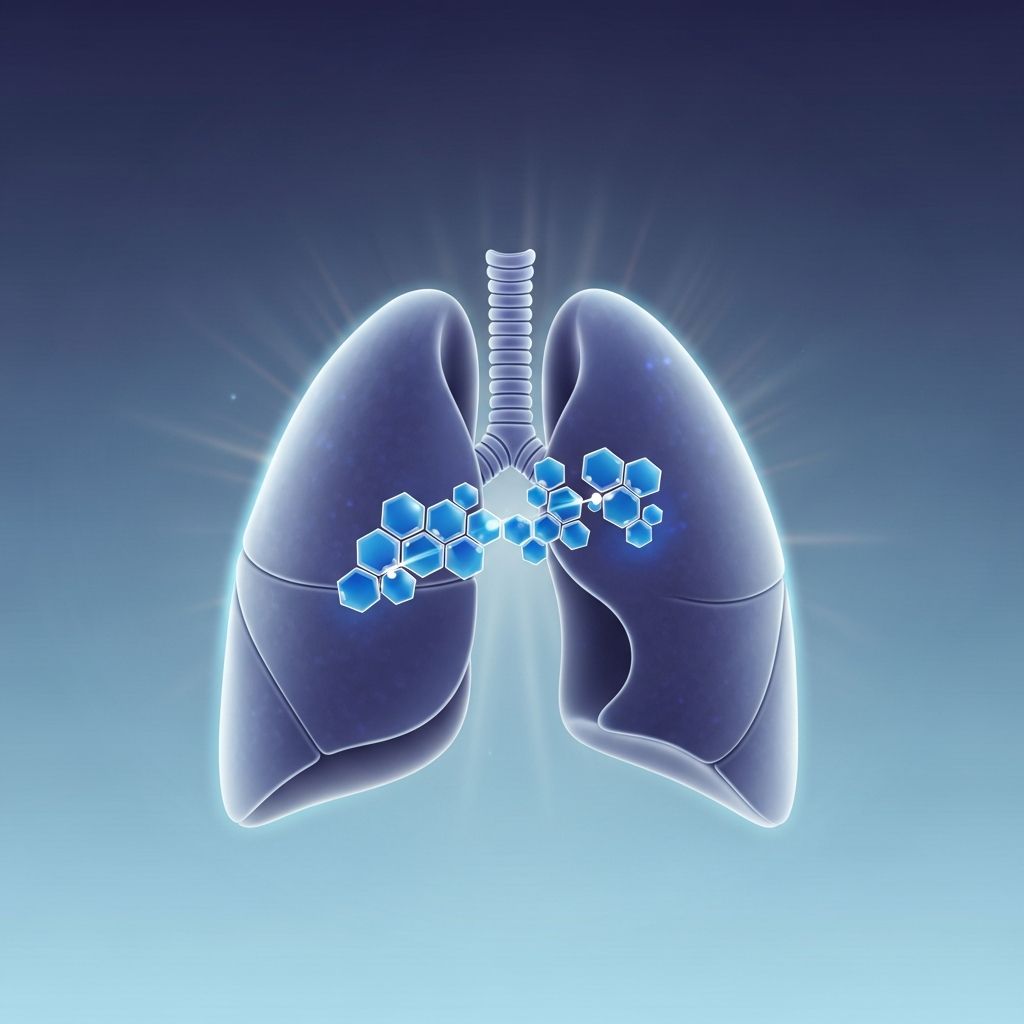
Palivizumab represents a critical advancement in pediatric respiratory care, specifically designed to shield vulnerable infants from the devastating effects of respiratory syncytial virus (RSV). This monoclonal antibody targets high-risk children, dramatically lowering the incidence of severe lower respiratory tract infections that can lead to hospitalization or worse.
Understanding Respiratory Syncytial Virus and Its Impact
RSV is a highly contagious RNA virus from the Paramyxoviridae family, notorious for causing seasonal outbreaks, particularly during winter months. It primarily affects the respiratory system, leading to bronchiolitis and pneumonia in young children. While most healthy children experience mild cold-like symptoms, certain groups face life-threatening complications. Premature infants, those with chronic lung conditions, or congenital heart defects are especially susceptible due to underdeveloped immune systems or compromised lung function.
The virus enters cells via its fusion (F) and attachment (G) glycoproteins, replicating rapidly in the airways and causing inflammation, mucus buildup, and airway obstruction. Globally, RSV accounts for significant morbidity in infants under two years, with hospitalization rates peaking in those born preterm. Public health data highlight that without intervention, these infections strain healthcare systems and families alike.
What is Palivizumab and How Does It Function?
Palivizumab, marketed under the brand name Synagis, is a humanized monoclonal antibody comprising 95% human and 5% murine sequences. Engineered through recombinant DNA technology, it specifically binds to the F protein on the RSV surface, neutralizing the virus before it can fuse with and invade host cells. This action halts viral spread, reduces replication, and limits cell-to-cell transmission within the respiratory tract.
Unlike vaccines, palivizumab provides passive immunity, offering immediate protection without relying on the recipient’s immune response. It is ineffective for treating active RSV infections but excels in prophylaxis, preventing severe disease onset. Clinical pharmacology studies confirm its activity against both RSV subtypes A and B, ensuring broad coverage during epidemic seasons.
Who Qualifies for Palivizumab Therapy?
Eligibility for palivizumab is strictly defined to maximize benefits while optimizing resource use. Primary candidates include:
- Infants born at 32 weeks gestation or earlier, aged 6 months or younger at RSV season start, regardless of chronic lung disease (CLD) status.
- Children under 2 years with CLD from prematurity requiring medical therapy (e.g., oxygen, steroids, bronchodilators) in the prior 6 months.
- Infants and toddlers under 2 years with hemodynamically significant congenital heart disease (cyanotic or acyanotic).
- High-risk infants in remote northern or rural areas (e.g., requiring air evacuation), born before 36 weeks and under 6 months at season onset.
Discretionary use may apply to full-term infants in isolated communities, those with severe CLD/heart disease needing ongoing care, or children with profound immunodeficiency or conditions like Down syndrome prone to severe RSV.
| Risk Group | Key Criteria | Seasonal Age Limit |
|---|---|---|
| Premature Infants | ≤32 weeks GA | ≤6 months |
| CLD Patients | Medical therapy within 6 months | <2 years |
| Congenital Heart Disease | Hemodynamically significant | <2 years |
| Remote Communities | <36 weeks GA | <6 months |
These guidelines stem from authoritative health bodies, ensuring targeted administration.
Administration Protocols and Dosing Guidelines
Palivizumab is delivered via intramuscular injection, typically in the thigh, at a fixed dose of 15 mg/kg of body weight. Treatment commences at the onset of RSV season—often November in temperate regions—and continues monthly for 5 doses, aligning with the virus’s peak circulation. Each injection requires precise weight-based calculation to ensure efficacy without excess.
Related Stories



Healthcare providers reconstitute the lyophilized powder with sterile water, administering it promptly. Parents should monitor injection sites for redness or swelling, though these are rare. Adherence to the full course is vital, as serum levels wane over 30 days, necessitating timely follow-ups.
Clinical Evidence Supporting Efficacy
Randomized controlled trials (RCTs) underpin palivizumab’s approval. In premature infants, it reduced RSV hospitalization rates by up to 55%, with number needed to treat (NNT) around 17-20. For children with congenital heart disease, a pivotal RCT of 1287 participants showed a 4.4% absolute risk reduction in RSV admissions (NNT=23), alongside 56% fewer hospitalization days and 73% less oxygen-supplemented stays per 100 children.
Meta-analyses confirm consistent reductions in severe outcomes across high-risk cohorts, with no impact on overall RSV incidence but significant mitigation of hospitalization and ICU needs. Long-term data indicate lower rates of recurrent wheezing post-RSV season in treated infants.
Potential Side Effects and Safety Profile
Palivizumab is generally well-tolerated, with adverse events comparable to placebo. Common reactions include injection-site irritation (fever, rash, pain), occurring in less than 5% of doses. Serious hypersensitivity, though rare (<1%), manifests as anaphylaxis—requiring immediate epinephrine and cessation.
- Mild effects: Irritability, diarrhea, vomiting, cough (1-10%).
- Rare serious: Wheezing exacerbation, elevated liver enzymes, thrombocytopenia.
Monitoring involves vital signs post-injection and prompt reporting of unusual symptoms. It poses no teratogenic risk but is contraindicated in RSV-positive children or those with prior severe reactions.
Key Precautions and Contraindications
Avoid palivizumab in actively infected children, as it does not treat established disease. Caution in thrombocytopenia or bleeding disorders due to IM route. No live vaccines interact adversely, but inform providers of concurrent therapies. Seasonal timing is crucial; extending beyond 5 doses offers marginal benefit.
Pregnant or breastfeeding data are limited; consult specialists. Storage at 2-8°C preserves potency—discard post-reconstitution if unused within hours.
Role in Broader RSV Prevention Strategies
Palivizumab complements non-pharmacologic measures like hand hygiene, avoiding crowds, and breastfeeding. In high-risk settings, it integrates with maternal vaccination programs or novel antivirals emerging in recent years. Public health campaigns emphasize early identification of at-risk infants for timely prophylaxis.
Economic analyses reveal cost-effectiveness in severe-risk groups, offsetting hospitalization expenses despite high per-dose costs.
Frequently Asked Questions (FAQs)
Is palivizumab a vaccine?
No, it is a monoclonal antibody providing passive immunity, not stimulating the body’s response like a vaccine.
How soon does protection start after injection?
Peak serum levels occur within 6 days, offering robust protection throughout the month.
Can it treat an active RSV infection?
No, it is strictly preventive and ineffective once symptoms appear.
What if a dose is missed?
Administer as soon as possible, resuming monthly schedule; do not double-dose.
Is palivizumab covered by insurance?
Coverage varies; high-risk eligibility often qualifies under public health programs.
Future Directions in RSV Management
Ongoing research explores longer-acting antibodies, universal vaccines, and oral antivirals to expand beyond palivizumab’s niche. Trials in expanded populations, including older adults, signal a shifting landscape. For now, it remains the gold standard for pediatric prophylaxis.
References
- Synagis Factsheet, Uses & Common Side Effects — Rexall. 2023. https://www.rexall.ca/article/drug/view/id/2051/
- Palivizumab Injection — Alberta Women’s Health. 2024. https://www.afwomensmed.com/health-library/hw-view.php?DOCHWID=a698034
- Palivizumab: Uses, Interactions, Mechanism of Action — DrugBank. 2025-02-01. https://go.drugbank.com/drugs/DB00110
- Palivizumab for the prevention of respiratory syncytial virus — PMC (NCBI). 2010-07-12. https://pmc.ncbi.nlm.nih.gov/articles/PMC2920777/
- Palivizumab – Injection — My Health Alberta. 2024. https://myhealth.alberta.ca/Health/medications/Pages/conditions.aspx?hwid=fdb5279
- Palivizumab injection — Cleveland Clinic. 2025. https://my.clevelandclinic.org/health/drugs/18236-palivizumab-injection
- Recommended use of palivizumab — Government of Canada (Public Health Agency). 2023-10-25. https://www.canada.ca/en/public-health/services/publications/vaccines-immunization/palivizumab-respiratory-syncitial-virus-infection-infants.html
Similar Articles








Read full bio of medha deb