Pallor: Causes, Symptoms, And Treatment Guide
Understand pallor: skin paleness from anemia, shock, or poor circulation, with diagnosis and treatment insights.

Pallor refers to an unnatural paleness of the skin or mucous membranes, often signaling reduced blood flow, low red blood cell count, or other underlying issues. It can affect anyone and ranges from temporary emotional responses to serious medical conditions requiring prompt attention.
What Is Pallor?
Pallor, pronounced “pal-or,” describes a loss of normal skin color, making the skin or mucous membranes appear lighter than usual. Mucous membranes line areas like the eyes, mouth, nose, and lungs. This condition arises from decreased blood supply or oxygen to the skin, distinguishing it from albinism, which involves a permanent lack of pigment production.
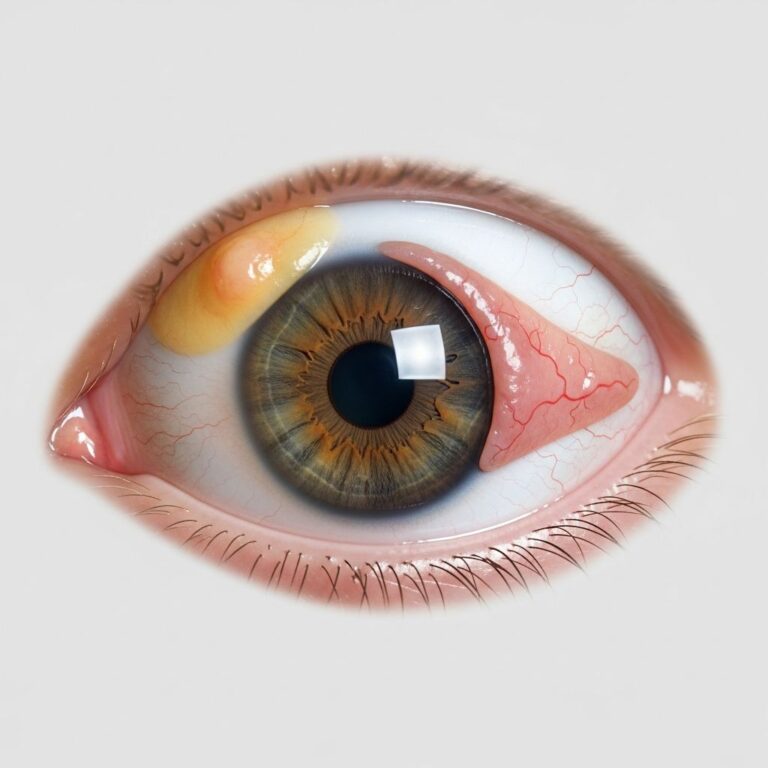
While often temporary and resolving quickly, persistent pallor may indicate chronic issues like anemia. It commonly appears on the face, palms, nail beds, tongue, and conjunctiva (the lining of the eyelids).
Symptoms of Pallor
The primary symptom is visibly paler skin compared to one’s baseline complexion. Pallor may be generalized (whole body) or localized (one area, like a limb after injury).
Associated symptoms depend on the cause but can include:
- Dizziness or lightheadedness
- Fatigue or weakness
- Rapid heartbeat (tachycardia)
- Shortness of breath
- Cold extremities
- Fainting (syncope)
Severe cases with symptoms like chest pain, vomiting blood, or rectal bleeding demand immediate emergency care.
Causes of Pallor
Pallor results from factors reducing blood oxygen delivery to tissues. Key categories include:
1. Anemia-Related Causes
Anemia, a leading cause, occurs when red blood cell count or hemoglobin drops, impairing oxygen transport. Common types:
- Iron-deficiency anemia: From blood loss, poor diet, or absorption issues.
- Vitamin B12 or folate deficiency: Leading to megaloblastic anemia.
- Hemolytic anemia: Premature red blood cell destruction.
- Aplastic anemia: Bone marrow failure.
Conjunctival pallor strongly correlates with anemia; its presence raises likelihood ratios for hemoglobin ≤90 g/L to 4.49, prompting blood tests.
2. Acute Causes (Shock and Emotional)
Sudden pallor from shock types:
- Hypovolemic shock: Severe blood/fluid loss (trauma, bleeding).
- Cardiogenic shock: Heart failure.
- Septic shock: Infection-induced.
- Neurogenic shock: Nervous system disruption.
Emotional stress like fear or anxiety triggers vasovagal responses, temporarily constricting blood vessels.
3. Circulatory and Other Causes
Reduced circulation from:
- Raynaud’s disease: Vasospasms in cold/stress.
- Aortic stenosis: Heart valve narrowing.
- Arterial blockage: Clots or atherosclerosis.
Other factors: malnutrition, chronic diseases (kidney/liver failure), medications, or environmental extremes.
Where Does Pallor Appear?
Pallor is most noticeable in:
- Face (especially around eyes)
- Palms and nail beds
- Tongue and oral mucosa
- Conjunctiva (inner eyelids)
- Lips and ears
Conjunctival pallor is a reliable anemia indicator over palm or nail bed pallor. Localized pallor in limbs suggests vascular issues.
When to See a Doctor
Seek immediate care if pallor accompanies:
- Fainting, chest pain, or shortness of breath
- Bleeding (vomiting, rectal)
- Severe abdominal pain or fever
- Cold, pale limb (possible clot)
For gradual onset with fatigue, schedule a doctor’s visit. Early intervention prevents complications.
Related Stories



Diagnosis of Pallor
Providers start with history and exam, assessing:
- Symptom onset, duration, triggers
- Diet, medications, family history
- Pallor sites (conjunctiva, nails)
Tests include:
- Complete blood count (CBC): Checks hemoglobin, hematocrit.
- Blood smear: Cell morphology.
- Iron studies, B12/folate levels: Nutrient deficiencies.
- ESR/CRP: Inflammation.
- Imaging (echo, CT): Heart/vascular issues.
Conjunctival pallor assessment: present (LR 4.49), borderline (1.80), absent (0.61) for anemia.
Treatment for Pallor
Treatment targets the cause:
| Cause | Treatment |
|---|---|
| Iron-deficiency anemia | Iron supplements, dietary changes (red meat, spinach), treat bleeding. |
| Vitamin deficiency | B12 injections, folate supplements. |
| Shock | IV fluids, blood transfusion, vasopressors. |
| Raynaud’s | Warm clothing, calcium channel blockers. |
| Chronic disease | Dialysis (kidney), chelation (lead poisoning). |
Acute emotional pallor resolves with rest; supportive care for others.
Outlook and Prevention
Prognosis is excellent for treatable causes; skin tone normalizes quickly post-treatment. Chronic anemia may take months.
Prevent by:
- Balanced diet rich in iron, vitamins
- Managing chronic conditions
- Avoiding extreme stress/cold
Frequently Asked Questions (FAQs)
What causes sudden pallor?
Sudden pallor often stems from shock, fainting, or vasovagal responses to fear/pain. Seek help if persistent.
Is pallor always anemia?
No, though common. It can result from shock, poor circulation, or emotions. Tests confirm.
How is conjunctival pallor checked?
Everting the lower eyelid reveals paleness. It’s a key anemia sign with good interobserver reliability.
Can pallor affect dark skin?
Yes, visible in mucous membranes, palms, nail beds, or conjunctiva despite darker skin tones.
When does pallor become an emergency?
With fainting, bleeding, chest pain, or cold limbs—go to ER immediately.
References
- Pallor (Paleness): Causes, Diagnosis & Treatment — Cleveland Clinic. 2023-09-29. https://my.clevelandclinic.org/health/diseases/pallor
- The Relation of Conjunctival Pallor to the Presence of Anemia — PMC (J Gen Intern Med). 1990. https://pmc.ncbi.nlm.nih.gov/articles/PMC1497067/
- Paleness (Pallor): Causes, Symptoms, Diagnosis, and Treatment — Healthline. 2023-04-25. https://www.healthline.com/health/paleness
- Paleness — MedlinePlus (MedlinePlus Medical Encyclopedia). N/A. https://medlineplus.gov/ency/article/003244.htm
Similar Articles








Read full bio of Sneha Tete