Palmoplantar Psoriasis: Causes, Symptoms & Treatment
Understanding palmoplantar psoriasis: comprehensive guide to symptoms, triggers, and effective treatment options.
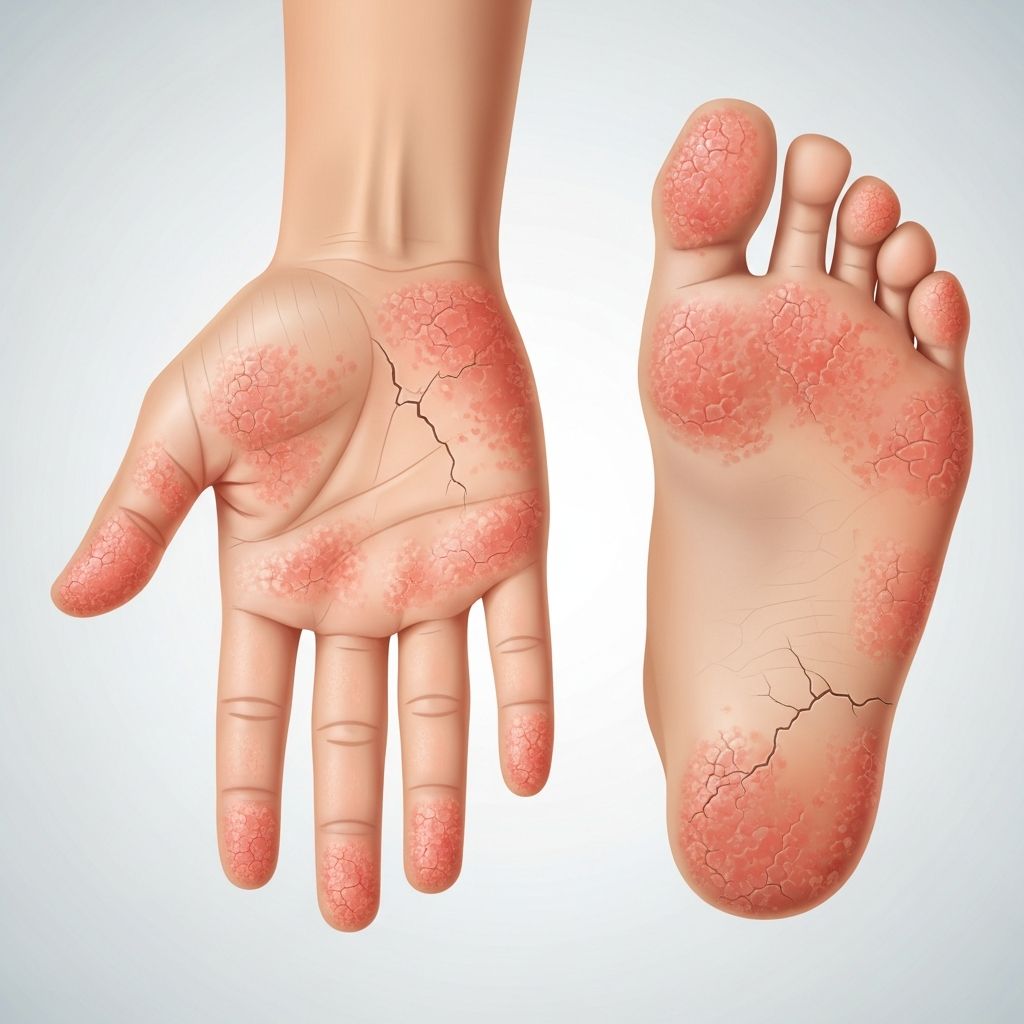
Understanding Palmoplantar Psoriasis
Palmoplantar psoriasis is a chronic variant of psoriasis that specifically affects the skin of the palms and soles. This condition is characterized by hyperkeratotic, pustular, or mixed skin morphologies that produce significant functional disability. Unlike other forms of psoriasis, palmoplantar psoriasis tends to be particularly challenging because it affects areas of the body involved in daily activities, making even routine tasks painful and difficult. The condition causes thickened, discolored skin with inflammation and pustules that can substantially impact quality of life and emotional well-being.
What Causes Palmoplantar Psoriasis?
Palmoplantar psoriasis is an autoimmune condition that is likely to be inherited through genes. However, the causes are not fully understood and are believed to involve a combination of genetic and environmental factors that trigger an autoimmune response. The condition develops when various antigenic triggers activate dendritic cells and T cells in genetically susceptible individuals. When activated, these immune cells cause interleukin-20 (IL-20) to be produced locally, which accelerates keratinocyte proliferation. Simultaneously, interleukin-23 (IL-23) is released from lymph nodes, recruiting Th1 and Th17 cells to the lesions, where they produce numerous cytokines that perpetuate the inflammatory process.
Key Triggers and Risk Factors
Multiple triggers can initiate or exacerbate palmoplantar psoriasis in susceptible individuals. Understanding these factors is crucial for disease management:
- Stress: High stress levels can trigger flare-ups and worsen existing symptoms.
- Smoking: Tobacco use has been linked to the severity and frequency of psoriasis manifestations.
- Infections: Certain infections can precipitate psoriasis outbreaks in vulnerable individuals.
- Skin Injury: Cuts, scrapes, or severe sunburns can trigger lesions through the Koebner phenomenon.
- Medications: Some drugs, including lithium and beta-blockers, might worsen or trigger symptoms.
- Lifestyle Factors: Obesity and alcohol consumption can increase the risk and severity of flare-ups.
- Irritants and Friction: Exposure to irritants and repeated friction on palms and soles can activate the condition.
- Trauma: Physical trauma to affected areas can perpetuate or intensify inflammation.
Clinical Symptoms and Presentation
Palmoplantar psoriasis presents with characteristic clinical features that distinguish it from other psoriasis variants. Patients typically develop painful, scaly patches on their palms and soles with persistent red areas and thick scales. The affected skin becomes inflamed and may develop pustules. The severity can vary significantly between individuals, ranging from mild localized involvement to widespread involvement affecting both hands and feet. The condition causes thickened skin that can make gripping objects, writing, or walking uncomfortable or impossible, making palmoplantar psoriasis potentially disabling.
Diagnosis and Differential Diagnosis
Clinical diagnosis of palmoplantar psoriasis typically begins with a thorough physical examination of the affected areas. Healthcare professionals assess the distribution, appearance, and extent of lesions on the palms and soles. In some cases, dermatologists may perform skin biopsies to confirm the diagnosis and rule out other conditions. The differential diagnosis of palmoplantar psoriasis includes various other conditions affecting the palms and soles, making accurate clinical evaluation essential for appropriate treatment planning.
First-Line Treatment Options
Mild psoriasis of the palms and soles may be treated with topical treatments. First-line therapy begins with potent to superpotent topical corticosteroids applied twice daily with or without occlusion. The frequency of application is gradually reduced over weeks to months as symptoms improve. These medications work by reducing inflammation and slowing down the overproduction of skin cells at the affected sites.
Calcipotriene is often combined with or alternated with potent topical corticosteroids for enhanced effectiveness. However, it is important to note that calcipotriene should not be combined with salicylic acid, which deactivates the molecule and reduces therapeutic efficacy. Additionally, calcipotriol ointment is not very successful for palmoplantar psoriasis when used alone and may cause irritant contact dermatitis on the face if a treated area inadvertently touches it.
Related Stories



Systemic Treatment Approaches
More severe palmoplantar psoriasis usually requires phototherapy or systemic agents. First-line systemic treatment includes acitretin at a dose of 10 mg to 50 mg per day, with maximal effect seen between three and six months after initiation. Acitretin is an oral retinoid that works by normalizing skin cell differentiation and reducing hyperkeratosis. However, acitretin is contraindicated in pregnancy due to its teratogenic potential.
Second-line systemic agents include methotrexate and cyclosporine. Methotrexate is typically dosed at 7.5 mg to 20 mg per week over three to six weeks and can be effective for severe recalcitrant cases. Cyclosporine can be used in immunocompetent patients with severe recalcitrant palmoplantar psoriasis, though it requires careful monitoring. Like acitretin, methotrexate should not be taken during pregnancy, while cyclosporine can be used with caution in specific clinical scenarios.
Phototherapy and Light-Based Treatments
Second-line therapy includes light therapy, such as PUVA (psoralen plus ultraviolet A) and NB-UVB (narrowband ultraviolet B) or monochromatic excimer laser. Phototherapy involves exposing the skin to ultraviolet light under medical supervision and is effective for many people, helping to slow skin cell growth and alleviate symptoms. There is also evidence that laser and other excimer light therapies may work effectively. These novel treatments require a low cumulative dose to ease symptoms, meaning fewer treatment sessions are needed overall compared to traditional phototherapy.
Biologic and Targeted Therapies
Biologics (targeted therapies) are sometimes prescribed for severe palmoplantar psoriasis. These advanced medications work by selectively targeting certain parts of the immune system that drive inflammation. Biologic medicines are generally reserved for patients who have not achieved success with topical or other systemic medications. Available biologic options include etanercept, infliximab, adalimumab, ustekinumab, secukinumab, and ixekizumab, several of which have shown significant improvement in research studies.
However, it is important to note that TNF-alpha inhibitors such as infliximab and adalimumab may trigger palmoplantar pustulosis in some patients, requiring careful patient selection and monitoring. Overall, it appears that oral retinoids with or without photochemotherapy, plus low-dose corticosteroids or cyclosporine, work best for symptom relief.
Home Remedies and Self-Care Strategies
Beyond medical treatments, various home remedies and self-care strategies can help manage palmoplantar psoriasis symptoms and reduce discomfort. These complementary approaches work alongside professional medical treatment to improve outcomes.
Bathing and Soaking Techniques
Bathing can alleviate palmoplantar psoriasis symptoms when approached correctly. The following practices are recommended:
- Soak the hands and feet in lukewarm water for therapeutic benefit.
- Add soothing natural substances, such as oatmeal or Dead Sea salt, to enhance the therapeutic effect.
- Use mild soaps and bath oils that are free from added colors and fragrance to avoid irritation.
- Blot the skin dry after soaking with a soft, clean towel to avoid additional irritation.
- Apply moisturizer to the damp skin immediately to prevent dryness and promote hydration.
Lifestyle Modifications
Improvement in general health can lead to an improvement in palmoplantar psoriasis symptoms. Healthcare providers often recommend several lifestyle changes:
- Weight loss: If overweight, reducing excess weight can improve symptoms.
- Regular exercise: Physical activity promotes overall health and can reduce symptom severity.
- Stress management: Implementing stress reduction techniques helps minimize flare-ups triggered by psychological stress.
- Minimum alcohol: Reducing or eliminating alcohol consumption can decrease disease activity.
- Smoking cessation: Quitting tobacco use is particularly important, as smoking is linked to disease severity.
Managing Comorbidities and Treatment Considerations
Many patients with psoriasis have other comorbidities such as renal failure, liver disease, malignancy, or heart failure, which predispose them to adverse effects from medications. A careful risk versus benefit ratio must be performed for each patient before initiating treatment. This individualized approach ensures that the selected therapy provides maximum benefit while minimizing potential harm based on the patient’s unique medical profile and overall health status.
Disability and Social Support
Palmoplantar psoriasis can be disabling because it affects the hands or feet, areas critical for daily functioning. With proper medical documentation, a person with severe palmoplantar psoriasis may qualify for social security disability payments, recognizing the significant impact on functional capacity and quality of life. Healthcare providers should document the functional limitations carefully to support patients seeking such assistance.
Long-Term Prognosis and Disease Course
Palmoplantar psoriasis tends to be a long-term condition with a chronic disease course. Currently, there is no cure for the condition, but various treatments can help manage symptoms and improve quality of life. A person may need to try various treatments before finding those that improve their symptoms most effectively. Healthcare professionals may recommend topical and systemic medications, light therapy, and home remedies in combination to achieve optimal disease control.
Frequently Asked Questions
Q: Is palmoplantar psoriasis curable?
A: Currently, there is no cure for palmoplantar psoriasis. However, various treatments including topical medications, phototherapy, systemic agents, and biologic therapies can effectively manage symptoms and improve quality of life. Many patients achieve significant symptom relief with appropriate treatment strategies tailored to their individual needs.
Q: How is palmoplantar psoriasis different from other types of psoriasis?
A: Palmoplantar psoriasis specifically affects the palms and soles, making it particularly disabling because these areas are essential for daily activities like gripping, writing, and walking. The condition tends to be more resistant to treatment and causes more functional impairment than psoriasis affecting other body areas.
Q: What is the best initial treatment approach?
A: First-line therapy typically begins with potent to superpotent topical corticosteroids applied twice daily, often combined with or alternated with calcipotriene. The frequency is gradually reduced over weeks to months as symptoms improve. For more severe cases, systemic treatments or phototherapy may be recommended.
Q: Can stress trigger palmoplantar psoriasis?
A: Yes, high stress levels can trigger flare-ups of palmoplantar psoriasis. Implementing effective stress management techniques is an important component of comprehensive disease management and symptom control.
Q: What lifestyle changes help manage palmoplantar psoriasis?
A: Key lifestyle modifications include weight loss if overweight, regular exercise, stress management, reducing or eliminating alcohol consumption, and smoking cessation. These changes can lead to significant improvement in symptoms and overall disease control.
Q: Are biologic therapies effective for palmoplantar psoriasis?
A: Yes, biologic therapies targeting specific components of the immune system can be effective for severe palmoplantar psoriasis that has not responded to other treatments. Options include etanercept, infliximab, adalimumab, ustekinumab, secukinumab, and ixekizumab. However, some TNF-alpha inhibitors may trigger pustulosis in certain patients.
References
- Palmoplantar Psoriasis: Causes, Symptoms, Risks, Treatment — Medical News Today. 2024. https://www.medicalnewstoday.com/articles/314742
- Palmoplantar Psoriasis – StatPearls — National Center for Biotechnology Information (NCBI). 2024. https://www.ncbi.nlm.nih.gov/books/NBK448142/
- Palmoplantar Psoriasis – DermNet — DermNet. https://dermnetnz.org/topics/psoriasis-of-the-palms-and-soles
- Palmoplantar Psoriasis: Causes, Diagnosis and Treatment — MD Searchlight. https://mdsearchlight.com/skin-problems-and-treatments/palmoplantar-psoriasis/
- Palmoplantar Psoriasis: Causes, Diagnosis and Treatment — SumLab. https://sumlab.com/blog/palmoplantar-psoriasis/
Similar Articles








Read full bio of Sneha Tete