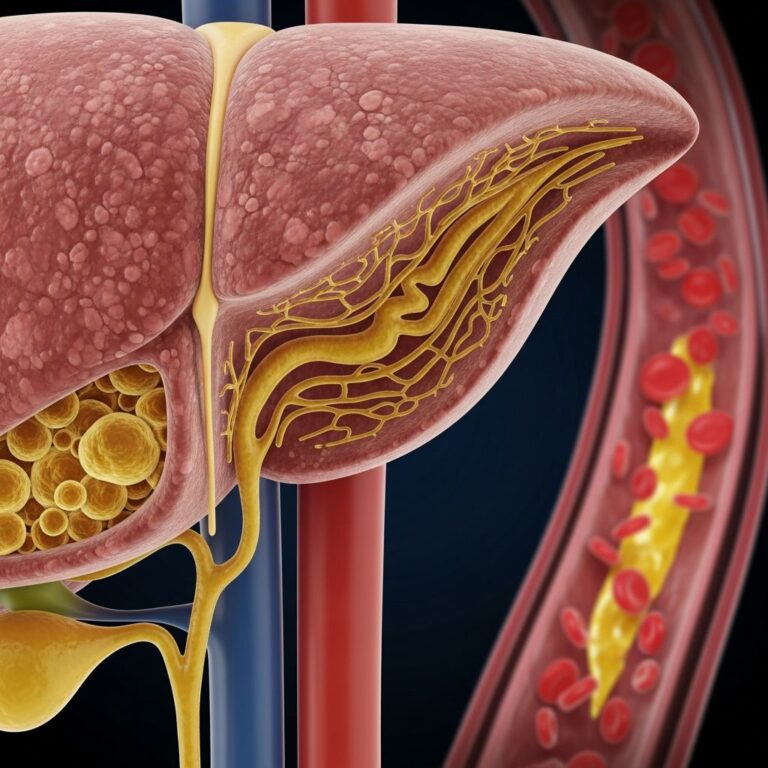
Pamidronate Disodium: Uses, Dosage, and Side Effects
Complete guide to pamidronate disodium: indications, mechanism, dosing, and patient information.

What is Pamidronate Disodium?
Pamidronate disodium is a bisphosphonate medication administered by intravenous injection to treat various bone-related conditions associated with cancer and metabolic bone disease. As a first-generation bisphosphonate, pamidronate works by slowing the breakdown of bone, thereby reducing bone loss and decreasing the amount of calcium released from bones into the bloodstream. This medication has been approved by the FDA since 1991 and remains a cornerstone treatment for managing serious bone complications in cancer patients and certain non-malignant bone disorders.
How Does Pamidronate Disodium Work?
The principal pharmacologic action of pamidronate disodium is inhibition of bone resorption. Although the exact mechanism of action is not completely understood, several factors contribute to its antiresorptive effects. Pamidronate disodium adsorbs to calcium phosphate (hydroxyapatite) crystals in bone and may directly block dissolution of this mineral component, effectively slowing the natural breakdown process that occurs in bone tissue.
By reducing bone resorption, pamidronate helps maintain bone density and structural integrity while simultaneously decreasing the amount of calcium released into circulation. This dual action makes it particularly valuable in managing hypercalcemia and preventing skeletal complications in patients with bone-involving malignancies.
FDA-Approved Indications
Pamidronate disodium is indicated for the treatment of three primary conditions:
1. Moderate to Severe Hypercalcemia of Malignancy
Pamidronate disodium, in conjunction with adequate hydration, is indicated for treating moderate or severe hypercalcemia associated with malignancy, with or without bone metastases. Patients with either epidermoid or non-epidermoid tumors respond to treatment with this medication. Vigorous saline hydration is an integral part of hypercalcemia therapy and should be initiated promptly, with an attempt to restore urine output to approximately 2 liters per day throughout treatment. Mild or asymptomatic hypercalcemia may be managed with conservative measures such as saline hydration alone or combined with loop diuretics.
2. Paget’s Disease of Bone
Pamidronate disodium is indicated for treating patients with moderate to severe Paget’s disease of bone. The effectiveness of pamidronate was demonstrated primarily in patients with serum alkaline phosphatase levels at least 3 times the upper limit of normal. Clinical trials have shown that pamidronate therapy is effective in reducing serum alkaline phosphatase and urinary hydroxyproline levels by 50% or more in at least 50% of patients, and by 30% or more in at least 80% of patients.
3. Osteolytic Bone Metastases and Multiple Myeloma
Pamidronate disodium is indicated, in conjunction with standard antineoplastic therapy, for treating osteolytic bone metastases of breast cancer and osteolytic lesions of multiple myeloma. The treatment effect appeared to be smaller in breast cancer patients receiving hormonal therapy compared to those receiving chemotherapy; however, overall evidence of clinical benefit has been demonstrated.
Clinical Efficacy and Trial Results
Hypercalcemia Treatment Outcomes
In clinical trials examining hypercalcemia treatment, mean-corrected serum calcium levels at days 2 to 7 after initiating pamidronate disodium were significantly reduced from baseline across all dosage groups. By 7 days after treatment initiation, the proportion of patients achieving normal-corrected serum calcium levels was: 40% of patients receiving 30 mg, 61% receiving 60 mg, and 100% of those receiving 90 mg of pamidronate disodium.
Serum phosphate levels typically decrease after pamidronate administration, presumably due to decreased release of phosphate from bone and increased renal excretion as parathyroid hormone levels return toward normal. Phosphate therapy was administered in 30% of trial patients in response to phosphate level decreases. Phosphate levels usually returned toward normal within 7 to 10 days.
Related Stories



Paget’s Disease Trial Results
In a double-blind clinical trial, 64 patients with moderate to severe Paget’s disease of bone received pamidronate disodium as a single 4-hour infusion on 3 consecutive days. Median maximum percent decreases from baseline in serum alkaline phosphatase and urine hydroxyproline/creatinine ratios were:
- 15 mg total dose: 25% and 25% reduction, respectively
- 45 mg total dose: 41% and 47% reduction, respectively
- 90 mg total dose: 57% and 61% reduction, respectively
The median time to response (≥50% decrease in serum alkaline phosphatase) was approximately 1 month for the 90 mg group, with response duration ranging from 1 to 372 days. When 25 patients with Paget’s disease were retreated with 90 mg of pamidronate disodium, 44% had a 50% or greater decrease in serum alkaline phosphatase from baseline, and 39% had a 50% or greater decrease in urine hydroxyproline/creatinine ratio from baseline.
Skeletal Complications in Cancer Patients
In studies of cancer patients with bone metastases, the proportion of patients developing any skeletal-related event (SRE) was significantly smaller in the pamidronate disodium group (24%) compared to placebo (41%, P<0.001). The mean skeletal morbidity rate was significantly smaller for pamidronate patients than placebo patients (1.1 vs 2.1 SRE per year, P<0.02).
After 21 months of follow-up, the proportion of patients experiencing any skeletal event remained significantly smaller in the pamidronate disodium group compared to placebo (P=0.015). The mean skeletal morbidity rate was 1.3 vs 2.2 for pamidronate and placebo patients respectively (P=0.008), and time to first SRE was significantly longer in the pamidronate group compared to placebo (P=0.016).
Dosage and Administration
Hypercalcemia of Malignancy
Dosing for hypercalcemia depends on the severity of the condition and patient response. Standard dosing regimens typically range from 30 to 90 mg administered as intravenous infusions over 2 to 4 hours.
Paget’s Disease
The recommended dose of pamidronate disodium for moderate to severe Paget’s disease of bone is 30 mg daily, administered as a 4-hour infusion on 3 consecutive days for a total dose of 90 mg. When clinically indicated, patients may be retreated according to their physician’s assessment and clinical response.
Bone Metastases
Dosing for osteolytic bone metastases and multiple myeloma is determined on an individualized basis in conjunction with standard antineoplastic therapy.
Special Populations
Renal Impairment
Pamidronate disodium is eliminated renally, and dose adjustments may be necessary in patients with significant renal impairment. Careful monitoring of renal function and appropriate dose modifications are essential in this population.
Hemodialysis Patients
In a 12-month study of 13 patients on hemodialysis with secondary hyperparathyroidism and mild hypercalcemia, administration of 60 mg intravenously during hemodialysis every 2 months decreased serum calcium concentrations from a baseline greater than 12 g/dL to approximately 10 g/dL and significantly decreased intact parathyroid hormone (iPTH) concentrations by 460 pg/mL (p < 0.001).
Important Safety Considerations
Hydration Requirements
Vigorous saline hydration is essential, particularly in the treatment of hypercalcemia. Patients should be maintained on adequate hydration throughout the treatment course, with attempts to maintain urine output of approximately 2 liters per day.
Monitoring Parameters
Regular monitoring of serum calcium levels, phosphate levels, renal function, and other relevant laboratory parameters is necessary during treatment. Patients receiving pamidronate should have baseline and periodic assessments of renal function.
Recent Warnings and Precautions
As of May 2025, important updates to warnings and precautions have been incorporated into the prescribing information. Healthcare providers should review current labeling for the most recent safety information.
Mechanism of Bone Protection
Pamidronate disodium strongly binds to bone and slows down the rate of bone change, which helps reduce the amount of calcium in the blood and bone loss. By inhibiting osteoclast-mediated bone resorption, the medication helps preserve bone density and structural integrity in patients with cancer-related bone disease or Paget’s disease. This protective effect translates into reduced skeletal complications, decreased pain, and improved quality of life for affected patients.
Frequently Asked Questions
Q: How is pamidronate disodium administered?
A: Pamidronate disodium is administered by intravenous infusion. For Paget’s disease, the standard regimen is 30 mg daily for 3 consecutive days (total 90 mg). For hypercalcemia, dosing varies from 30 to 90 mg as a single infusion. Infusion times typically range from 2 to 4 hours.
Q: How long does it take for pamidronate to work?
A: For hypercalcemia, serum calcium levels typically begin to decrease within 2 to 7 days of treatment initiation. For Paget’s disease, the median time to response (≥50% decrease in serum alkaline phosphatase) is approximately 1 month for the standard 90 mg dose.
Q: Can pamidronate be used in patients with kidney disease?
A: Pamidronate is eliminated renally, and dose adjustments may be necessary in patients with renal impairment. Close monitoring of renal function is essential, and healthcare providers should assess baseline kidney function before initiating treatment.
Q: What is the difference between pamidronate and other bisphosphonates?
A: Pamidronate is a first-generation bisphosphonate that works by inhibiting bone resorption. While all bisphosphonates share this mechanism, they differ in potency, dosing regimens, indications, and side effect profiles. Pamidronate is specifically indicated for moderate to severe conditions and requires intravenous administration.
Q: Is pamidronate used to treat osteoporosis?
A: While bisphosphonates as a class are used to treat and prevent osteoporosis, pamidronate disodium is specifically indicated for hypercalcemia of malignancy, Paget’s disease, and cancer-related bone metastases rather than primary osteoporosis management.
Q: Can pamidronate be repeated after initial treatment?
A: Yes, retreatment with pamidronate may be considered when clinically indicated. In studies of Paget’s disease, patients were successfully retreated with 90 mg of pamidronate disodium when therapeutic response was needed.
Q: What baseline tests are needed before starting pamidronate?
A: Before initiating pamidronate disodium, baseline assessment should include serum calcium levels, phosphate levels, renal function tests (creatinine and blood urea nitrogen), and alkaline phosphatase levels. For patients with suspected Paget’s disease, urinary hydroxyproline/creatinine ratios may also be evaluated.
Q: How effective is pamidronate in preventing skeletal complications?
A: Clinical trials demonstrate significant effectiveness. In cancer patients with bone metastases, pamidronate reduced the proportion experiencing skeletal-related events from 41% to 24% compared to placebo, and decreased the mean skeletal morbidity rate from 2.1 to 1.1 events per year.
References
- Pamidronate Disodium Injection: Indications and Usage — Pfizer Medical. 2025. https://www.pfizermedical.com/pamidronate/indications-usage
- Pamidronate Disodium Injection Full Prescribing Information — Pfizer Labeling. 2025. https://labeling.pfizer.com/ShowLabeling.aspx?id=4560
- PAMIDRONATE DISODIUM INJECTION Full Prescribing Information — U.S. Food and Drug Administration. May 2025. https://www.accessdata.fda.gov/drugsatfda_docs/label/2025/021113s018lbl.pdf
- Consumer Information for Pamidronate Disodium for Injection — Health Products and Food Branch. 2024. https://dhpp.hpfb-dgpsa.ca/dhpp/resource/68535/consumer-information
- Pamidronate Disodium Drug Summary — Physicians’ Desk Reference. 2024. https://www.pdr.net/drug-summary/Pamidronate-Disodium-pamidronate-disodium-3305
- Pamidronate Disodium — National Cancer Institute. 2024. https://www.cancer.gov/about-cancer/treatment/drugs/pamidronatedisodium
- Pamidronate Disodium Anhydrous — PubChem, National Institutes of Health. 2024. https://pubchem.ncbi.nlm.nih.gov/compound/Pamidronate-Disodium-Anhydrous
Similar Articles








Read full bio of Sneha Tete