The Pancreas: Function, Anatomy, and Health
Understanding your pancreas: anatomy, functions, diseases, and health maintenance.
The pancreas is one of the most vital yet often overlooked organs in the human body. Located deep within your abdomen, this remarkable gland serves two critically important functions: it aids in digestion and regulates blood sugar levels. Despite its significance, many people know little about this organ until they develop a condition affecting its function. Understanding the pancreas, its anatomy, functions, and potential health concerns can help you maintain better overall health and recognize warning signs of pancreatic disease early.
What Is the Pancreas?
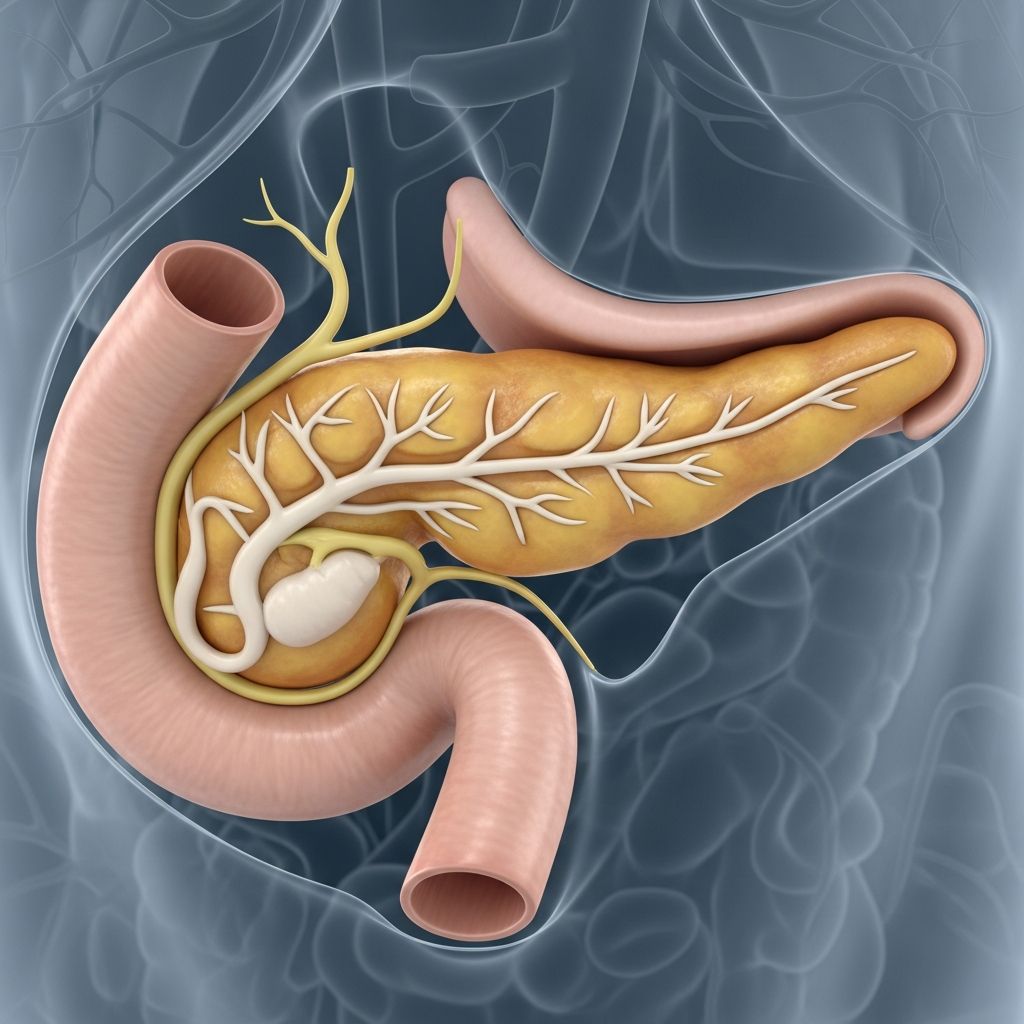
The pancreas is a large, tadpole-shaped gland located deep in your belly, positioned behind your stomach and in front of your spine. This unique organ is approximately 6 inches long—roughly the size of your hand—and resembles a tadpole with a thick end and a thin end. The pancreas weighs about 91.8 grams on average, roughly equivalent to a deck of playing cards. What makes the pancreas particularly special is that it functions as a dual-purpose organ, operating like a factory with two distinct production lines, each responsible for different critical functions.
The pancreas is part of both your digestive system and your endocrine system, making it unique among body organs. Your gallbladder, liver, and spleen surround the pancreas, and these neighboring organs work closely with it to maintain digestive and metabolic health.
Pancreatic Anatomy and Structure
Location and Positioning
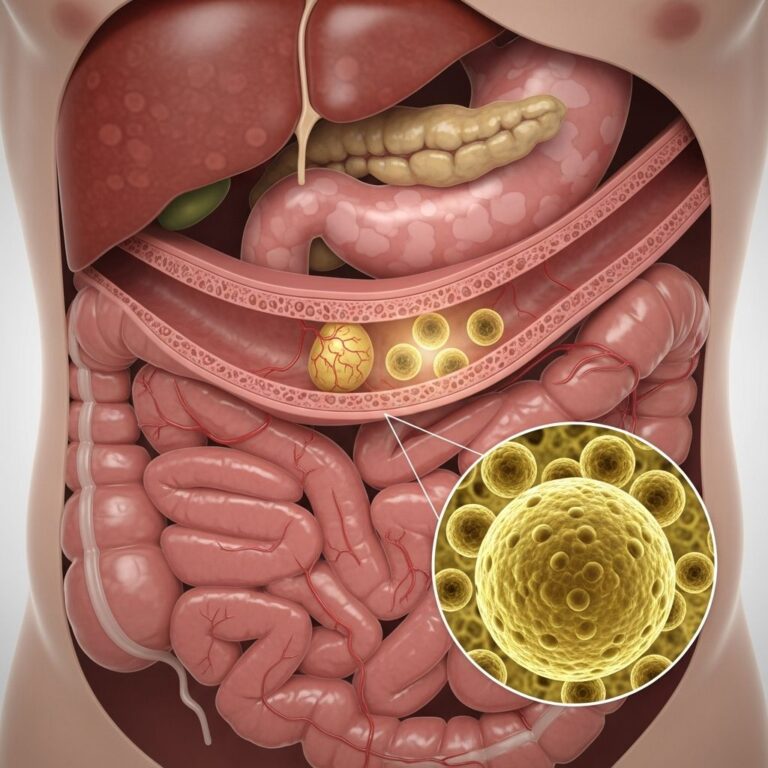
The pancreas sits in a relatively hidden location within your abdominal cavity, which contributes to the difficulty in detecting pancreatic diseases early. Part of the pancreas is sandwiched between your stomach and spine, while another part nestles in the curve of the duodenum, which is the first part of your small intestine. Because of this deep positioning, most pancreatic tumors cannot be felt when a healthcare provider presses on the abdomen, leading to delayed detection and diagnosis.
The Four Main Parts
Understanding the different sections of the pancreas is important, as healthcare providers often refer to these parts when discussing pancreatic diseases. The location of any abnormality within the pancreas significantly affects symptoms and treatment options:
- Head: The widest part of the pancreas, located on the right side of the abdomen, nestled in the curve of the duodenum. This section is particularly important because tumors here can obstruct bile flow and cause jaundice.
- Neck: The thin section that connects the head and body of the pancreas. This area transitions the pancreas from its wider head section to its middle body.
- Body: The middle portion of the pancreas, located between the neck and tail. The superior mesenteric artery and vein run behind this section, making it anatomically complex.
- Tail: The thin tip of the pancreas extending to the left side of the abdomen, in close proximity to the spleen. This delicate section can be affected by disease processes originating in the head or body.
The Dual Functions of the Pancreas
Digestive Function
One of the pancreas’s primary roles is producing digestive enzymes that break down the food you eat. Your pancreas manufactures approximately 1 to 4 liters of enzyme-rich juice each day, with the exact amount varying depending on your dietary intake. This pancreatic fluid contains powerful digestive enzymes that are carried through the main pancreatic duct, which measures one-sixteenth of an inch in diameter with many small branching ducts.
When food enters your stomach and becomes partially digested, it flows into the duodenum. The pancreatic juice then enters this region, where it works alongside bile from your gallbladder to further break down proteins, fats, and carbohydrates. This coordinated digestive process is essential for nutrient absorption and overall digestive health.
Related Stories



Endocrine Function: Blood Sugar Regulation
The pancreas’s second critical function involves hormone production. Specialized cells within the pancreas produce hormones, most notably insulin and glucagon, which work together to maintain balanced blood sugar levels. When your blood glucose rises after eating, the pancreas releases insulin to lower it by facilitating glucose uptake into cells. Conversely, when blood sugar drops too low, the pancreas produces glucagon to increase it by promoting the release of stored glucose from the liver.
This delicate hormonal balance is essential for your body to function properly. Balanced blood sugar maintains the health and function of vital organs including your heart, liver, kidneys, and brain. Dysfunction in this regulatory system can lead to diabetes and other metabolic disorders.
Common Pancreatic Diseases and Conditions
Several disorders can affect pancreatic function, each with distinct symptoms and treatment approaches. The deep location of the pancreas often makes early detection challenging, as symptoms typically don’t appear until the disease has progressed and begun interfering with pancreatic or adjacent organ function.
| Pancreatic Condition | Primary Characteristics | Potential Impact |
|---|---|---|
| Pancreatitis | Inflammation of the pancreas | Acute or chronic pancreatic damage |
| Pancreatic Cancer | Malignant tumor growth | Severe digestive and metabolic disruption |
| Type 1 Diabetes | Autoimmune destruction of insulin-producing cells | Loss of blood sugar regulation |
| Type 2 Diabetes | Insulin resistance and inadequate production | Impaired blood glucose control |
| Cystic Fibrosis | Genetic disorder affecting mucus production | Blocked pancreatic ducts and enzyme deficiency |
Recognizing Pancreatic Problems: Symptoms
Symptoms of pancreatic disease vary depending on the specific condition but may include abdominal pain, digestive issues, unexplained weight loss, yellowing of the skin and eyes (jaundice), and changes in blood sugar levels. Because the pancreas sits deep in the abdomen, early disease stages may produce no noticeable symptoms, making regular health monitoring important for at-risk individuals.
Diagnostic Methods and Testing
Imaging and Function Tests
Because the pancreas’s deep abdominal location makes physical examination challenging, healthcare providers rely on specialized diagnostic tools. These may include pancreatic function tests designed to assess how well your pancreas is working. Advanced imaging techniques allow physicians to visualize the pancreas and identify abnormalities without invasive procedures.
Surgical Evaluation
In some cases, healthcare providers may use surgery to directly examine the pancreas and tissue samples when other diagnostic methods are inconclusive. This approach is typically reserved for situations where definitive diagnosis is critical for treatment planning.
Treatment Approaches for Pancreatic Conditions
Healthcare providers employ different treatment strategies depending on the specific pancreatic condition. Treatment may range from conservative management with medications and lifestyle modifications to surgical interventions. In some cases, patients may require pancreatic transplantation or pancreatectomy, which involves surgical removal of part or all of the pancreas.
In rare instances, healthcare providers may transplant islets of Langerhans cells—specialized pancreatic cells that produce insulin and glucagon—into the liver to maintain insulin production and blood sugar regulation. These advanced interventions represent options for patients with severe pancreatic disease or dysfunction.
Living Without a Pancreas
While the pancreas is vital, it is possible to live without it. However, individuals who undergo complete pancreatic removal require lifelong management. They must take enzyme pills to facilitate food digestion and receive insulin injections to control blood sugar levels. Though pancreatic removal is uncommon, surgeons may perform complete pancreatectomy in cases of pancreatic cancer, severe pancreatic injury, or life-threatening pancreatitis.
Prevention and Pancreatic Health
While you cannot eliminate all risks of pancreatic disease, you can significantly reduce your risk through lifestyle choices and preventive measures:
- Maintain a balanced, nutritious diet rich in fruits, vegetables, and whole grains
- Achieve and maintain a healthy weight through regular physical activity
- Avoid smoking and limit alcohol consumption, as these are major risk factors for pancreatitis and pancreatic cancer
- Manage blood sugar levels, particularly if you have diabetes or prediabetes
- Attend regular health screenings and discuss pancreatic health with your healthcare provider
- Control chronic conditions like high blood pressure and high cholesterol
The Connection Between the Pancreas and Digestive System
To fully appreciate the pancreas’s role, it’s helpful to understand how it fits into the broader digestive process. Food travels from your mouth through the esophagus to your stomach, where digestive acids begin breaking it down. The partially digested food then flows into the duodenum, where pancreatic juice combines with bile to continue the digestive process.
The flow of both pancreatic fluid and bile is critical for proper digestion. Pancreatic cancers and pancreatic surgery can obstruct these flows, leading to digestive complications and nutrient malabsorption. This is why understanding how the pancreas integrates with other digestive organs is essential for comprehending pancreatic diseases and their treatment implications.
Bile Production and Jaundice
Bile, a greenish-yellow fluid produced by the liver, plays an important role in fat digestion. It travels through bile ducts to the gallbladder for storage, then passes through the pancreas on its way to the intestine. When pancreatic cancers block the bile duct, bile cannot flow properly, backing up and causing jaundice—an abnormal yellowing of the skin and eyes. This symptom often indicates obstruction and prompts investigation into pancreatic health.
Frequently Asked Questions
Can you live a normal life without a pancreas?
Yes, but it requires careful management. You’ll need enzyme supplements for digestion and insulin therapy for blood sugar control for the rest of your life, but with proper medical oversight, you can maintain good health.
What is the most common pancreatic disease?
Type 2 diabetes is the most common pancreatic disease, affecting millions worldwide. It develops when the pancreas cannot produce enough insulin or cells become resistant to insulin’s effects.
Why is pancreatic cancer often detected late?
Pancreatic cancer is frequently detected late because the pancreas’s deep abdominal location makes early tumors difficult to feel or detect, and early-stage disease typically produces no noticeable symptoms.
How can I keep my pancreas healthy?
Maintain a healthy weight, exercise regularly, avoid smoking and excessive alcohol, eat a balanced diet, manage blood sugar levels, and attend regular health screenings to monitor pancreatic health.
What tests diagnose pancreatic problems?
Pancreatic function tests, blood tests, imaging studies like ultrasound and CT scans, and sometimes endoscopic procedures help diagnose pancreatic conditions. In some cases, biopsy may be necessary for definitive diagnosis.
References
- Pancreas: Function, Location, Anatomy & Living Without One — Cleveland Clinic. 2024-02-26. https://my.clevelandclinic.org/health/body/21743-pancreas
- Pancreas Basics – Pancreatic Cancer — Johns Hopkins Pathology. https://pathology.jhu.edu/pancreas/basics
Similar Articles








Read full bio of medha deb