Pancreas: Function, Location, Anatomy & Living Without One
Discover the vital roles of the pancreas in digestion and blood sugar regulation, and what happens when it's removed.
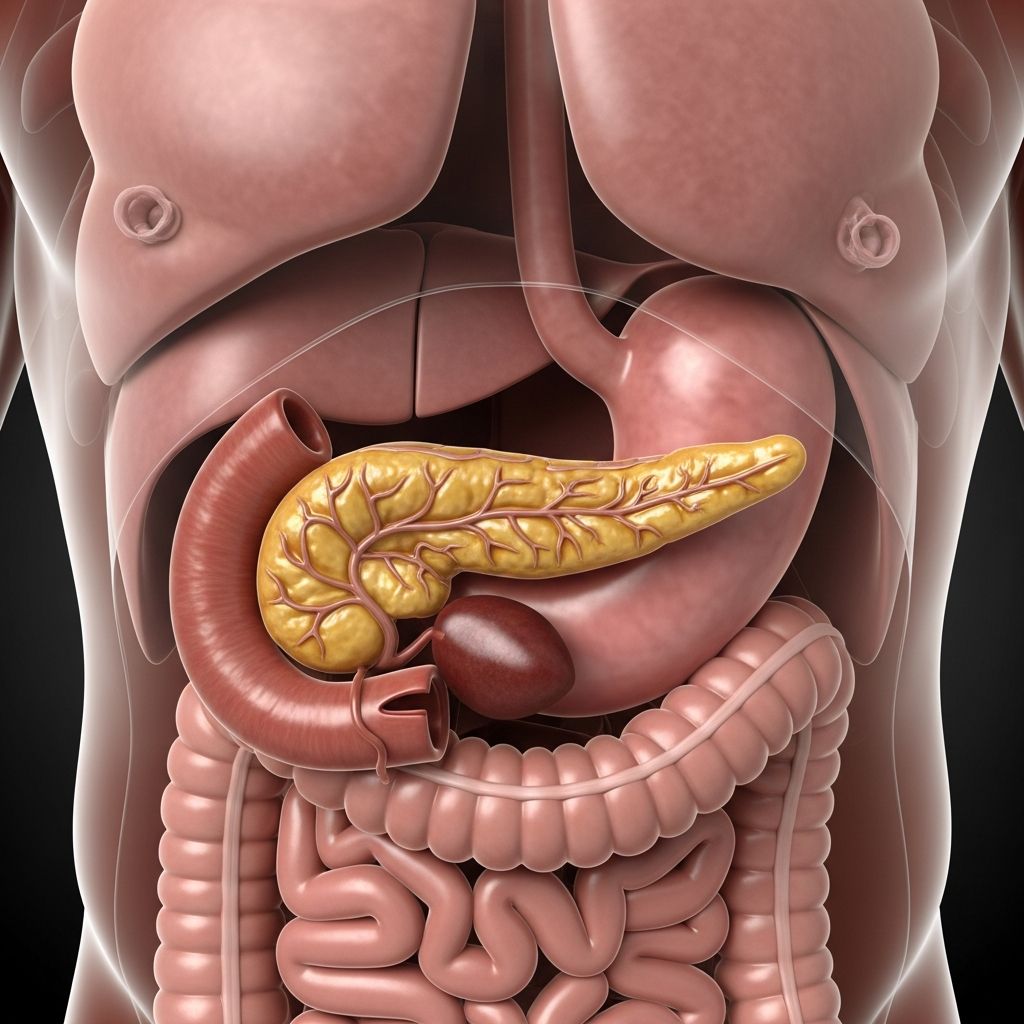
What Is the Pancreas?
The pancreas is a large, tadpole-shaped gland located deep in the abdomen, behind the stomach and in front of the spine. It plays a crucial role in both the digestive and endocrine systems, acting as a dual-function organ. The pancreas produces enzymes that help break down food and hormones that regulate blood sugar levels.
Location and Anatomy of the Pancreas
The pancreas is situated in the upper abdomen, with its head nestled beside the duodenum (the first part of the small intestine) and its tail extending toward the spleen. The organ is surrounded by other vital organs, including the gallbladder, liver, and spleen. Its position makes it difficult to diagnose pancreatic diseases, as symptoms may be vague or mimic other conditions.
Structure of the Pancreas
- Head: Located on the right side of the body, adjacent to the duodenum.
- Body: The central portion of the pancreas.
- Tail: Extends to the left side of the body, near the spleen.
Functions of the Pancreas
The pancreas performs two main functions: exocrine and endocrine.
Exocrine Function
The exocrine function of the pancreas involves the production and secretion of digestive enzymes. These enzymes are released into the small intestine through the pancreatic ducts and help break down carbohydrates, fats, and proteins in food. The pancreas produces about 1 to 4 liters of enzyme-rich juice each day, depending on the amount of food consumed.
Endocrine Function
The endocrine function of the pancreas involves the production and release of hormones, primarily insulin and glucagon, which regulate blood sugar levels. When blood sugar is high, the pancreas releases insulin to lower it. When blood sugar is low, the pancreas releases glucagon to raise it. These hormones are essential for maintaining balanced blood sugar, which is crucial for the proper functioning of organs like the heart, liver, kidneys, and brain.
How the Pancreas Works in Digestion
After food enters the stomach, the pancreas releases digestive enzymes into the small intestine. These enzymes include:
- Amylase: Breaks down carbohydrates.
- Lipase: Breaks down fats.
- Protease: Breaks down proteins.
The flow of these enzymes is controlled by the vagus nerve and hormones such as secretin and cholecystokinin, which are produced in the intestinal mucosa. When food enters the duodenum, these hormones stimulate the pancreas to produce and release large amounts of water, bicarbonate, and digestive enzymes.
How the Pancreas Regulates Blood Sugar
The pancreas plays a vital role in maintaining blood sugar homeostasis. The islets of Langerhans, scattered throughout the pancreas, are responsible for producing insulin and glucagon. Insulin helps transport glucose into tissues for energy or storage, while glucagon helps mobilize stored glucose when needed. This balance ensures that blood sugar levels remain within a narrow range, even during periods of fasting or after meals.
Related Stories



Pancreatic Diseases and Disorders
Pancreatic diseases can be challenging to diagnose due to the organ’s location. Common conditions include:
- Pancreatitis: Inflammation of the pancreas, which can be acute or chronic.
- Pancreatic cancer: A malignant tumor that can develop in the pancreas.
- Diabetes: A condition characterized by high blood sugar levels, often due to insufficient insulin production.
Treatment of Pancreatic Conditions
Healthcare providers treat pancreatic conditions in various ways, depending on the specific disease. Treatments may include:
- Medications: To manage symptoms and control blood sugar levels.
- Surgery: To remove part or all of the pancreas (pancreatectomy) in severe cases.
- Transplantation: In some cases, a pancreas transplant or islet cell transplant may be performed to restore insulin function.
Living Without a Pancreas
Some people may need to have part or all of their pancreas removed due to disease. Living without a pancreas requires careful management of digestion and blood sugar levels. After a pancreatectomy, individuals may need to take enzyme supplements to aid digestion and insulin injections to regulate blood sugar. Advances in medical technology, such as islet cell autotransplantation, can help minimize the development of diabetes after pancreas removal.
Frequently Asked Questions (FAQs)
Q: What are the main functions of the pancreas?
A: The pancreas has two main functions: producing digestive enzymes for the exocrine system and secreting hormones like insulin and glucagon for the endocrine system.
Q: Where is the pancreas located?
A: The pancreas is located in the upper abdomen, behind the stomach and in front of the spine.
Q: What happens if the pancreas is removed?
A: If the pancreas is removed, individuals may need enzyme supplements for digestion and insulin injections to regulate blood sugar.
Q: Can you live without a pancreas?
A: Yes, it is possible to live without a pancreas, but it requires careful management of digestion and blood sugar levels.
Q: What are the symptoms of pancreatic disease?
A: Symptoms may include abdominal pain, nausea, vomiting, weight loss, and changes in bowel habits.
References
- Pancreas: Function, Location, Anatomy & Living Without One — Cleveland Clinic. 2023. https://my.clevelandclinic.org/health/body/21743-pancreas
- Pancreatectomy Surgery: Procedure, Types & Definition — Cleveland Clinic. 2023. https://my.clevelandclinic.org/health/treatments/23134-pancreatectomy-surgery-removal-pancreas
- Total pancreatectomy and islet cell autotransplantation — Cleveland Clinic Journal of Medicine. 2016. https://www.ccjm.org/content/83/6/435
Similar Articles








Read full bio of medha deb