Pancreatic Enzyme Therapy: Essential Guide To Dosing And Safety
Comprehensive insights into pancreatic enzyme supplements for managing digestive disorders effectively.
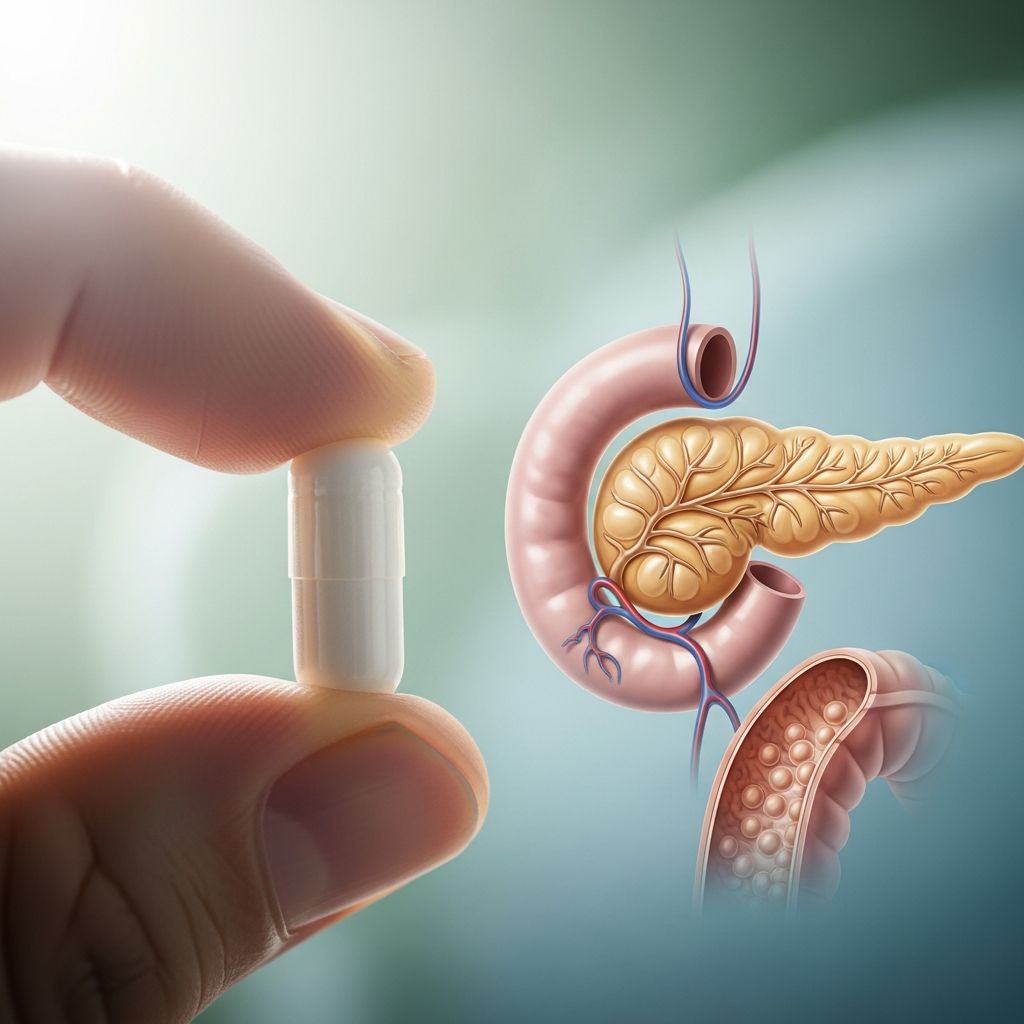
Pancreatic enzyme replacement therapy (PERT) provides essential digestive support for individuals with pancreatic exocrine insufficiency (PEI), a condition where the pancreas fails to produce adequate enzymes for breaking down food. This therapy restores digestion of fats, proteins, and carbohydrates, alleviating symptoms like weight loss and malnutrition.
Understanding the Role of Pancreatic Enzymes in Digestion
The pancreas plays a critical role in digestion by secreting enzymes into the small intestine. These enzymes include lipase for fats, protease for proteins, and amylase for carbohydrates. A healthy pancreas releases about 8 cups of enzyme-rich juice daily into the duodenum to neutralize stomach acid and facilitate nutrient absorption.
- Lipase: Breaks down dietary fats into absorbable fatty acids and glycerol, preventing steatorrhea (oily stools).
- Protease: Degrades proteins into amino acids, supporting muscle repair and immune function while reducing infection risks from undigested particles.
- Amylase: Converts starches into simple sugars, aiding energy production and averting diarrhea from undigested carbs.
When enzyme production drops by over 90%, maldigestion occurs, leading to nutrient deficiencies and health complications. PERT mimics natural pancreatic function using supplements containing these enzymes.
Primary Causes of Pancreatic Exocrine Insufficiency
PEI arises from various conditions impairing enzyme synthesis, secretion, or activation. Common culprits include chronic diseases affecting pancreatic tissue or ducts.
| Condition | Prevalence in PEI | Mechanism |
|---|---|---|
| Chronic Pancreatitis | High in adults | Progressive inflammation destroys enzyme-producing cells |
| Cystic Fibrosis | 80% of patients | CFTR gene mutations block enzyme ducts |
| Pancreatic Cancer | Common in adults | Tumors obstruct ducts and damage tissue |
| Pancreatectomy | Post-surgery | Surgical removal reduces enzyme output |
Other factors like ductal obstruction or reduced stimulation from hormones such as secretin and cholecystokinin exacerbate PEI. Early diagnosis via fecal elastase-1 testing is vital.
Recognizing Symptoms of Enzyme Deficiency
Symptoms often develop subtly, progressing to severe indicators. Mild cases present bloating, flatulence, and cramping, while advanced PEI causes steatorrhea—pale, greasy, foul-smelling stools that float and resist flushing.
- Abdominal discomfort and increased gas production.
- Unexplained weight loss despite normal eating.
- Vitamin deficiencies affecting bones and immunity.
- Fluctuating blood glucose, potentially unmasking diabetes.
These signs signal the need for PERT to prevent long-term malnutrition.
Initiating and Optimizing PERT Dosing
PERT dosing is individualized, starting with 30,000–40,000 lipase units per main meal and 15,000–20,000 for snacks. Enzymes must be taken throughout meals in divided doses to match food intake.
Higher-strength capsules minimize pill burden for intensive needs. Factors influencing efficacy include residual pancreatic function, meal composition, and gut anatomy. Acid-suppressing drugs like proton pump inhibitors may enhance enzyme activity by preventing gastric degradation.
Monitor response through symptom relief: firmer stools, reduced oiliness, weight stabilization, and improved energy. Adjustments by healthcare providers ensure optimal nutrition without excess dosing, especially in cystic fibrosis where limits prevent fibrosing colonopathy (<10,000 units/kg/day).
Benefits of PERT Across Conditions
PERT significantly enhances quality of life. In chronic pancreatitis, it reduces steatorrhea, normalizes fat intake, and promotes weight gain. Pancreatic cancer patients experience better symptom control, potentially extending survival.
Related Stories



“Pancreatic enzyme supplementation can dramatically improve health, well-being, and treatment tolerance.”
For cystic fibrosis, early intervention curbs malabsorption in most cases. Overall, PERT supports nutrient uptake, averts deficiencies, and restores dietary freedom.
Practical Tips for Daily PERT Management
Incorporate PERT seamlessly into routines:
- Swallow capsules whole with meals; avoid crushing unless specified.
- Pair with protein-rich, fatty foods for best results.
- Track symptoms in a journal to guide dose tweaks.
- Consult dietitians for nutritional planning.
No dietary overhauls are needed; enzymes adapt to intake. Patients post-pancreatectomy or with tumors benefit from consistent use.
Potential Side Effects and Safety Measures
PERT is generally safe with low adverse event rates. Rare issues include constipation from overdosing or allergic reactions. High doses in children risk bowel strictures, necessitating vigilance.
Monitor blood sugar, as improved carb digestion may elevate glucose, requiring diabetes management adjustments. Regular check-ups ensure safe, lifelong therapy where needed.
Diagnostic Approaches for PEI
Fecal elastase-1 testing offers a non-invasive diagnosis. Clinical history, stool analysis, and imaging confirm causes. Trial PERT responses further validate therapy suitability.
Long-Term Outlook with PERT
Indefinite use sustains health in progressive conditions like chronic pancreatitis. Combined with nutrition counseling, PERT empowers patients to thrive despite pancreatic challenges.
Frequently Asked Questions
What if I forget a dose?
Take with the next meal; do not double up. Consistent timing maximizes benefits.
Can PERT cure PEI?
No, it manages symptoms by replacing enzymes; underlying conditions require separate treatment.
Are there dietary restrictions?
None specific to PERT; focus on balanced, nutrient-dense meals.
How soon do effects appear?
Improvements in stools and energy often occur within days to weeks.
Is PERT safe for all ages?
Yes, with age- and weight-adjusted dosing.
References
- Pancreatic Enzyme Replacement Therapy: A Concise Review — de la Iglesia D et al. 2019-11-11. https://pmc.ncbi.nlm.nih.gov/articles/PMC6858980/
- Pancreatic Enzymes and Supplements — Pancreatic Cancer Action Network. 2023. https://pancan.org/facing-pancreatic-cancer/living-with-pancreatic-cancer/diet-and-nutrition/pancreatic-enzymes/
- Pancreatic Enzymes Explained — Let’s Win Pancreatic Cancer. 2023. https://letswinpc.org/disease-management/diet/pancreatic-enzymes-explained/
- Pancreatic Enzyme Replacement Therapy (PERT) for Pancreatic Insufficiency — Cambridge University Hospitals NHS. 2023. https://www.cuh.nhs.uk/patient-information/information-for-people-taking-pancreatic-enzymes-for-pancreatic-insufficiency/
- Pancreatic Enzyme Replacement Therapy (PERT) — OncoLink. 2023. https://www.oncolink.org/support/nutrition-and-cancer/during-and-after-treatment/pancreatic-enzyme-replacement-therapy-pert
Similar Articles








Read full bio of Sneha Tete