Pancreatic Pseudocysts: Causes, Symptoms & Treatment
Understanding pancreatic pseudocysts: diagnosis, complications, and effective treatment options.
Understanding Pancreatic Pseudocysts
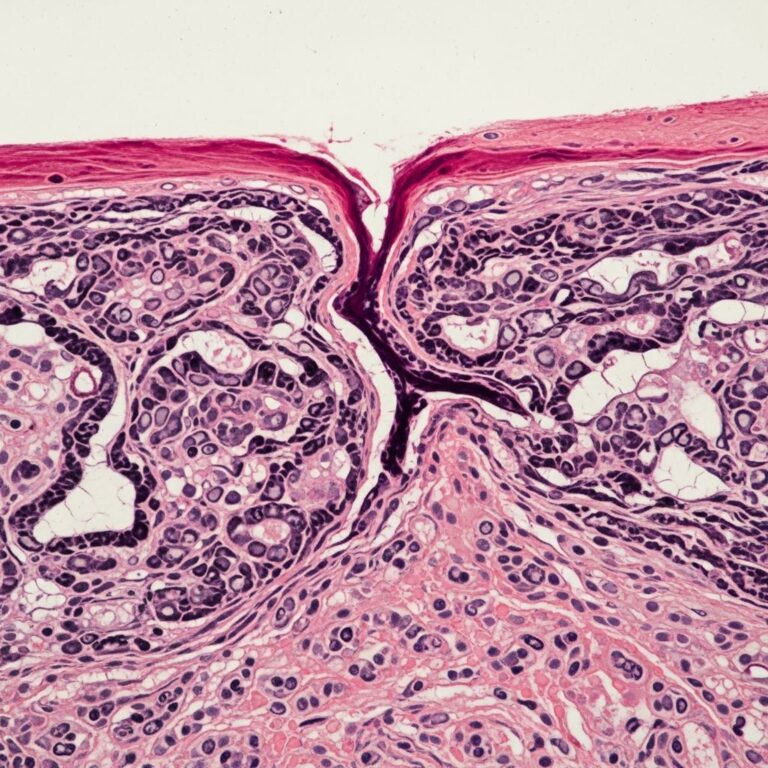
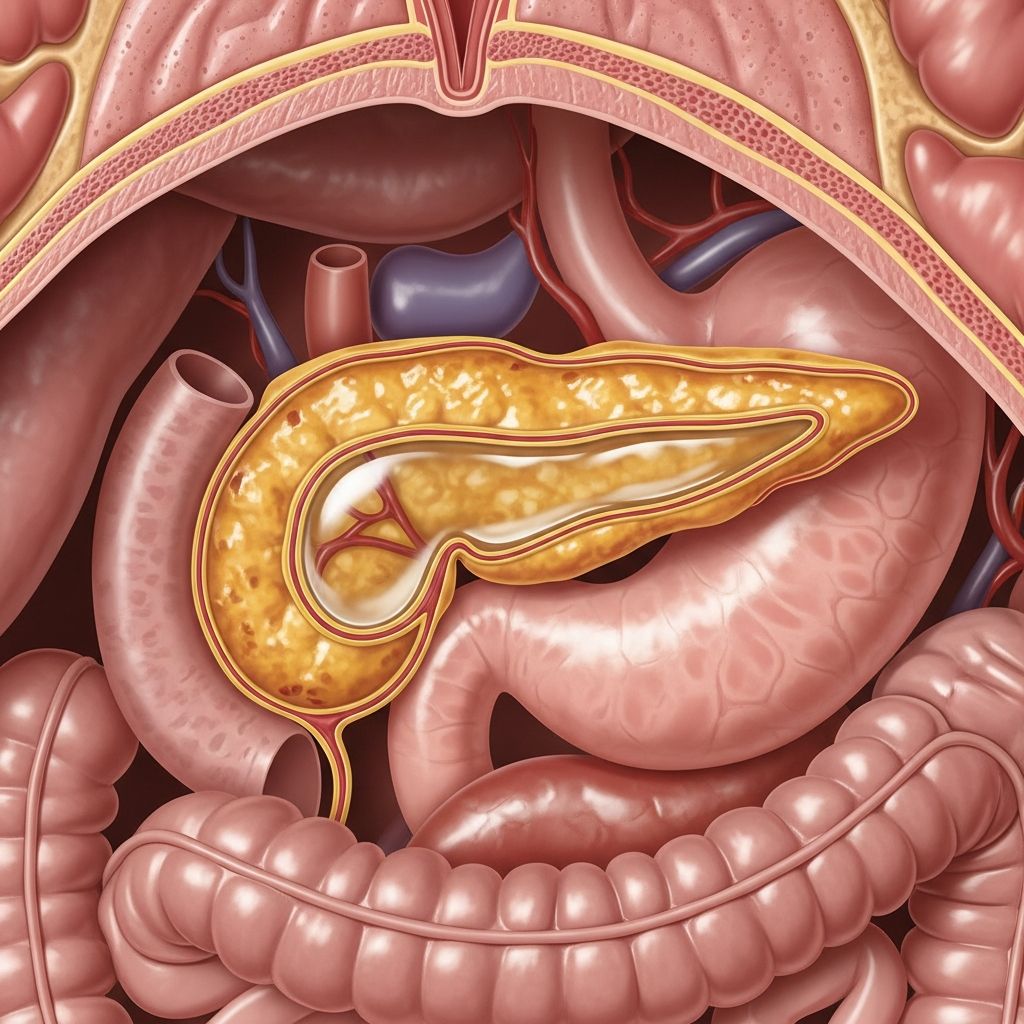
Pancreatic pseudocysts represent the most common type of pancreatic cyst, accounting for approximately 75% of all pancreatic cystic lesions. These fluid-filled sacs develop in the pancreas following episodes of acute or chronic pancreatitis. Unlike true cysts that have an epithelial lining, pseudocysts are surrounded by a wall of inflammatory and fibrous tissue without an epithelial lining, which is a key distinguishing feature in their pathology.
The condition is also referred to as postnecrotic pseudocysts because they develop as a result of extensive confluent autodigestive tissue necrosis caused by alcoholic, biliary, or traumatic acute pancreatitis. Understanding this condition is crucial for patients and healthcare providers, as early recognition and appropriate management can prevent serious complications.
What Are Pancreatic Pseudocysts?
A pancreatic pseudocyst is a type of pancreatic fluid collection (PFC) that develops when an intra- or extrapancreatic fluid collection becomes walled off following pancreatitis. The pseudocyst contains necrotic or hemorrhagic debris mixed with turbid fluid rich in pancreatic enzymes, particularly amylase. The characteristic high amylase levels within the cyst differentiate it from other pancreatic cystic lesions.
The wall structure of a pseudocyst consists of fibrin, granulation tissue, and loose fibrotic tissue. This unique composition without an epithelial lining distinguishes pseudocysts from other pancreatic cysts and neoplasms. Pseudocysts may sometimes communicate with the pancreatic duct system, adding complexity to their clinical presentation and management.
Causes and Risk Factors
Pancreatic pseudocysts develop primarily as complications of acute or chronic pancreatitis. The condition typically follows extensive pancreatic tissue necrosis caused by three main categories of pancreatitis:
- Alcoholic pancreatitis: Chronic alcohol consumption is a leading cause of pancreatitis that can result in pseudocyst formation. The incidence of pseudocysts following acute pancreatitis has been estimated at 2-3%, while they develop in up to 20% of cases of acute pancreatitis and 40% of chronic pancreatitis cases.
- Biliary pancreatitis: Gallstones and biliary tract complications can trigger acute pancreatitis leading to pseudocyst development.
- Traumatic pancreatitis: Pancreatic trauma, whether from abdominal injury or medical procedures, can initiate the inflammatory cascade resulting in pseudocyst formation.
Patient demographics show that pseudocysts are more common in men than in women, particularly those with a history of chronic pancreatitis and elevated serum amylase levels.
Symptoms of Pancreatic Pseudocysts
Many patients with small pseudocysts may experience no symptoms and can remain asymptomatic for extended periods. However, as pseudocysts grow larger or complications develop, patients typically experience one or more of the following symptoms:
- Persistent abdominal pain, particularly in the upper abdomen or left upper quadrant
- Nausea and vomiting
- Loss of appetite and unintended weight loss
- Bloating or feelings of fullness
- Fever, which may indicate infection
- Palpable abdominal mass in some cases
Related Stories



The severity of symptoms often correlates with the size of the pseudocyst and whether it is compressing adjacent structures or has become infected. Patients with a known history of pancreatitis who develop new or worsening abdominal symptoms should seek medical evaluation promptly.
Diagnostic Methods
Imaging Studies
Computed tomography (CT) and ultrasonography are usually effective in the diagnosis of pseudocysts and represent the primary imaging modalities. On plain CT imaging, pseudocysts appear as a collection of fluid with a thick, well-defined wall. Pseudocysts that do not appear homogenous or show an increase in attenuation may reveal hemorrhage or infection within the cyst.
Advanced imaging techniques such as endoscopic retrograde cholangiopancreatography (ERCP) and magnetic resonance cholangiopancreatography (MRCP) can be particularly useful as they can display the relationships between the pancreatic duct and the pseudocysts, providing crucial information for treatment planning.
Fluid Analysis
CT or ultrasonography-guided fine needle aspiration biopsy can be performed to analyze pseudocyst contents. The aspirated material characteristically consists of granular debris and lipid droplets with a few inflammatory cells such as neutrophils, macrophages, and plasma cells. The fluid from a pseudocyst characteristically has a high amylase level, which is a key diagnostic finding that helps differentiate pseudocysts from other pancreatic lesions.
Laboratory Tests
Serum amylase and lipase levels are typically elevated in patients with acute pancreatitis and pseudocysts. These elevated enzyme levels, combined with imaging findings and clinical history, support the diagnosis of pancreatic pseudocysts.
Differential Diagnosis
Several other pancreatic conditions can present with cystic lesions, making accurate differential diagnosis essential for appropriate treatment planning.
Mucinous Cystic Neoplasms
Both mucinous cystic neoplasms and pseudocysts can produce cystic masses with thick-walled large cysts; however, these two entities can be distinguished through careful clinical, gross, and microscopic analysis. Pseudocysts contain necrotic or hemorrhagic debris with high amylase levels, while mucinous cystic neoplasms contain tenacious mucoid material with amylase levels equal to or lower than the patient’s serum amylase level. Microscopically, pseudocysts lack an epithelial lining, whereas mucinous cystic neoplasms are lined by columnar mucin-containing epithelial cells. Additionally, mucinous cystic neoplasms predominantly occur in women, whereas pseudocysts occur more often in men with a history of pancreatitis.
Solid-Pseudopapillary Neoplasms
Solid-pseudopapillary neoplasms (SPN) can occasionally resemble pseudocysts in appearance, especially when they undergo cystic degeneration. However, histological features like pseudopapillary areas and characteristic microvasculature clearly differentiate these lesions from pseudocysts. The unique feature of solid-pseudopapillary neoplasms is the presence of tumor cells containing foamy cytoplasm with mesenchymal, endocrine, and epithelial differentiation. In difficult cases, immunostaining for CD10 and beta-catenin can help establish the correct diagnosis.
Serous Cystic Neoplasms
Serous cystic neoplasms differ from pseudocysts in that they develop independently of pancreatitis and have distinct pathological characteristics. These neoplasms have epithelial linings and different internal contents compared to pseudocysts.
Complications Associated with Pseudocysts
While many pseudocysts remain stable and asymptomatic, several serious complications can develop:
- Infection: Pseudocysts can become infected, leading to infected pseudocysts or pancreatic abscess, which presents with fever and requires urgent intervention.
- Rupture: A pseudocyst may rupture into the peritoneal cavity, causing peritonitis and potentially life-threatening complications.
- Hemorrhage: Erosion of the pseudocyst wall into adjacent blood vessels can cause internal bleeding.
- Obstruction: Large pseudocysts may compress the pancreatic duct, bile duct, or duodenum, causing obstruction and related complications.
- Fistula formation: Pseudocysts may develop connections with the gastrointestinal tract or other organs.
Treatment Options
Conservative Management
Many pseudocysts are managed conservatively, especially those that are asymptomatic or small in size. Conservative management includes close clinical and radiological follow-up to monitor for changes in size, symptoms, or complications. Many fluid collections related to acute pancreatitis tend to resolve spontaneously, though some may persist and develop into true pseudocysts requiring intervention.
Endoscopic Drainage
Endoscopic ultrasound (EUS)-guided drainage has become an increasingly popular minimally invasive approach for symptomatic pseudocysts. This technique allows for direct visualization and drainage of the pseudocyst contents through the gastrointestinal wall, with placement of stents if necessary to maintain drainage.
Percutaneous Drainage
For pseudocysts not accessible by endoscopic methods, percutaneous catheter drainage under CT or ultrasound guidance may be performed. This external drainage approach is particularly useful for infected pseudocysts or those in unusual locations.
Surgical Intervention
Surgical treatment such as internal drainage or cystogastrostomy may be considered for large pseudocysts, those causing significant obstruction, or when minimally invasive approaches have failed. Surgical options provide definitive treatment by creating a permanent communication between the pseudocyst and the gastrointestinal tract.
Prognosis and Long-term Outcomes
The natural history of pancreatic pseudocysts varies considerably among patients. Many pseudocysts remain stable without intervention, while others may gradually resolve or require treatment due to symptom development or complications. The course of the disease depends on factors such as the size of the pseudocyst, presence of symptoms, communication with the pancreatic duct, and occurrence of complications.
Long-term follow-up with periodic imaging is recommended to monitor pseudocysts, particularly those that are large or have additional risk factors for complications. Most treated pseudocysts respond well to intervention, though recurrence can occur in some cases.
Prevention
While pseudocysts develop as a result of pancreatitis, prevention strategies focus on reducing the risk of acute and chronic pancreatitis:
- Limiting alcohol consumption or abstaining from alcohol entirely
- Maintaining healthy dietary habits with adequate fat limitation
- Seeking prompt medical treatment for gallstone disease
- Avoiding medications known to trigger pancreatitis
- Managing metabolic risk factors such as hypertriglyceridemia
When to Seek Medical Attention
Patients should seek immediate medical attention if they experience sudden severe abdominal pain, persistent vomiting, fever combined with abdominal pain, or signs of shock. Additionally, individuals with a history of pancreatitis who develop new symptoms should consult their healthcare provider for evaluation.
Frequently Asked Questions
Q: What is the difference between a pseudocyst and a true pancreatic cyst?
A: The primary difference lies in the wall composition. Pseudocysts lack an epithelial lining and are surrounded by inflammatory and fibrous tissue, whereas true cystic neoplasms have an epithelial lining. Additionally, pseudocysts develop as a complication of pancreatitis, while true cysts may develop independently.
Q: Do all pseudocysts require treatment?
A: No, many small asymptomatic pseudocysts can be managed conservatively with careful monitoring. Treatment is typically recommended for symptomatic pseudocysts, those showing signs of complications, or those that continue to grow over time.
Q: How long does it take for a pseudocyst to develop after pancreatitis?
A: Pseudocysts can develop weeks to months after acute pancreatitis. The timeline varies among individuals, and close monitoring with imaging is important to detect their formation early.
Q: Can a pseudocyst become cancerous?
A: Pseudocysts themselves do not transform into cancer. However, distinguishing pseudocysts from other pancreatic cystic neoplasms requires careful diagnostic evaluation, as some other pancreatic cysts do have malignant potential.
Q: What is the success rate of endoscopic drainage for pseudocysts?
A: Endoscopic ultrasound-guided drainage has become increasingly successful for treating pseudocysts with high clinical success rates, though outcomes may vary based on individual factors and pseudocyst characteristics.
Q: Is lifestyle modification necessary after pseudocyst diagnosis?
A: Yes, lifestyle modifications are important to prevent recurrent pancreatitis and pseudocyst formation. This includes limiting or eliminating alcohol consumption, maintaining a healthy diet, and managing underlying metabolic conditions.
References
- Pancreatic Cysts – Pancreatic Cancer — Johns Hopkins Pathology. 2024. https://pathology.jhu.edu/pancreas/ipmn/pancreas-cysts
- Clinical Outcomes of EUS-Guided Drainage of Debris-Containing Pancreatic Pseudocysts — National Center for Biotechnology Information. 2017. https://pmc.ncbi.nlm.nih.gov/articles/PMC5305425/
- Intrahepatic Pancreatic Pseudocyst: A Review of the World Literature — Johns Hopkins University. 2023. https://pure.johnshopkins.edu/en/publications/intrahepatic-pancreatic-pseudocyst-a-review-of-the-world-literatu/
- The Natural History of Pancreatic Pseudocysts Documented by Computed Tomography — Johns Hopkins University. 2020. https://pure.johnshopkins.edu/en/publications/the-natural-history-of-pancreatic-pseudocysts-documented-by-compu-4/
- Pancreatitis and Pancreatic Disease — Johns Hopkins Medicine. 2024. https://www.hopkinsmedicine.org/health/conditions-and-diseases/pancreatitis
Similar Articles








Read full bio of Sneha Tete