Pancreatitis: Causes, Symptoms, Diagnosis, and Treatment
Complete guide to understanding pancreatitis: acute and chronic forms, risk factors, and management.
Understanding Pancreatitis: A Complete Medical Guide
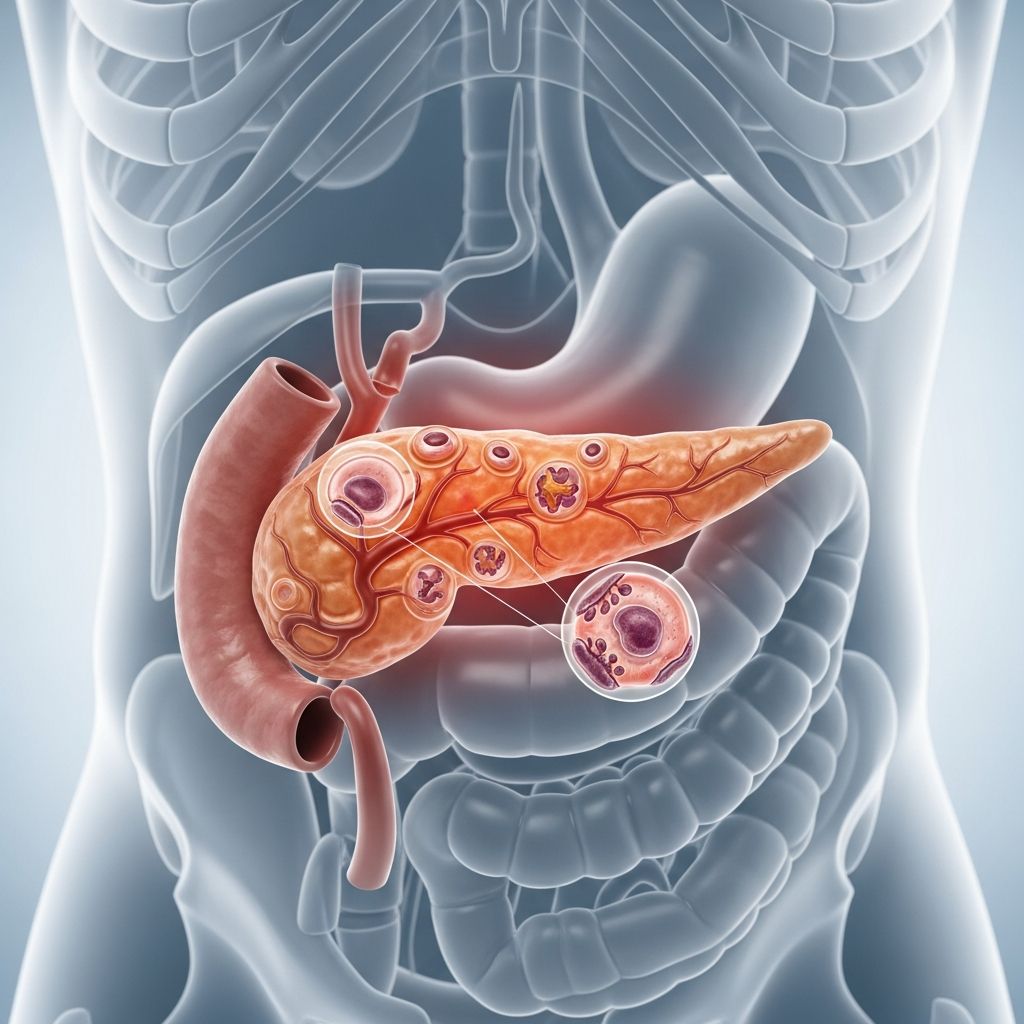
Pancreatitis refers to inflammation of the pancreas, an essential gland located deep within the abdomen that plays a vital role in both digestion and blood sugar regulation. The pancreas is positioned between the stomach and spine, with part of it nestled in the curve of the duodenum, the first part of the small intestine. This condition can present in two primary forms: acute pancreatitis, which develops suddenly, and chronic pancreatitis, which develops gradually over time. Understanding the differences between these two types, their causes, symptoms, and treatment options is crucial for managing pancreatic health effectively.
What is the Pancreas?
The pancreas serves two critical functions in the body. First, it is an integral part of the digestive system, producing enzymes that break down food in the small intestine. Second, it acts as an endocrine gland, producing hormones like insulin that regulate blood sugar levels. The pancreas produces pancreatic fluid containing digestive enzymes, which flows through the main pancreatic duct—approximately one-sixteenth of an inch in diameter—with many small side branches throughout the gland. When the pancreas becomes inflamed, these vital functions can be significantly compromised, leading to serious health complications.
Types of Pancreatitis
Acute Pancreatitis
Acute pancreatitis is a sudden inflammation of the pancreas that typically catches people off guard and is most commonly manifested by severe abdominal pain requiring immediate medical attention. This form develops rapidly and is characterized by sudden onset symptoms. Patients with acute pancreatitis typically present to emergency rooms, where diagnosis is based on simple blood tests and sometimes a CT scan of the abdomen. The condition usually responds well to conservative measures, distinguishing it from its chronic counterpart. Treatment typically involves admission to the hospital, where patients are kept nothing by mouth, given intravenous fluids, and administered pain medication. Most cases of acute pancreatitis resolve completely with these interventions, and patients can recover fully.
Chronic Pancreatitis
Chronic pancreatitis is a long-standing inflammatory disorder of the pancreas that results in gradual and progressive fibrosis, or scarring, of the gland. Unlike acute pancreatitis, which develops suddenly and resolves, chronic pancreatitis represents a progressive disease that develops over an extended period, often resulting from repeated bouts of acute pancreatitis. This condition ultimately leads to three common complications: chronic abdominal pain, exocrine insufficiency, and endocrine insufficiency. Chronic abdominal pain is the primary reason patients seek medical attention, though in later stages of the disease, additional complications become apparent and require ongoing management.
Autoimmune Pancreatitis
While not a primary pathologic form, autoimmune pancreatitis represents an important variant where the body’s immune system attacks the pancreas itself. This condition can lead to both acute inflammation and, over time, the progressive changes associated with chronic pancreatitis. Autoimmune pancreatitis requires specialized diagnosis and management distinct from other pancreatic inflammatory conditions.
Causes of Pancreatitis
The etiology of pancreatitis is diverse, with different causes contributing to acute versus chronic presentations. Understanding the underlying cause is essential for appropriate treatment and prevention of recurrence.
Common Causes of Acute Pancreatitis
The most frequent causes of pancreatitis are noninfectious in nature. Gallstones represent the leading cause, responsible for a significant percentage of acute pancreatitis cases, particularly in women. Alcohol consumption is the second most common cause, especially with heavy or prolonged use. Additional common causes include hypercalcemia, certain medications that can trigger pancreatic inflammation, abdominal trauma, and various infections. The identification of the causative factor is important for preventing recurrent episodes.
Related Stories



Infectious Causes
While less common than gallstones and alcohol, infectious agents can trigger pancreatitis through various mechanisms. Viral causes include mumps, Coxsackie virus and other enteroviruses, cytomegalovirus, varicella-zoster virus, herpes simplex virus, acute HIV infection, hepatitis B, and SARS-coronavirus-2. Bacterial infections associated with pancreatitis include Mycoplasma species, Legionella, Leptospira, and Salmonella species. Fungal causes, though rare, may include Cryptococcus in immunocompromised patients, Pneumocystis jirovecii pneumonia, and Aspergillus. Parasitic infections such as those caused by Toxoplasma gondii, Cryptosporidia, Ascaris, Strongyloides, and Clonorchis can also precipitate pancreatic inflammation.
Signs and Symptoms
The clinical presentation of pancreatitis varies depending on the type and severity of the condition. Recognizing these symptoms is critical for seeking appropriate medical care.
Acute Pancreatitis Symptoms
The hallmark symptom of acute pancreatitis is severe upper abdominal pain that often radiates to the back. Patients frequently experience nausea and vomiting, which may prevent adequate oral intake. Associated symptoms can include fever, elevated heart rate (tachycardia), abdominal distention, epigastric tenderness, and abdominal guarding. The pain typically develops suddenly and is severe enough to warrant emergency medical evaluation. Some patients may also exhibit shallow breathing or other signs of systemic involvement.
Chronic Pancreatitis Symptoms
Chronic pancreatitis presents with a different symptom profile that evolves over time. Chronic abdominal pain is the primary complaint, though this pain differs from acute pancreatitis in that it persists and may fluctuate in intensity. As the disease progresses, exocrine insufficiency manifests as voluminous diarrhea due to impaired fat digestion and absorption. Endocrine insufficiency commonly develops as diabetes, reflecting the pancreas’s inability to produce adequate insulin. Patients may also experience weight loss, fatty stools, and nutritional deficiencies.
Diagnosis of Pancreatitis
Accurate diagnosis requires a systematic approach combining clinical evaluation with appropriate testing modalities.
Acute Pancreatitis Diagnosis
Diagnosis of acute pancreatitis relies primarily on blood tests that measure pancreatic enzymes, particularly amylase and lipase, which become elevated during acute inflammation. A CT scan of the abdomen is often performed to confirm the diagnosis and assess the severity of pancreatic inflammation and any associated complications. These imaging studies can reveal the extent of inflammation and help identify the underlying cause, such as gallstones.
Chronic Pancreatitis Diagnosis
Diagnosing chronic pancreatitis involves a combination of testing modalities. The diagnostic approach includes careful clinical history taking combined with various objective tests. Physicians may employ blood tests to assess pancreatic function and enzyme levels, stool tests to evaluate fat absorption and pancreatic sufficiency, and imaging studies including ultrasound, CT, and MRI to visualize pancreatic architecture and identify fibrosis. Endoscopic procedures, including endoscopic retrograde cholangiopancreatography (ERCP) and endoscopic ultrasound (EUS), may be employed for more detailed assessment. Diagnosing moderate or severe chronic pancreatitis is relatively straightforward, as imaging typically reveals characteristic changes in the gland. However, early or mild stages of the disease present greater diagnostic difficulty. Patients with chronic abdominal pain suggestive of early chronic pancreatitis are often best served by referral to tertiary care centers where complex testing and specialized evaluation can determine whether mild or early chronic pancreatitis is actually present.
Treatment Options
Acute Pancreatitis Management
Treatment of acute pancreatitis is primarily supportive and aimed at allowing the pancreas to rest and recover. Hospitalization is typically required, with patients kept nothing by mouth to minimize pancreatic stimulation. Intravenous fluids are administered to maintain hydration and electrolyte balance. Pain management is a critical component of care, with narcotic analgesics often necessary to control severe pain. As the acute inflammation resolves, patients gradually resume oral intake, beginning with clear liquids and advancing to regular diet as tolerated. Most cases resolve completely with these conservative measures over several days to weeks.
Chronic Pancreatitis Management
Treatment of chronic pancreatitis is more complex and multifaceted, addressing both the underlying inflammation and the resulting complications. Pain management is often challenging and may require narcotic analgesics for adequate control. Pancreatic enzyme supplementation is frequently necessary to address exocrine insufficiency, improving fat digestion and absorption, which reduces diarrhea and improves nutritional status. For patients who develop diabetes from endocrine insufficiency, insulin or other glucose-lowering medications become necessary. Dietary modifications, including a low-fat diet, are often recommended. Treatment of any underlying causes, such as alcohol cessation programs for alcohol-related pancreatitis, is essential. In some cases, endoscopic or surgical interventions may be necessary to relieve ductal obstruction or manage complications.
Complications of Pancreatitis
Both acute and chronic pancreatitis can lead to serious complications. Acute pancreatitis may result in pancreatic necrosis, where portions of the pancreas die, potentially leading to infection and systemic complications. Chronic pancreatitis can progress to pancreatic insufficiency, malnutrition, pancreatic cancer, and chronic kidney disease. Diabetes is a common complication of chronic pancreatitis, requiring ongoing management.
Risk Factors and Prevention
Understanding risk factors is important for prevention strategies. Gallstone disease, particularly in women, represents a significant risk factor for acute pancreatitis. Heavy alcohol consumption is a major modifiable risk factor for both acute and chronic pancreatitis. Certain genetic conditions increase pancreatitis risk. Smoking, obesity, and high triglycerides also contribute to disease development. Prevention focuses on addressing modifiable risk factors, maintaining healthy weight, limiting alcohol consumption, and managing metabolic conditions.
When to Seek Medical Care
Severe upper abdominal pain, especially when accompanied by nausea, vomiting, and fever, warrants immediate emergency medical evaluation. Any persistent abdominal pain or digestive symptoms should be evaluated by a healthcare provider. Patients with known pancreatitis who develop worsening symptoms require urgent assessment.
Frequently Asked Questions About Pancreatitis
Q: What is the difference between acute and chronic pancreatitis?
A: Acute pancreatitis develops suddenly with severe symptoms that typically resolve with treatment within days to weeks. Chronic pancreatitis develops gradually over years and is a progressive condition resulting in permanent pancreatic damage and long-term complications including persistent pain, digestive problems, and diabetes.
Q: Can pancreatitis be cured?
A: Acute pancreatitis can resolve completely with appropriate treatment. Chronic pancreatitis cannot be cured but can be managed to relieve symptoms and prevent complications through medical therapy, dietary modifications, and sometimes surgical interventions.
Q: Is pancreatitis life-threatening?
A: Acute pancreatitis can be life-threatening if severe, particularly if it leads to pancreatic necrosis or systemic complications. Chronic pancreatitis, while serious and requiring ongoing management, has a better prognosis but can significantly impact quality of life.
Q: What dietary changes help with pancreatitis?
A: A low-fat diet is typically recommended for pancreatitis patients, as fat stimulates pancreatic enzyme production. Patients should avoid alcohol completely and eat frequent, small meals rather than large ones. Specific dietary recommendations should be individualized based on disease severity.
Q: How is infected pancreatic necrosis treated?
A: Infected pancreatic necrosis usually requires aggressive antibiotic therapy targeting bowel flora organisms, including gram-negative bacteria, gram-positive bacteria, and anaerobes. In some cases, interventional drainage or surgical debridement may be necessary.
Q: Can I prevent pancreatitis?
A: While not all causes are preventable, you can reduce risk by limiting alcohol consumption, maintaining a healthy weight, managing gallstone disease, controlling triglycerides, avoiding smoking, and seeking prompt treatment for infections that could affect the pancreas.
References
- Pancreatitis and Infected Pancreatic Necrosis — Johns Hopkins ABX Guide, The Johns Hopkins University. 2023-02-17. https://www.hopkinsguides.com/hopkins/view/Johns_Hopkins_ABX_Guide/540414/all/Pancreatitis_and_Infected_Pancreatic_Necrosis
- What is Pancreatitis? | Q&A — Johns Hopkins Medicine, Vikesh Singh, MD. 2011-10-07. https://www.youtube.com/watch?v=3Aqu9o356DA
- Pancreatitis — Johns Hopkins Diabetes Guide. 2015-05-09. https://www.hopkinsguides.com/hopkins/view/Johns_Hopkins_Diabetes_Guide/547113/all/Pancreatitis
- Pancreas Basics — Johns Hopkins Pathology. https://pathology.jhu.edu/pancreas/basics
- Guidance from a multidisciplinary chronic pancreatitis working group — Johns Hopkins University, Academic Pancreas Centers of Excellence. https://pure.johnshopkins.edu/en/publications/academic-pancreas-centers-of-excellence-guidance-from-a-multidisc/
Similar Articles








Read full bio of Sneha Tete