Pancreatitis Overview: Causes, Symptoms, and Treatment
Understanding acute and chronic pancreatitis: symptoms, causes, diagnosis, and evidence-based treatment options.
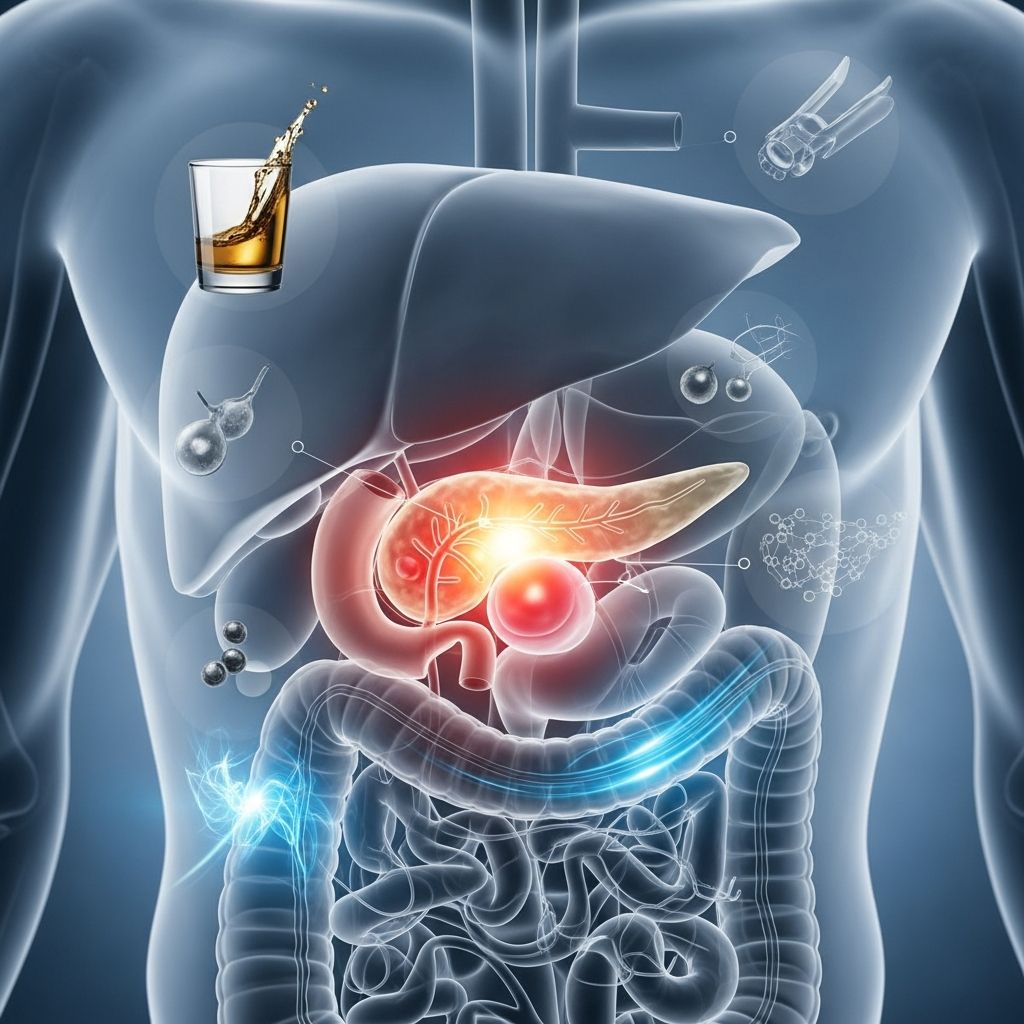
What Is Pancreatitis?
Pancreatitis is an inflammatory condition affecting the pancreas, a vital organ located in the middle of the abdomen behind the stomach. This condition occurs when the pancreas becomes injured and inflamed, triggering an immune response that can range from mild to severe. The pancreas plays a crucial role in digestion and blood sugar regulation, producing digestive enzymes and hormones like insulin. When inflammation occurs, these functions become compromised, leading to various health complications.
Pancreatitis can be classified into two primary forms: acute and chronic. Acute pancreatitis is a temporary condition that develops suddenly, while chronic pancreatitis is a long-term, progressive condition that persists over time. In the United States, acute pancreatitis accounts for more than 275,000 hospital admissions annually, making it the leading cause of hospitalization for gastrointestinal disease. Understanding the differences between these types and recognizing early symptoms is essential for timely treatment and preventing serious complications.
Types of Pancreatitis
Acute Pancreatitis
Acute pancreatitis is a temporary inflammatory condition of the pancreas that develops suddenly. Most people with acute pancreatitis will recover completely within a few days with appropriate supportive care, including rest, hydration, and pain management. However, approximately 20% of acute pancreatitis cases are classified as severe and can lead to serious, potentially life-threatening health complications.
The clinical course of acute pancreatitis varies significantly among patients. Some individuals experience mild, self-limited inflammation that resolves without intervention, while others develop severe disease with necrosis, systemic inflammatory response syndrome, and multiorgan dysfunction. The severity depends on numerous factors, including the underlying cause, patient age, and overall health status. In severe cases, the inflammatory cascade can trigger widespread tissue damage and organ failure requiring intensive medical intervention.
Chronic Pancreatitis
Chronic pancreatitis is a long-term, progressive condition that does not resolve on its own and worsens over time. This condition develops when the injury or damage to the pancreas continues without stopping, causing constant inflammation that leads to scarring of pancreatic tissues, a process called fibrosis. Unlike acute pancreatitis, chronic pancreatitis causes lasting structural damage to the pancreas, eventually impairing its ability to produce digestive enzymes and hormones.
Chronic pancreatitis is less common than acute pancreatitis, accounting for approximately 86,000 hospital stays per year in the United States. While chronic pancreatitis develops more slowly than acute pancreatitis, it can significantly impact quality of life over many years. The progressive nature of this condition means that complications develop gradually and may include digestive difficulties, malabsorption of nutrients, and metabolic abnormalities. Repeated episodes of acute pancreatitis can eventually lead to chronic pancreatitis if the underlying cause is not addressed.
Causes of Pancreatitis
Pancreatitis results from various triggering factors that injure the pancreas and initiate inflammation. The two most common causes together account for approximately 80% of all pancreatitis cases.
Gallstones
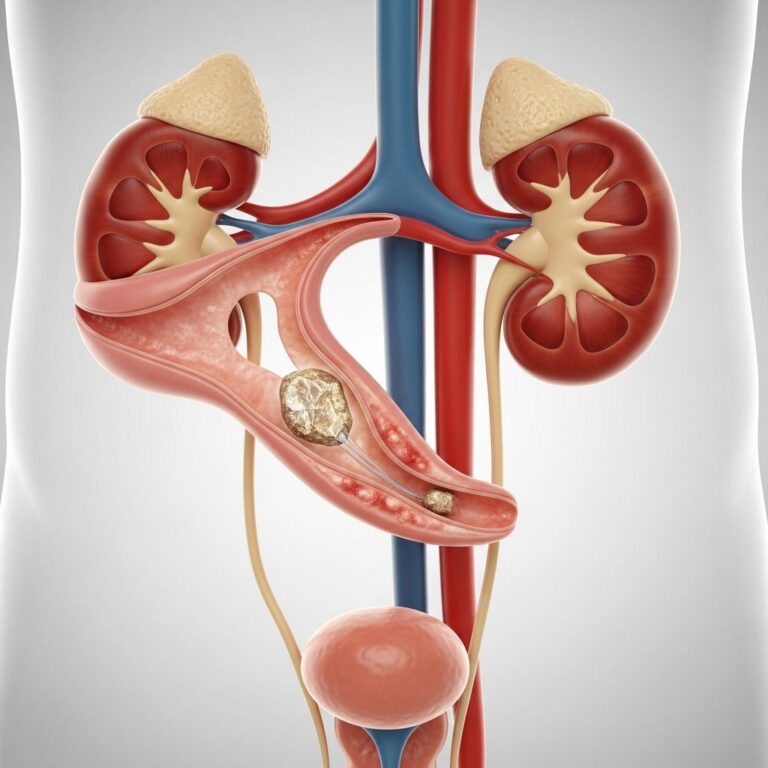
Gallstone-related pancreatitis occurs when a gallstone migrates into the common bile duct and becomes lodged at the junction where the bile duct and pancreatic duct meet. This obstruction temporarily blocks the drainage of pancreatic juice from the pancreatic duct, trapping digestive enzymes within the pancreas. As pressure accumulates behind the blockage, the trapped enzymes become activated and begin digesting the pancreatic tissue itself, triggering an inflammatory response known as gallstone pancreatitis.
Related Stories



Alcohol Use
Chronic alcohol consumption is a significant risk factor for pancreatitis, particularly for chronic pancreatitis development. Alcohol directly damages pancreatic acinar cells and can cause recurring episodes of acute pancreatitis. With repeated alcohol-related injury, the pancreas becomes increasingly scarred and fibrotic, eventually progressing to chronic pancreatitis. In alcohol-induced pancreatitis, pain onset may develop more gradually and with less specific localization compared to other causes.
Other Causes
Additional causes of pancreatitis together account for approximately 20% of cases and include:
- Certain medications (such as diuretics, corticosteroids, and some antibiotics)
- Endoscopic retrograde cholangiopancreatography (ERCP) procedures
- Elevated triglyceride levels (hypertriglyceridemia)
- Abdominal trauma or injury
- Genetic mutations predisposing to pancreatitis
- Metabolic abnormalities and endocrine disorders
- Autoimmune conditions affecting the pancreas
In some cases, the underlying cause remains unidentified despite thorough investigation. Occasionally, no specific cause can be determined, classified as idiopathic pancreatitis.
Symptoms of Pancreatitis
Common Symptoms
The primary symptom of pancreatitis is abdominal pain. This pain is typically moderate to severe, often described as deep, burning, or stabbing in character, and frequently radiates to the back. The onset of pain in acute pancreatitis is usually sudden, although in alcohol-induced cases, pain may develop more gradually.
Additional symptoms accompanying the abdominal pain include:
- Nausea and vomiting
- Loss of appetite (anorexia)
- Fever and malaise (in severe cases)
- Hemodynamic instability (in severe cases)
- Abdominal tenderness to touch
Acute Pancreatitis Symptoms
Acute pancreatitis typically presents with more severe, penetrating abdominal pain compared to chronic forms. The pain onset is characteristically sudden, and patients often require hospitalization for pain management and supportive care. Associated symptoms develop rapidly and may include significant nausea and vomiting, which can contribute to dehydration if not promptly addressed.
Chronic Pancreatitis Symptoms
Chronic pancreatitis presents with different pain characteristics than acute pancreatitis. The pain may vary in intensity, coming and going but typically never completely resolving. Many patients notice pain intensifies after eating. For some individuals, the pain becomes constant and significantly impacts daily functioning.
As chronic pancreatitis progresses and begins to affect pancreatic function, symptoms related to digestive breakdown become apparent. When the pancreas can no longer produce and deliver adequate digestive enzymes, the body cannot properly break down and absorb nutrients from food. This manifests as:
- Discomfort after eating
- Undigested fats in stool
- Progressive weight loss
- Nutritional deficiencies
How Pancreatitis Is Diagnosed
Healthcare providers diagnose pancreatitis through a combination of clinical evaluation, laboratory tests, and imaging studies. The diagnostic approach helps confirm inflammation and determine severity.
Blood Tests
Blood tests are the primary laboratory method for diagnosing pancreatitis. Providers test for elevated levels of pancreatic enzymes, specifically amylase and lipase, in the bloodstream. If enzyme levels are at least three times higher than normal, pancreatitis is suspected. These elevated enzyme levels indicate pancreatic damage and inflammation, providing key diagnostic evidence.
Imaging Tests
To confirm pancreatitis diagnosis and assess severity, healthcare providers order cross-sectional imaging tests such as CT scans or MRI studies. These imaging modalities can reveal:
- Pancreatic swelling and enlargement
- Fluid accumulation within and around the pancreas
- Evidence of necrosis (tissue death)
- Hemorrhage within pancreatic tissue
- Other structural abnormalities
Imaging is particularly important in severe cases to identify complications and guide treatment decisions.
Understanding Pancreatic Inflammation
The Inflammatory Process
The pathophysiology of acute pancreatitis involves a complex cascade beginning with premature activation of digestive enzymes, particularly trypsin, within pancreatic acinar cells rather than in the intestinal lumen where they normally activate. Under normal conditions, pancreatic enzymes are synthesized as inactive precursors called zymogens and activate only after entering the small intestine.
When premature enzyme activation occurs, these enzymes destroy pancreatic tissue and cause peripancreatic fat necrosis, releasing damage-associated molecular patterns (DAMPs). These DAMPs trigger a robust inflammatory response by stimulating cytokine release and recruiting immune cells including neutrophils and monocytes. The inflammatory cascade causes endothelial injury, increased vascular permeability, and microvascular thrombosis, driving systemic complications including systemic inflammatory response syndrome and multiorgan dysfunction syndrome.
Morphologic Subtypes
The Revised Atlanta Classification provides standardized terminology for describing pancreatitis severity. Interstitial edematous pancreatitis involves inflammation of pancreatic tissue and surrounding tissues without necrosis and is more common and generally less severe. Necrotizing pancreatitis, involving varying degrees of pancreatic tissue death, is associated with higher risks of complications and poorer outcomes.
Complications of Pancreatitis
Acute Pancreatitis Complications
While most acute pancreatitis cases do not develop complications, approximately 1 in 5 cases becomes severe with serious potential consequences. Severe acute pancreatitis can lead to life-threatening complications including:
- Multiorgan dysfunction and failure
- Systemic inflammatory response syndrome
- Pancreatic necrosis with infection
- Acute respiratory distress syndrome
- Acute kidney injury
- Sepsis and shock
- Death in severe cases
Chronic Pancreatitis Complications
Chronic pancreatitis complications develop slowly over time and include:
- Pancreatic insufficiency affecting digestion
- Diabetes mellitus from hormone-producing cell damage
- Malabsorption of nutrients
- Pancreatic cancer risk increase
- Bile duct obstruction
While chronic pancreatitis complications are not directly life-threatening like acute pancreatitis, they are manageable with appropriate medical treatment.
Treatment Approaches
Acute Pancreatitis Management
Management of acute pancreatitis focuses on supportive care and addressing the underlying cause to prevent recurrence. Primary treatment components include:
- Fluid resuscitation to maintain hydration and organ perfusion
- Adequate pain control
- Nutritional support through appropriate feeding
- Treatment of the underlying cause (gallstone removal, medication discontinuation)
- Monitoring for complications requiring intensive care
Chronic Pancreatitis Management
Chronic pancreatitis treatment focuses on managing pain, improving pancreatic function, and preventing complications. This may include pancreatic enzyme replacement therapy to improve digestion, nutritional supplementation, treatment of diabetes if present, and management of the underlying cause such as alcohol cessation programs.
Frequently Asked Questions About Pancreatitis
Q: How long does acute pancreatitis last?
A: Most cases of acute pancreatitis resolve within a few days with appropriate supportive care including rest, hydration, and pain relief. However, severe cases may require prolonged hospitalization and can lead to complications.
Q: Can pancreatitis be prevented?
A: While not all pancreatitis cases are preventable, risk can be reduced by limiting alcohol consumption, maintaining healthy weight, managing triglyceride levels, and avoiding known medication triggers.
Q: Is pancreatitis fatal?
A: Most acute pancreatitis cases are not fatal, with approximately 80% being mild. However, severe acute pancreatitis (about 20% of cases) can be life-threatening if complications develop. Chronic pancreatitis is generally not directly fatal but significantly impacts quality of life.
Q: What foods should I avoid with pancreatitis?
A: During acute pancreatitis, healthcare providers typically recommend fasting initially, then gradually introducing easily digestible foods. With chronic pancreatitis, avoid high-fat foods, alcohol, and caffeine, which may trigger symptoms.
Q: When should I see a doctor?
A: Seek immediate medical attention for severe abdominal pain, persistent vomiting, fever, or signs of shock. Any suspected pancreatitis requires professional medical evaluation and diagnosis.
References
- Acute Pancreatitis — National Center for Biotechnology Information (NCBI), National Institutes of Health. 2024. https://www.ncbi.nlm.nih.gov/books/NBK482468/
- Pancreatitis: Symptoms, Causes & Treatment — Cleveland Clinic. 2025. https://my.clevelandclinic.org/health/diseases/8103-pancreatitis
Similar Articles








Read full bio of Sneha Tete