Pancytopenia: Symptoms, Causes, Treatment
Comprehensive guide to pancytopenia: Understand symptoms, causes, diagnosis, treatment options, and prognosis for this serious blood disorder.
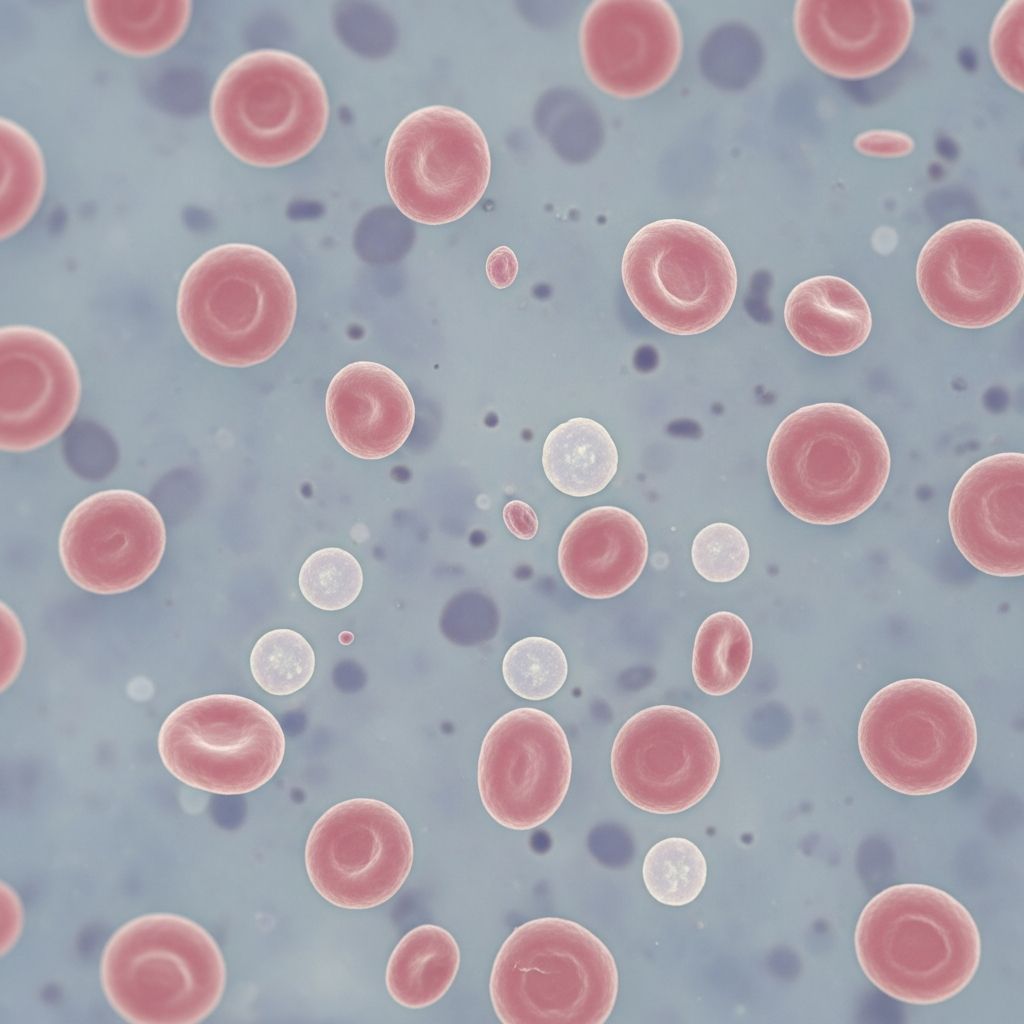
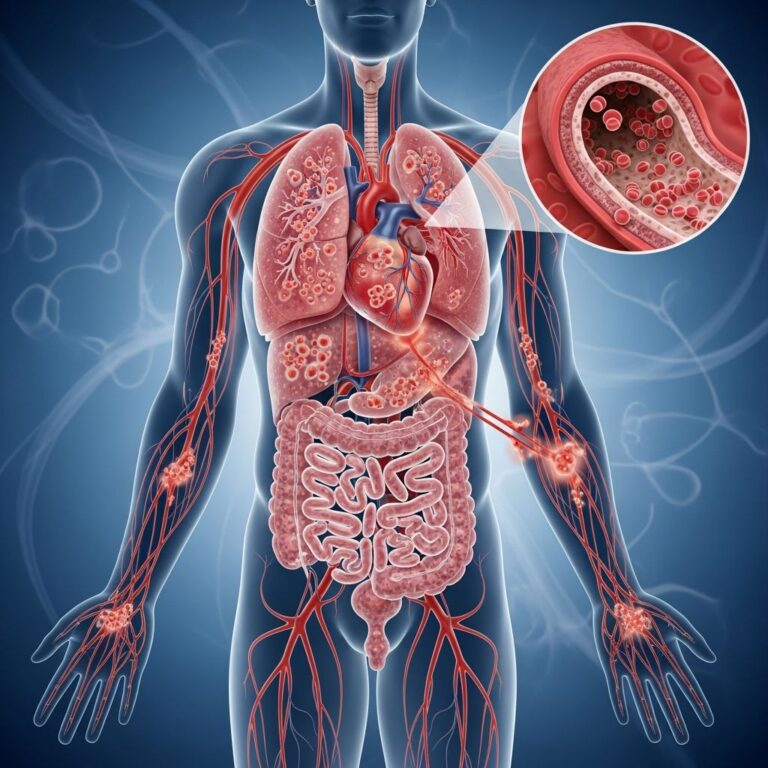
Pancytopenia is a serious hematologic condition characterized by a significant reduction in all three major blood cell lines: red blood cells, white blood cells, and platelets. This decrease impairs oxygen transport, immune function, and blood clotting, potentially leading to life-threatening complications if untreated. Unlike a standalone disease, pancytopenia signals an underlying issue, often originating in the bone marrow where blood cells are produced. Early diagnosis and targeted treatment of the root cause are crucial for recovery.
What Is Pancytopenia?
Pancytopenia refers to the simultaneous decrease in red blood cells (causing anemia), white blood cells (leukopenia), and platelets (thrombocytopenia). Red blood cells deliver oxygen to tissues; white blood cells combat infections; platelets enable clotting to prevent bleeding. Bone marrow, the spongy tissue inside bones, produces these cells from stem cells. When production falters or cells are destroyed peripherally, pancytopenia develops.
Clinically, it is defined by hemoglobin below 12 g/dL in women or 13 g/dL in men, platelets under 150,000 per mcL, and leukocytes below 4,000 per mL (or absolute neutrophil count under 1,800 per mL), though thresholds vary by age, sex, and context. Mild cases may be asymptomatic, detected incidentally via routine blood tests, while severe cases present acutely.
Symptoms of Pancytopenia
Symptoms arise from deficiencies in each cell line and range from mild to severe. Fatigue and weakness stem from anemia due to low oxygen delivery.
- Fatigue and weakness: Common from reduced red blood cells.
- Shortness of breath and dizziness: Especially during exertion.
- Pale skin: Indicates anemia.
- Fever and frequent infections: From leukopenia impairing immunity.
- Easy bruising, petechiae (tiny purple spots), purpura (larger spots), bleeding gums, nosebleeds: Due to thrombocytopenia.
- Rapid heart rate, swollen lymph nodes, rashes, ulcers: Additional signs.
Severe symptoms requiring immediate care include confusion, seizures, significant blood loss, or loss of consciousness.
Causes of Pancytopenia
Pancytopenia results from bone marrow underproduction (central), peripheral destruction/sequestration, or both. In about 50% of cases, the cause is idiopathic.
Bone Marrow Failure or Infiltration
Primary causes include aplastic anemia, where marrow fails to produce cells; leukemias or myelodysplastic syndromes infiltrating marrow; metastatic cancers. Nutritional deficiencies in vitamin B12, folate, or iron halt production, often from malnutrition, alcoholism, malabsorption, or drugs.
Infections and Toxins
Viral infections (HIV, hepatitis, parvovirus), bacterial (tuberculosis), or parasitic (malaria) damage marrow or destroy cells. Toxins like benzene, chemotherapy, or radiation suppress marrow.
Autoimmune and Hypersplenism
Autoimmune diseases like lupus attack blood cells; splenomegaly sequesters them in the enlarged spleen. Liver disease or excess alcohol exacerbates this.
Other Risk Factors
Family history of cancer or immunodeficiencies increases risk. Medications (e.g., chemotherapy) and hypersplenism from cirrhosis or infections are common triggers.
| Category | Examples | Mechanism |
|---|---|---|
| Bone Marrow Disorders | Aplastic anemia, leukemia, MDS | Underproduction/infiltration |
| Nutritional | B12/folate deficiency | Impaired cell maturation |
| Infections | HIV, TB, malaria | Marrow suppression/destruction |
| Autoimmune | Lupus, rheumatoid arthritis | Peripheral destruction |
| Hypersplenism | Splenomegaly, cirrhosis | Sequestration |
Related Stories



Pancytopenia Diagnosis
Diagnosis begins with a complete blood count (CBC) confirming low levels across cell lines. Further tests identify the cause:
- Peripheral blood smear: Examines cell morphology.
- Bone marrow aspiration/biopsy: Gold standard to assess marrow cellularity and infiltration.
- Imaging: Ultrasound/CT for splenomegaly or tumors.
- Lab tests: Vitamin levels, viral serologies, autoimmune markers.
A thorough history and physical exam guide evaluation, focusing on infections, drugs, and family history.
Treatment for Pancytopenia
Treatment targets the underlying cause while supporting the patient.
- Supportive care: Blood transfusions for anemia, platelet transfusions for bleeding, antibiotics for infections.
- Cause-specific: Vitamin supplements for deficiencies; discontinue offending drugs; antivirals for infections.
- Immunosuppressants: For autoimmune cases (e.g., corticosteroids, ATG).
- Cancer therapy: Chemotherapy, targeted drugs for malignancies.
- Definitive: Bone marrow or stem cell transplant for severe marrow failure.
- Splenectomy: For hypersplenism.
Granulocyte colony-stimulating factor (G-CSF) boosts white cells.
Complications of Pancytopenia
Untreated, it leads to severe bleeding, overwhelming infections, or death. Anemia causes heart strain; leukopenia risks sepsis; thrombocytopenia causes hemorrhage.
Pancytopenia Outlook and Prognosis
Prognosis depends on cause: excellent for reversible issues like nutrition or viruses (often self-resolves). Poor for malignancies or aplastic anemia without transplant. Early intervention improves survival.
Prevention of Pancytopenia
Avoid toxins, maintain nutrition, treat infections/autoimmunity promptly, monitor chemotherapy. No sure prevention for idiopathic/genetic cases.
Frequently Asked Questions (FAQs)
What is pancytopenia in simple terms?
A condition with low red blood cells, white blood cells, and platelets, often due to bone marrow problems.
Is pancytopenia curable?
Yes, if the underlying cause is treatable, such as nutritional deficiencies or infections.
How serious is pancytopenia?
It can be life-threatening due to bleeding and infection risks, requiring urgent care.
Can pancytopenia be caused by medications?
Yes, chemotherapy and certain drugs suppress bone marrow.
What tests confirm pancytopenia?
CBC, bone marrow biopsy, and specific labs for causes.
References
- Pancytopenia: Symptoms, Causes, Treatment — Healthline. 2018-09-18. https://www.healthline.com/health/pancytopenia
- Pancytopenia: Symptoms, causes, and treatment — Medical News Today. N/A. https://www.medicalnewstoday.com/articles/320075
- Pancytopenia — StatPearls, NCBI Bookshelf. 2023. https://www.ncbi.nlm.nih.gov/books/NBK563146/
- Assessment of pancytopenia — BMJ Best Practice. N/A. https://bestpractice.bmj.com/topics/en-gb/1024
Similar Articles








Read full bio of medha deb