Pancytopenia: Symptoms, Causes & Treatment
Understanding pancytopenia: A comprehensive guide to low blood cell counts, diagnosis, and treatment options.
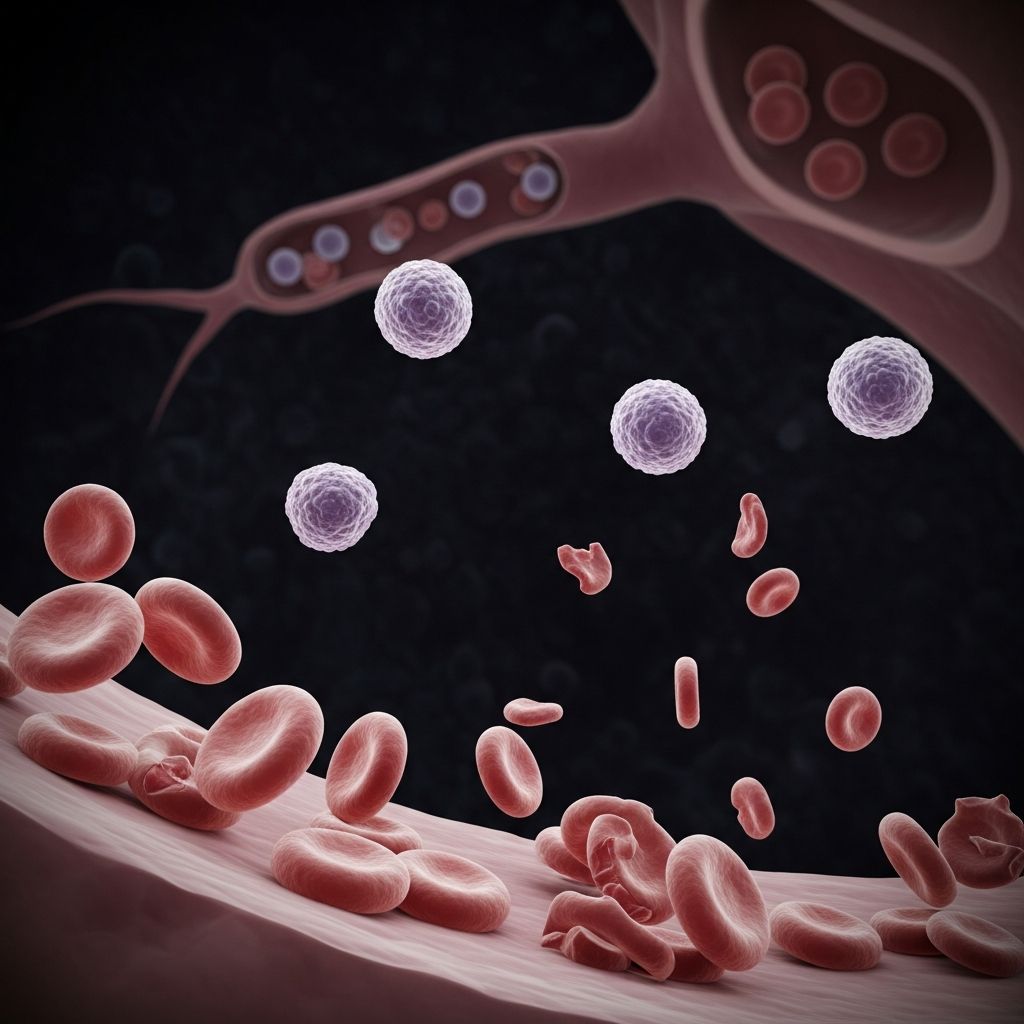
What Is Pancytopenia?
Pancytopenia is a hematologic condition characterized by abnormally low levels of all three types of blood cells: red blood cells (erythrocytes), white blood cells (leukocytes), and platelets. This simultaneous decrease in all three cell lines distinguishes pancytopenia from other blood disorders that affect only one or two cell types. The condition can range from mild and asymptomatic to severe and life-threatening, depending on the underlying cause and the degree of cell reduction.
Pancytopenia itself is not a primary disease but rather a clinical manifestation of an underlying condition. Understanding the root cause is essential for effective treatment, as the management approach differs significantly based on what triggered the pancytopenia. In approximately half of all pancytopenia cases, the underlying cause remains unidentified, a situation referred to as idiopathic pancytopenia.
Symptoms and Clinical Presentation
The clinical presentation of pancytopenia varies considerably depending on the severity of the condition. Mild cases may be completely asymptomatic and discovered incidentally during routine blood work. However, severe pancytopenia can present as a medical emergency requiring immediate intervention.
Symptoms Related to Anemia (Low Red Blood Cells)
When red blood cell levels drop, patients may experience:
– Fatigue and weakness- Shortness of breath, especially during physical activity- Chest pain or discomfort- Dizziness or lightheadedness- Pale skin
Symptoms Related to Leukopenia (Low White Blood Cells)
Low white blood cell counts compromise the immune system, leading to:
– Increased susceptibility to infections- Frequent bacterial or viral infections- Fever- Mouth ulcers- Recurrent respiratory infections
Symptoms Related to Thrombocytopenia (Low Platelets)
Reduced platelet levels impair blood clotting ability, causing:
– Easy bruising or excessive bruising– Petechiae (small red or purple spots on skin)- Prolonged bleeding from minor cuts- Nosebleeds- Bleeding gums- Blood in urine or stool- Heavy or prolonged menstrual bleeding
Serious Warning Symptoms
Certain symptoms require immediate emergency medical attention, including fever above 101°F, loss of consciousness, confusion, seizures, convulsions, heavy bleeding, or extreme shortness of breath.
Causes of Pancytopenia
Multiple etiological factors can lead to pancytopenia, which healthcare providers typically categorize into two main mechanisms: decreased production of blood cells or increased destruction of existing cells.
Bone Marrow Disorders
Conditions affecting bone marrow function represent a significant category of pancytopenia causes. Aplastic anemia is a primary example, where the bone marrow fails to produce adequate numbers of blood cells. Myelodysplastic syndromes, leukemias, and lymphomas can also compromise bone marrow function and lead to pancytopenia. Neoplastic conditions—both cancerous and noncancerous—account for most pancytopenia cases in North America.
Infections
Various infectious agents can trigger pancytopenia through different mechanisms. HIV, hepatitis C, mononucleosis, tuberculosis, malaria, and other viral or bacterial infections have been associated with pancytopenia development. In acute viral infections, pancytopenia often resolves rapidly once the infection clears.
Related Stories



Medications and Chemotherapy
Certain medications can cause drug-induced pancytopenia as a side effect. Antibiotics, blood pressure medications, heart medications, and chemotherapy agents are known culprits. Chemotherapy-induced pancytopenia, also called myelosuppression, is a dose-dependent adverse reaction where the drugs inhibit bone marrow cell production.
Nutritional Deficiencies
In some regions, particularly in developing countries, poor nutrition represents a significant cause of pancytopenia. Deficiencies in vitamin B12 and folate are particularly important, as these vitamins are essential for red blood cell formation and overall hematopoiesis.
Autoimmune Conditions
Systemic autoimmune diseases can lead to pancytopenia through immune-mediated destruction of blood cells. Additionally, medications used to treat autoimmune conditions, such as methotrexate, may paradoxically cause pancytopenia as a side effect.
Environmental Toxins and Chemical Exposure
Exposure to certain environmental toxins and chemicals can damage bone marrow function and result in pancytopenia. Removal from the toxic environment is essential for recovery.
Diagnosis of Pancytopenia
A thorough diagnostic evaluation is essential to identify the underlying cause of pancytopenia and guide appropriate treatment decisions. The diagnostic process typically combines clinical assessment with laboratory and imaging studies.
Initial Evaluation
Diagnosis begins with a comprehensive history and physical examination. Healthcare providers ask detailed questions about symptom onset and progression, medication use (including over-the-counter drugs), family history of blood disorders, occupational exposures, recent infections, and nutritional habits. Physical examination may reveal signs of anemia, infection, bleeding, or an enlarged spleen.
Laboratory Testing
Several key laboratory tests help establish the diagnosis:
– Complete Blood Count (CBC): The initial screening test that confirms reduced levels of all three blood cell types, providing specific cell counts and hemoglobin values– Peripheral Blood Smear: Microscopic examination of blood cells to identify abnormal cell morphology or patterns- Bone Marrow Aspirate and Biopsy: Examination of bone marrow tissue to assess cell production capacity and identify primary bone marrow disorders- Vitamin B12 and Folate Levels: Testing to identify nutritional deficiencies- Liver Function Tests: Assessment of hepatic synthetic function and disease- Infectious Disease Workup: Serologic testing for HIV, hepatitis, tuberculosis, and other relevant infections- Thyroid Function Tests: Evaluation for thyroid disorders that may contribute to pancytopenia- Lactate Dehydrogenase (LDH): Marker of cell breakdown and hemolysis
Advanced Diagnostic Studies
When initial testing is inconclusive, specialized studies may be performed. Cytogenetic testing using fluorescent in situ hybridization (FISH) or karyotype analysis of bone marrow or peripheral blood can identify chromosomal abnormalities. Flow cytometry provides detailed immunophenotyping of blood and bone marrow cells. Molecular studies, including mutation analysis and gene expression profiling, may identify genetic causes of pancytopenia.
Treatment Options for Pancytopenia
Treatment strategies for pancytopenia are highly individualized and depend on the underlying cause, severity of the condition, and patient-specific factors. A multidisciplinary approach yields the best outcomes.
Addressing the Underlying Cause
The primary treatment goal is to identify and address the root cause of pancytopenia. If pancytopenia results from poor nutrition, dietary improvements and supplementation can resolve the condition. Patients taking medications that cause pancytopenia should discontinue those drugs under medical supervision. Underlying infections require appropriate antimicrobial therapy, and patients exposed to toxins must be removed from that environment.
Supportive Care
Supportive care measures help manage symptoms while the underlying condition is being addressed. Red blood cell transfusions are administered to alleviate anemia symptoms and ensure adequate oxygenation of vital organs. Platelet transfusions are indicated when platelet counts drop below 10,000 per microliter to prevent spontaneous intracranial bleeding.
Management of Infections
Fever in patients with severe neutropenia (absolute neutrophil count less than 500 per milliliter) is a medical emergency requiring prompt initiation of broad-spectrum antibiotic therapy. Empiric antibiotics must be started immediately to prevent life-threatening sepsis, which carries significant mortality risk in severely immunocompromised patients.
Pharmacologic Therapies
Medications can help stimulate bone marrow production of blood cells. Growth factors, such as granulocyte-colony stimulating factor (G-CSF), may increase white blood cell production. Erythropoiesis-stimulating agents can boost red blood cell production in certain situations. For pancytopenia caused by autoimmune mechanisms, immunosuppressive medications help reduce immune-mediated destruction of blood cells.
Bone Marrow and Stem Cell Transplantation
In cases of severe bone marrow failure or certain hematologic malignancies, bone marrow transplantation or stem cell transplantation offers potential for cure. These procedures replace damaged bone marrow with healthy stem cells from a donor, allowing restoration of normal blood cell production.
Monitoring and Watchful Waiting
In some cases, particularly when pancytopenia is mild and stable, healthcare providers may recommend monitoring without immediate intervention. Regular laboratory follow-up ensures early detection of any deterioration requiring treatment escalation.
Complications of Pancytopenia
Without appropriate treatment, pancytopenia can lead to serious complications. Increased infection risk from leukopenia can progress to life-threatening sepsis. Severe anemia may cause organ dysfunction and failure. Severe bleeding from thrombocytopenia can result in intracranial hemorrhage or other catastrophic bleeding events. Prompt recognition and treatment of pancytopenia significantly reduce the risk of these complications.
Prognosis and Long-Term Outcomes
Pancytopenia prognosis depends entirely on the underlying cause and the effectiveness of treatment. Pancytopenia secondary to reversible causes, such as medication side effects or nutritional deficiencies, often resolves completely once the inciting factor is removed or corrected. Pancytopenia due to serious conditions like leukemia or aplastic anemia carries more guarded prognosis and requires intensive, specialized treatment. When appropriate treatment is initiated promptly and coordinated care is provided, many patients experience significant improvement or complete resolution.
When to Seek Medical Attention
Patients should seek immediate medical evaluation if they experience unexplained fatigue, persistent infections, unusual bleeding or bruising, or fever. Emergency care is necessary for severe symptoms including heavy bleeding, loss of consciousness, seizures, or extreme shortness of breath. Early medical evaluation allows for prompt diagnosis and treatment initiation, improving outcomes significantly.
Frequently Asked Questions (FAQs)
Q: How is pancytopenia different from anemia?
A: Anemia involves low red blood cells only, while pancytopenia affects all three blood cell types—red blood cells, white blood cells, and platelets simultaneously. This distinction is important because pancytopenia indicates a more widespread bone marrow problem and requires different diagnostic approaches and treatment strategies.
Q: Can pancytopenia be cured?
A: Pancytopenia itself is not a disease but a symptom of an underlying condition. Whether it can be cured depends on the cause. Pancytopenia from reversible causes like nutritional deficiencies or medication side effects often resolves completely. However, pancytopenia from serious conditions like aplastic anemia or leukemia may require ongoing treatment.
Q: How long does it take to recover from pancytopenia?
A: Recovery time varies significantly based on the underlying cause. Acute viral-induced pancytopenia may resolve within weeks, while pancytopenia from chemotherapy typically improves within days to weeks after treatment completion. Pancytopenia from more serious conditions may require months of treatment before improvement occurs.
Q: Is pancytopenia hereditary?
A: Some forms of pancytopenia can be hereditary, such as certain genetic disorders affecting bone marrow function. However, most cases of pancytopenia result from acquired conditions like infections, medications, or bone marrow disorders. Genetic testing can help determine if a hereditary cause is present.
Q: What lifestyle changes can help manage pancytopenia?
A: Patients should avoid medications that may worsen pancytopenia, practice rigorous infection prevention measures, eat a nutritious diet rich in vitamins and minerals, avoid unnecessary injuries that could cause bleeding, and maintain regular follow-up appointments. Additionally, patients should report new symptoms promptly to their healthcare team.
References
- Pancytopenia – StatPearls — National Center for Biotechnology Information (NCBI), National Library of Medicine. 2024. https://www.ncbi.nlm.nih.gov/books/NBK563146/
- Pancytopenia: Symptoms, Causes, and Treatment — WebMD. 2024. https://www.webmd.com/a-to-z-guides/what-is-pancytopenia
- Pancytopenia — Britannica Online Encyclopedia. https://www.britannica.com/science/pancytopenia
- Cytopenia: Symptoms, Causes & Types — Cleveland Clinic. 2024. https://my.clevelandclinic.org/health/diseases/24864-cytopenia
Similar Articles








Read full bio of medha deb