PANDAS Syndrome: Understanding Causes, Symptoms & Treatment
Comprehensive guide to PANDAS syndrome: recognize symptoms, understand causes, and explore treatment options for affected children.
What Is PANDAS Syndrome?
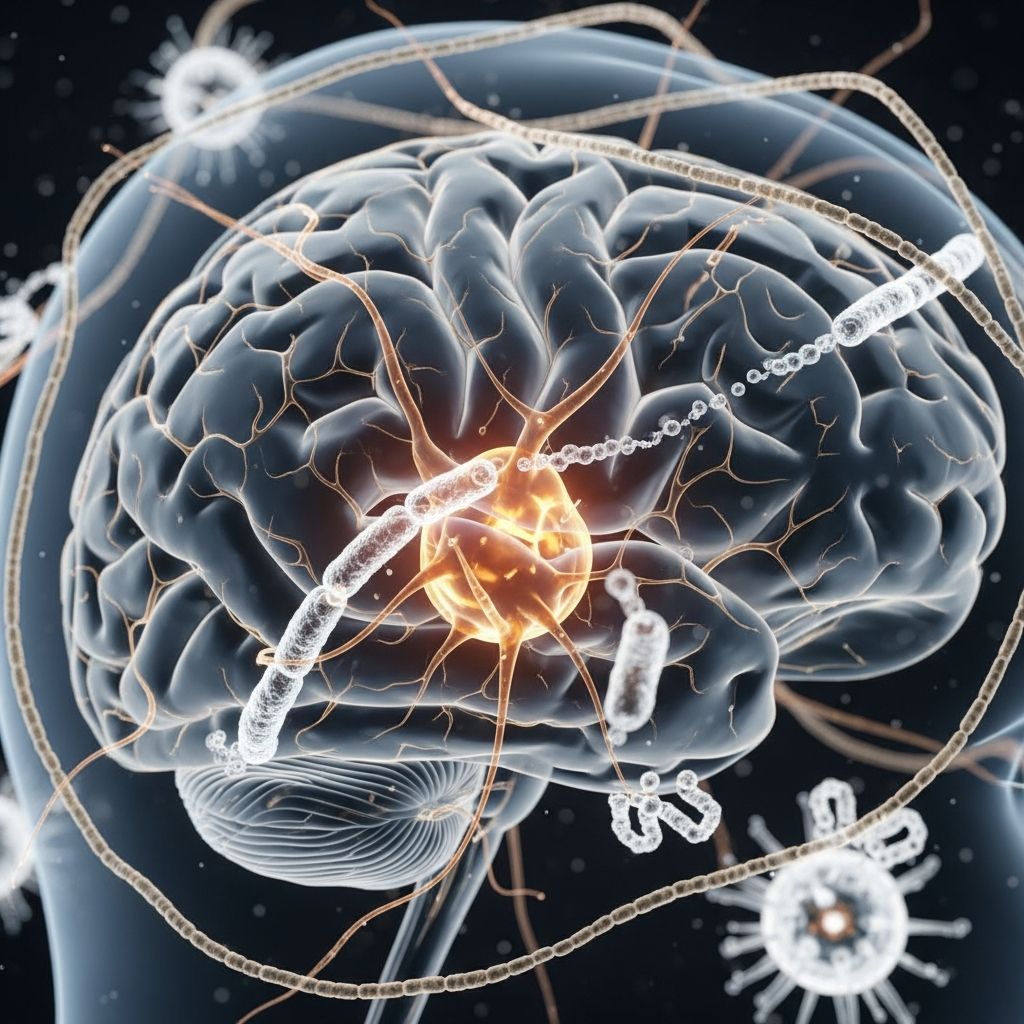
PANDAS is an acronym that stands for “pediatric autoimmune neuropsychiatric disorders associated with streptococcal infections.” This condition describes a group of psychological and neurological problems that may develop in certain children following streptococcal bacterial infections, such as strep throat or scarlet fever. The syndrome represents a complex intersection between infection and immune system response, where the body’s immune system inadvertently attacks brain tissue involved in movement control and behavior regulation.
PANDAS is considered a subtype of a broader condition known as PANS (Pediatric Acute-onset Neuropsychiatric Syndrome). While PANS can occur following various infections or other triggers, PANDAS specifically follows a documented streptococcal infection. The distinction is important because it helps healthcare providers understand the underlying trigger and tailor treatment accordingly.
The condition is characterized by a sudden, dramatic onset of symptoms that can develop within days to weeks following a strep infection. This abrupt presentation distinguishes PANDAS from typical developmental psychiatric or neurological conditions that emerge gradually over time.
Understanding the Causes of PANDAS
PANDAS develops through an autoimmune mechanism following streptococcal infection. When a child contracts strep throat or another streptococcal infection, their immune system produces antibodies to fight the bacteria. In some genetically predisposed children, these antibodies cross-react with specific proteins in the brain, particularly in structures called the basal ganglia.
The basal ganglia are brain regions responsible for coordinating movement, regulating emotions, and controlling impulse-driven behaviors like obsessive-compulsive responses. When the immune system mistakenly attacks this area, it can trigger the characteristic symptoms of PANDAS. Research indicates that this inflammation may cause enlargement of the basal ganglia and nearby structures, potentially leading to long-term neurological changes if left untreated.
Not all children who develop strep infections experience PANDAS. Genetic factors and individual immune system characteristics appear to determine which children are susceptible to this autoimmune response. Children with a family history of immune-mediated disease or autoimmune disorders have a higher risk of developing PANDAS following streptococcal infection.
Recognizing the Symptoms of PANDAS
The hallmark feature of PANDAS is the sudden onset of obsessive-compulsive disorder (OCD) symptoms or tics, often appearing within 2 to 3 days of strep infection. However, the condition produces a constellation of neuropsychiatric and physical symptoms that extend beyond these primary manifestations.
Primary Neuropsychiatric Symptoms
The most common initial symptoms include:
- Sudden onset of OCD or tic disorders (involuntary, purposeless movements)
- Obsessive thoughts and compulsive behaviors that appear suddenly
- Motor tics such as repetitive eye blinking, shoulder shrugging, or head jerking
- Vocal tics including throat clearing, humming, or word repetition
Behavioral and Emotional Changes
Children with PANDAS frequently experience dramatic behavioral shifts:
Related Stories



- Severe separation anxiety or social anxiety that is atypical for the child
- Mood lability with rapid emotional swings
- Irritability, aggression, or oppositional behaviors previously absent in the child
- Emotional dysregulation including unexpected laughing or crying
- Sadness or depression
Cognitive and Academic Impact
Parents and educators often notice significant academic decline:
- Sudden drop in school performance or concentration
- Loss of previously acquired skills or abilities, such as regression in age-appropriate language
- Hyperactivity, inattention, and fidgeting
- Developmental regression
Physical and Sensory Symptoms
PANDAS also produces various physical manifestations:
- Sudden onset of nighttime bed-wetting, frequent daytime urination, or both
- Changes in motor skills, such as alterations in handwriting quality
- Joint pains
- Sleep disturbances and insomnia
- Sensory integration dysfunction affecting sensitivity to sounds, light, textures, and smells
- Unusual, jerky movements outside the child’s control
Eating Disturbances
Many children with PANDAS develop sudden changes in eating patterns, including refusal to eat or highly selective, restrictive eating patterns that can significantly impact nutrition and growth.
The Episodic Nature of PANDAS
An important characteristic of PANDAS is its episodic course. Symptoms may disappear for extended periods and then reappear, particularly when the child experiences another streptococcal infection. If a child with PANDAS contracts strep throat again, their symptoms may worsen significantly. With multiple recurrences, symptoms may become increasingly severe and potentially progress to chronic conditions if not adequately treated.
Research demonstrates that 45% of PANDAS patients experience symptom relapse over extended periods, emphasizing the importance of early diagnosis and ongoing management.
Diagnosis of PANDAS
Diagnosing PANDAS requires a systematic approach and is fundamentally a clinical diagnosis of exclusion. Healthcare providers must rule out other medical, psychiatric, or neurological conditions that could better explain the symptoms.
Diagnostic Criteria
A PANDAS diagnosis requires the following criteria to be met:
- Presence of OCD, tics, or both
- Pediatric onset of symptoms, generally between ages 3 and 12 and before puberty
- Episodic course of symptom severity with dramatic ups and downs
- Association with recent group A beta-hemolytic streptococcal (GABHS) pharyngitis, confirmed by positive throat culture or strep test within three months of symptom onset
- Presence of neurological abnormalities
- Abrupt onset or worsening of symptoms
Comprehensive Clinical Evaluation
To arrive at a PANDAS diagnosis, healthcare providers conduct:
- Detailed personal medical, surgical, and psychiatric history
- Family history with emphasis on autoimmune disorders and immune-mediated diseases
- Comprehensive physical examination including neurological assessment
- Laboratory studies including complete blood count, comprehensive metabolic panel, inflammatory markers, infectious disease testing, immune function assessment, hormonal evaluation, immunoglobulins, nutritional deficiency markers, and autoantibody testing
- Imaging studies when appropriate to rule out other conditions
Treatment Approaches for PANDAS
Treatment for PANDAS is individualized based on symptom severity and the child’s specific clinical presentation. A comprehensive treatment team may include neurologists, allergists/immunologists, psychiatrists, and other specialists depending on the case complexity.
Antibiotic Therapy
Treating active streptococcal infections with appropriate antibiotics is a cornerstone of PANDAS management. Antibiotic prophylaxis—long-term preventive antibiotic therapy—has demonstrated substantial benefits in reducing neurologic symptoms over extended periods, with research showing significant symptom reduction over seven-year follow-up periods.
Cognitive Behavioral Therapy
Cognitive behavioral therapy (CBT) is an evidence-based psychological intervention that effectively addresses OCD symptoms, anxiety, and other behavioral manifestations of PANDAS. This therapy helps children develop coping strategies and reduce the distress associated with obsessive thoughts and compulsive behaviors.
Habit Reversal Training
For children with prominent tic symptoms, habit reversal training provides specific techniques to help reduce tic frequency and severity through awareness and competing response training.
Psychotropic Medications
In mild to moderate cases, treatment typically includes selective serotonin reuptake inhibitor (SSRI) medications at very low doses to manage OCD, anxiety, and mood symptoms. SSRIs help regulate serotonin levels in the brain, which can alleviate obsessive-compulsive and anxiety-related symptoms.
Anti-inflammatory and Immunological Treatments
More severe cases may require anti-inflammatory medications and specialized immunological interventions to manage the autoimmune component of the condition. Treatment decisions depend on symptom severity and individual response to standard therapies.
Collaborative Care Management
Close collaboration between the child’s healthcare providers is essential for optimal outcomes. It is crucial that families consult with healthcare providers before stopping or changing any medication, as abrupt changes could destabilize symptom control.
Prevention Strategies
The most effective approach to preventing PANDAS is preventing streptococcal infections from occurring in the first place. Parents can encourage protective measures including:
- Regular handwashing with soap and water, especially before eating and after bathroom use
- Avoiding sharing personal items such as utensils, cups, or toothbrushes
- Maintaining proper respiratory hygiene by covering the mouth and nose when sneezing or coughing
- Avoiding close contact with individuals who have active strep infections
- Prompt treatment of strep infections when they occur
Long-term Prognosis and Outcomes
The prognosis for PANDAS depends significantly on the timing of diagnosis and initiation of treatment. Early identification and comprehensive management can prevent progression to chronic neurological complications. However, in cases that remain untreated or involve multiple recurrences, tics, OCD, and other symptoms are more likely to persist into adulthood.
The potential for permanent structural brain changes underscores the critical importance of early diagnosis and aggressive treatment to prevent long-term sequelae.
Frequently Asked Questions About PANDAS
Q: How quickly do PANDAS symptoms develop after a strep infection?
A: PANDAS symptoms typically appear suddenly within 2 to 3 days of streptococcal infection onset, distinguishing it from gradual-onset psychiatric or neurological conditions. Some children show symptom development within days to weeks of infection.
Q: Can PANDAS develop without a documented strep infection?
A: PANDAS specifically requires a history of streptococcal infection confirmed by positive throat culture or recent scarlet fever. If similar symptoms occur without documented strep infection, the condition would be classified as PANS (Pediatric Acute-onset Neuropsychiatric Syndrome) rather than PANDAS.
Q: Is PANDAS a common condition?
A: PANDAS is considered a rare disorder that is often misunderstood in the medical community. Not all children who develop strep infections experience PANDAS; genetic predisposition and individual immune system factors determine susceptibility.[10]
Q: Can PANDAS symptoms resolve without treatment?
A: While some symptoms may temporarily improve, untreated PANDAS carries significant risk of progression to chronic neurological conditions and long-term behavioral problems. Early diagnosis and comprehensive treatment provide the best outcomes for preventing permanent brain changes.
Q: How is PANDAS different from regular OCD or tics?
A: PANDAS differs from typical OCD or tic disorders in its sudden, dramatic onset following streptococcal infection, its episodic course with acute exacerbations, and its autoimmune mechanism. Regular OCD and tics typically develop gradually without an identifiable infection trigger.
Q: What should I do if I suspect my child has PANDAS?
A: Seek evaluation from a healthcare provider familiar with PANDAS who can conduct comprehensive testing and clinical assessment. Early diagnosis and treatment initiation are critical for preventing long-term complications and optimizing outcomes.
References
- PANS and PANDAS: Questions and Answers — National Institute of Mental Health (NIMH). 2024. https://www.nimh.nih.gov/health/publications/pandas
- Pediatric Acute-onset Neuropsychiatric Syndrome (PANS) Care — Stanford Medicine. 2024. https://med.stanford.edu/pans.html
- Pediatric Autoimmune Neuropsychiatric Disorders Associated with Streptococcal Infections — National Center for Biotechnology Information (NCBI/NIH). 2024. https://pmc.ncbi.nlm.nih.gov/articles/PMC11238569/
- PANS & PANDAS: From Symptoms to Diagnosis and Treatment Options — Lindner Center of Hope. 2024. https://lindnercenterofhope.org/blog/pans-pandas-from-symptoms-to-diagnosis-and-treatment-options/
- PANDAS Syndrome: What It Is, Causes, Symptoms & Treatment — Cleveland Clinic. 2024. https://my.clevelandclinic.org/health/diseases/23553-pandas-syndrome
Similar Articles








Read full bio of medha deb