Pandemic’s Lasting Impact on Kids’ Myopia
Explore how COVID-19 lockdowns fueled myopia surges in children through screens and less outdoor time, with strategies for reversal.
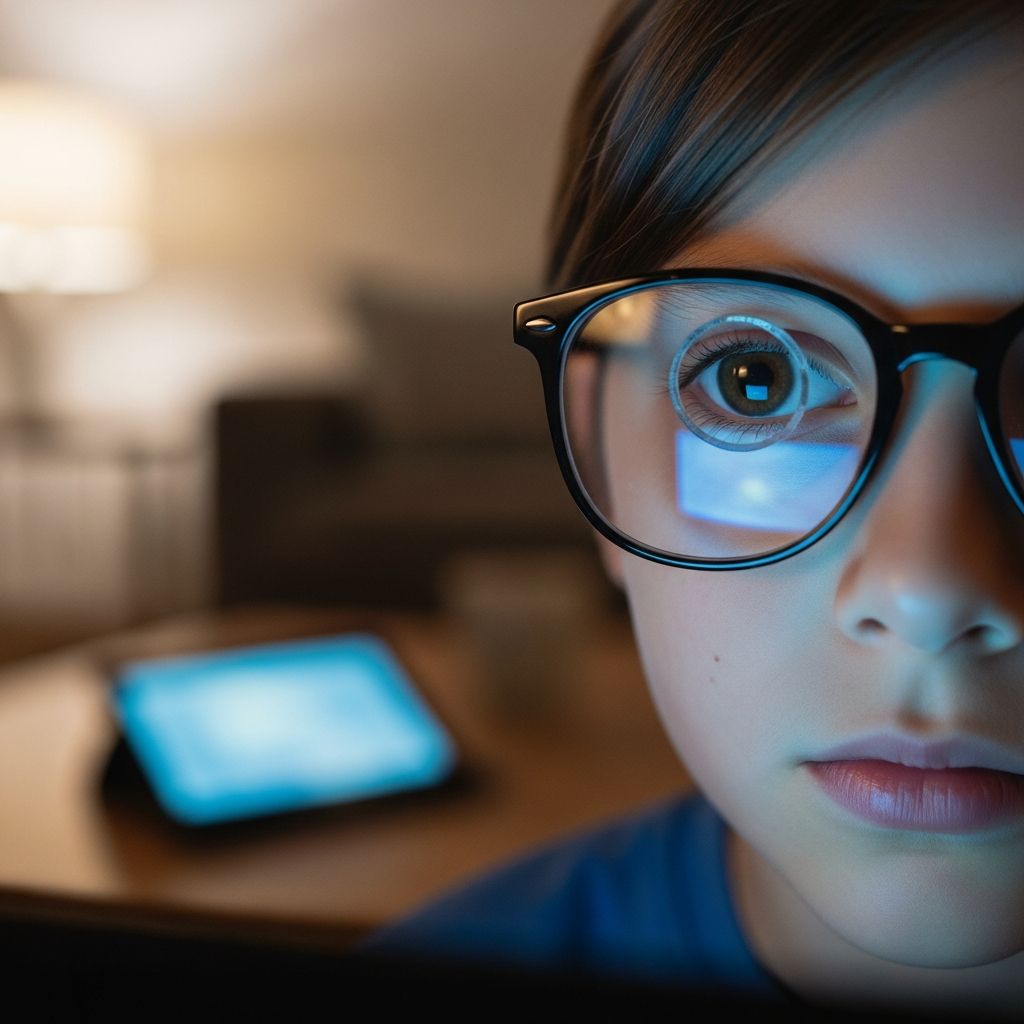
The COVID-19 pandemic fundamentally altered daily routines for children worldwide, shifting education online and confining play indoors. This led to a marked increase in myopia, or nearsightedness, among young populations. Research confirms that myopia progression accelerated during lockdowns, with effects lingering even after restrictions lifted.
Understanding Myopia in Children
Myopia occurs when the eyeball grows too long or the cornea curves excessively, causing distant objects to appear blurry. In children, this condition often progresses rapidly during school years due to eye growth spurts. Pre-pandemic rates were already rising globally, but COVID-19 intensified the trend through lifestyle shifts.
Key characteristics of childhood myopia include:
- Genetic predisposition combined with environmental triggers.
- Progression typically peaks between ages 6-12.
- High myopia increases risks for retinal detachment and glaucoma later in life.
How Lockdowns Fueled Myopia Surge
During home quarantines, children spent hours on digital devices for schooling, replacing traditional classrooms. Studies show this near-work—staring at screens closer than 30 cm—spurred eye elongation, a core myopia driver.
A systematic review of over 2,600 cases found spherical equivalent refraction (SER) worsened significantly during pandemics versus pre-pandemic periods. Younger children under 10 experienced the sharpest declines in SER, indicating faster progression.
| Period | Average SER Change (Diopters) | Axial Length Change (mm) |
|---|---|---|
| Pre-Pandemic | -0.42 | +0.20 |
| During Lockdown | -0.85 | +0.28 |
| Post-Restrictions | -0.72 | +0.25 |
Data adapted from meta-analyses; negative SER indicates myopic shift.
Screen Time: The Primary Culprit
Prolonged screen exposure creates accommodative stress, where eyes strain to focus on close objects. Pre-pandemic, children averaged 2-3 hours daily on devices; lockdowns pushed this to 6+ hours.
Multivariable analyses link each additional hour of screen time to a 0.1-0.2 diopter myopic shift annually. Odds ratios (OR) for high myopia rose to 1.40 during pandemics (95% CI: 1.28-1.54). Digital eye strain symptoms like headaches and blurred distance vision compounded the issue.
Loss of Outdoor Time: A Critical Factor
Natural light exposure outdoors releases dopamine in the retina, inhibiting eye growth. Lockdowns slashed outdoor time from 2 hours daily to under 30 minutes, correlating with OR of -1.82 for myopia protection (95% CI: -2.87 to -0.76).
Post-restriction surveys in Hong Kong revealed outdoor time remained 20-30% below baseline, sustaining elevated myopia prevalence. Younger children from low-income families faced higher risks, as access to safe outdoor spaces was limited.
Vulnerable Groups at Greatest Risk
Not all children were equally affected:
- Younger Age (6-8 years): Doubled myopia rates post-pandemic; eyes more plastic during growth phases.
- Low-Income Households: Limited green spaces and device alternatives heightened exposure.
- Parental Myopia Influence: Children with fewer myopic parents showed amplified pandemic effects (interaction OR: 0.81).
Cross-sectional data from 20,587 children confirmed these disparities, urging targeted interventions.
Post-Pandemic Persistence and Trends
Even after reopenings, myopia prevalence stayed elevated. A 2023 Hong Kong study noted SER changes persisted, with axial length (AL) not fully reversing. Unlike some transient spasm-induced shifts, structural eye changes endured.
Lifestyle inertia—hybrid learning models—kept screen and near-work times high. Global reports echo this: U.S. optometrists observed 25-30% progression upticks since 2020.
Related Stories



Evidence-Based Prevention Strategies
Reversing trends requires multifaceted approaches:
- Boost Outdoor Time: Aim for 2 hours daily; even cloudy days provide UV benefits.
- Screen Hygiene: Follow 20-20-20 rule (20 seconds break every 20 minutes, 20 feet away).
- Balanced Near-Work: Limit total to 4 hours; alternate reading distances.
- Nutrition and Sleep: Omega-3s and 10+ hours sleep support eye health.
Table of Interventions:
| Strategy | Expected Benefit | Evidence Level |
|---|---|---|
| Outdoor Exposure | 30% myopia risk reduction | High (Meta-analysis) |
| Screen Limits | 0.2D slower progression | Moderate |
| Atropine Drops | 50% progression halt | High (Clinical Trials) |
| Orthokeratology | 40% control | Moderate |
Role of Eye Care Professionals
Annual cycloplegic refractions detect progression early. Myopia management tools like multifocal contacts or low-dose atropine slow axial growth by 40-60%. Parental education on risks empowers compliance.
Policy and Community Actions
Educators should integrate screen breaks into curricula. Governments can promote park access and daylight classrooms. Collective efforts targeting at-risk groups could curb a projected 50% global myopia rise by 2050.
FAQs
What caused the myopia spike during COVID-19?
Increased screen time and reduced outdoor activities accelerated eye growth, especially in young children.
Has myopia improved post-lockdown?
No, prevalence remains high as lifestyles haven’t fully reverted.
How much outdoor time prevents myopia?
At least 2 hours daily, per meta-analyses.
Are screens the only villain?
No, but they amplify near-work risks when combined with low light exposure.
When should I get my child’s eyes checked?
Annually from age 6, or sooner if squinting/complaints arise.
Long-Term Implications
Unchecked childhood myopia burdens healthcare systems with adult complications. Proactive measures now can safeguard vision for generations. Parents, prioritize play over pixels.
References
- Pediatric Myopia Progression During the COVID-19 Pandemic — Frontiers in Public Health. 2022-04-11. https://www.frontiersin.org/journals/public-health/articles/10.3389/fpubh.2022.835449/full
- Prevalence of Myopia in Children Before, During, and After COVID — JAMA Network Open. 2023-06-01. https://jamanetwork.com/journals/jamanetworkopen/fullarticle/2802737
- Has COVID Worsened Myopia in Children? — Optometrists.org (citing JAMA Ophthalmology). 2021-01-01. https://www.optometrists.org/general-practice-optometry/covid-19/has-covid-worsened-myopia-in-children/
Similar Articles








Read full bio of Sneha Tete