Panic Attack Symptoms: 4 Key Signs And What To Do
Understand what happens to your body during a panic attack, recognize symptoms, and learn how to manage and differentiate from heart attacks.
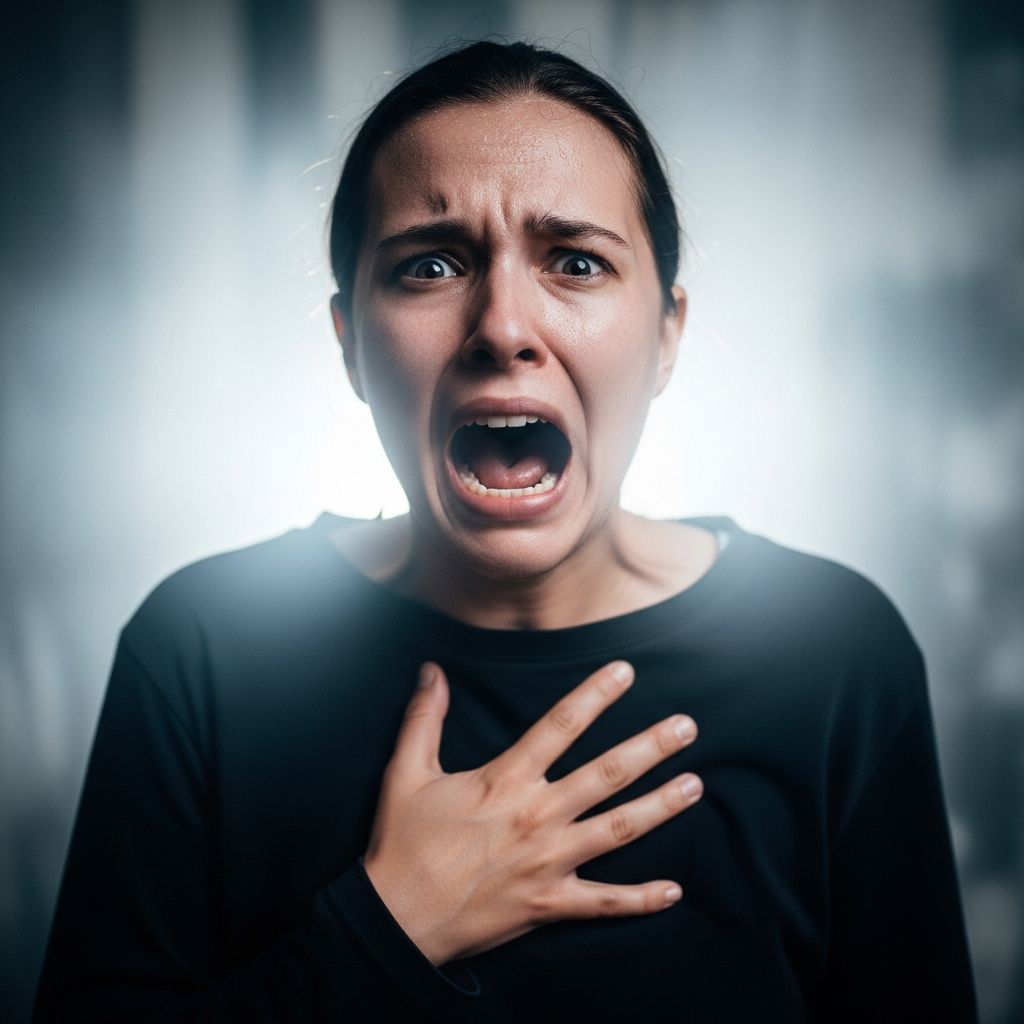
Panic attacks are sudden episodes of intense fear or anxiety that trigger severe physical reactions when there is no real danger or apparent cause. They peak within 10 minutes and can mimic life-threatening conditions like heart attacks, affecting at least 1 in 10 people occasionally.
These attacks occur due to the body’s fight-or-flight response, releasing adrenaline and causing symptoms such as rapid heartbeat, sweating, and breathlessness. While distressing, panic attacks are not dangerous but can lead to panic disorder if recurrent.
What is a panic attack?
A panic attack is a brief episode of extreme anxiety or fear that reaches its peak quickly, often without warning. It involves overwhelming physical and emotional symptoms, making individuals feel like they are losing control, dying, or going mad.
During an attack, the brain misinterprets safe signals as threats, activating the sympathetic nervous system. This ‘overdrive of nervous impulses’ floods the body with hormones like adrenaline (epinephrine), mimicking responses to real danger. Attacks typically last 5-20 minutes but can feel eternal, occurring anytime, even during sleep.
Panic attacks differ from general anxiety, which is more chronic and less intense. They are a hallmark of panic disorder when frequent and followed by persistent worry about future episodes. Not all panic attacks lead to disorder; many experience isolated ones.
Panic attack symptoms
Symptoms arise from hyperarousal of the nervous system and often overlap with heart attack signs, causing confusion. Common physical symptoms include:
- Palpitations or thumping heart: Pounding or racing heartbeat, the most common symptom.
- Sweating and trembling: Profuse sweating, chills, shaking, or tremors.
- Breathlessness: Feeling short of breath, choking sensations, or hyperventilation, which lowers CO2 levels causing light-headedness and pins and needles.
- Dizziness or faintness: Weakness, light-headedness, or feeling unsteady.
- Chest pain or discomfort: Tightness, sharp stabbing, or pressure, often centered on the racing heart.
- Nausea or stomach churning: Upset stomach, sickness, or abdominal pain.
- Tingling or numbness: Pins and needles in hands, feet, or extremities.
- Hot flushes or chills: Sudden temperature changes.
- Dry mouth: Reduced saliva production.
Emotional symptoms include intense fear of dying, impending doom, losing control, or detachment (derealization/depersonalization). These combine to create a terrifying cycle where fear worsens physical reactions.
| Symptom | Yes | No |
|---|---|---|
| Palpitations or accelerated heart rate | ✓ | ✓ |
| Sweating | ✓ | ✓ |
| Trembling or shaking | ✓ | ✓ |
| Sensations of shortness of breath or smothering | ✓ | ✓ |
| Feelings of choking | ✓ | ✓ |
| Chest pain or discomfort | ✓ | ✓ |
| Nausea or abdominal distress | ✓ | ✓ |
| Feeling dizzy, unsteady, light-headed, or faint | ✓ | ✓ |
| Chills or heat sensations | ✓ | ✓ |
| Paresthesias (numbness or tingling) | ✓ | ✓ |
| Derealization or depersonalization | ✓ | ✓ |
| Fear of losing control or going crazy | ✓ | ✓ |
| Fear of dying | ✓ | ✓ |
At least 4 symptoms, including one physical, confirm a panic attack. Nocturnal attacks (waking in panic) occur in up to 50% of cases but require medical evaluation to rule out other issues.
Panic attack or heart attack?
The overlap in symptoms leads many to believe they are having a heart attack, escalating panic. Shared symptoms include palpitations, shortness of breath, dizziness, sweating, nausea, trembling, and tingling.
Key differences:
- Pain location: Panic: sharp, stabbing, heart-centered. Heart attack: pressure/squeezing radiating to jaw, neck, arms, back.
- Onset and duration: Panic: sudden peak in minutes, resolves 5-30 min. Heart attack: gradual build, lasts longer.
- Associated symptoms: Heart attack may include jaw/arm pain, vomiting (especially in women), profound fatigue. Panic lacks these but includes fear of dying/madness.
- Risk factors: Heart attack linked to age, smoking, hypertension; panic to stress/anxiety history.
Related Stories



Always seek emergency care if unsure, especially with risk factors. ECG can differentiate. Personal account: Harry mistook chest pain and numbness for a heart attack, worsening his episode.
What causes panic attacks?
Causes involve genetic, biological, and environmental factors. Brain misfires interpret neutral stimuli as threats, triggering fight-or-flight.
- Biological: Imbalance in neurotransmitters (e.g., serotonin, norepinephrine); overactive amygdala (fear center).
- Genetics: Family history increases risk.
- Triggers: Stress, caffeine, trauma, phobias, or none (unexpected attacks).
- Related disorders: Often co-occurs with generalized anxiety, PTSD, or social anxiety.
Hyperventilation exacerbates symptoms by altering blood CO2, causing dizziness/tingling.
How to stop a panic attack
Immediate strategies break the fear cycle:
- Breathing techniques: Slow, deep breaths (4-7-8 method: inhale 4s, hold 7s, exhale 8s) to counter hyperventilation. Avoid rapid breathing advice; focus on abdominal breathing.
- Grounding (5-4-3-2-1): Name 5 things seen, 4 touched, 3 heard, 2 smelled, 1 tasted.
- Muscle relaxation: Tense/release muscle groups progressively.
- Cognitive: Remind ‘this is temporary, not dangerous.’ Distract with counting backward.
- Positioning: Sit/lie comfortably; cool cloth on face.
For others: Stay calm, reassure ‘it’s a panic attack, it’ll pass,’ guide breathing without controlling.
Treatment for panic attacks and panic disorder
Effective for 70-90%.
- Psychotherapy: CBT (12-20 sessions) teaches symptom management, reframing thoughts. Most effective long-term.
- Medications: SSRIs/SNRIs (e.g., sertraline) first-line; benzodiazepines short-term for acute relief.
- Lifestyle: Exercise, sleep hygiene, limit caffeine/alcohol, mindfulness.
Panic disorder diagnosed if attacks recur with 1+ month worry/avoidance. Early treatment prevents chronicity.
Frequently Asked Questions (FAQs)
Can panic attacks kill you?
No, panic attacks are not life-threatening despite feeling deadly. Symptoms resolve without harm.
How long do panic attacks last?
Typically 5-20 minutes, peaking in 10. Residual anxiety may linger.
Are panic attacks and anxiety attacks the same?
Panic attacks are acute; anxiety attacks more gradual, colloquial term.
Can children have panic attacks?
Yes, with similar symptoms like hyperventilation and fast heart rate.
When to see a doctor for panic attacks?
If frequent, interfering with life, or mimicking heart issues. Rule out medical causes first.
Panic attacks, while terrifying, are manageable. Seek professional help for lasting relief and reclaim control.
References
- Panic Disorder: When Fear Overwhelms — National Institute of Mental Health (NIMH). 2023-08-15. https://www.nimh.nih.gov/health/publications/panic-disorder-when-fear-overwhelms
- Am I having a heart attack or a panic attack? — Patient.info. 2024-05-20. https://patient.info/features/heart-health/am-i-having-a-heart-attack-or-a-panic-attack
- Panic Attacks (Panic Disorder): Causes, Symptoms, and Treatment — Patient.info. 2024-11-10. https://patient.info/mental-health/anxiety/panic-attack-and-panic-disorder
- What happens to your body during a panic attack? — Patient.info. 2024-03-05. https://patient.info/features/mental-health/panic-attack-symptoms
- Generalized Anxiety Disorder and Panic Disorder in Adults — American Academy of Family Physicians (AAFP). 2022-08-01. https://www.aafp.org/pubs/afp/issues/2022/0800/generalized-anxiety-disorder-panic-disorder.html
Similar Articles








Read full bio of medha deb