Panniculitis: Causes, Symptoms, and Treatment
Learn about panniculitis, its symptoms, causes, and effective treatment options for managing this inflammatory skin condition.
What Is Panniculitis?
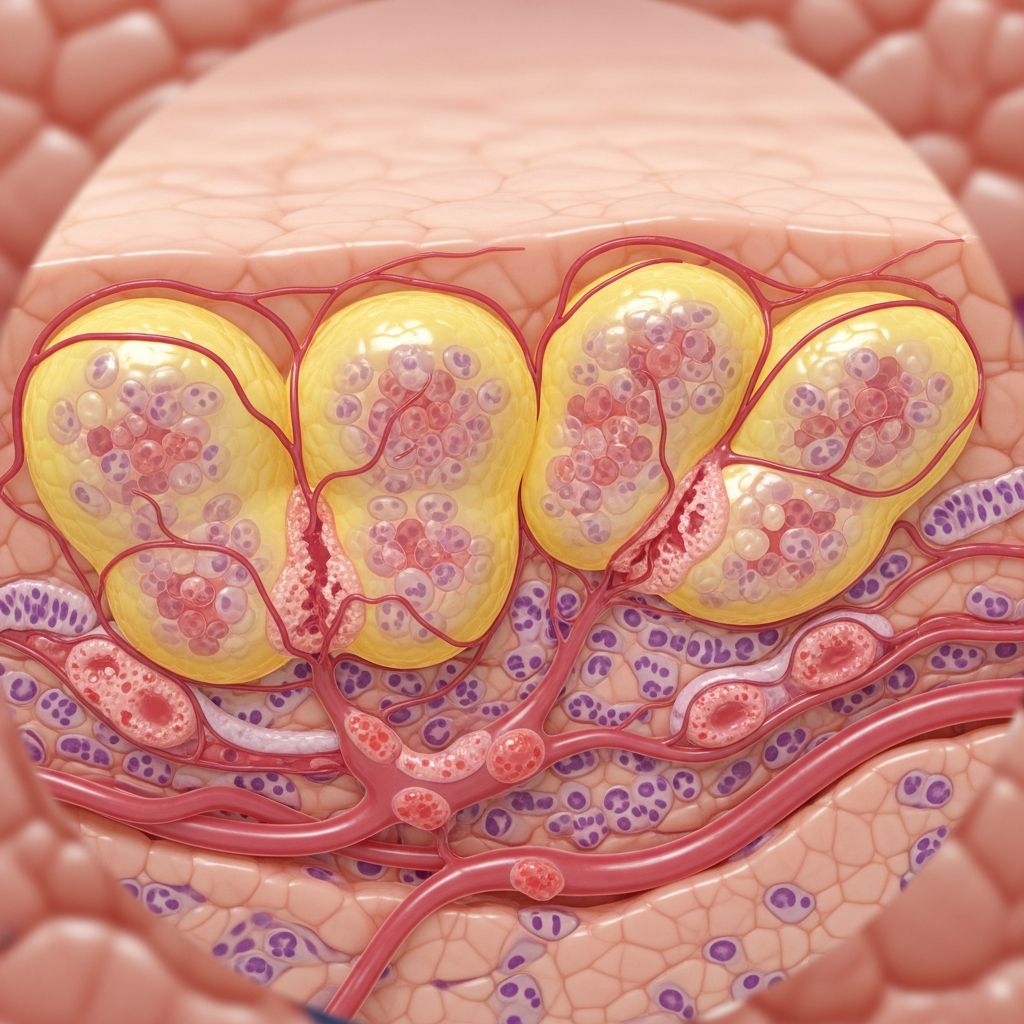
Panniculitis is a medical term used to describe inflammation of the fat layer beneath the skin, known as the subcutaneous tissue. This condition can affect people of all ages and may occur in various parts of the body, most commonly the legs, arms, and trunk. The inflammation leads to the formation of painful lumps, nodules, or plaques, often accompanied by skin discoloration. While panniculitis is not life-threatening, it can cause significant discomfort and may indicate an underlying health issue.
Types of Panniculitis
Panniculitis can be classified into several types based on the underlying cause and the specific tissues involved. The most common types include:
- Septal panniculitis: Inflammation primarily affects the septa (connective tissue) between fat lobules.
- Lobular panniculitis: Inflammation is centered within the fat lobules themselves.
- Septal and lobular panniculitis: Both septa and fat lobules are affected.
- Idiopathic panniculitis: No specific cause is identified.
- Secondary panniculitis: Caused by an underlying condition such as infection, autoimmune disease, or malignancy.
Symptoms of Panniculitis
The symptoms of panniculitis can vary depending on the type and severity of the condition. Common symptoms include:
- Painful, tender lumps or nodules under the skin
- Redness and swelling in the affected area
- Skin discoloration (often red, purple, or brown)
- Warmth in the affected area
- Ulceration or drainage from the nodules in severe cases
- Fever and malaise (in systemic forms)
Causes of Panniculitis
Panniculitis can be caused by a variety of factors, including:
- Infections: Bacterial, viral, or fungal infections can trigger panniculitis. For example, disseminated fusariosis can present as panniculitis-like lesions in immunocompromised individuals .
- Autoimmune diseases: Conditions such as lupus, rheumatoid arthritis, and Sjögren’s syndrome can lead to panniculitis.
- Medications: Certain drugs, including corticosteroids and some antibiotics, may cause panniculitis as a side effect.
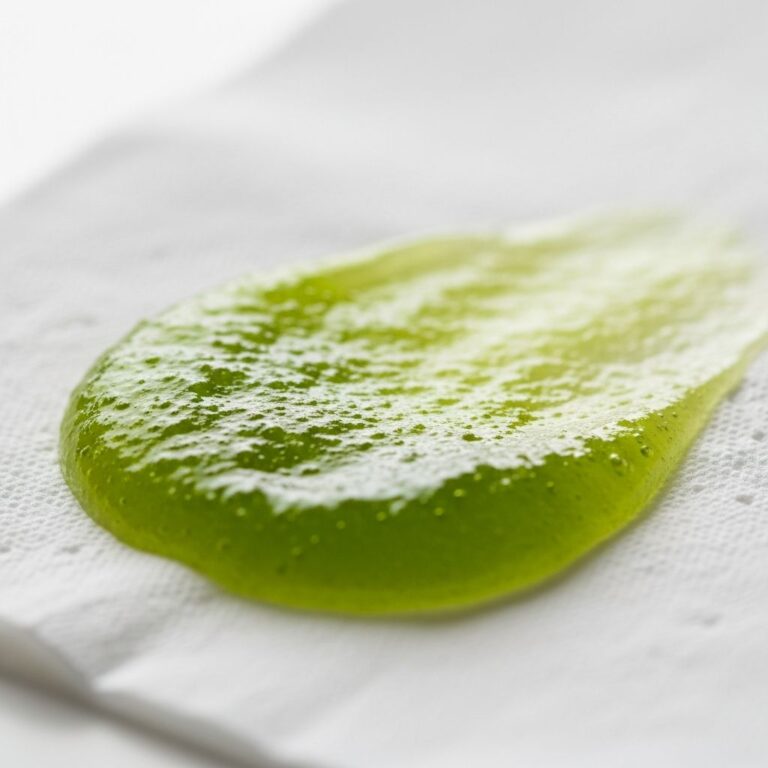
- Metabolic disorders: Conditions like alpha-1 antitrypsin deficiency can result in recurrent, tender erythematous nodules that ulcerate and produce an oily discharge .
- Trauma: Physical injury to the skin can sometimes lead to panniculitis.
- Malignancies: Some cancers, particularly lymphomas, can cause panniculitis.
- Idiopathic: In some cases, no specific cause is identified.
Diagnosis of Panniculitis
Diagnosing panniculitis typically involves a combination of clinical evaluation, imaging studies, and laboratory tests. The diagnostic process may include:
- Physical examination: A healthcare provider will examine the affected area for signs of inflammation, such as lumps, nodules, and skin discoloration.
- Imaging studies: Ultrasound, MRI, or CT scans may be used to visualize the extent of the inflammation and rule out other conditions.
- Biopsy: A skin biopsy may be performed to confirm the diagnosis and determine the type of panniculitis.
- Laboratory tests: Blood tests can help identify underlying causes, such as infections or autoimmune diseases.
Treatment of Panniculitis
Related Stories



The treatment of panniculitis depends on the underlying cause and the severity of the condition. Common treatment options include:
- Medications: Antibiotics, antifungals, or antivirals may be prescribed if an infection is the cause. Corticosteroids and immunosuppressive drugs may be used for autoimmune-related panniculitis.
- Pain management: Over-the-counter pain relievers such as ibuprofen or acetaminophen can help manage pain and discomfort.
- Supportive care: Rest, elevation of the affected area, and warm compresses can provide relief.
- Surgery: In rare cases, surgical intervention may be necessary to remove large, painful nodules or to address complications such as abscesses.
Prognosis and Follow-Up
The prognosis for panniculitis is generally good, especially when the underlying cause is identified and treated. Most people experience improvement in symptoms within a few weeks of starting treatment. However, some individuals may have recurrent episodes, particularly if the underlying cause is not fully addressed. Regular follow-up with a healthcare provider is important to monitor the condition and adjust treatment as needed.
Prevention of Panniculitis
While it may not always be possible to prevent panniculitis, certain measures can reduce the risk:
- Maintain good hygiene to prevent skin infections.
- Avoid trauma to the skin.
- Manage underlying health conditions, such as autoimmune diseases and metabolic disorders.
- Follow prescribed medication regimens and report any side effects to a healthcare provider.
Frequently Asked Questions (FAQs)
Q: What are the common symptoms of panniculitis?
A: Common symptoms include painful, tender lumps or nodules under the skin, redness, swelling, skin discoloration, warmth, and sometimes ulceration or drainage.
Q: How is panniculitis diagnosed?
A: Diagnosis typically involves a physical examination, imaging studies, and a skin biopsy to confirm the presence of inflammation and determine the type of panniculitis.
Q: What are the treatment options for panniculitis?
A: Treatment options include medications (antibiotics, antifungals, corticosteroids), pain management, supportive care, and in rare cases, surgery.
Q: Can panniculitis be prevented?
A: While not always preventable, maintaining good hygiene, avoiding skin trauma, managing underlying health conditions, and following prescribed medication regimens can help reduce the risk.
Q: What is the prognosis for panniculitis?
A: The prognosis is generally good, with most people experiencing improvement in symptoms within a few weeks of starting treatment. Recurrent episodes may occur if the underlying cause is not fully addressed.
References
- Disseminated fusariosis presenting as panniculitis-like lesions on the legs of a neutropenic girl with acute lymphoblastic leukemia — Dermatology Online Journal. 2009. https://escholarship.org/uc/item/66w63943
- Panniculitis due to alpha-1 antitrypsin deficiency produces recurrent, tender erythematous nodules that ulcerate and produce an oily discharge — Cleveland Clinic Journal of Medicine. 2012. https://www.ccjm.org/content/ccjom/75/6/414.full.pdf
- Mesenteric panniculitis: Diet, Treatment, Symptoms & What It Is — Cleveland Clinic. 2023. https://my.clevelandclinic.org/health/diseases/23910-mesenteric-panniculitis
Similar Articles








Read full bio of medha deb