Panton-Valentine Leukocidin Staphylococcus Aureus
Understanding PVL-SA: A virulent Staphylococcus aureus strain causing recurrent skin infections and severe complications.
Introduction
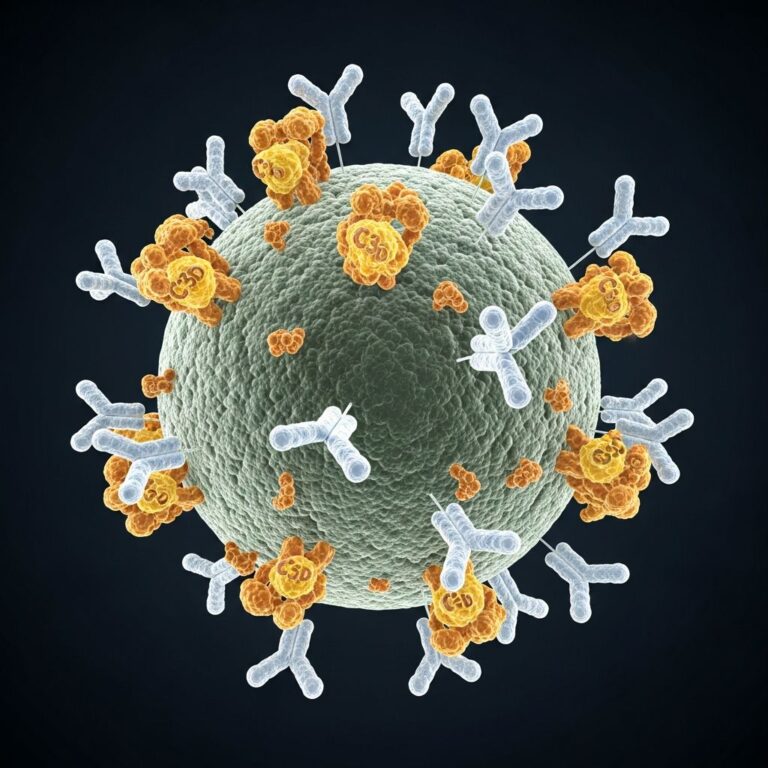
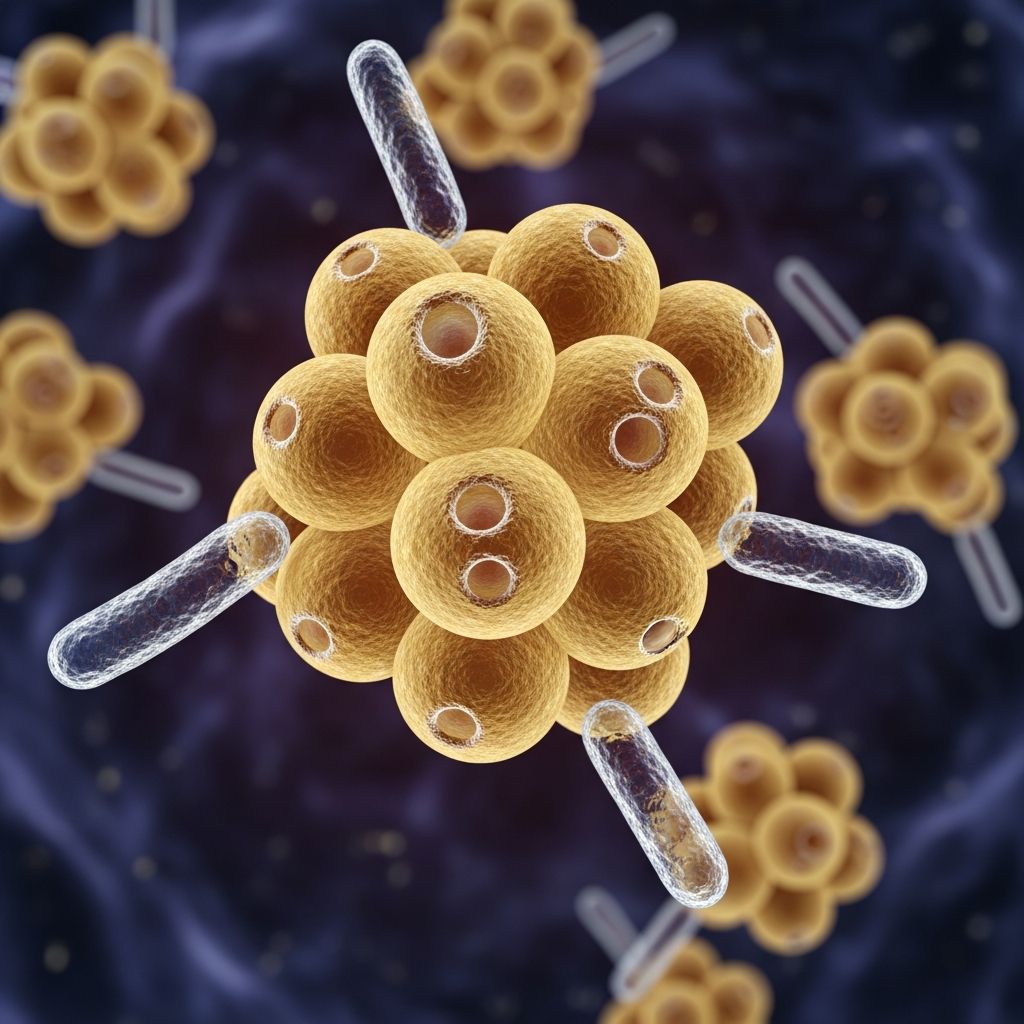
Panton-Valentine leukocidin (PVL) is a potent exotoxin produced by specific strains of Staphylococcus aureus (SA), commonly referred to as PVL-SA. This cytotoxin targets and lyses human neutrophils, monocytes, and macrophages, leading to leukocyte destruction, tissue necrosis, and apoptosis. PVL-SA enhances the pathogen’s virulence, making it highly transmissible and resistant to standard antibiotic treatments, often resulting in recurrent skin and soft tissue infections (SSTIs) despite therapy.
Although PVL is produced by less than 5% of all S. aureus strains, it is disproportionately found in isolates causing severe necrotic skin lesions and necrotizing pneumonia. The toxin’s components, LukS-PV and LukF-PV, are encoded by genes carried on bacteriophages, forming cytolytic pores in immune cell membranes. This article covers demographics, causes, clinical features, complications, diagnosis, treatment, prevention, and outcomes of PVL-SA infections.
Demographics
PVL-SA infections predominantly affect otherwise healthy individuals, particularly children, young adults, and athletes. It is increasingly reported in community settings worldwide, including outbreaks in families, schools, and sports teams. High-risk groups include those with close contact environments, such as households or prisons. In one documented cluster in Jerusalem, multiple family members across two related families developed recurrent SSTIs over six months, highlighting familial transmission.
Geographically, PVL-SA is more common in certain regions; for instance, it is associated with methicillin-resistant S. aureus (MRSA) clones like USA300 in the Americas and Europe. Healthy patients without comorbidities are classic presenters, with hallmark signs of recurrent boils and necrotizing SSTIs.
Causes
The primary cause of PVL-SA disease is infection with Staphylococcus aureus strains harboring the lukS-PV and lukF-PV genes. These genes encode the two synergistic proteins forming the PVL toxin, which induces pore formation in leukocyte membranes, causing cell lysis at high concentrations or apoptosis at low ones.
S. aureus colonizes moist body areas like the nostrils, armpits, and groin in about one-third of people asymptomatically. PVL-positive strains are highly transmissible via skin-to-skin contact, shared items, or crowded living conditions. Key risk factors, known as the ‘five Cs’, include:
- Close contact: Households, prisons, sports teams.
- Crowding: Schools, gyms, military barracks.
- Contaminated surfaces: Towels, gym equipment.
- Cuts or abrasions: Entry points for bacteria.
- Compromised hygiene: Poor cleaning practices.
In family clusters, nasal carriage persisted, leading to high attack rates. PVL strains can be methicillin-susceptible (MSSA) or resistant (MRSA), with both causing severe disease.
Clinical Features
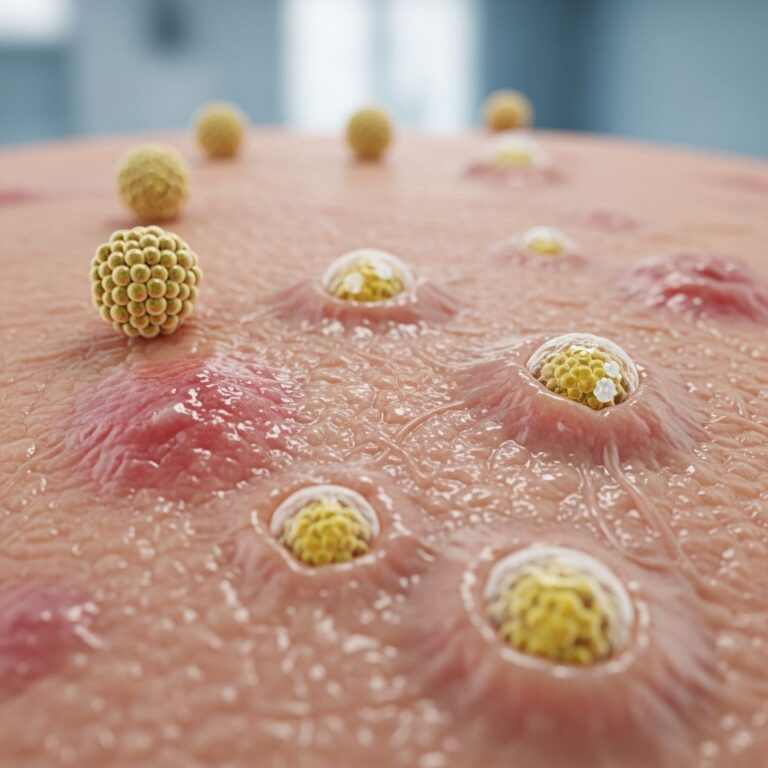
PVL-SA typically presents with painful, recurrent boils (furuncles) and abscesses that fail to resolve with antibiotics. Skin manifestations include red, swollen, pus-filled lumps on the face, limbs, buttocks, or perianal area. Infections often recur in multiple sites.
Common features:
- Recurrent furunculosis or carbuncles.
- Necrotizing cellulitis or abscesses requiring drainage.
- Periorbital or perianal cellulitis.
- Finger pulp-space infections.
In severe cases, it progresses to deeper tissues. Systemic symptoms like fever may occur, but patients are often young and healthy. A table summarizing a family outbreak illustrates patterns:
Related Stories



| Case | Family | Age/Sex | Site | Prior Isolate | Current Isolate | Management |
|---|---|---|---|---|---|---|
| 1 | A | M/4 | Perianal abscess | None | MSSA, Ery/Clin-R | I/P |
| 2 | A | M/36 | Leg cellulitis/abscess | MSSA, Ery/Clin-R | MSSA, Ery/Clin-R | I/P |
| 3 | A | F/32 | Periorbital cellulitis | MSSA, Ery/Clin-R | MSSA, Ery/Clin-R | I/P, drainage |
| 8 | B | M/9 | Knee cellulitis/abscess | MSSA, Ery/Clin-R | MSSA, Ery/Clin-R | I/P |
(Adapted from family cluster data. Ery/Clin-R: Erythromycin/Clindamycin resistant; I/P: Incision and drainage plus antibiotics.)
Complications
While SSTIs are common, PVL-SA can lead to severe complications:
- Necrotizing fasciitis: Rapid tissue destruction.
- Necrotizing haemorrhagic pneumonia: High mortality, often post-viral.
- Purpura fulminans: Disseminated intravascular coagulation.
- Bacteraemia: Associated with IV drug use or catheters.
- Osteomyelitis or septic arthritis: Bone/joint involvement.
PVL exacerbates invasiveness, with strains producing detectable toxin levels under standard culture conditions. Mortality from pneumonia can exceed 50%.
Diagnosis
Diagnosis combines clinical suspicion with microbiological confirmation. Suspect PVL-SA in recurrent boils in healthy patients. Swab pus, blood, or sputum for culture. Identify S. aureus, test susceptibility, and detect PVL genes via PCR for lukS-PV/lukF-PV.
Rapid lateral flow assays detect PVL protein in cultures with 99.7% sensitivity and 98.3% specificity, suitable for routine labs. Nasal swabs screen carriers. Pulsed-field gel electrophoresis (PFGE) confirms clonal outbreaks. Imaging (MRI/ultrasound) assesses deep abscesses.
Treatment
Treatment requires incision and drainage (I&D) of abscesses plus antibiotics targeting PVL-SA. Avoid macrolides/beta-lactams alone due to resistance and poor intracellular penetration. Recommended:
- First-line: Clindamycin or linezolid (protein synthesis inhibitors suppress toxin).
- Alternatives: Vancomycin (MRSA), trimethoprim-sulfamethoxazole, doxycycline.
- Severe cases: IV vancomycin + clindamycin.
Duration: 7-14 days for SSTIs, longer for invasive disease. Decolonization post-treatment.
Prevention
Prevent spread via hygiene and decolonization:
- Mupirocin nasal ointment (twice daily x5 days).
- Chlorhexidine baths (4% daily x5-7 days).
- Household screening and treatment.
- Avoid sharing towels/razors; cover wounds.
- Contact precautions in healthcare.
Outbreak control: Screen contacts, no new cases after intervention in reported cluster.
Outcome
With prompt I&D, antibiotics, and decolonization, SSTIs resolve well, preventing recurrences. However, invasive diseases like necrotizing pneumonia have high morbidity/mortality. Long-term nasal carriage risks reinfection. Surveillance and awareness reduce community spread.
Frequently Asked Questions
What is PVL-SA?
PVL-SA is Staphylococcus aureus producing Panton-Valentine leukocidin toxin, causing severe skin infections and pneumonia.
Who is at risk?
Healthy young people in close-contact settings; follows the ‘five Cs’.
How is it treated?
Drainage + clindamycin/linezolid; decolonize carriers.
Can it be prevented?
Yes, via hygiene, mupirocin, and chlorhexidine.
Is it contagious?
Highly, person-to-person via skin contact.
References
- Panton-Valentine Leukocidin–producing Staphylococcus aureus — CDC Emerging Infectious Diseases. 2012-05-01. https://pmc.ncbi.nlm.nih.gov/articles/PMC3372361/
- Panton-Valentine Leukocidin S. Aureus (PVL-SA) — DermNet NZ. 2023-01-01. https://dermnetnz.org/topics/panton-valentine-leukocidin-staphylococcus-aureus
- Panton-Valentine leucocidin-producing Staphylococcus aureus — PubMed. 2022-09-01. https://pubmed.ncbi.nlm.nih.gov/36040400/
- Rapid Detection of Panton-Valentine Leukocidin in Staphylococcus — Journal of Clinical Microbiology (ASM). 2013-02-01. https://journals.asm.org/doi/10.1128/jcm.02285-12
- PVL (Panton Valentine Leukocidin) Staphylococcus Aureus — Primary Care Dermatology Society. 2023-01-01. https://www.skinhealthinfo.org.uk/condition/panton-valentine-leukocidin-staphylococcus-aureus/
- Epidemiological and clinical features of Panton-Valentine — PLOS ONE. 2022-03-01. https://journals.plos.org/plosone/article?id=10.1371/journal.pone.0265476
Similar Articles








Read full bio of Sneha Tete