Pantoprazole Tablets: Uses, Dosage, Side Effects & Safety
Complete guide to pantoprazole tablets: how they work, dosages, side effects, and when to use them.
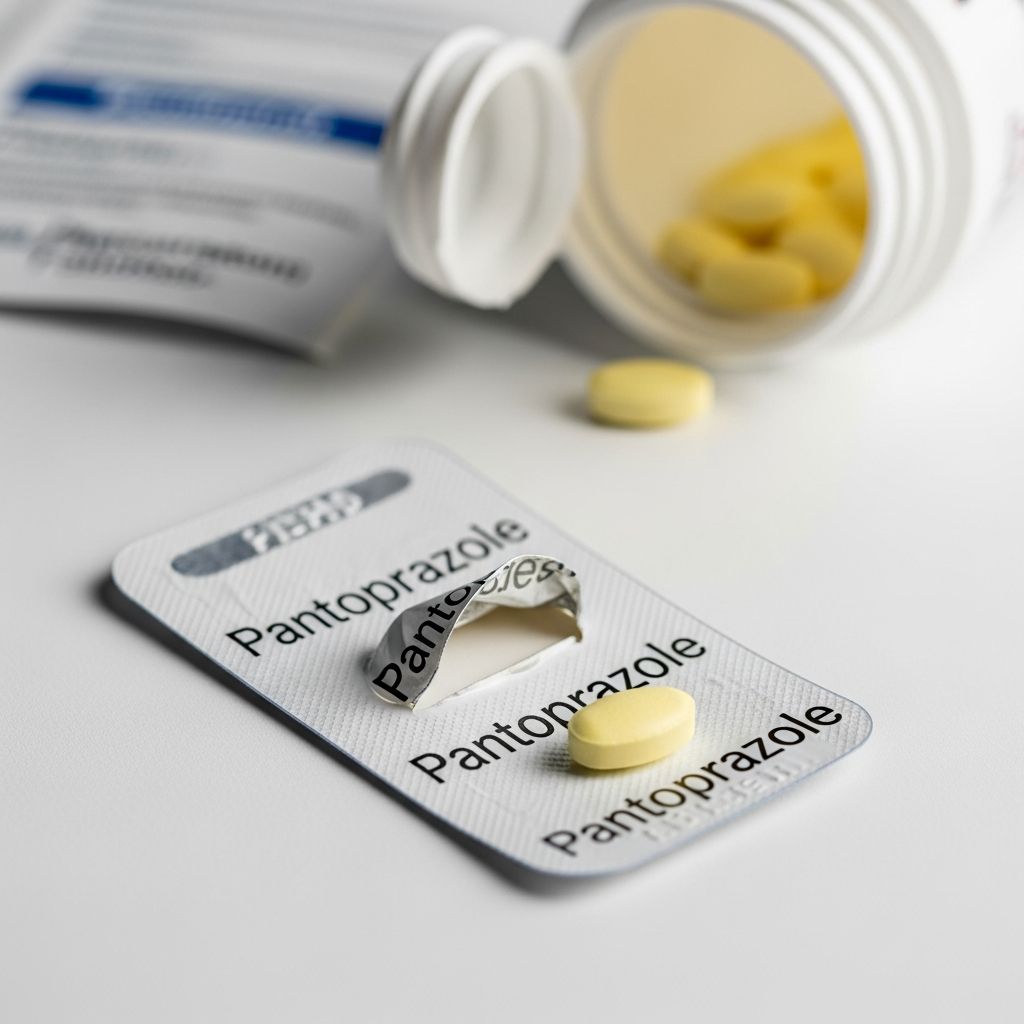
What Is Pantoprazole?
Pantoprazole is a proton pump inhibitor (PPI) medication that works by reducing the amount of acid produced by the stomach. The brand name for pantoprazole is Protonix, and it is one of the most commonly prescribed medications for treating acid-related conditions. Pantoprazole belongs to a class of medications called proton pump inhibitors, which are designed to decrease stomach acid production significantly. By blocking the enzyme responsible for acid secretion, pantoprazole reduces stomach acid by approximately 65% after consistent use over several days, while still allowing your body to produce enough acid to digest food properly.
This medication is available in multiple forms, including delayed-release tablets, packets, and powder for suspension, providing flexibility for different patient needs and preferences. Pantoprazole is available only with a doctor’s prescription and is typically used for short-term treatment of various acid-related conditions.
Medical Uses and Indications
Pantoprazole tablets are primarily used to treat conditions caused by excessive stomach acid production. The main indications include:
Erosive Esophagitis
Erosive esophagitis occurs when the esophagus becomes inflamed and develops erosions due to repeated exposure to stomach acid, typically from gastroesophageal reflux disease (GERD). Clinical studies have demonstrated that pantoprazole is highly effective for healing erosive esophagitis. In a multicenter study involving 603 patients with endoscopically confirmed erosive esophagitis, the 40-mg dose produced healing rates of 88% after 8 weeks compared to only 33% for placebo. The 40-mg dose also produced greater rates of healing and earlier healing than lower doses, regardless of disease severity.
Gastroesophageal Reflux Disease (GERD)
GERD is a chronic condition where stomach acid regularly washes back up into the esophagus, causing symptoms like heartburn and acid reflux. Pantoprazole is highly effective at relieving GERD symptoms. In clinical trials, patients taking pantoprazole 40 mg experienced significant symptom relief as early as day 1 of treatment. The medication helps prevent acid reflux by reducing overall stomach acid production, allowing the esophagus to heal and preventing symptom recurrence.
Zollinger-Ellison Syndrome
This is a rare condition caused by a tumor in the pancreas or gut that produces excessive amounts of the hormone gastrin, leading to severe acid overproduction. Pantoprazole is specifically indicated for treating this hypersecretory condition, where high doses may be necessary to control acid production adequately.
Heartburn and Acid Reflux
Over-the-counter pantoprazole formulations (typically 20 mg) are available in some countries for short-term treatment of occasional heartburn and acid reflux in adults, making it accessible for mild symptoms without requiring a prescription.
How Pantoprazole Works
Pantoprazole works through a specific mechanism that targets the source of stomach acid production. As a proton pump inhibitor, it blocks the proton pump enzyme (H+/K+-ATPase) located in the stomach’s parietal cells. This enzyme is responsible for secreting hydrogen ions into the stomach, which combine with chloride to form hydrochloric acid. By inhibiting this pump, pantoprazole significantly reduces the amount of acid produced by the stomach.
Related Stories



The medication must be taken consistently for several days to achieve maximum effectiveness, as it gradually accumulates and builds up the inhibition of acid-producing mechanisms. Once you achieve therapeutic levels, the reduction of approximately 65% in stomach acid production is typically maintained throughout the day, providing relief from symptoms and allowing damaged tissues to heal.
Dosage and Administration
The appropriate dosage of pantoprazole depends on the condition being treated and individual patient factors. Your healthcare provider will determine the specific dose and duration that is right for your situation.
Standard Dosing
For erosive esophagitis, the typical adult dosage is 40 milligrams once daily for up to 8 weeks. Your doctor may recommend continuing treatment for longer than 8 weeks if necessary for your specific condition. For Zollinger-Ellison syndrome, the starting dose is typically 40 milligrams twice daily, with your doctor potentially increasing the dose as needed based on your response and acid production levels.
Timing of Administration
Doctors typically recommend taking pantoprazole in the morning, usually 30 to 60 minutes before eating breakfast. This timing is important because it allows the medication to be optimally absorbed and positioned to work throughout the day when acid production is typically highest. Taking it before eating ensures proper absorption without food interference and maximizes the medication’s effectiveness.
How to Take Pantoprazole Tablets
Delayed-release pantoprazole tablets should be swallowed whole with water and must not be chewed, crushed, or split, as this would damage the special coating that allows the medication to reach the stomach intact. For patients with difficulty swallowing or those receiving nutrition through feeding tubes, the medication is available in packet form that can be mixed with apple juice and administered through the tube.
Missed Doses
If you miss a dose of pantoprazole, take it as soon as you remember. However, if it is almost time for your next scheduled dose, skip the missed dose and resume your regular dosing schedule. Never double up on doses to make up for a missed one, as this could lead to excessive medication levels.
Effectiveness and Clinical Outcomes
Clinical evidence strongly supports the effectiveness of pantoprazole for treating acid-related conditions. In the placebo-controlled study of 603 patients with erosive esophagitis, pantoprazole demonstrated superior healing rates across all tested doses. The cumulative healing rates after 8 weeks were 33% for placebo, 59% for 10 mg pantoprazole, 78% for 20 mg pantoprazole, and 88% for 40 mg pantoprazole. These results show a clear dose-response relationship, with higher doses producing better outcomes.
Additionally, pantoprazole provided rapid symptomatic relief, with patients on the 40 mg dose experiencing relief of reflux symptoms on the first day of treatment. This rapid onset of symptom relief, combined with high healing rates, makes pantoprazole an effective option for patients suffering from GERD and related conditions.
Common Side Effects
Most patients tolerate pantoprazole well, with side effects typically being mild and manageable. The most commonly reported side effects include headaches and diarrhea, which tend to be mild and often resolve when you stop taking the medication. Other potential side effects may include nausea, abdominal pain, and constipation, though these occur less frequently.
In clinical trials involving over 600 patients, no serious treatment-related adverse events were reported, demonstrating the safety profile of pantoprazole across the doses studied. The medication has a good safety profile overall, though as with any medication, individual responses may vary.
Precautions and Contraindications
Before starting pantoprazole, inform your healthcare provider about any allergies you have, particularly to pantoprazole or other proton pump inhibitors. Long-term use of pantoprazole may affect the absorption of certain nutrients and vitamins, including vitamin B12 and calcium, potentially requiring monitoring or supplementation in some cases. Additionally, inform your doctor about all other medications you are taking, as pantoprazole may interact with certain drugs.
Pantoprazole may not be appropriate for patients with severe liver disease or those with a history of hypersensitivity reactions to PPIs. Special consideration should be given to pregnant and breastfeeding women, as the safety profile during these periods requires medical evaluation.
Long-Term Use Considerations
Once you start taking a proton pump inhibitor like pantoprazole, you may need to stay on it indefinitely for chronic conditions like GERD. This is because GERD is often a chronic condition that recurs when medication is discontinued. However, your doctor will monitor your condition and may adjust your dosage over time or discontinue the medication if your condition improves sufficiently.
Some patients may require intermittent dosing or on-demand therapy rather than continuous daily dosing, depending on their symptoms and disease severity. Regular follow-up with your healthcare provider ensures that your treatment remains appropriate and effective.
Availability and Forms
Pantoprazole is available in several dosage forms to accommodate different patient needs and preferences. These include delayed-release tablets (available in 20 mg and 40 mg strengths in many countries), packets of granules that can be mixed with liquid, and powder for oral suspension. The tablet formulation is the most commonly prescribed, while the packet and suspension forms are useful for patients who have difficulty swallowing pills or require administration through feeding tubes.
Frequently Asked Questions About Pantoprazole
Q: How long does it take for pantoprazole to work?
A: Many patients experience symptom relief within the first day of taking pantoprazole. However, full healing of erosive esophagitis typically takes 4 to 8 weeks of consistent daily use at the appropriate dose.
Q: Can I take pantoprazole long-term?
A: Yes, pantoprazole can be taken long-term under medical supervision. Many patients with chronic GERD require ongoing treatment to manage symptoms and prevent relapse. Your doctor will determine the appropriate duration of therapy for your specific condition.
Q: Should I take pantoprazole with food?
A: Pantoprazole is best taken 30 to 60 minutes before eating breakfast on an empty stomach. Taking it before meals allows for optimal absorption and effectiveness throughout the day.
Q: What should I do if I miss a dose?
A: Take the missed dose as soon as you remember, unless it is almost time for your next scheduled dose. Never double up on doses to compensate for a missed one.
Q: Can I crush or chew pantoprazole tablets?
A: No, delayed-release pantoprazole tablets must be swallowed whole. Crushing or chewing them destroys the special coating that allows the medication to reach the stomach properly.
Q: What are the side effects of pantoprazole?
A: The most common side effects are headaches and diarrhea, which are usually mild and temporary. More serious side effects are rare but may include severe allergic reactions or unusual bruising. Always read the medication information leaflet for a complete list of side effects.
Q: Can pantoprazole interact with other medications?
A: Yes, pantoprazole may interact with certain medications. Always inform your healthcare provider about all medications, supplements, and over-the-counter products you are taking before starting pantoprazole.
Q: Is pantoprazole safe during pregnancy?
A: The safety of pantoprazole during pregnancy requires medical evaluation. Discuss your pregnancy status or plans with your healthcare provider before taking pantoprazole.
References
- Pharmacotherapy Update: Intravenous Pantoprazole (Protonix®) — Cleveland Clinic Medical Education. Accessed from https://www.clevelandclinicmeded.com/medicalpubs/pharmacy/septoct2003/pantoprazole.htm
- Pantoprazole (Oral Route) — Description, Dosage, and Administration — Mayo Clinic. Accessed from https://www.mayoclinic.org/drugs-supplements/pantoprazole-oral-route/description/drg-20071434
- Oral Pantoprazole for Erosive Esophagitis: A Placebo-Controlled Dose-Response Study — PubMed/National Center for Biotechnology Information. 2001. Accessed from https://pubmed.ncbi.nlm.nih.gov/11095320/
- PANTOPRAZOLE Medication: Use, Common Doses, and Side Effects — Educational Health Video Resource. Accessed from https://www.youtube.com/watch?v=UMk_cZcSrZM
- Why Take Pantoprazole First Thing in the Morning? — HealthCentral. Accessed from https://www.healthcentral.com/article/why-prevacid-morning-when-acid-reflex-night
- Proton Pump Inhibitors (PPIs): What They Are & Side Effects — Cleveland Clinic. Accessed from https://my.clevelandclinic.org/health/articles/proton-pump-inhibitors
- Pantoprazole Tablets: Overview and Clinical Information — Cleveland Clinic. Accessed from https://my.clevelandclinic.org/health/drugs/21005-pantoprazole-tablets
Similar Articles








Read full bio of medha deb