Pantoprazole: 4 Common Side Effects, Uses, Dosage
Comprehensive guide to pantoprazole: uses, dosage, side effects, and key considerations for managing stomach acid effectively.
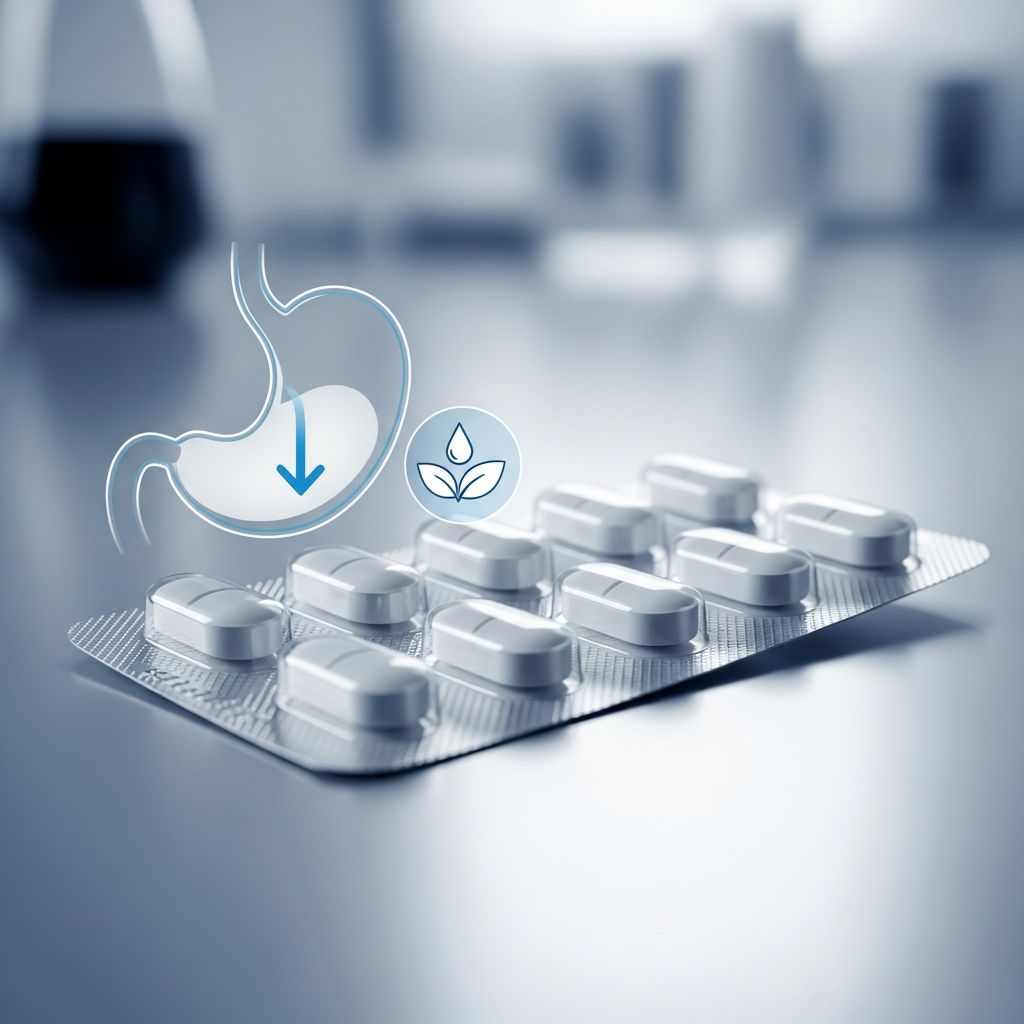
Pantoprazole is a proton pump inhibitor (PPI) medication that effectively reduces stomach acid production by irreversibly binding to the H+/K+ ATPase enzyme system on gastric parietal cells.
About pantoprazole
Pantoprazole belongs to the class of proton pump inhibitors (PPIs), which are widely used to manage conditions caused by excess stomach acid. It works by targeting the final step in gastric acid secretion, providing long-lasting suppression of both basal and stimulated acid production for over 24 hours.
Available under brand names like Protonix, pantoprazole is prescribed for gastroesophageal reflux disease (GERD), peptic ulcers, and Zollinger-Ellison syndrome. It is administered orally as delayed-release tablets or intravenously for hospital use. The drug is converted to its active form in the acidic environment of the parietal cell canaliculus, ensuring targeted action.
Key advantages include its dose-dependent efficacy, with standard doses reducing acid secretion by more than 90%, and a favorable profile with fewer drug interactions compared to some other PPIs.
Key facts about pantoprazole
- Drug group: Proton pump inhibitor (PCI)
- Common brands: Protonix (prescription); over-the-counter versions may vary by region
- Price: Generic versions are affordable; costs depend on dosage and form
- Available as: Tablets (20 mg, 40 mg delayed-release), intravenous injection
Pantoprazole is highly protein-bound (98%) with a plasma half-life of about 1-2 hours, but its antisecretory effect lasts much longer due to irreversible binding.
When to take pantoprazole
Take pantoprazole once daily, preferably in the morning before a meal, to maximize its effectiveness. Swallow tablets whole with water; do not crush or chew as this disrupts the delayed-release mechanism.
For optimal results in acid suppression, consistent timing is crucial, especially for conditions like GERD where maintaining elevated gastric pH is key. Under maximal stimulation, doses of 20-40 mg significantly increase gastric pH above 4 for extended periods.
How to take pantoprazole
Follow your doctor’s instructions precisely. Standard adult oral dose for most conditions is 40 mg once daily. For children or specific cases, doses are weight-based.
- Tablets: Swallow whole; take with or without food, but morning dosing is ideal.
- Intravenous: Used in hospitals for patients unable to take oral meds.
- Miss a dose? Take as soon as remembered unless near next dose; do not double up.
If using for NSAID-associated ulcers, continue for the full course even if symptoms improve.
Common questions about pantoprazole
How long does pantoprazole take to work?
Acid suppression begins within 2-3 hours of the first dose, with peak plasma levels reached then. Full symptom relief may take 1-4 days; healing of erosions can require 4-8 weeks.
How long do I take pantoprazole for?
Duration varies: 4-8 weeks for erosive esophagitis or ulcers; longer for maintenance in GERD or Zollinger-Ellison. Long-term use requires monitoring for side effects.
Can I take pantoprazole on an empty stomach?
Yes, it’s recommended before meals for best absorption and activation in acidic conditions.
Related Stories



Can I take pantoprazole with painkillers?
Yes, it’s often used with NSAIDs to prevent ulcers, but monitor for interactions.
Who’s most likely to get side effects?
Those on long-term high doses, elderly, or with liver issues may experience more effects like hypomagnesemia.
Dosage
Dosage is tailored to condition, age, and response. Below is a summary table for adults:
| Condition | Adult Dose | Duration |
|---|---|---|
| GERD (erosive esophagitis) | 40 mg once daily | 8 weeks (maintenance 20-40 mg) |
| Duodenal ulcer | 40 mg once daily | 4 weeks |
| Gastric ulcer | 40 mg once daily | 8 weeks |
| Zollinger-Ellison | 40 mg twice daily (up to 240 mg/day) | Long-term |
| NSAID-associated | 20 mg once daily | As needed |
Pediatric doses (ages 5+): 20-40 mg based on weight. Adjust for renal/hepatic impairment.
What if I take too much?
Overdose is rare but may cause nausea, vomiting, or dizziness. Seek medical help immediately; no specific antidote exists—supportive care is provided.
What are the side effects of pantoprazole?
Most are mild and transient. Serious effects are uncommon but require attention.
Common side effects
These affect more than 1 in 100 people:
- Headache
- Diarrhea
- Nausea, flatulence
- Abdominal pain
Serious side effects
Seek urgent care for:
- Signs of allergy (rash, swelling, breathing issues)
- Severe diarrhea (possible C. difficile)
- Low magnesium (muscle spasms, irregular heartbeat)
- Bone fractures with long-term use
- Vitamin B12 deficiency
Long-term use (>1 year) may increase risks of infections, kidney issues, or fundic gland polyps.
How to cope with side effects of pantoprazole
- Headache: Rest, hydrate; paracetamol if needed.
- Feeling sick: Eat smaller meals; ginger helps.
- Being sick: Sip fluids; avoid large meals.
- Constipation: Increase fiber, water.
- Diarrhea: Stay hydrated; see doctor if persistent.
Pregnancy and breastfeeding
Pantoprazole is category B in pregnancy—generally safe but use only if benefits outweigh risks. Limited data; consult doctor. It passes into breast milk in small amounts; monitor infant for side effects.
Other medicines, food and drink, and pantoprazole
Pantoprazole has fewer interactions but affects absorption of drugs like ketoconazole, iron, or digoxin. Avoid St John’s wort. No major food interactions; alcohol in moderation.
Cautions when taking pantoprazole
- Liver disease
- Osteoporosis risk
- Long-term use monitoring
Common questions about pantoprazole
Will pantoprazole make me sleepy?
No, it doesn’t typically cause drowsiness.
Will I gain or lose weight?
Not commonly; diet-related changes possible.
Does pantoprazole affect contraception?
No direct effect.
Does pantoprazole cause hair loss?
Rare; report if occurs.
About NICE
This information aligns with guidance from reputable sources like NICE, ensuring evidence-based recommendations for pantoprazole use.
Frequently Asked Questions (FAQs)
Is pantoprazole the same as omeprazole?
Both are PPIs with similar actions, but pantoprazole may have a longer duration and fewer interactions.
Can I stop taking pantoprazole suddenly?
Taper if long-term to avoid rebound acid hypersecretion; consult your doctor.
Does pantoprazole heal ulcers?
Yes, by reducing acid, it promotes healing, often combined with antibiotics for H. pylori.
References
- Pantoprazole Mechanism of Action — DrOracle.ai. 2023. https://www.droracle.ai/articles/177002/what-is-the-mechanism-of-action-of-pantoprazole-proton
- Pantoprazole – StatPearls — NCBI Bookshelf. 2023-10-01. https://www.ncbi.nlm.nih.gov/books/NBK499945/
- Protonix (pantoprazole sodium) Drug Label — FDA AccessData. 2000. https://www.accessdata.fda.gov/drugsatfda_docs/label/2000/20987lbl.pdf
- Pantoprazole: a proton pump inhibitor — PubMed. 2009-11-01. https://pubmed.ncbi.nlm.nih.gov/19938880/
- Pantoprazole Nursing Considerations — SimpleNursing. 2023. https://simplenursing.com/pantoprazole-nursing-considerations/
- Pantoprazole – Wikipedia (for structure) — Wikipedia. 2023. https://en.wikipedia.org/wiki/Pantoprazole
Similar Articles








Read full bio of Sneha Tete