Papaya Benefits: 8 Science-Backed Health Advantages
Discover the impressive health benefits of papaya, from boosting immunity and heart health to aiding digestion and skin vitality.
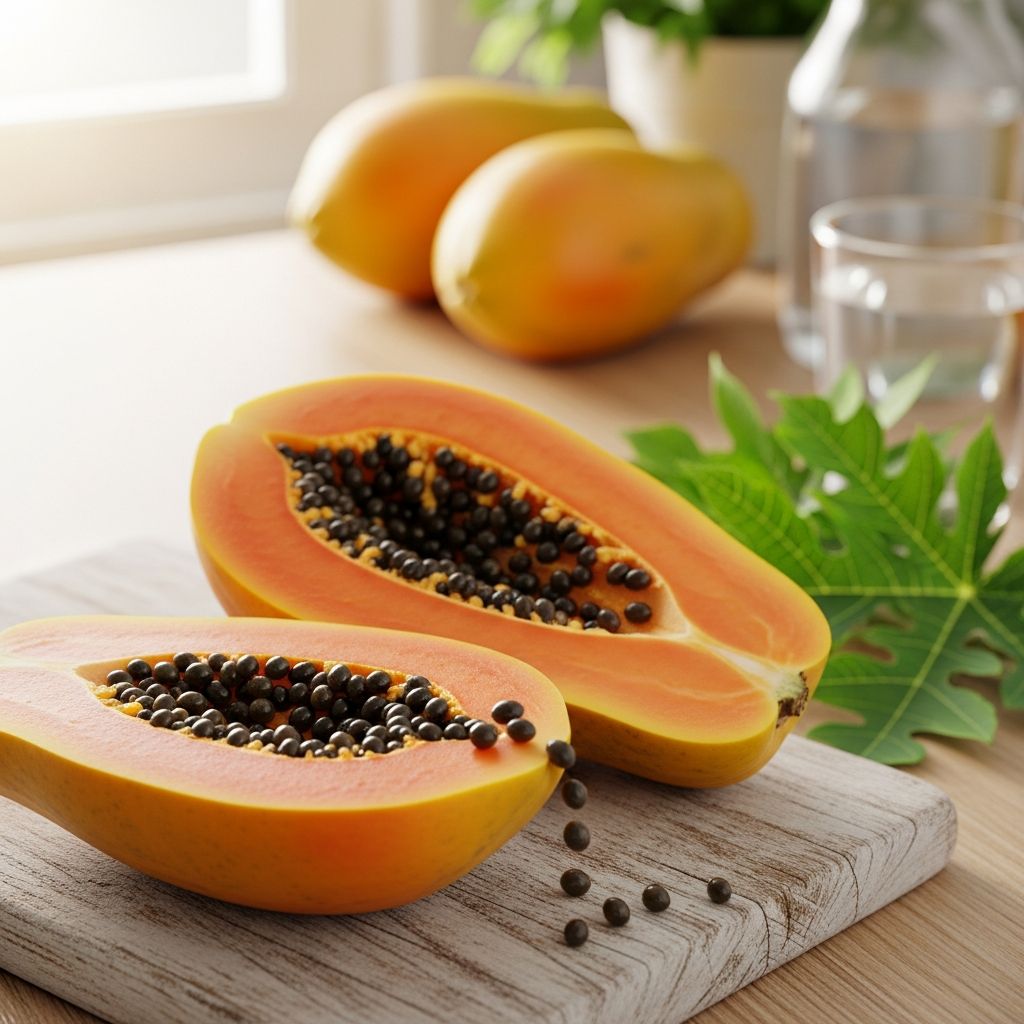
Papaya, known scientifically as Carica papaya, is a tropical fruit celebrated for its sweet, juicy flesh and impressive nutritional profile. Native to Central America and northern South America, this melon-like fruit is now cultivated worldwide in tropical regions. With its vibrant orange flesh and black seeds, papaya is not only delicious but also a powerhouse of nutrients that support various aspects of health. This article delves into the key papaya benefits, backed by scientific insights, and provides practical tips for incorporating it into your diet.
What Is Papaya?
Papaya is a large, pear-shaped fruit from the Caricaceae family. It typically weighs 1 to 10 pounds and has soft, juicy flesh ranging from yellow to orange. The fruit contains numerous black seeds in the center, which are edible and peppery in flavor. Papayas are available year-round in tropical climates and can be enjoyed ripe for its sweetness or unripe in savory dishes. The unripe fruit contains higher levels of latex, which includes enzymes like papain and chymopapain—proteolytic enzymes used traditionally for tenderizing meat and aiding digestion.
Beyond its culinary uses, papaya has been employed in traditional medicine for centuries. In tropical regions, it’s used as a remedy for digestive issues, wounds, and inflammation. Modern research highlights its rich content of vitamins A, C, E, folate, potassium, magnesium, and fiber, making it a versatile superfood.
Papaya Nutrition Facts
One cup (145 grams) of fresh papaya provides approximately 62 calories, 1.7 grams of protein, 0.4 grams of fat, and 15.7 grams of carbohydrates, including 2.5 grams of dietary fiber. It’s exceptionally high in vitamin C, delivering 88.3 mg—over 100% of the daily recommended intake for adults. Papaya also offers 947 international units (IU) of vitamin A (19% DV), 0.1 mg of vitamin E (1% DV), 53 mg of folate (13% DV), 264 mg of potassium (6% DV), and 34 mg of magnesium (8% DV).
Key antioxidants include lycopene, beta-carotene, lutein, zeaxanthin, and quercetin. The enzyme papain is unique to papaya and aids in breaking down proteins. These nutrients contribute to papaya’s low glycemic index (around 60), making it suitable for blood sugar management.
| Nutrient | Amount per 1 Cup (145g) | % Daily Value* |
|---|---|---|
| Calories | 62 | 3% |
| Vitamin C | 88.3 mg | 98% |
| Vitamin A | 947 IU | 19% |
| Folate | 53 mg | 13% |
| Potassium | 264 mg | 6% |
| Fiber | 2.5 g | 9% |
*Based on a 2,000-calorie diet.
8 Impressive Health Benefits of Papaya
1. Improves Digestion
Papaya’s high fiber content (2.5g per cup) promotes regular bowel movements and prevents constipation. The proteolytic enzyme papain breaks down proteins, easing digestion and reducing bloating. Studies show papaya-based supplements improve symptoms of irritable bowel syndrome (IBS) and constipation. In traditional use, papaya seeds treat ulcers and parasites. Fiber and water in papaya support a healthy gut microbiome, reducing inflammation in the digestive tract.
2. Promotes Heart Health
Antioxidants like lycopene in papaya reduce LDL cholesterol oxidation, lowering heart disease risk. Potassium (264mg per cup) helps regulate blood pressure by counteracting sodium. Vitamin C minimizes oxidative stress and inflammation in arteries. Research links lycopene-rich diets to reduced stroke risk. Fiber aids in cholesterol management.
3. Protects Against Cancer
Papaya contains lycopene, beta-carotene, and polyphenols with anticancer properties. These compounds inhibit cancer cell growth, promote apoptosis, and reduce oxidative damage. Studies suggest they may lower risks of lung, breast, pancreatic, and prostate cancers. Fermented papaya extracts show promise in tumor inhibition.
4. Boosts Immunity
With over 100% DV of vitamin C per serving, papaya strengthens immune function by supporting white blood cell production and antioxidant defenses. Beta-carotene converts to vitamin A, essential for mucosal immunity. It may reduce asthma severity due to anti-inflammatory effects.
Related Stories



5. Supports Skin Health
Vitamin C and E, plus lycopene, protect skin from UV damage and aging. Papain provides gentle exfoliation, promoting collagen production. Topical and dietary papaya improves wound healing and reduces wrinkles. Fermented papaya aids diabetic wound care by reducing oxidative stress.
6. Aids Blood Sugar Control
Low glycemic index and high fiber slow sugar absorption, beneficial for diabetes management. Studies show high-fiber diets like papaya improve insulin sensitivity and lipid profiles in type 1 and 2 diabetes.
7. Enhances Vision and Eye Health
High in beta-carotene, lutein, and zeaxanthin, papaya protects against age-related macular degeneration and cataracts by filtering blue light and neutralizing free radicals.
8. Supports Bone Health
Vitamin K in papaya improves calcium absorption and reduces urinary calcium loss, strengthening bones and preventing osteoporosis.
Potential Downsides and Risks
Papaya is generally safe, but unripe fruit’s latex may cause allergic reactions or uterine contractions—avoid during pregnancy. Those with papaya allergy (related to latex-fruit syndrome) should steer clear. High vitamin C may cause digestive upset in excess. People on blood thinners should consult doctors due to vitamin K.
- Allergies: Rare but possible, especially in latex-sensitive individuals.
- Pregnancy: Limit to ripe papaya; avoid seeds and unripe fruit.
- Interactions: May enhance blood sugar-lowering meds; monitor levels.
How to Select, Store, and Eat Papaya
Choose papayas with yellow-orange skin, slight softness, and sweet aroma. Store at room temperature until ripe, then refrigerate up to 3 days. To eat: Slice lengthwise, scoop seeds (eat or discard), and scoop flesh. Add to smoothies, salads, salsas, or eat plain. Seeds can be chewed for peppery flavor or blended into dressings.
- Ripe papaya: Sweet for desserts/snacks.
- Unripe: Cooked in curries/stews.
- Juice/seeds: For digestion aid.
Papaya Recipes
- Papaya Smoothie: Blend 1 cup papaya, banana, yogurt, lime—antioxidant boost.
- Papaya Salsa: Dice with onion, cilantro, jalapeño—pair with fish/grilled chicken.
- Green Papaya Salad: Shred unripe papaya with lime, fish sauce, peanuts—Southeast Asian favorite.
Frequently Asked Questions (FAQs)
Is papaya good for weight loss?
Yes, low-calorie (62 kcal/cup), high-fiber papaya promotes satiety and digestion, aiding weight management.
Can you eat papaya seeds?
Yes, they have antiparasitic properties and peppery taste; consume in moderation (1 tsp daily).
Does papaya increase blood sugar?
No, its low GI and fiber help stabilize blood sugar.
Is papaya safe during pregnancy?
Ripe papaya is safe in moderation; avoid unripe due to latex.
How much papaya should you eat daily?
1-2 cups provide benefits without excess; vary with diet.
References
- 6 Reasons To Eat More Papaya — Cleveland Clinic. 2023-10-13. https://health.clevelandclinic.org/papaya-benefits
- Papaya fruit: Health benefits, uses, and risks — Medical News Today. 2023-08-15. https://www.medicalnewstoday.com/articles/275517
- Benefits of Fermented Papaya in Human Health — PMC (National Library of Medicine). 2022-03-01. https://pmc.ncbi.nlm.nih.gov/articles/PMC8870802/
- 8 Evidence-Based Health Benefits of Papaya — Healthline. 2025-07-02. https://www.healthline.com/nutrition/8-proven-papaya-benefits
- Papaya’s milky texture packed with nutrients — American Heart Association. 2023-10-13. https://www.heart.org/en/news/2023/10/13/papayas-milky-texture-packed-with-nutrients
Similar Articles








Read full bio of medha deb