Parabens And Eczema: 5 Skincare Tips For Sensitive Skin
Discover how parabens in skincare may trigger eczema flare-ups and why paraben-free options could transform sensitive skin health.
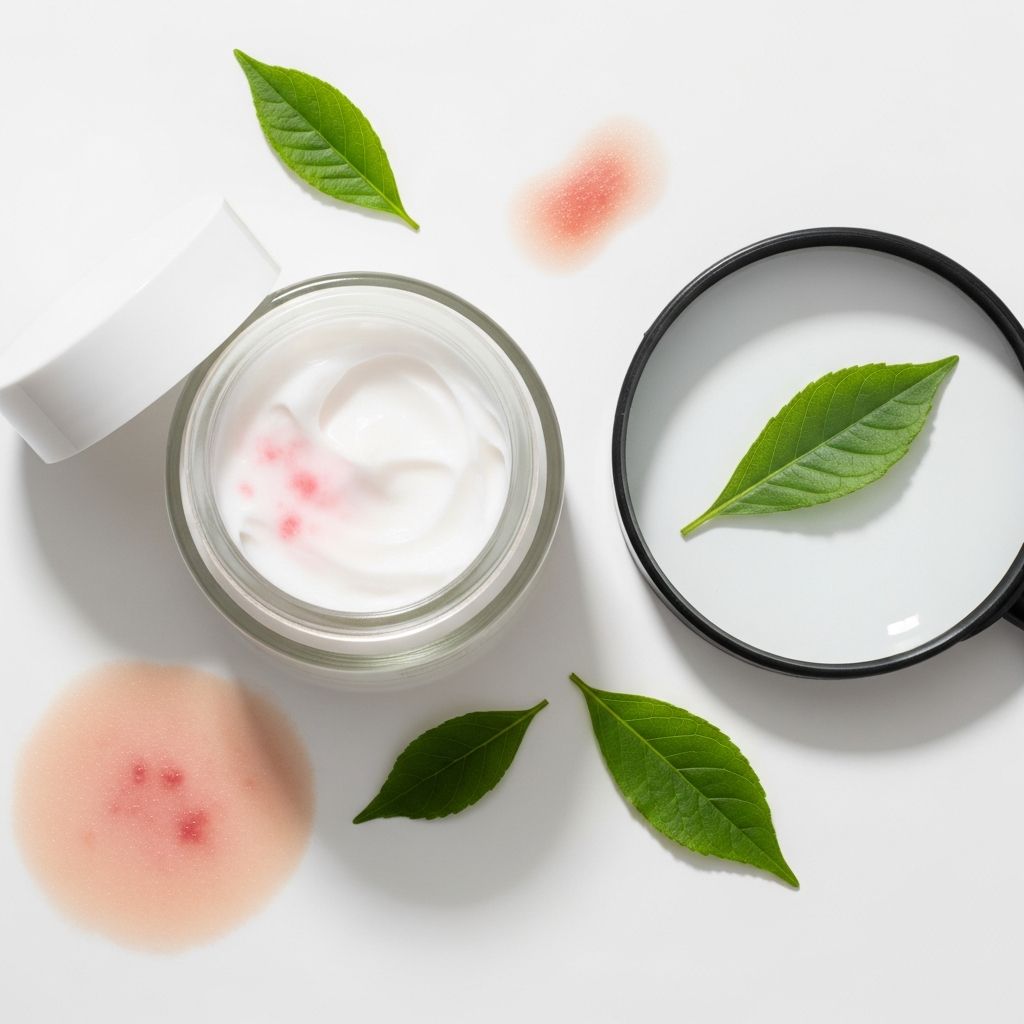
Parabens serve as common preservatives in many skincare products, but for individuals with eczema, they can pose significant challenges by potentially worsening symptoms like itching, redness, and inflammation. This article delves into the science behind parabens, their specific effects on eczema-prone skin, regulatory perspectives, and practical strategies for safer skincare choices.
Understanding Parabens in Everyday Products
Parabens are synthetic compounds widely used to prevent microbial growth in cosmetics, lotions, shampoos, and creams, extending shelf life and maintaining product safety. Common types include methylparaben, propylparaben, and butylparaben, which are effective at low concentrations against bacteria and mold. While they enable affordable, long-lasting formulations, their absorption through the skin raises concerns, particularly for those with compromised skin barriers like eczema sufferers.
Daily exposure occurs through multiple products, leading to cumulative buildup. Studies detect parabens in nearly all urine samples from general populations, indicating rapid skin penetration even through intact barriers. For eczema patients, whose skin is often dry and cracked, this absorption may be heightened, amplifying potential adverse effects.
How Parabens Affect Sensitive and Eczema-Prone Skin
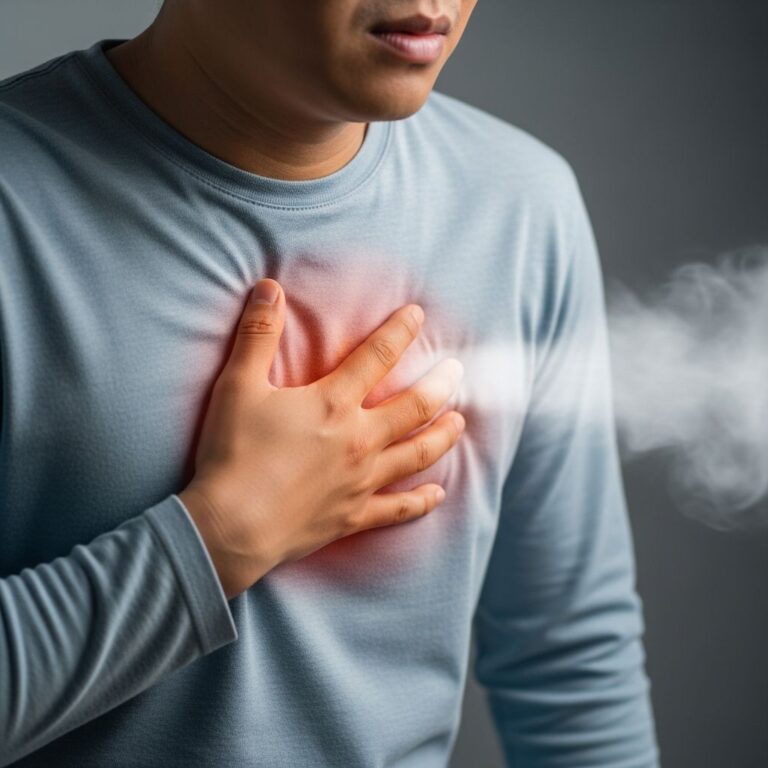
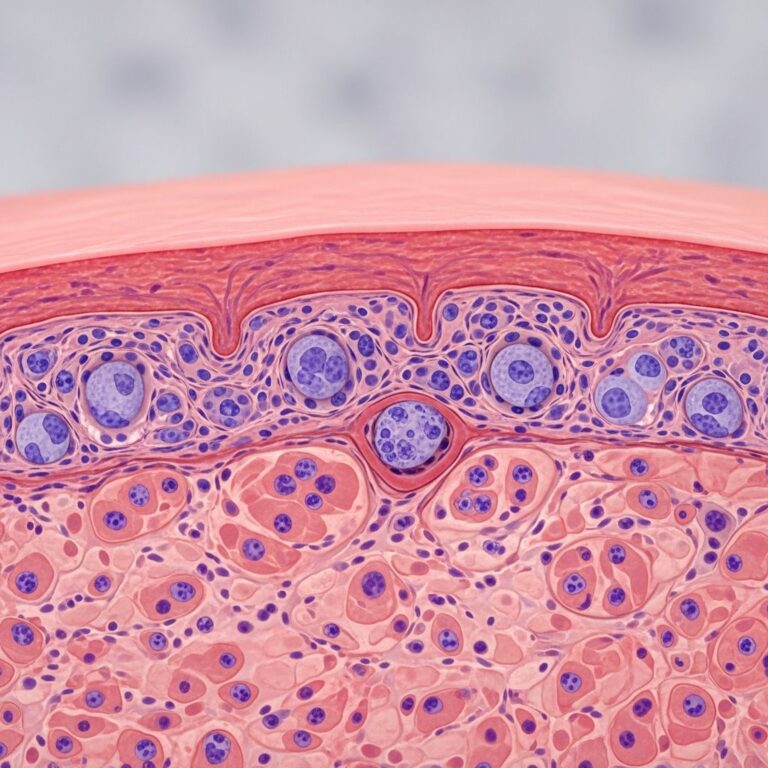
Eczema, or atopic dermatitis, involves a weakened skin barrier that heightens susceptibility to irritants. Parabens can trigger or exacerbate flare-ups by causing dryness, irritation, and allergic responses. Research links methylparaben exposure to increased odds of itchy rashes, particularly in African Americans, with up to 12-fold higher risk in high-exposure quartiles.
- Irritation and Inflammation: Parabens provoke redness and swelling, especially on damaged skin, worsening conditions like eczema and psoriasis.
- Allergic Contact Dermatitis: This delayed hypersensitivity reaction appears 48-72 hours post-exposure, manifesting as erythema, pruritus, or blisters, commonly over eczematous areas.
- Skin Barrier Disruption: By mimicking estrogen, parabens may interfere with hormonal balance, indirectly aggravating inflammatory skin disorders.
Individuals with pre-existing sensitivities report heightened symptoms, including exacerbated dryness and flare-ups, prompting many to seek paraben-free alternatives.
Scientific Evidence Linking Parabens to Skin Issues
Peer-reviewed studies highlight parabens’ role in dermatological concerns. A PMC analysis found methylparaben associated with elevated pruritus risk in certain demographics, while triclosan showed protective effects against eczema. Contact allergy rates remain low at around 1% in patch tests, yet reactions are more prevalent in sensitive groups.
DermNet describes paraben allergy as a type IV hypersensitivity, often complicating treatment of leg ulcers or hand dermatitis in food handlers. Environmental factors, like frequent use of paraben-heavy products marketed to specific ethnic groups, may explain racial disparities in exposure and reactions.
| Study Focus | Key Finding | Population Affected |
|---|---|---|
| Methylparaben & Pruritus | 12-fold increased itchy rash odds in highest quartile | African Americans |
| Contact Dermatitis | Low 1% allergy rate, but flares existing eczema | Sensitive skin users |
| Skin Absorption | Detected in 100% of urine samples | General population |
Endocrine Disruption and Broader Health Concerns
Beyond local irritation, parabens act as endocrine disruptors by mimicking estrogen, potentially leading to hormonal imbalances. This raises flags for long-term risks like fertility issues and increased breast cancer susceptibility, though evidence remains inconclusive. For eczema patients, chronic exposure via skincare may compound these effects, especially with daily application.
Related Stories



Regulatory bodies like the FDA and EU’s SCCS deem low-level use safe, but ongoing research probes cumulative impacts. Vulnerable groups, including children and those with skin conditions, warrant caution due to higher absorption rates.
Regulatory Views and Safety Debates
Global regulators balance efficacy against risks. The FDA and SCCS affirm parabens’ safety in cosmetics at concentrations below 0.1-0.4%, based on extensive reviews. However, some regions like the EU ban longer-chain parabens (e.g., isobutylparaben) in children’s products over endocrine concerns.
Critics argue patch test data underestimates real-world exposure, especially for eczema patients where skin permeability surges. Debates persist on whether “weak estrogenic activity” translates to harm over time.
Finding and Choosing Paraben-Free Skincare
Opting for paraben-free products minimizes risks without sacrificing preservation. Look for natural alternatives like vitamin E, rosemary extract, or grapefruit seed extract, which offer antimicrobial benefits with gentler profiles.
- Read Labels: Scan ingredient lists for “paraben,” “methylparaben,” or “propylparaben.” Apps like EWG’s Skin Deep aid verification.
- Certifications: Seek USDA Organic, EWG Verified, or Made Safe seals guaranteeing paraben absence.
- Product Types: Prioritize fragrance-free, hypoallergenic creams for eczema management.
Transition gradually to monitor skin response, combining with moisturizers to bolster the barrier.
Benefits of Switching to Cleaner Preservatives
Paraben-free regimens often yield reduced irritation and fewer flare-ups for sensitive skin. Users report softer, less reactive skin, aligning with studies on allergen avoidance. Environmentally, these preservatives biodegrade faster, curbing waterway pollution from non-degradable parabens.
Practical Tips for Eczema Management
Incorporate paraben avoidance into a holistic routine:
- Moisturize Frequently: Use thick emollients post-bath to seal hydration.
- Gentle Cleansing: Choose soap-free washes without sulfates or parabens.
- Avoid Triggers: Steer clear of fragrances, dyes, and wool alongside parabens.
- Patch Test New Items: Apply to inner arm for 48 hours.
- Consult Dermatologists: For prescription topicals free of common irritants.
Frequently Asked Questions (FAQs)
Are parabens safe for everyone?
Regulators consider them safe at low levels, but eczema patients and those with sensitivities should avoid them due to irritation risks.
Can parabens cause eczema?
They don’t cause eczema but can trigger flares via irritation or allergy, especially methylparaben in high-exposure groups.
What are natural paraben alternatives?
Options include leuconostoc ferments, radish root ferment, and essential oils, providing effective preservation without synthetic risks.
How do I know if a product has parabens?
Check for endings like -paraben; certified clean beauty labels confirm absence.
Do paraben-free products work as well?
Modern formulations match stability using innovative naturals, often with added skin benefits.
Long-Term Strategies for Healthy Skin
Sustainable skincare emphasizes minimalism: fewer products, quality ingredients, and barrier repair. Track flare triggers via journals, and pair avoidance with therapies like wet wraps or phototherapy. Research evolves, but current data supports caution for parabens in eczema care.
Empowering choices today fosters resilience tomorrow, reducing reliance on steroids and enhancing quality of life.
References
- Are parabens good for my skin? — Jess Beauty. 2023. https://jessbeauty.com/blogs/news/are-parabens-good-for-my-skin
- Why Parabens in Makeup and Skincare Can Worsen Acne… — Light and Dark Acu. 2023. https://lightanddarkacu.com/blog/parabens-why-theyre-in-your-favorite-products-and-why-it-might-be-time-to-switch
- 5 Common Side Effects of Parabens — 100% Pure. 2023. https://www.100percentpure.com/blogs/feed/5-common-side-effects-of-parabens
- Methyl Paraben May Increase the Risk of Pruritus… — PMC (National Library of Medicine). 2020-02-29. https://pmc.ncbi.nlm.nih.gov/articles/PMC7028506/
- Parabens Contact Allergy — DermNet NZ. 2023. https://dermnetnz.org/topics/allergy-to-parabens
- Parabens in products — Dermatology Institute of Boston. 2023. https://www.dermboston.com/general/parabens-in-products/
Similar Articles








Read full bio of medha deb