Paracetamol: 6 Uses, Dosage And Safety Tips
Comprehensive guide to paracetamol: uses for pain and fever relief, dosage guidelines, side effects, and overdose risks.
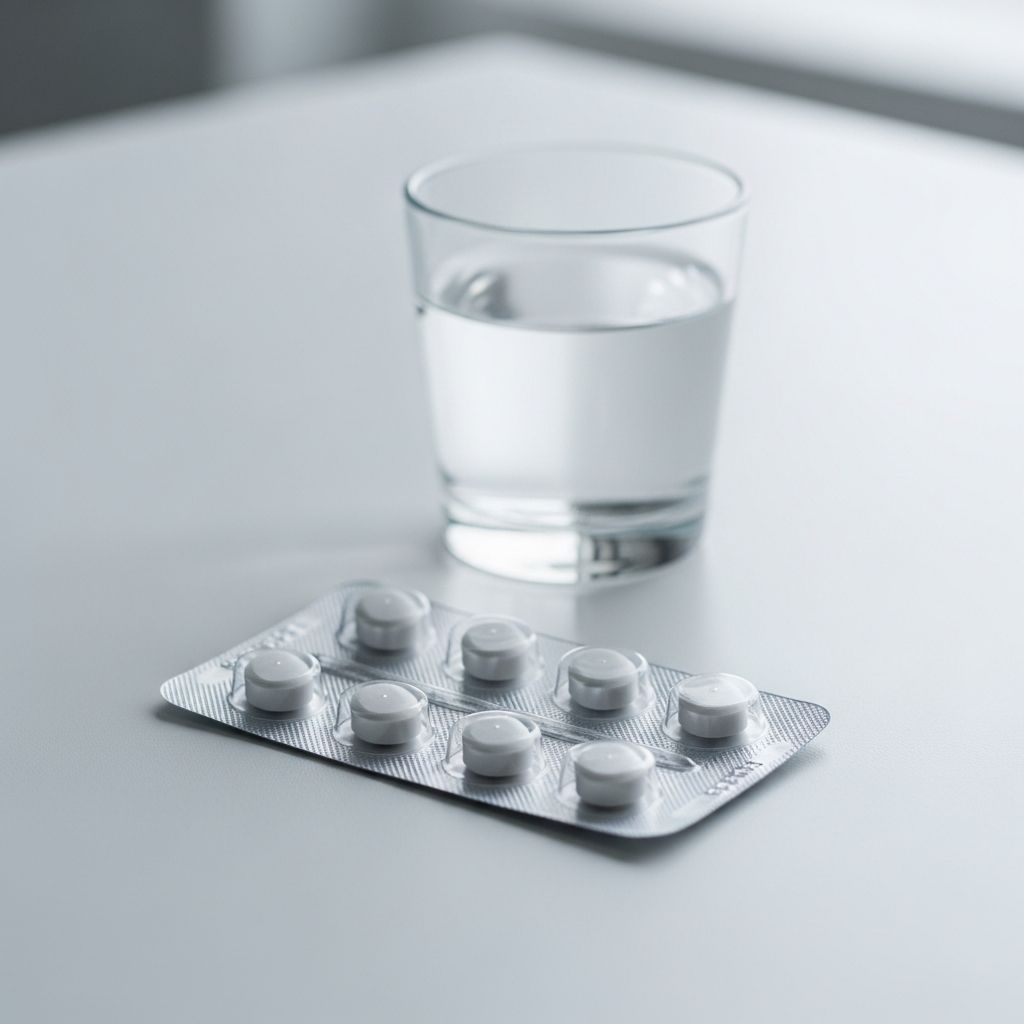
Paracetamol is a widely used over-the-counter painkiller that effectively relieves mild to moderate pain and reduces fever. Available under brand names like Calpol, Disprol, and Panadol, it is safe when taken as directed but requires caution to avoid overdose, which can cause severe liver damage.
About Paracetamol
Paracetamol, also known as acetaminophen, acts as an analgesic to ease pain and an antipyretic to lower high body temperature. It is commonly found in tablets, capsules, liquid suspensions, and combination products for colds and flu. Unlike NSAIDs like ibuprofen, it does not reduce inflammation but is gentler on the stomach and suitable for those with bleeding risks.
The drug works by inhibiting pain signals in the brain and reducing prostaglandin production in response to fever-causing cytokines, though its exact mechanism remains partially unexplained despite over a century of use.
What is Paracetamol Used For?
Paracetamol is the first-line treatment for mild to moderate pain and fever in adults and children. It eases discomfort without addressing underlying causes, providing relief within 30 minutes that lasts about 4 hours.
- Headaches and migraines: Effective for tension headaches; one in ten people may experience significant relief.
- Muscle aches, backache, and joint pain: Useful for strains and minor arthritis pain.
- Toothache and dental pain: Provides relief post-extraction, though less effective than ibuprofen alone.
- Period pain (dysmenorrhea): Helps manage menstrual cramps.
- Colds, flu, and fever: Lowers temperature after immunizations or infections; preferred in children unless distressed.
- Postoperative pain: Offers relief for about one in four patients.
It is recommended during pregnancy for pain and fever, with no established link to neurodevelopmental issues, unlike untreated symptoms that can harm mother and fetus.
Before Taking Paracetamol
Consult a doctor or pharmacist before use if you have:
- Liver or kidney disease
- Alcohol dependence or chronic alcoholism
- G6PD deficiency or glutathione depletion (e.g., eating disorders, HIV, cystic fibrosis)
- Are pregnant, breastfeeding, or giving to children under 16
Avoid if allergic to paracetamol. Check all medications for hidden paracetamol to prevent accidental overdose. It is generally safer than NSAIDs for long-term use but monitor for rare effects.
How to Take Paracetamol (Dosage)
Always follow packet instructions. Doses are typically every 4-6 hours, not exceeding 4 doses in 24 hours.
| Age/Group | Standard Dose | Max Daily Dose |
|---|---|---|
| Adults & children 16+ | 500mg-1g (1-2 tablets) | 4g (8 x 500mg) |
| Children 12-15 | 500mg-750mg | 4g |
| Children 10-11 | 500mg | 4 x 500mg |
| Under 10 | Consult doctor; weight-based (10-15mg/kg) | Varies |
Note: Liquid forms like Calpol are ideal for children. Shake well, use measuring device. Effects peak in 1-2 hours via small intestine absorption.
Getting the Most from Paracetamol
- Take with food if stomach upset occurs, though rare.
- For fever, use only if distressed; physical cooling may suffice.
- Combine with ibuprofen for better efficacy in some pains, if safe.
- Do not use for chronic pain without advice; evidence is limited.
- Store below 25°C, away from children.
Side Effects
Side effects are rare at recommended doses. Seek medical help for:
- Rashes, itching, swelling (allergic reaction)
- Bruising, bleeding, sore throat (blood disorders)
- Breathlessness, blue lips (very rare)
Related Stories



Long-term high-dose use risks anaemia, kidney/liver damage, heart issues.
Overdose and Poisoning
Overdose is a leading cause of liver failure. Symptoms (24+ hours post-ingestion): nausea, abdominal pain, vomiting, jaundice, seizures, coma.
Risk factors: Exceeding 4g/day, alcohol use, liver disease.
- Immediate action: Call emergency services even if feeling well. Antidote N-acetylcysteine (NAC) via IV is effective if given soon.
- Plasma levels guide treatment; detectable >24h indicates massive dose.
Alternatives to Paracetamol
| Medication | Uses | Pros | Cons |
|---|---|---|---|
| Ibuprofen (NSAID) | Pain, fever, inflammation | Better for inflammatory pain | Stomach irritation, bleeding risk |
| Aspirin | Pain, fever (adults) | Anti-inflammatory | GI toxicity, Reye's in kids |
| Codeine combo | Stronger pain | Enhanced relief | Addiction risk, constipation |
Frequently Asked Questions (FAQs)
Q: Can I take paracetamol daily?
A: Short-term yes, but long-term consult a doctor due to liver risks.
Q: Is paracetamol safe in pregnancy?
A: First-line for pain/fever; no proven harm.
Q: What if I take too much?
A: Seek urgent help; NAC antidote available.
Q: Paracetamol vs ibuprofen: which is better?
A: Paracetamol safer for stomach; ibuprofen for inflammation. Combo often best.
Q: Can children take adult paracetamol?
A: No; use age/weight-specific doses like Calpol.
Key Safety Tips
- Check labels for paracetamol content.
- Max 4g/day adults; less for vulnerable groups.
- Avoid alcohol.
- Monitor children closely.
References
- Paracetamol – uses, side effects and how to take it — Healthdirect (Australian Government). 2023. https://www.healthdirect.gov.au/paracetamol
- Paracetamol — Wikipedia (sourced from peer-reviewed studies). 2024-01-10. https://en.wikipedia.org/wiki/Paracetamol
- Paracetamol (acetaminophen): A familiar drug with an unexplained mechanism of action — PMC (NCBI). 2021-12-01. https://pmc.ncbi.nlm.nih.gov/articles/PMC8654482/
- Paracetamol: Uses, Side Effects, and Warnings — Patient.info. 2024. https://patient.info/medicine/paracetamol-calpol-disprol-panadol
- Painkillers — Patient.info. 2024. https://patient.info/treatment-medication/painkillers
- Paracetamol Poisoning (Overdose) — Patient.info. 2024. https://patient.info/doctor/emergency-medicine/paracetamol-poisoning
- What’s the point of paracetamol? — University of Oxford (.ac.uk). 2016-10-20. https://www.ox.ac.uk/research/what%E2%80%99s-point-paracetamol
Similar Articles








Read full bio of medha deb