Paracetamol For Kids: Essential Weight-Based Dosing Guide
Safe dosing, uses, and precautions for giving paracetamol to children of all ages.
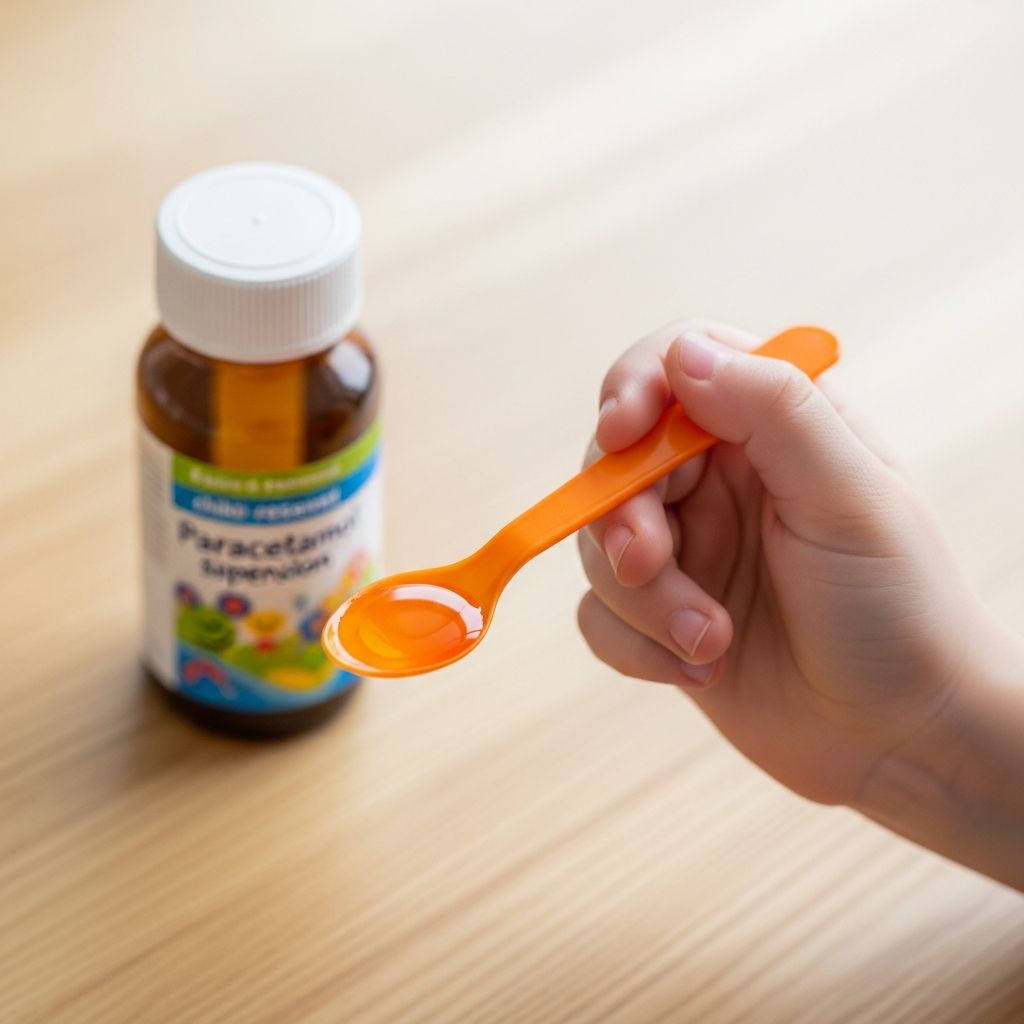
Paracetamol, known as acetaminophen in some regions, stands as one of the most trusted medications for easing discomfort and lowering fever in children. When used correctly, it provides quick relief from common childhood ailments like teething pain, colds, or post-vaccination soreness. This guide draws from authoritative health resources to help parents understand proper administration, ensuring safety and effectiveness.
Why Paracetamol is Ideal for Children’s Pain and Fever
Children frequently experience elevated temperatures or minor pains from illnesses or immunizations. Paracetamol works by targeting the brain’s pain and temperature centers, reducing fever without the stomach irritation sometimes caused by alternatives like ibuprofen. Health authorities recommend it as a first-line option for kids over 3 months, particularly for those with dehydration risks or asthma.
- Fever reduction: Lowers body temperature safely within 30-60 minutes.
- Pain relief: Eases headaches, sore throats, earaches, and muscle aches.
- Post-vaccination use: Helps manage fever after routine shots, though not routinely prophylactic.
Unlike aspirin, which poses Reye’s syndrome risks, paracetamol is safer for young ones when dosed accurately.
Understanding Dosing Fundamentals
The cornerstone of safe use is precise dosing, primarily based on a child’s weight rather than age alone, as growth varies widely. Experts advocate 10-15 mg per kg of body weight per dose, repeatable every 4-6 hours, not exceeding 60-75 mg/kg daily. For suspensions (typically 120mg/5ml or 250mg/5ml), measure with a syringe, not a household spoon.
Always verify concentration on the label—common strengths include 120mg/5ml for infants and 250mg/5ml for older kids.
Dosage Charts by Age and Weight
These tables synthesize guidelines from major health bodies. Consult a doctor for preterm infants or those under 4kg.
Oral Suspension Dosing (120mg/5ml)
| Age | Weight Range | Dose per Administration | Max Doses/24h |
|---|---|---|---|
| 3-5 months | 5-8kg | 2.5ml (60mg) | 4 |
| 6-23 months | 8-12kg | 5ml (120mg) | 4 |
| 2-3 years | 12-16kg | 7.5ml (180mg) | 4 |
| 4-5 years | 16-21kg | 10ml (240mg) | 4 |
Note: For 2-3 month olds over 4kg and full-term, limit to 2 doses of 2.5ml.
Oral Suspension Dosing (250mg/5ml, 6+ years)
| Age | Dose per Administration | Max Doses/24h |
|---|---|---|
| 6-7 years | 5ml (250mg) | 4 |
| 8-9 years | 7.5ml (375mg) | 4 |
| 10-11 years | 10ml (500mg) | 4 |
| 12-15 years | 10-15ml (500-750mg) | 4 |
| 16+ years | 10-20ml (500-1000mg) | 4 |
Weight-Based Dosing Table (Universal Guide)
| Weight | Oral Dose (mg) | 120mg/5ml (ml) | 250mg/5ml (ml) |
|---|---|---|---|
| 6-10kg | 120-150mg | 5ml | 2.5ml |
| 10-15kg | 150-225mg | 7.5ml | 3-4.5ml |
| 15-20kg | 225-300mg | 10ml | 5-6ml |
| 20-30kg | 300-450mg | 12.5-18.75ml | 6-9ml |
| 30-50kg | 450-750mg | N/A | 9-15ml |
Melting/Dissolvable Tablets (250mg)
- 6-8 years: 1 tablet
- 9-11 years: 2 tablets
- 12-15 years: 2-3 tablets
- 16+ years: 2-4 tablets
Up to 4 times daily, 4+ hours apart. Check age suitability.
Special Scenarios: Newborns, Preterm, and Vaccinations
For neonates under 1 month: 10mg/kg every 6-8 hours, max 4 doses. Preterm infants (<32 weeks gestation, <4kg): Start with 20mg/kg, then 10-15mg/kg every 8-12 hours, max 30mg/kg/day.
Post-immunization: Avoid routine use to preserve vaccine efficacy. For fever, 2-3 month olds: 60mg dose, max 2-3 doses. Full-term >4kg: Weight-based, max 60mg/kg/day.
Related Stories



Forms of Paracetamol for Young Children
- Liquid suspensions: Easiest for infants; flavor-enhanced.
- Suppositories: Useful if vomiting; 10-20mg/kg every 6 hours, max 75mg/kg/day.
- Tablets/capsules: For 10+ years; chewable or dissolvable preferred.
- IV form: Hospital-only, same oral dosing.
Store below 25°C, check expiry.
Critical Safety Rules Every Parent Must Follow
Paracetamol’s safety hinges on adherence to limits. Exceeding doses risks liver damage, even without symptoms initially.
- Wait 4-6 hours between doses.
- Max 4 doses/24 hours.
- Never combine with other paracetamol products (e.g., cold remedies).
- Shake suspension well.
Monitor weight changes; recalculate as child grows.
Recognizing and Preventing Overdose
Overdose symptoms: Nausea, vomiting, lethargy, progressing to liver failure. Seek immediate ER if suspected—antidote available within 8 hours. Prevention: Use one product, dose by weight, log administrations. High-risk: Liver disease, malnutrition, or alcohol exposure.
When to Skip Paracetamol or Seek Medical Advice
Do not use under 2 months without doctor approval. Stop and consult if:
- Fever persists >3 days or exceeds 40°C.
- Rash, breathing issues, or dehydration appear.
- Child <3 months with fever.
- Chronic conditions like liver/kidney issues.
Not for viral infections without symptoms.
Side Effects and Interactions
Rare but possible: Allergic reactions (rash, swelling), severe skin issues. Interactions: Avoid with carbamazepine, phenytoin, or excessive alcohol in older kids. Inform doctor of all meds.
Frequently Asked Questions (FAQs)
Can I give paracetamol with ibuprofen?
Yes, alternately every 4 hours if needed, but not simultaneously. Max doses apply to each.
What if I miss a dose?
Give next dose when due; do not double up.
Is paracetamol safe for daily use?
No—short-term only. Chronic pain needs medical evaluation.
How to measure accurately?
Use provided syringe/cup. Teaspoons vary.
Does flavor matter?
Choose sugar-free if diabetic; all equally effective.
Empowering Parents with Tools and Tips
Online calculators aid dosing—input weight/age for guidance. Teach older kids self-administration. Stock appropriate strengths: infant for <2 years, standard for older.
In summary, paracetamol empowers parents to manage common childhood symptoms confidently. Prioritize weight-based dosing, adhere to intervals, and consult professionals for uncertainties. This approach minimizes risks while maximizing relief.
References
- Paracetamol for children: medicine for pain and high temperature — NHS. 2023. https://www.nhs.uk/medicines/paracetamol-for-children/
- The dosage of paracetamol for children based on weight — Vinmec. 2023. https://www.vinmec.com/eng/blog/dosage-of-paracetamol-for-children-by-weight-en
- PARACETAMOL = ACETAMINOPHEN oral — MSF Medical Guidelines. 2023. https://medicalguidelines.msf.org/en/viewport/EssDr/english/paracetamol-acetaminophen-oral-16684400.html
- Guidance for Oral Paracetamol dosing — Barnsley CCG. 2022. https://best.barnsleyccg.nhs.uk/media/xwumdjhb/oral-paracetamol-dosing.pdf
- A1.8 Paracetamol — NCBI. 2014 (authoritative pediatric reference). https://www.ncbi.nlm.nih.gov/books/nbk138353/bin/annex1-m8.pdf
- Paracetamol prescribing — Paediatric Portal. 2023. http://paedsportal.com/guidelines/drugs/paracetamol
- Paracetamol dose calculator — Healthify. 2023. https://healthify.nz/tools/p/paracetamol-dose-calculator
Similar Articles








Read full bio of medha deb