ParaGard Copper IUD: Effectiveness, Insertion & Side Effects
Discover everything about ParaGard copper IUD: how it works, effectiveness rates, insertion process, and potential side effects.
Understanding ParaGard Copper IUD: A Comprehensive Guide to Modern Contraception
ParaGard is a copper intrauterine device (IUD) that represents one of the most effective and convenient forms of birth control available today. This hormone-free contraceptive option has gained significant attention among individuals seeking long-term pregnancy prevention without the complications associated with hormonal methods. As a ”set it and forget it” birth control solution, ParaGard offers reliability and ease of use that appeals to many people looking for dependable contraception.
What Is a Copper IUD?
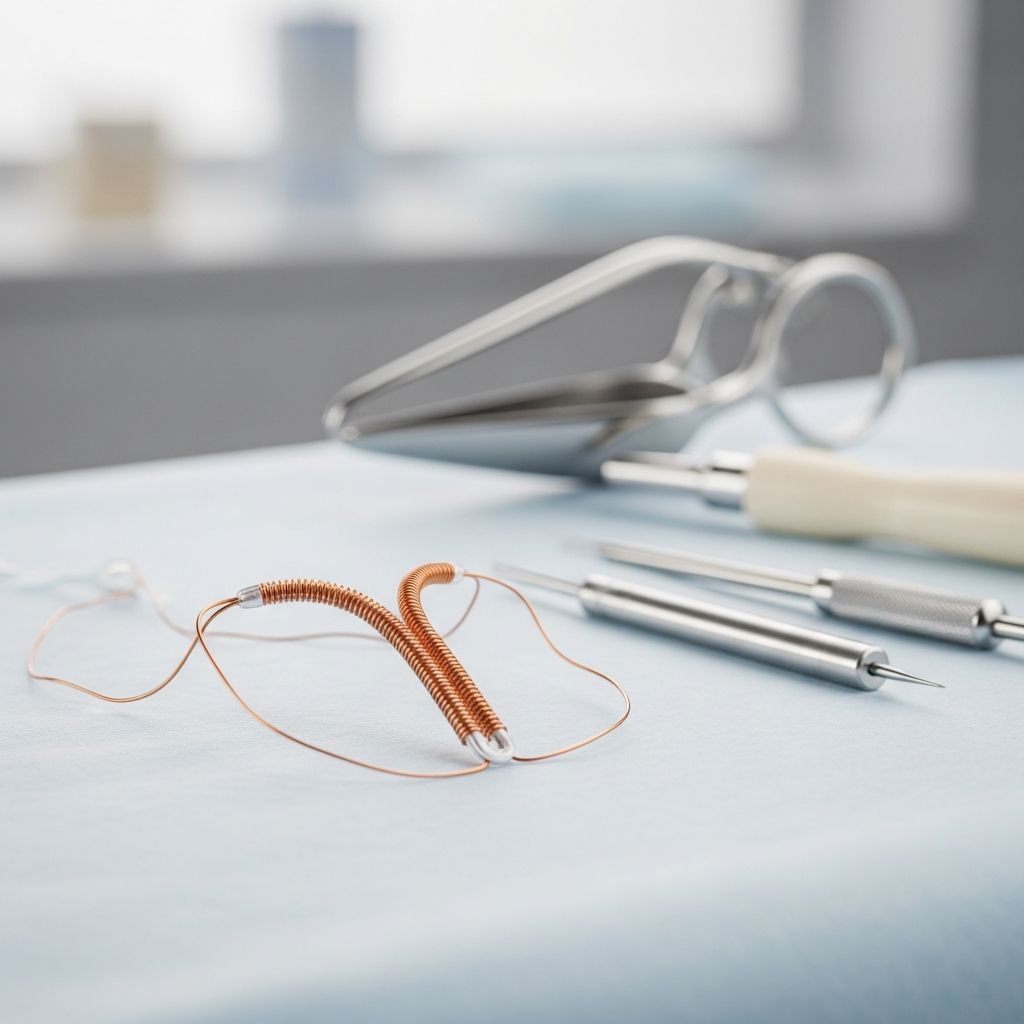
A copper IUD is a small, T-shaped piece of plastic that a healthcare provider inserts through your vagina and into your uterus to prevent pregnancy. ParaGard is specifically constructed with a plastic frame wrapped in a thin copper coil, measuring only a few centimeters in length. The device is designed to remain in your uterus for up to 10 years, though some studies suggest it may continue to be effective for even longer periods in certain individuals.
ParaGard is currently the only copper IUD available in the United States, though other countries such as Canada and the United Kingdom offer several additional copper IUD options. The device’s unique composition makes it distinct from hormonal IUDs like Mirena or Liletta, which release progestin to prevent pregnancy.
How Does ParaGard Work?
The mechanism of action for copper IUDs is elegantly simple yet highly effective. Sperm have an inherent aversion to copper, causing them to avoid the IUD entirely. This copper-based barrier prevents sperm from reaching an egg, which is the primary mechanism preventing fertilization. Beyond this direct sperm avoidance, copper also creates additional protective effects by changing the lining of your uterus and altering cervical mucus consistency, making the reproductive environment less hospitable for sperm survival and movement.
This multi-layered approach to contraception explains why copper IUDs are so effective at preventing unwanted pregnancy while maintaining a hormone-free profile that appeals to many users.
Effectiveness and Pregnancy Prevention
ParaGard boasts impressive effectiveness rates, with more than 99% efficacy in preventing pregnancy. This makes it one of only a few birth control methods achieving this level of contraceptive protection, joining the hormonal IUD and the birth control implant in this exclusive category. The copper IUD’s effectiveness stems largely from the reduced opportunity for user error—once inserted, the device continues working without requiring any additional action from you.
When comparing ParaGard to other birth control options that are used correctly, the differences in effectiveness become clear. While copper IUDs prevent over 99% of pregnancies, other methods show lower success rates: oral contraceptive pills achieve approximately 91% effectiveness with typical use, condoms provide roughly 82% protection, and fertility awareness methods offer about 76% effectiveness when used correctly.
Less than 1% of people who use ParaGard become pregnant in the first year of typical use, and this low risk of pregnancy remains consistent over time. The device’s T-shaped design and copper composition work together to maintain this exceptional protective effect throughout its entire duration of use.
Emergency Contraception Application
One particularly valuable application of copper IUDs involves emergency contraception. In situations where unprotected intercourse has occurred, a healthcare provider may recommend ParaGard as an emergency measure. If inserted within five days (120 hours) of unprotected sexual contact, a copper IUD significantly reduces the chance of accidental pregnancy. This emergency contraceptive use also has the added benefit of providing ongoing protection against future unwanted pregnancies, making it an exceptionally practical choice when quick action is necessary.
Related Stories



The speed at which copper IUDs begin working makes them ideal for emergency contraception purposes—the device works almost immediately upon insertion, providing rapid pregnancy prevention when timing is critical.
Insertion and Removal Procedure
ParaGard insertion and removal must be performed by a qualified healthcare provider and typically takes only a few minutes. Before insertion, your healthcare professional will review your complete medical history and conduct a thorough pelvic examination. You may also undergo a pregnancy test to confirm you are not currently pregnant, as this is a necessary prerequisite for IUD placement. Screening for sexually transmitted infections (STIs) may also be recommended.
Pre-Insertion Preparation: Taking a nonsteroidal anti-inflammatory drug (NSAID) one to two hours before the procedure can help ease cramping during and after insertion. A healthcare provider can insert ParaGard anytime during your menstrual cycle, though if you have recently given birth, your provider may recommend waiting approximately six weeks after delivery before insertion.
The Insertion Process: During the procedure, your healthcare provider uses a speculum to gently spread open the vaginal walls. The vagina and cervix are then cleaned with an antiseptic solution to maintain sterility. Your provider may use a special instrument to gently align your cervix and uterine cavity for optimal positioning. The healthcare professional then folds down ParaGard’s arms and carefully inserts the device into a thin insertion tube. This tube is guided through your cervix, and ParaGard is precisely positioned within your uterus. Once the insertion tube is withdrawn, the device remains in place within your uterus. Your provider will trim the attached strings so they don’t protrude excessively into the vagina, and the length of these strings will be noted for future reference during removal.
The IUD can be removed at any time whenever you decide it’s right for you, whether because you want to become pregnant or because you wish to try a different birth control method. Removal is also a quick procedure performed by your healthcare provider.
Benefits of Copper IUD Contraception
Copper IUDs offer numerous compelling advantages that make them an attractive choice for many people seeking reliable contraception:
- Hormone-Free Option: Unlike many other IUD options, ParaGard contains no hormones, eliminating the risk of side effects related to hormonal birth control such as blood clots, which can be a significant advantage for individuals sensitive to hormonal methods.
- Long-Acting Effectiveness: With protection lasting up to 10 years, copper IUDs provide extended contraceptive coverage without requiring frequent replacements or maintenance.
- Set and Forget Convenience: Once inserted, the device requires no ongoing action or maintenance from you, making it one of the most convenient birth control options available.
- Breastfeeding Compatible: ParaGard can be safely used while breastfeeding, allowing new mothers to continue nursing without compromising contraceptive effectiveness.
- Removes Need for Interruption: With a copper IUD in place, you eliminate the need to interrupt sexual activity to use condoms or other barrier methods.
- Emergency Contraception Application: The device can be used for emergency birth control if inserted within five days of unprotected sexual intercourse.
- Reversible: The contraceptive effects reverse immediately upon removal, allowing for quick transition to pregnancy planning if desired.
Side Effects and Considerations
While ParaGard is generally well-tolerated, some individuals may experience side effects, particularly in the days following insertion. Common side effects include cramping, spotting between periods, and vaginal discharge. These symptoms frequently subside or significantly ease within three to six months as your body adjusts to the device’s presence.
Some individuals experience heavier-than-usual periods during the first year after copper IUD insertion. If you continue experiencing excessive cramping or heavy periods beyond the initial adjustment period, contact your healthcare provider for guidance and potential management strategies.
It is crucial to understand that copper IUDs do not protect against sexually transmitted infections (STIs) or HIV/AIDS. Using condoms consistently during sexual activity remains essential for protecting yourself and your partners from these infections.
Potential Risks and Who Should Avoid ParaGard
While copper IUDs are considered safe for most people, certain medical conditions and circumstances make them inappropriate. Your healthcare provider may advise against ParaGard insertion if you have any of the following conditions:
- Current pregnancy or the possibility of pregnancy
- Structural abnormalities of the uterus that complicate device placement or retention
- Large uterine growths called fibroids that interfere with IUD function
- Pelvic infections such as pelvic inflammatory disease or endometriosis
- Active treatment for uterine or cervical cancer
- Unexplained vaginal bleeding without clear cause
- Allergy to copper or other components of the ParaGard device
- Wilson’s disease, a condition causing excessive copper accumulation in the liver, brain, and other vital organs
One important consideration involves ectopic pregnancy risk. If pregnancy does occur while using ParaGard, there is an elevated risk that the fertilized egg will attach and develop outside the uterus, typically in a fallopian tube. Ectopic pregnancies cannot result in a viable birth and may cause life-threatening bleeding without medical treatment. However, it is essential to remember that ParaGard prevents the vast majority of pregnancies, making the overall risk of ectopic pregnancy lower than for sexually active individuals using no contraception.
Is ParaGard Safe?
Overall, copper IUDs are a safe and effective form of birth control for most people. However, your individual medical history and specific health circumstances are important considerations. Before getting a copper IUD, discuss your complete medical background with your healthcare provider to ensure ParaGard is the right contraceptive choice for your unique situation. A healthcare professional can evaluate your health status and help you make an informed decision about whether this birth control method aligns with your needs and medical profile.
Frequently Asked Questions About ParaGard
Q: How long does a copper IUD last?
A: ParaGard is approved to prevent pregnancy for up to 10 years. However, some studies indicate that the device may remain effective for even longer periods in certain individuals. You can have it removed at any time if you wish to become pregnant or try a different contraceptive method.
Q: Is ParaGard effective immediately after insertion?
A: Yes, copper IUDs work almost immediately after insertion, which is one reason why they may be recommended for emergency contraception when inserted within five days of unprotected intercourse.
Q: Can I use ParaGard while breastfeeding?
A: Yes, copper IUDs are safe to use while breastfeeding and do not interfere with milk production or composition. This makes ParaGard an excellent contraceptive option for postpartum individuals who wish to continue nursing.
Q: Does ParaGard protect against sexually transmitted infections?
A: No, copper IUDs do not provide protection against STIs or HIV/AIDS. Using condoms consistently during sexual activity remains the most effective way to reduce your risk of acquiring or transmitting these infections.
Q: What should I expect during the insertion procedure?
A: The insertion process typically takes only a few minutes. Your healthcare provider will use a speculum to visualize your cervix, clean the area with antiseptic solution, and carefully guide the folded ParaGard through your cervix into your uterus. Taking an NSAID before insertion can help reduce cramping during the procedure.
Q: Can I become pregnant immediately after ParaGard removal?
A: Yes, fertility typically returns immediately after IUD removal. Once your healthcare provider removes ParaGard, you can become pregnant during your next cycle if you engage in unprotected intercourse.
Making Your Decision About ParaGard
ParaGard copper IUD represents an excellent ”set it and forget it” birth control option for individuals seeking convenience and reliability in their contraceptive choice. However, like all forms of contraception, copper IUDs carry both benefits and potential risks that deserve careful consideration. Discussing these factors with your healthcare provider is essential for making an informed decision that aligns with your personal health needs, lifestyle, and reproductive goals.
If you try ParaGard and subsequently determine it is not the right birth control method for you, remember that your healthcare provider can remove it quickly and recommend alternative contraceptive options better suited to your needs. The reversibility of this contraceptive method provides flexibility and peace of mind for those exploring different birth control approaches.
References
- Paragard (Copper IUD): Insertion, Effectiveness & Side Effects — Cleveland Clinic. 2024. https://my.clevelandclinic.org/health/drugs/17741-paragard-copper-iud
- Copper IUD (ParaGard) — Mayo Clinic. 2023. https://www.mayoclinic.org/tests-procedures/paragard/about/pac-20391270
- Birth Control: Forms, Options, Risks & Effectiveness — Cleveland Clinic. 2024. https://my.clevelandclinic.org/health/articles/11427-birth-control-options
- 6 Benefits of Copper IUD for Birth Control — Cleveland Clinic Health. 2024. https://health.clevelandclinic.org/copper-birth-control
- How an IUD Can Impact Your Period — Cleveland Clinic Health. 2024. https://health.clevelandclinic.org/iud-period
Similar Articles








Read full bio of medha deb