Paralysis: Causes, Symptoms, Types & Treatment
Understanding paralysis: explore causes, symptoms, types, and comprehensive management strategies.
Paralysis: What It Is, Causes, Symptoms, Management & Types
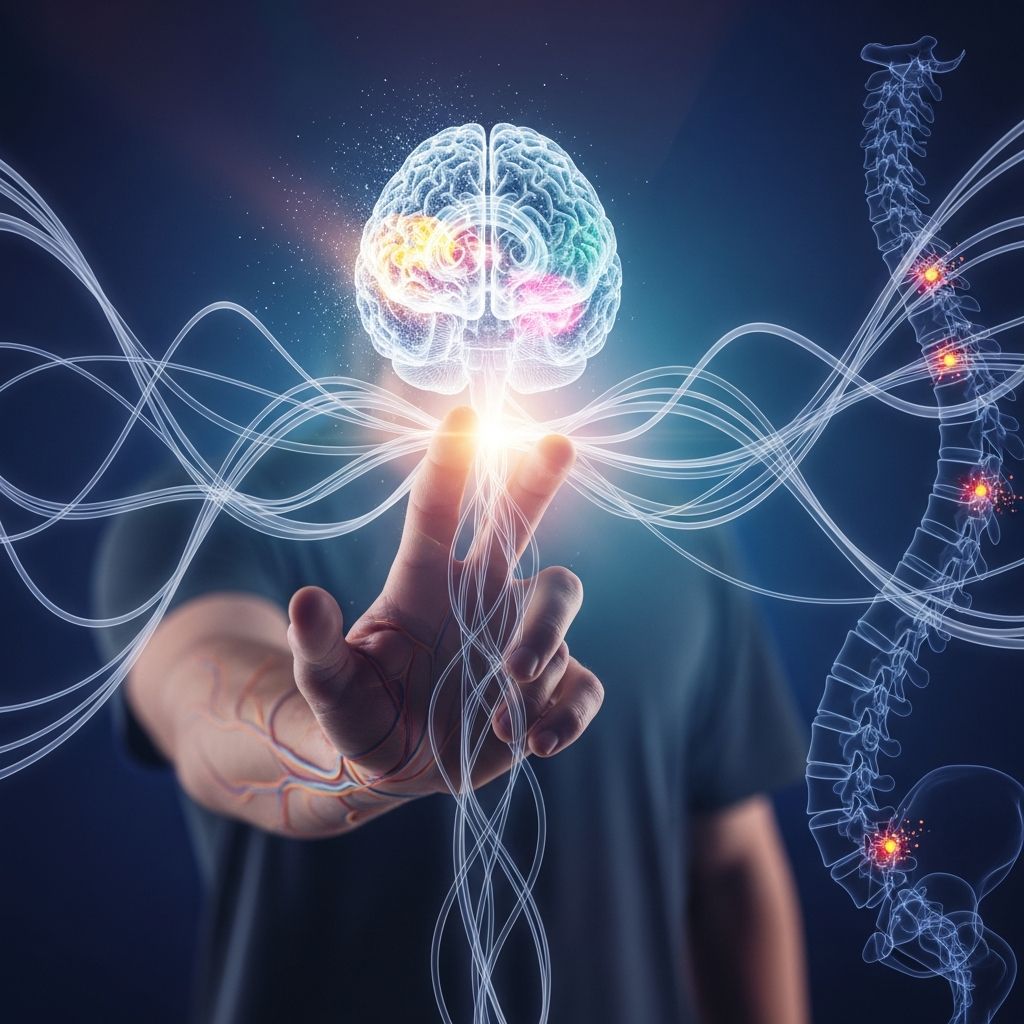
Paralysis is a medical condition that makes you unable to move certain parts of your body voluntarily. It occurs when nerve signals cannot properly transmit to your muscles, disrupting the communication pathway between your brain and muscles. This loss of voluntary movement can range from affecting a small localized area to impacting your entire body, significantly affecting quality of life and daily functioning.
What Is Paralysis?
Paralysis represents the inability to make voluntary movements in one or more parts of your body due to disrupted nerve signals. When something interferes with nerve communication to your muscles, the muscles cannot receive the commands necessary to contract and move. This disruption can occur at various points along the nervous system pathway, from the brain and spinal cord to individual peripheral nerves.
The condition can develop suddenly, as with a stroke or spinal cord injury, or gradually over time with progressive neurological diseases. Understanding whether paralysis is temporary or permanent is crucial for treatment planning and rehabilitation strategies.
Types of Paralysis
Healthcare providers classify paralysis into two primary categories based on the extent of affected body areas:
Localized Paralysis
Localized paralysis affects a small, specific section of your body. This type most commonly impacts the face, hands, feet, or vocal cords. For example, Bell’s palsy causes temporary facial paralysis affecting facial muscles on one side. Localized paralysis may result from nerve compression, local injury, or specific neurological conditions affecting isolated nerve pathways.
Generalized Paralysis
Generalized paralysis affects a larger area of your body. Healthcare providers further categorize generalized paralysis based on the extent of involvement:
- Monoplegia: Paralysis affecting one limb
- Paraplegia: Paralysis involving both legs
- Hemiplegia: Paralysis affecting one side of your body
- Quadriplegia: Paralysis affecting all four limbs and the trunk
Common Causes of Paralysis
Paralysis can result from various medical conditions and injuries that disrupt nerve function. Understanding these causes helps identify risk factors and preventive measures:
- Spinal Cord Injuries: A leading cause of paralysis, ranging from minor compression to complete transection
- Stroke: Sudden interruption of blood flow to the brain can cause paralysis on one side of the body
- Multiple Sclerosis: An autoimmune disorder that damages nerve insulation, leading to progressive paralysis
- Cerebral Palsy: A congenital neurological disorder affecting movement and muscle coordination
- Parkinson’s Disease: Progressive neurological condition affecting movement control
- Bell’s Palsy: Temporary facial paralysis caused by facial nerve inflammation
- Amyotrophic Lateral Sclerosis (ALS): Progressive neurodegenerative disease affecting nerve cells
- Brain Injuries: Traumatic head injuries can result in various forms of paralysis
- Guillain-Barré Syndrome: Autoimmune condition causing rapid-onset paralysis
Symptoms and Diagnosis
Recognizing Paralysis Symptoms
Paralysis symptoms vary depending on the type and extent of nerve damage. Common signs include inability to move specific body parts, muscle weakness, loss of sensation, muscle stiffness or spasticity, and difficulty with coordination. The onset may be sudden or gradual, and symptoms can be temporary or permanent.
Diagnostic Process
Healthcare providers use a comprehensive approach to diagnose paralysis:
- Physical Examination: Assessment of muscle strength, reflexes, and sensation
- Detailed History: Information about symptom onset, progression, and any preceding injuries or illnesses
- Imaging Studies: MRI or CT scans to visualize the brain, spinal cord, and nerves
- Electrodiagnostic Testing: Nerve conduction studies and electromyography to assess nerve and muscle function
- Laboratory Tests: Blood tests to identify infections or autoimmune conditions
Related Stories



Permanent Versus Temporary Paralysis
Distinguishing between permanent and temporary paralysis is essential for treatment planning and rehabilitation expectations. Temporary paralysis, such as Bell’s palsy, often resolves on its own over time without treatment. Many patients with temporary paralysis experience gradual improvement within weeks to months.
Permanent paralysis means you never regain muscle control in the affected areas. This condition is irreversible and cannot be cured. However, rehabilitation and adaptive strategies can significantly improve independence and quality of life. Comprehensive management focuses on maximizing remaining function and preventing complications.
Management and Treatment Approaches
While there is no cure for permanent paralysis, evidence-based management strategies can substantially improve outcomes and quality of life.
Rehabilitation Therapies
Paralysis treatment typically includes multiple therapeutic approaches:
- Physical Therapy: Exercises to strengthen remaining muscles, improve mobility, and maintain cardiovascular health
- Occupational Therapy: Training in adaptive techniques and assistive devices for daily activities
- Speech Therapy: Interventions for speech and swallowing difficulties when applicable
These rehabilitation services help people with all types of paralysis live more independently and achieve better quality of life by accommodating limitations and providing practical solutions.
Medical Management
Treatment depends on the underlying cause of paralysis. For conditions like Bell’s palsy, early steroid intervention provides evidence-based benefits. Other causes may require medications to manage symptoms or underlying conditions, such as anti-inflammatory drugs or medications targeting specific neurological disorders.
Surgical Interventions
In some cases, surgical procedures may be considered. Nerve decompression surgery, nerve transfers, or muscle transfers may be options depending on the cause and nature of paralysis. Specialized surgical teams, particularly those with expertise in facial paralysis and nerve reconstruction, can offer innovative procedures.
Assistive Devices and Adaptive Equipment
Modern technology provides numerous assistive devices that enhance independence:
- Wheelchairs and mobility aids
- Communication devices for speech difficulties
- Braces and splints to support weak limbs
- Environmental control systems
- Specialized utensils and tools for daily activities
Complications and Prevention
Managing Potential Complications
Maintaining a healthy lifestyle is very important to decrease the risk of complications from paralysis. Common complications include pressure sores, muscle contractures, deep vein thrombosis, and respiratory infections. Regular exercise consistent with individual abilities, proper skin care, and appropriate positioning help prevent these issues.
Preventing Spinal Injuries
Since spinal injuries are a leading cause of paralysis, taking preventive measures is crucial:
- Use seatbelts and child safety seats while driving
- Wear appropriate protective equipment during sports and recreational activities
- Practice fall prevention strategies, especially for older adults
- Follow workplace safety protocols
- Avoid risky behaviors like diving in unknown waters
- Maintain awareness of surroundings to prevent accidents
When to Seek Immediate Medical Help
Certain situations require emergency medical attention. You should call 911 if you experience signs of stroke, including sudden facial drooping, arm weakness, or speech difficulty. Seek immediate care for any possible head, neck, or spine injury, especially following accidents or falls. Other reasons to get immediate medical help include sudden paralysis or weakness, severe headache accompanying weakness, loss of consciousness, or difficulty breathing.
Living with Paralysis
While paralysis presents significant challenges, many individuals with paralysis achieve fulfilling lives through rehabilitation, adaptive strategies, and support systems. Keeping an exercise routine appropriate to individual abilities helps maintain cardiovascular health, prevents complications, and improves mental well-being. Mental health support and counseling can help address the emotional aspects of living with paralysis.
Support groups, vocational rehabilitation programs, and community resources provide valuable assistance. Advances in technology and rehabilitation continue to expand possibilities for independence and quality of life improvement.
Frequently Asked Questions
Q: Is paralysis always permanent?
A: No. Some types of paralysis, like Bell’s palsy, are temporary and often resolve on their own over time. However, paralysis resulting from spinal cord injuries or severe nerve damage may be permanent. The reversibility depends on the underlying cause and severity of nerve damage.
Q: What is the difference between paraplegia and quadriplegia?
A: Paraplegia involves paralysis of both legs, typically resulting from spinal cord injury in the lower back region. Quadriplegia affects all four limbs and the trunk due to higher spinal cord injuries in the neck or upper back area.
Q: Can physical therapy help someone with permanent paralysis?
A: Yes. Physical therapy remains beneficial for individuals with permanent paralysis by helping maintain remaining muscle strength, preventing complications, improving cardiovascular health, and teaching adaptive techniques for daily activities and mobility.
Q: How is Bell’s palsy different from other types of facial paralysis?
A: Bell’s palsy is a specific condition causing temporary facial paralysis, usually affecting one side of the face. It has a generally favorable prognosis with most patients recovering fully. Other causes of facial paralysis may be permanent or result from conditions like stroke or tumors.
Q: What assistive devices can help someone with paralysis?
A: Assistive devices vary based on the type and extent of paralysis. Common options include wheelchairs, braces, splints, communication devices, specialized utensils, and environmental control systems that help maintain independence in daily activities.
Q: How long does recovery from temporary paralysis typically take?
A: Recovery time varies significantly depending on the cause. Bell’s palsy patients with incomplete paralysis have approximately 94% recovery rates, often within weeks to a few months. However, those with complete paralysis may experience slower recovery over a longer period.
References
- Paralysis: What It Is, Causes, Symptoms, Management & Types — Cleveland Clinic. 2024. https://my.clevelandclinic.org/health/diseases/15345-paralysis
- Bell Palsy: Clinical Examination and Management — Cleveland Clinic Journal of Medicine. 2012. https://www.ccjm.org/content/ccjom/82/7/419.full.pdf
- Bell’s Palsy: What It Is, Causes, Symptoms & Treatment — Cleveland Clinic. 2023. https://my.clevelandclinic.org/health/diseases/5457-bells-palsy
- Facial Paralysis: Causes, Symptoms & Treatment — Cleveland Clinic. 2024. https://my.clevelandclinic.org/health/symptoms/24525-facial-paralysis
- Hemiplegia: Definition, Causes, Symptoms & Treatment — Cleveland Clinic. 2024. https://my.clevelandclinic.org/health/symptoms/23542-hemiplegia
- Facial Paralysis Treatment Services — Cleveland Clinic. 2024. https://my.clevelandclinic.org/services/facial-paralysis-treatment
Similar Articles








Read full bio of Sneha Tete