Paraneoplastic Pruritus: Causes, Diagnosis, And Treatment
Understanding itch as a sign of underlying cancer: causes, diagnosis, and effective management strategies.
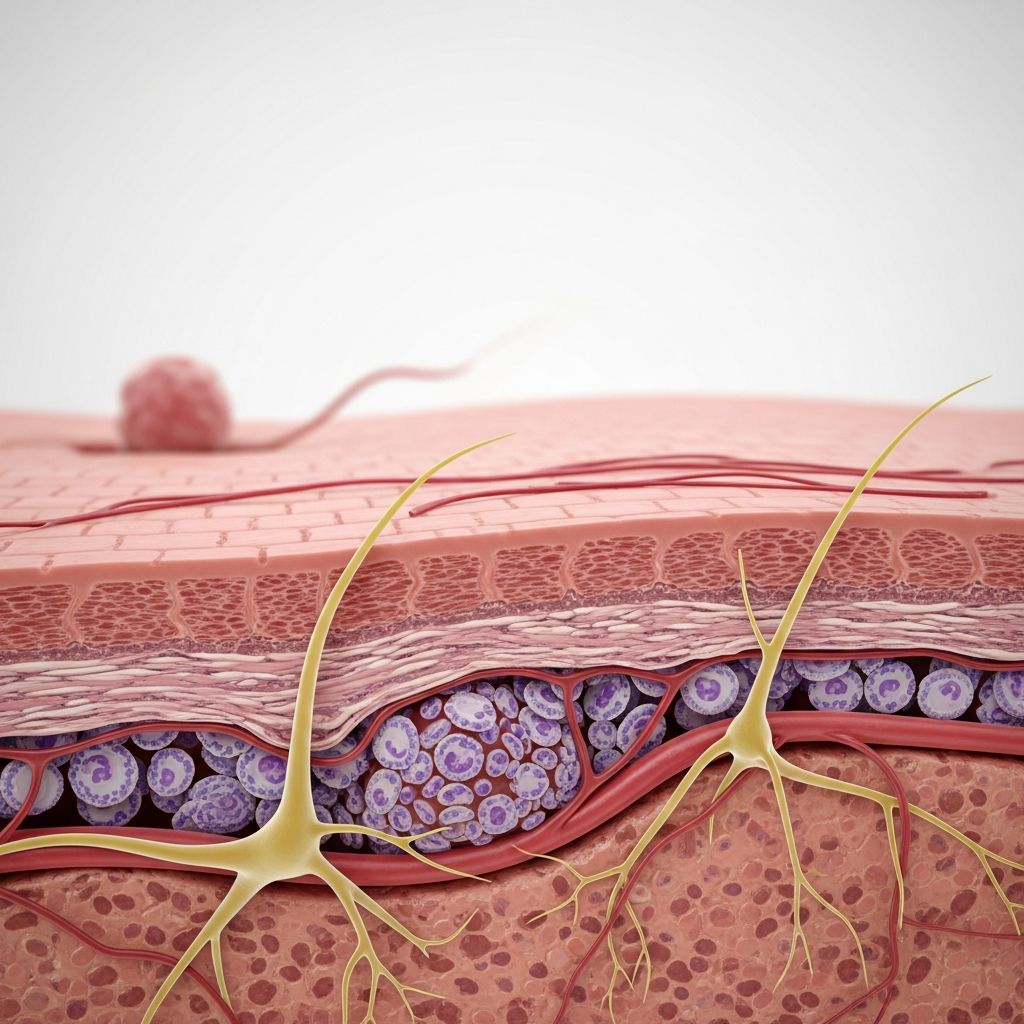
Pruritus, commonly known as itch, is an unpleasant sensation that provokes the urge to scratch.
Paraneoplastic pruritus
refers to itching that arises in association with an underlying malignancy, where the itch serves as a remote effect of the cancer rather than a direct result of tumor invasion or metastasis. This phenomenon is part of the broader category of paraneoplastic syndromes, which involve systemic manifestations triggered by tumors through humoral factors, immune responses, or neural mechanisms. Unlike pruritus from primary skin conditions, paraneoplastic itch is typically generalized, severe, and often lacks a primary rash, though secondary changes from scratching are common.The mechanisms underlying paraneoplastic pruritus remain incompletely understood but likely involve tumor-released cytokines, autoantibodies, or ectopic hormone production that sensitize itch pathways in the skin and central nervous system. Itch severity does not always correlate with cancer stage or burden, and it can precede detectable malignancy by months or even years, making early recognition critical. Chronic pruritus lasting over 6 weeks warrants investigation for paraneoplastic causes, particularly in patients over 50 or with risk factors like smoking or family history of cancer.
Clinical Features
Patients with paraneoplastic pruritus typically experience
generalized itching
affecting the entire body, though it may spare areas difficult to reach, such as the mid-upper back. The itch is often described as intense, burning, or crawling, ranging from mild discomfort to debilitating, interfering with sleep, daily activities, and quality of life. Importantly, there is usuallyno primary skin eruption
; instead, secondary lesions develop from the itch-scratch cycle.Common secondary skin changes include:
- Excoriations: Linear scratches from acute scratching.
- Lichenification: Thickened, leathery skin from chronic rubbing.
- Prurigo nodularis: Firm, hyperkeratotic nodules on extremities.
- Pigmentary alterations: Hyperpigmentation or hypopigmentation, especially in darker skin types.
- Bruising and scarring: From repeated trauma.
These changes spare the ‘scratch-proof’ zones like the upper back, helping differentiate from primary dermatoses. In some cases, paraneoplastic pruritus accompanies specific skin diseases such as acquired ichthyosis, erythroderma, Grover’s disease, malignant acanthosis nigricans, generalized granuloma annulare, Bazex syndrome, or dermatomyositis. Associated systemic symptoms may include weight loss, night sweats, fatigue, or bone pain, signaling the underlying neoplasm.
Associated Cancers
**Lymphoproliferative disorders** are the most frequent culprits, accounting for the majority of paraneoplastic pruritus cases.
Hodgkin lymphoma
is the classic prototype, where itch severity correlates with disease stage and often precedes lymphadenopathy or B symptoms by weeks to months. Non-Hodgkin lymphoma, polycythemia vera, and myelodysplastic syndromes are also strongly linked, with aquagenic pruritus (itch triggered by water contact) potentially heralding T-cell lymphoma years in advance.Solid tumors less commonly induce paraneoplastic itch but have been reported with:
- Breast cancer
- Lung cancer
- Gastrointestinal cancers (e.g., stomach, colon)
- Genitourinary tumors (e.g., prostate, bladder)
- Pancreatic carcinoma
- Hepatobiliary cancers
- Others like thymoma or large cell neuroendocrine carcinoma
In polycythemia vera, itch worsens after hot showers, while in Hodgkin lymphoma, alcohol-induced pruritus is pathognomonic. Paraneoplastic itch can manifest as the first sign of occult malignancy, emphasizing the need for thorough evaluation.
Diagnosis
Suspecting paraneoplastic pruritus requires a high index of clinical suspicion, especially in adults with
new-onset generalized pruritus without rash
or therapy-resistant chronic itch. Key historical red flags include:- Itch preceding other cancer symptoms by >6 weeks
- Progressive worsening despite standard treatments
- Associated B symptoms (fever, night sweats, weight loss)
- Personal/family history of malignancy
- Age >50 years
Related Stories



Physical examination should seek lymph nodes, hepatosplenomegaly, or secondary skin changes with spared back skin. Laboratory workup is guided by findings:
| Investigation | Purpose |
|---|---|
| Full blood count (FBC) | Detect anemia, eosinophilia, lymphocytosis (lymphoma/myeloma) |
| ESR/CRP | Inflammatory markers elevated in malignancy |
| Liver/renal function, electrolytes | Rule out obstructive causes |
| Serum protein electrophoresis | Paraproteins in myeloma |
| Iron studies | Exclude iron deficiency |
| Chest X-ray | Baseline for lymphoma/lung cancer |
Further imaging includes
CT chest/abdomen/pelvis
to screen for lymphoma or solid tumors. Age-appropriate cancer screening (mammogram, colonoscopy, PSA) and lymph node biopsy if indicated. In unexplained cases, PET-CT or bone marrow biopsy may be warranted. Anti-neuronal antibodies (e.g., anti-Hu) should be tested if paraneoplastic neurological syndrome is suspected.Treatment
The cornerstone of treatment is
addressing the underlying malignancy
. Successful chemotherapy, radiation, or surgery often leads to rapid pruritus resolution. However, symptom control is essential during diagnostic workup or when cancer treatment is delayed/palliative.Non-pharmacological measures provide first-line relief:
- Cool environment and lukewarm showers
- Loose cotton clothing
- Daily emollients (e.g., petrolatum) to combat xerosis
- Avoid irritants, hot baths, alcohol
- Behavioral therapy for itch-scratch cycle
Pharmacological options target itch pathways. Antihistamines are often ineffective as paraneoplastic itch is non-histaminergic. Effective therapies include:
| Drug Class | Examples | Dose | Mechanism |
|---|---|---|---|
| H1-antihistamines/sedatives | Hydroxyzine, Doxepin | 25-100 mg/day | Sedation, mild central inhibition |
| Antidepressants (SSRIs) | Paroxetine, Sertraline | 10-20 mg/day | Serotonin modulation; RCT shows 50% itch reduction |
| Tetracyclic antidepressants | Mirtazapine | 15 mg nightly | α2-antagonist, sedating |
| Gabapentinoids | Gabapentin, Pregabalin | 300-3600 mg/day; 150-300 mg/day | Inhibit central/peripheral itch transmission |
| κ-opioid agonists | Nalfurafine (Japan) | Variable | Selective anti-pruritic |
| Thalidomide | – | 100-200 mg/day | TNF-α inhibition; 2nd-line due to neuropathy risk |
| Neurokinin-1 antagonists | Aprepitant | 80 mg/day | Substance P blockade |
| Corticosteroids | Prednisone | 40 mg taper over 3 weeks | For intractable lymphoma itch |
Combination therapy is often required for refractory cases, e.g., SSRI + gabapentinoid + topical capsaicin. Emerging options like butorphanol or ondansetron show promise in select pruritus types. Monitor for side effects, especially in cancer patients.
Frequently Asked Questions (FAQs)
What is paraneoplastic pruritus?
It is severe, generalized itching caused by an underlying cancer as a paraneoplastic syndrome, often without primary rash but with secondary scratch marks.
Which cancer is most linked to paraneoplastic itch?
Hodgkin lymphoma is the most common, where itch can precede diagnosis by months and correlates with disease stage.
Does the itch always go away with cancer treatment?
Often yes, but symptomatic management may be needed if persistent or during workup.
What should I do if I have unexplained chronic itch?
Seek medical evaluation including blood tests and imaging to rule out malignancy, especially if over 50 or with red flags.
Are antihistamines effective for this itch?
Usually not, as it’s non-histaminergic; try SSRIs, gabapentinoids, or mirtazapine instead.
References
- Chronic Pruritus: a Paraneoplastic Sign — Paul et al., PMC – NIH. 2011-07-29. https://pmc.ncbi.nlm.nih.gov/articles/PMC3150589/
- Malignancy-associated pruritus — Rowe & Yosipovitch, PubMed. 2015-09-28. https://pubmed.ncbi.nlm.nih.gov/26416212/
- Paraneoplastic pruritus — DermNet NZ. 2014-11. https://dermnetnz.org/topics/paraneoplastic-pruritus
- A case of severe paraneoplastic itch resistant to antihistamines — Wiley Online Library. 2021-06-07. https://onlinelibrary.wiley.com/doi/full/10.1002/ccr3.4279
- Generalized Chronic Itch as a First Sign of Malignancy — Medical Journals Sweden. 2020. https://www.medicaljournals.se/acta/content/html/10.2340/00015555-2910
- Pruritus — Palliative Care Network of Wisconsin. Accessed 2026. https://www.mypcnow.org/fast-fact/pruritus/
Similar Articles








Read full bio of Sneha Tete