Paranoia: A Comprehensive Guide To Symptoms, Causes & Treatment
Understanding paranoia: symptoms, causes, diagnosis, treatment, and when to seek professional help for this distressing mental health condition.
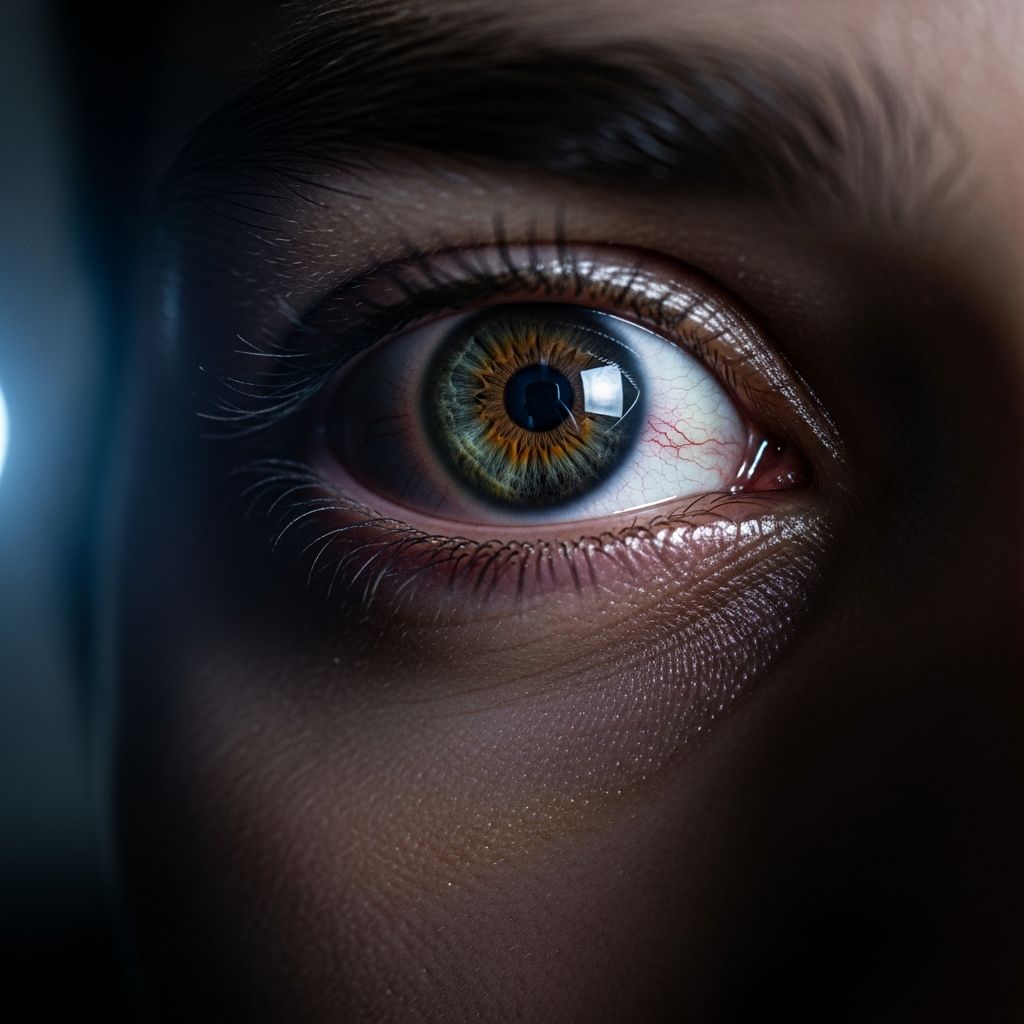
Paranoia is a mental health condition characterized by intense suspiciousness, self-referential thinking, and expectations of persecution, often leading individuals to believe others are deliberately trying to harm them.
This irrational mistrust can cause significant distress, impair social interactions, and result in withdrawal from relationships and daily activities. While mild paranoid thoughts are common in the general population, persistent paranoia may signal underlying mental health disorders such as schizophrenia, anxiety, or depression.
What Is Paranoia?
Paranoia involves a thought process where individuals experience excessive mistrust or suspicion of others, incorrectly perceiving threats where none exist. It manifests as a belief in persecution, deception, or harm, often projecting personal fears onto neutral situations or people.
Unlike fleeting suspicion, clinical paranoia is persistent and interferes with functioning. It exists on a spectrum: from occasional ideas of reference to full-blown persecutory delusions seen in psychotic disorders. For instance, someone might interpret a casual glance as a sign of impending attack, leading to defensive behaviors.
Paranoia can be adaptive in truly dangerous contexts, prompting protective actions, but when disproportionate, it becomes maladaptive. Prevalence estimates suggest 0.5% to 4.5% of the population experiences clinically significant paranoia at any time, varying by culture and context.
Symptoms of Paranoia
Symptoms of paranoia disrupt trust, relationships, and daily life. Common signs include:
- Difficulty trusting others or confiding in them.
- Persistent suspicion that others intend harm, even without evidence.
- Feelings of persecution or being targeted constantly.
- Hostility, argumentativeness, or defensiveness in interactions.
- Reluctance to forgive, compromise, or accept criticism.
- Belief in conspiracy theories or that others speak ill behind one’s back.
- Social withdrawal, isolation, or aggressive safety behaviors.
These symptoms often accompany heightened anxiety, stress, or emotional distress related to perceived threats. In severe cases, paranoia overlaps with hallucinations or delusions, as in paranoid schizophrenia.
Individuals may feel misunderstood or victimized, exacerbating isolation. For example, neutral comments are interpreted as malicious, straining personal and professional relationships.
Causes of Paranoia
Paranoia arises from a complex interplay of biological, psychological, environmental, and social factors. No single cause exists; instead, multiple pathways contribute.
Biological Factors
Brain chemistry imbalances, particularly elevated dopamine levels, are linked to paranoid ideation. Conditions like schizophrenia, dementia, or organic brain syndromes can trigger paranoia. Medical issues such as head injuries, vitamin B deficiencies, pernicious anemia, hyperparathyroidism, or certain cancers also play roles.
Psychological Factors
Cognitive processes explain much of paranoia: negative self-beliefs, intrusive negative images, worry, dissociation, and aberrant salience (over-assigning importance to neutral stimuli). A sense of vulnerability from low self-esteem or external locus of control heightens threat perception.
Less analytical reasoning and anxiety sensitivity amplify paranoid thoughts. Trauma, especially childhood adversity, distorts cognition and increases psychosis risk.
Environmental and Social Triggers
High stress, drug use (e.g., amphetamines, marijuana, alcohol), or withdrawal can induce acute paranoia. Discrimination, lack of social support, and ongoing stressors like agoraphobic distress contribute significantly.
Social anxiety often co-occurs, but factors like hallucinations and discrimination more strongly predict paranoia. A 2023 NIH study found cognitive-social models explain 66.7% of paranoia variance, prioritizing defense behaviors and negative beliefs.
Related Stories



Diagnosis of Paranoia
Diagnosing paranoia is challenging due to individuals’ mistrust of clinicians and reluctance to disclose symptoms. No specific test exists; diagnosis relies on clinical interviews assessing symptom duration, severity, and impact.
Mental health professionals use DSM-5 criteria for related disorders like paranoid personality disorder, delusional disorder, or schizophrenia if paranoia is prominent. Differential diagnosis rules out medical causes via blood tests, imaging, or toxicology screens.
Tools evaluate cognitive biases, such as self-report scales for persecutory ideation. Prevalence in general populations (up to 24.9% report mistrust) underscores the need for context.
Treatment for Paranoia
Treatment is tailored, focusing on reducing symptoms and improving functioning. Approaches include:
- Psychotherapy: Cognitive-behavioral therapy (CBT) targets distorted thinking, challenging paranoid beliefs and building coping skills.
- Medication: Antipsychotics manage severe symptoms; antidepressants or anti-anxiety meds address comorbidities.
- Community Support: Group therapy or family involvement fosters trust and reduces isolation.
Addressing triggers like stress or substance use is crucial. A comprehensive model from recent research identifies intervention targets: enhancing social support, reducing worry, and promoting analytical thinking.
| Treatment Type | Description | Evidence Base |
|---|---|---|
| CBT | Reframes threats, improves reasoning | Effective for delusions |
| Antipsychotics | Balances dopamine | Reduces severity in psychosis |
| Stress Management | Mindfulness, relaxation | Lowers acute episodes |
When to See a Doctor for Paranoia
Seek professional help if paranoia persists beyond a week, disrupts work, relationships, or safety, or involves hallucinations/violence risks. Early intervention prevents complications like isolation or aggression.
Contact a GP or mental health hotline if safety behaviors escalate or daily functioning impairs. Those with paranoia may resist due to mistrust, but trusted loved ones can encourage support.
Complications of Paranoia
Untreated paranoia leads to:
- Social isolation and relationship breakdowns.
- Employment issues from mistrust or hostility.
- Increased anxiety, depression, or substance use.
- Safety risks from avoidance or aggression.
Co-occurring disorders worsen prognosis without intervention.
Coping With Paranoia
Self-help strategies complement treatment:
- Practice mindfulness to observe thoughts without judgment.
- Journal evidence against paranoid beliefs.
- Build social support gradually.
- Avoid substances; manage stress via exercise/sleep.
- Use grounding techniques during episodes.
Family education reduces stigma and aids recovery.
Paranoia vs. Anxiety
| Aspect | Paranoia | Anxiety |
|---|---|---|
| Core Fear | Persecution/harm by others | General worry/rejection |
| Key Factors | Discrimination, hallucinations | Worry, low positive self-belief |
| Overlap | High; shared vulnerability | High; shared vulnerability |
Paranoia emphasizes external threats; anxiety internal worries, though both stem from cognitive-social processes.
Frequently Asked Questions
Is paranoia a mental illness?
Paranoia is a symptom cluster, often part of disorders like schizophrenia or delusional disorder, but can occur independently.
Can stress cause paranoia?
Yes, severe stress triggers paranoid thoughts by heightening threat perception.
How is paranoia treated?
CBT, antipsychotics, and lifestyle changes effectively manage it.
Does everyone experience paranoia?
Mild forms are common (up to 25% report mistrust), but clinical levels affect 0.5-4.5%.
Can paranoia be cured?
It can be managed long-term with treatment, though full resolution varies.
References
- Paranoia | Research Starters — EBSCO. Accessed 2026. https://www.ebsco.com/research-starters/health-and-medicine/paranoia
- Explaining paranoia: cognitive and social processes — National Institutes of Health (PMC). 2023-11-01. https://pmc.ncbi.nlm.nih.gov/articles/PMC10649488/
- What is paranoia and what causes it? — Medical News Today. Accessed 2026. https://www.medicalnewstoday.com/articles/what-is-paranoia
- Paranoia: Symptoms, Causes, and Treatment — Healthline. Accessed 2026. https://www.healthline.com/health/paranoia
- Paranoia — Better Health Channel (Victorian Government). Accessed 2026. https://www.betterhealth.vic.gov.au/health/conditionsandtreatments/paranoia
Similar Articles








Read full bio of medha deb