Paraphenylenediamine Hair Dye Contact Allergy
Understanding PPD allergies: symptoms, diagnosis, treatment, and prevention strategies.
Paraphenylenediamine and Hair Dye Contact Allergy
Paraphenylenediamine (PPD) is the most common cause of allergic contact dermatitis related to hair dye products. This chemical compound is widely used in permanent and semi-permanent hair coloring formulations, particularly in darker shades. While PPD provides excellent color fastness and coverage, it is a potent sensitizer that can trigger severe allergic reactions in susceptible individuals. Understanding the mechanisms, clinical presentation, and management of PPD allergy is essential for both healthcare professionals and individuals who use hair dye products.
What is Paraphenylenediamine (PPD)?
Paraphenylenediamine is a chemical compound used extensively in the hair dye industry as an oxidative dye. It is particularly prevalent in permanent hair coloring products and is often found in natural henna-based dyes, including black henna, which can contain high concentrations of PPD. The chemical’s widespread use is due to its ability to produce permanent color and its compatibility with various hair types. However, this ubiquity also means that exposure to PPD is common among individuals who regularly dye their hair.
Mechanism of PPD Allergy
PPD allergy develops through a type IV hypersensitivity reaction, also known as delayed-type hypersensitivity. This immune response involves T-cell mediated reactions rather than immediate immunoglobulin E (IgE) responses. When an individual is exposed to PPD, the chemical penetrates the skin barrier and acts as a hapten—a small molecule that binds to proteins in the skin. This complex is then presented to the immune system by specialized skin cells called Langerhans cells. In sensitized individuals, T-lymphocytes recognize this PPD-protein complex as foreign and mount an inflammatory response. Subsequent exposures to PPD trigger increasingly severe reactions as the immune system’s memory cells respond more vigorously. Once an individual develops an allergy to PPD, the sensitivity is likely to persist for life.
Clinical Presentation and Symptoms
Symptoms of PPD allergy typically manifest as contact dermatitis, which can be acute, subacute, or chronic in nature. The presentation varies depending on the severity of sensitization and the degree of exposure.
- Early manifestations: Initially, exposure to PPD may not cause noticeable irritation, but subsequent contact often leads to increasingly severe and prolonged reactions. The latent period between exposure and symptom onset typically ranges from one to three days in previously sensitized individuals, though non-sensitized individuals may develop symptoms within four to fourteen days.
- Mild cases: Milder reactions often present as dry, itchy rashes localized to the upper eyelids or areas around the ears. Pruritus (itching) is typically the first symptom, often accompanied by mild erythema (redness).
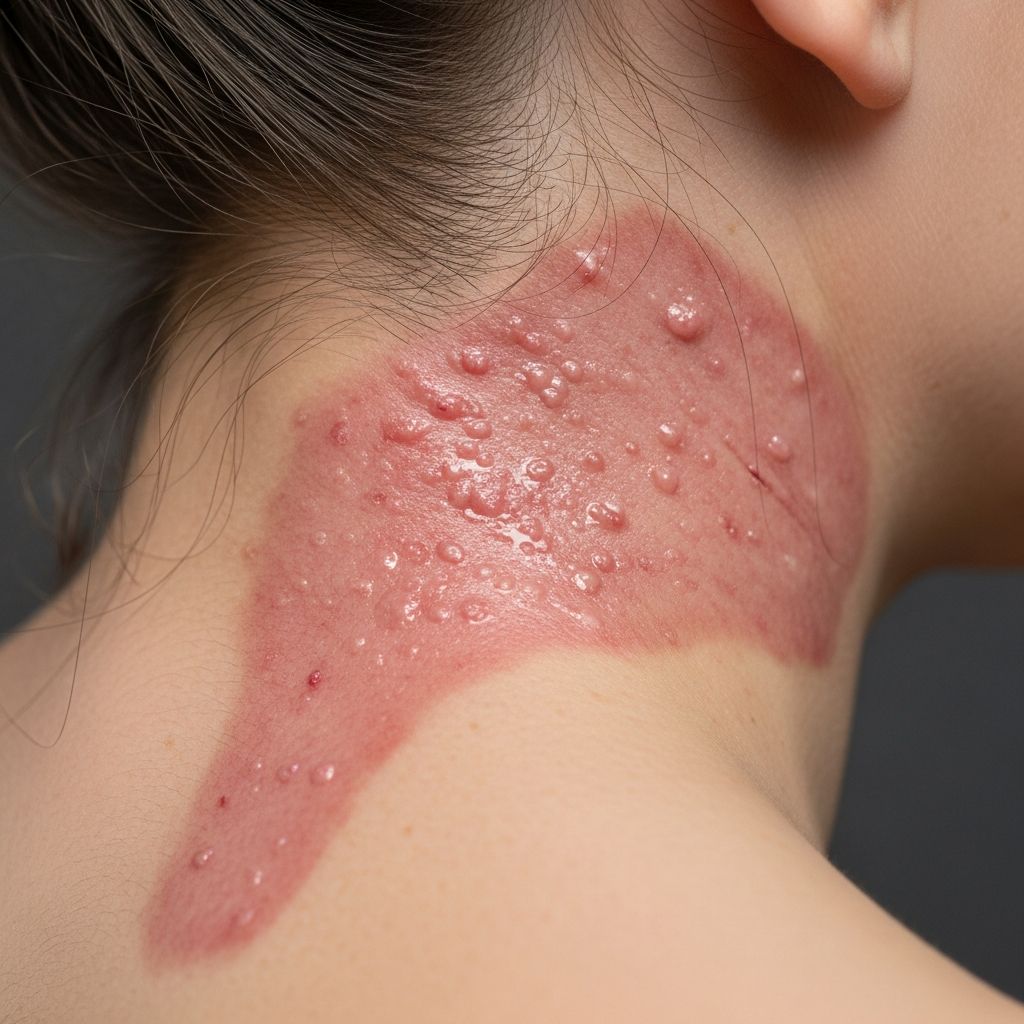
- Moderate to severe cases: More severe reactions may cause extensive redness, blistering, and swelling of the scalp, face, and neck. Patients may experience prominent facial and eyelid edema (swelling), exudation, and vesicular or bullous dermatitis. An angioedema-like appearance is also common and may lead to diagnostic confusion with other conditions.
- Atypical presentations: The scalp often fails to demonstrate visible inflammation, perhaps because it is shielded from dye by the hair itself. However, the hairline, ears, and face are frequently affected. Post-inflammatory hypopigmentation is common, particularly in children, and can take more than six months to clear or may be permanent. Hyperpigmentation occurs mostly in adults and adolescents.
Rare and Systemic Manifestations
While most PPD allergies present as localized contact dermatitis, rare cases can involve systemic reactions. In exceptional circumstances, PPD allergy can lead to asthma, anaphylaxis, or acute kidney failure. There have been reports of PPD triggering conditions such as erythema multiforme, contact leukoderma, and vitiligo in genetically predisposed individuals. Contact urticaria (hives) has also been documented. These severe manifestations underscore the importance of recognizing and properly managing PPD allergies.
Diagnosis of PPD Allergy
Accurate diagnosis of PPD allergy is crucial for preventing future exposures and avoiding unnecessary cross-reactions to related compounds.
Clinical History and Examination
The timing and history of hair dye exposure is key to clarifying the diagnosis. A detailed history should include information about the specific hair dye products used, the timing of symptom onset relative to application, previous reactions to hair dyes, and any occupational exposures (such as in hair salon workers). Physical examination may reveal characteristic patterns of dermatitis on the face, scalp margins, ears, and neck that correspond with areas of dye application.
Related Stories



Patch Testing
Patch testing is the gold standard diagnostic method for confirming PPD allergy. This painless in-office procedure involves applying standardized concentrations of suspected allergens to small patches that are then placed on the patient’s skin, typically on the back or arm. The patches are left in place for 48 hours, and skin reactions are assessed at 48 hours and again at 96 hours. A positive reaction indicates sensitization to the tested allergen. For PPD, patch testing typically uses a 1% concentration in petrolatum, though lower concentrations (0.01%) may be recommended for patients with a history of severe reactions to black henna tattoos to reduce the risk of severe patch test reactions.
Importantly, patch test responses can vary in intensity. More vigorous reactions (rated 3+ rather than 1+) are associated with an increased propensity to react to related compounds. Higher concentrations and prolonged exposure during patch testing increase the likelihood of severe reactions in highly sensitized patients.
Laboratory Testing
Lymphocyte activation tests (LATs) can be used to identify PPD-specific responses by measuring T-cell proliferation. LATs demonstrate the ability to identify PPD-specific peripheral blood mononuclear cell (PBMC) proliferation, with specific criteria defining positive responses. These tests can be useful in cases where patch testing is contraindicated or inconclusive, though they are less commonly performed in routine clinical practice.
Cross-Reactivity and Related Allergens
Individuals sensitized to PPD may experience cross-reactions with related p-amino compounds. These include N-isopropyl-N′-phenyl-p-phenylenediamine, ingredients in Caine mix, and Disperse Yellow 3. The likelihood of cross-reactions increases with the strength of the patch test reaction to PPD. However, the clinical significance of these cross-reactions remains unclear, and some cross-reactive compounds may not cause clinical problems in real-world use.
Treatment of PPD Contact Dermatitis
Management of PPD allergic contact dermatitis involves both immediate care and longer-term treatment strategies.
Immediate Management of Acute Exposure
When an allergic reaction to PPD occurs, immediate intervention is necessary to minimize severity. The following steps should be taken:
- The hair and scalp should be washed thoroughly with a mild soap or soap-free shampoo to remove residual dye. Prompt and thorough washing is essential to remove unoxidized PPD from the skin surface.
- Removing contaminated clothing is recommended to prevent continued exposure.
- Rinsing with cool water can help reduce symptoms and prevent further skin irritation.
- Applying a diluted hydrogen peroxide solution or potassium permanganate compresses can theoretically help neutralize PPD on the skin by completely oxidizing the chemical. However, in practice, these treatments are often not well-tolerated by patients due to discomfort or additional irritation.
- To soothe irritation and soften crusted areas, wet dressings with olive oil and lime water may provide relief.
Pharmacological Treatment
Treatment of established PPD dermatitis typically involves the use of topical corticosteroids to reduce inflammation and itching. The following medications are commonly prescribed:
- Topical corticosteroids: These are the first-line treatment for localized dermatitis. A potent topical corticosteroid or an emulsion of water and water-miscible corticosteroid cream is often prescribed. Application should be directed to affected areas, with frequency depending on the product potency and disease severity.
- Oral corticosteroids: In severe cases, oral corticosteroids may be required. A short course of systemic corticosteroids can rapidly suppress the inflammatory response and prevent progression to severe complications. The decision to use oral corticosteroids should be made by a healthcare professional based on disease severity and extent.
- Antihistamines: Oral antihistamines can counter pruritus and reduce the allergic response. These are particularly useful for managing itching and may improve sleep quality in patients with significant discomfort.
- Emollients: Moisturizing creams, ointments, or soaps (emollients) are important adjunctive treatments. They help restore the skin barrier and reduce irritation from drying and scratching.
- Antibiotics: Oral antibiotics may be needed if there is evidence of secondary bacterial skin infection, which can occur due to scratching or denuded skin.
Prevention and Avoidance
Once an individual is diagnosed with PPD allergy, complete avoidance of PPD-containing products is the most effective prevention strategy. This includes:
- Avoiding all permanent hair dyes that contain PPD, which are commonly found in darker hair color formulations.
- Being cautious with natural henna products, as black henna and some commercial henna products contain high concentrations of PPD, despite claims of being natural.
- Checking product labels carefully and looking for PPD-free or hypoallergenic hair dye alternatives.
- Considering temporary hair color options, plant-based dyes, or professional consultation to identify safer alternatives.
- Informing healthcare providers and dermatologists of PPD allergy for appropriate patch test interpretation and allergen avoidance counseling.
Alternative Hair Dye Options
For individuals with confirmed PPD allergy, several alternatives are available:
- Semi-permanent and temporary dyes: Some temporary or semi-permanent hair colors use different dye systems that do not contain PPD or related compounds.
- Plant-based dyes: Henna and indigo-based products (without PPD additives) offer natural coloring options, though they may have more limited color ranges.
- Hair color specialists: Consulting with dermatologists or hair care professionals can help identify safe products tailored to individual sensitivities.
- Patch testing of alternative products: Before using any new hair dye product, individuals with known PPD allergy should consider performing a patch test with the specific product to ensure tolerance.
Important Considerations
It is important to note that hair dye allergy can be due to other dyes, preservatives, or fragrances beyond PPD. Irritant contact dermatitis can also arise due to the alkaline nature of hair treatment products, independent of allergic sensitization. Therefore, a negative patch test to PPD does not exclude allergy to other components of hair dye products. Comprehensive testing may be necessary to identify all relevant allergens in problematic products.
Frequently Asked Questions (FAQs)
Q: How quickly do PPD allergy symptoms appear?
A: Symptoms typically develop within one to three days in previously sensitized individuals, though initial sensitization in non-sensitized individuals may take four to fourteen days to manifest.
Q: Can PPD allergy go away over time?
A: Once an individual develops PPD allergy, the sensitivity is likely to persist for life. However, avoiding exposure can prevent recurrent reactions.
Q: Is patch testing safe for people with severe PPD allergy?
A: Standard 1% PPD patch testing can produce severe reactions in previously sensitized individuals. Lower concentrations (0.01%) or early patch removal if symptomatic are recommended approaches to minimize risk.
Q: What should I do immediately after a PPD hair dye reaction?
A: Wash hair and scalp thoroughly with mild soap, remove stained clothing, and apply cool compresses. Seek medical evaluation if symptoms are severe or spreading.
Q: Are there safe hair dye alternatives for people with PPD allergy?
A: Yes, alternatives include semi-permanent dyes without PPD, plant-based colorants like pure henna or indigo, and temporary hair colors. Always patch test new products first.
Q: Can occupational exposure to PPD be a concern?
A: Yes, hair salon workers and others with occupational exposure to PPD-containing dyes are at increased risk for developing PPD sensitization over time.
References
- Para-phenylenediamine allergy: current perspectives on diagnosis and management — National Center for Biotechnology Information (NCBI). 2016. https://www.ncbi.nlm.nih.gov/pmc/articles/PMC5261844/
- Hair dye reactions — National Health Service (NHS). 2024. https://www.nhs.uk/conditions/hair-dye-reactions/
- Hair dye allergy reactions: Symptoms and treatments — Medical News Today. 2020. https://www.medicalnewstoday.com/articles/320505
- Allergy to paraphenylenediamine — Canadian Medical and Surgical Dermatology (CMSD). 2025. https://cmsderm.ca/allergy-to-paraphenylenediamine/
- Understanding PPD Hair Dye Allergy — McLean & Potomac Skin Care Center. 2025. https://www.mcleanskin.com/understanding-ppd-hair-dye-allergy/
Similar Articles








Read full bio of Sneha Tete