Parasite Cleanse: What To Know About Safety And Effectiveness
What is a parasite cleanse? Learn if these popular detox diets work, their risks, and what doctors recommend instead for gut health.
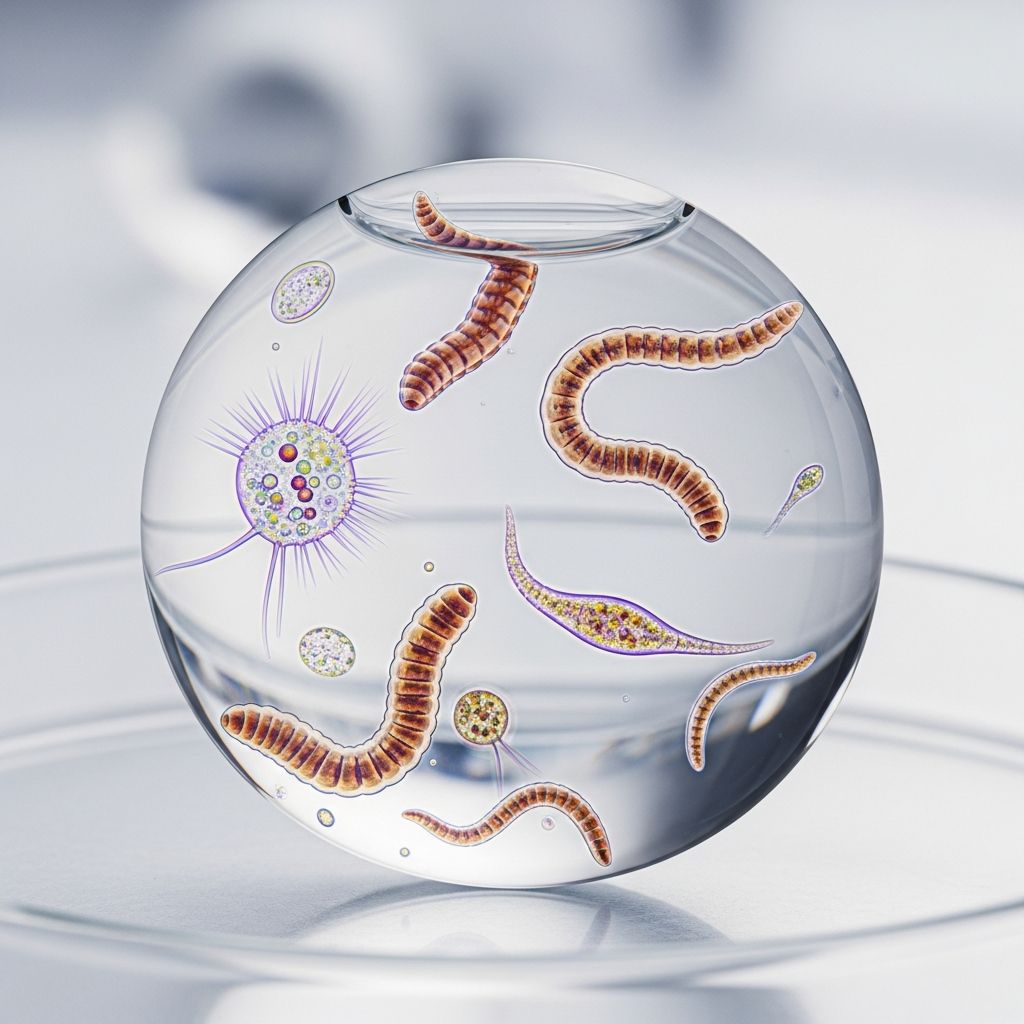
Parasite cleanses have surged in popularity on social media, with influencers touting them as a cure-all for bloating, fatigue, and digestive woes. These regimens typically involve herbal supplements, strict diets, and detox protocols claiming to eliminate intestinal parasites. However, medical experts caution that such cleanses lack robust scientific evidence and may pose health risks.
While parasitic infections do occur, they are relatively rare in developed countries like the United States, often contracted through contaminated food, water, or travel to endemic areas. Proper diagnosis via stool tests or blood work is essential before any treatment, as self-diagnosing and treating can delay care for underlying conditions like IBS or food intolerances.
What Is a Parasite Cleanse?
A
parasite cleanse
, also called a parasite detox, refers to diets, supplements, or products designed to remove parasites or harmful organisms from the digestive tract. Proponents claim these cleanses alleviate symptoms like bloating, gas, and low energy by “starving” and expelling parasites.Common protocols last 1-4 weeks and include:
- Herbal supplements: Wormwood, black walnut hull, cloves, oregano oil, pumpkin seeds, papaya seeds, garlic, and berberine-rich plants like barberry.
- Dietary restrictions: Eliminating sugar, processed foods, gluten, dairy, alcohol, and pork to supposedly “starve” parasites, while emphasizing anti-inflammatory foods like turmeric, ginger, and apple cider vinegar.
- Additional aids: Probiotics, diatomaceous earth, or colonics in some regimens.
These ingredients are marketed for their purported antiparasitic properties, with some lab or animal studies showing promise for wormwood and berberine against certain helminths. However, human trials are scarce, and commercial blends are not FDA-regulated or proven effective.
Do Parasite Cleanses Work?
The short answer:
No strong scientific evidence supports parasite cleanses for treating infections or improving health in humans.
While individual herbs like wormwood (*Artemisia absinthium*) have shown antiparasitic effects in animal models and limited lab research, comprehensive human studies are lacking.A 2024 review noted potential benefits from probiotics, vitamin A, zinc, and selenium in reducing parasite severity, but emphasized the need for more research. Detox reactions, like Herxheimer responses (flu-like symptoms from parasite die-off), are often cited as “proof” of efficacy, but these can stem from any intense dietary shift or supplement side effects.
| Ingredient | Claimed Benefit | Evidence Level |
|---|---|---|
| Wormwood | Broad-spectrum antiparasitic | Promising in animals; limited human data |
| Black Walnut & Cloves | Kills parasites and eggs | Anecdotal; no robust trials |
| Papaya Seeds | Expels worms | Some traditional use; weak evidence |
| Berberine | Antimicrobial | Moderate lab support; needs human studies |
Functional medicine approaches suggest “pulsing” supplements (e.g., 2 weeks on, 1-2 off for 1-2 months) with follow-up stool testing, but even these protocols stress medical supervision for non-pregnant adults only. Without confirmed infection, cleanses offer no benefit and may mask real issues.
Symptoms of Parasitic Infections
Not all gut issues stem from parasites. Common symptoms overlap with other conditions:
Related Stories



- Unexplained weight loss or gain
- Chronic diarrhea or constipation
- Abdominal pain, bloating, gas
- Fatigue, brain fog
- Skin rashes or allergies
- Muscle aches, joint pain
- Anemia or nutritional deficiencies
Symptoms vary by parasite type. Protozoa like Giardia cause watery diarrhea; helminths (worms) like pinworms lead to anal itching; tapeworms may cause no symptoms but lead to vitamin deficiencies. Asymptomatic cases exist, especially in carriers.
Risk factors include travel to developing regions, undercooked meat/fish, poor hygiene, or immunocompromise.
Risks and Side Effects of Parasite Cleanses
Parasite cleanses carry notable downsides, as products aren’t FDA-tested for safety or efficacy:
- Herbal toxicity: Wormwood can cause nausea, dizziness, or seizures in high doses; black walnut may trigger allergies.
- Nutrient deficiencies: Extreme diets risk malnutrition if sustained.
- Drug interactions: Herbs like oregano oil interfere with blood thinners or diabetes meds.
- Delayed diagnosis: Self-treatment postpones care for serious issues like cancer or IBD.
- Die-off symptoms: Headaches, fatigue, or worsened GI issues from toxin release or adjustment.
Pregnant individuals, children, and those with liver/kidney issues should avoid them entirely.
Medically Approved Treatments for Parasites
If tests confirm a parasite, doctors prescribe targeted antiparasitics, far safer and more effective than cleanses:
- Metronidazole or tinidazole: For protozoa like Giardia.
- Albendazole or mebendazole: For pinworms, roundworms, hookworms.
- Praziquantel: For tapeworms, flukes.
- Ivermectin: For strongyloidiasis or scabies.
Treatment duration varies (1-3 days to weeks), often with follow-up testing. Supportive care includes hydration, probiotics, and nutrition. Unlike cleanses, these eradicate parasites without guesswork.
| Disease | Parasite | Transmission | Treatment |
|---|---|---|---|
| Giardiasis | Giardia lamblia | Contaminated water/food | Metronidazole |
| Pinworm | Enterobius vermicularis | Fecal-oral | Mebendazole |
| Tapeworm | Taenia spp. | Undercooked pork/beef | Praziquantel |
Prevention: How to Avoid Parasitic Infections
Prevention beats any cleanse:
- Wash hands, produce, and cook meat thoroughly.
- Drink safe water; avoid ice in endemic areas.
- Practice safe sex and hygiene.
- Get travel vaccines and prophylactic meds if needed.
- De-worm pets regularly.
A balanced diet rich in fiber, probiotics, and nutrients supports gut health naturally.
When to See a Doctor
Consult a healthcare provider if symptoms persist >2 weeks, especially with travel history, blood in stool, fever, or unexplained weight loss. Start with a primary care doctor or gastroenterologist for stool ova/parasite tests, blood work, or endoscopy.
Don’t rely on at-home kits or social media “proof” like strings in stool—these are often undigested fiber.
Frequently Asked Questions (FAQs)
Are parasite cleanses safe?
No, they can cause side effects, interactions, and delay proper care. Only use under medical guidance.
Can everyone benefit from a parasite cleanse?
No—without confirmed infection, there’s no benefit, and risks outweigh any potential upsides.
How long does a parasite cleanse last?
Typically 1-4 weeks, but pulsing protocols may extend to 1-2 months. Medical treatment is shorter.
What are signs a cleanse is working?
Any “die-off” symptoms aren’t reliable proof. Confirm with lab tests before and after.
Do probiotics help during a cleanse?
They may support gut health and show promise against some parasites, but evidence is preliminary.
References
- Should you try a parasite cleanse? The truth about this gut health trend — Baylor Scott & White Health. 2024. https://www.bswhealth.com/blog/should-you-try-a-parasite-cleanse
- What is a parasite cleanse, and does it work? — Medical News Today. 2024-10-15. https://www.medicalnewstoday.com/articles/326696
- Parasite Cleanse Protocol: Comprehensive Lab Testing, Therapeutic Diet, and Supplements — Rupa Health. 2024. https://www.rupahealth.com/post/parasite-cleanse-protocol-comprehensive-lab-testing-therapeutic-diet-and-supplements
- Parasite Cleanse: What Is It, How Does It Work, and More — Healthline. 2024. https://www.healthline.com/health/human-parasite-cleanse
- Gut parasite cleanses like ParaGuard: The good, the bad and the ugly — Nebraska Medicine. 2024. https://www.nebraskamed.com/gastrointestinal-care/gut-parasite-cleanses-like-paraguard-the-good-the-bad-and-the-ugly
- Parasite infection needs proper care, not fad diet — UCLA Health. 2024. https://www.uclahealth.org/news/article/parasite-infection-needs-proper-care-not-fad-diet
Similar Articles








Read full bio of Sneha Tete