Parasites: 3 Types, Symptoms, Causes, Treatment
Discover common parasites, their symptoms, transmission methods, diagnosis, and effective treatments to protect your health.
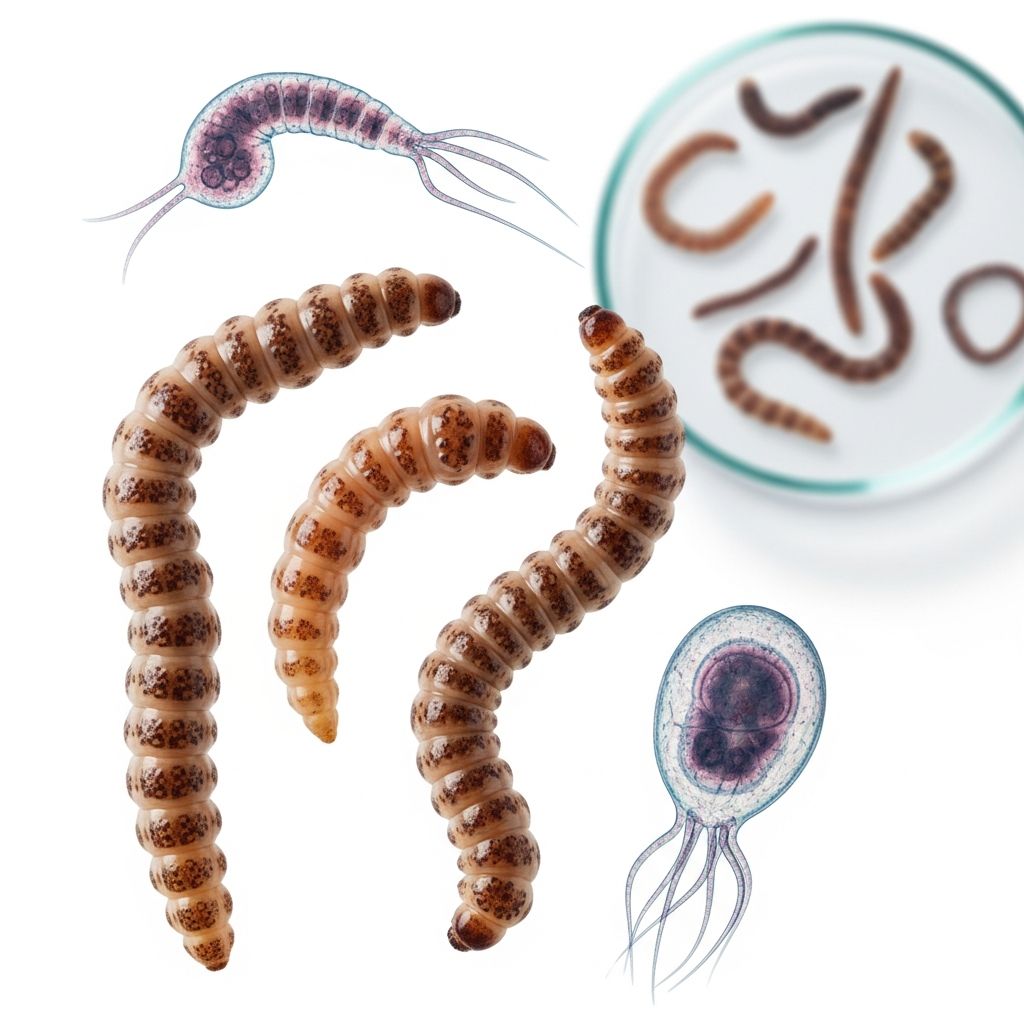
Parasites are organisms that live on or in a host, deriving nutrients at the host’s expense, often causing infections ranging from mild gastrointestinal issues to severe, life-threatening conditions. These infections affect millions globally, including in the United States, through contaminated food, water, or vectors like insects.
What Are Parasites?
A
parasite
is defined as an organism that lives on or inside another organism (the host) and feeds off it, potentially harming the host’s health. Parasitic infections occur when these organisms invade the human body, multiplying and causing damage. According to the Centers for Disease Control and Prevention (CDC), parasites cause a range of diseases, from common intestinal issues like giardiasis to neglected tropical diseases.Parasites impact health by competing for nutrients, triggering immune responses, and damaging tissues. Symptoms vary widely but often include digestive disturbances, fatigue, and weight loss. In vulnerable populations, such as children or immunocompromised individuals, they can lead to malnutrition, anemia, and developmental delays.
Types of Human Parasites
Human parasites are categorized into three main types:
protozoa
,helminths
, andectoparasites
. Each type has distinct characteristics, transmission routes, and health effects.- Protozoa: Single-celled organisms that multiply rapidly inside the body. Common examples include Giardia lamblia (giardiasis), Plasmodium (malaria), and Cryptosporidium. They often spread via contaminated water or food, causing acute diarrhea and dehydration.
- Helminths: Multicellular worms, including roundworms (Ascaris lumbricoides), tapeworms, hookworms, and pinworms. These parasites reside in the intestines or tissues, leading to chronic issues like nutrient malabsorption and anemia.
- Ectoparasites: External parasites like lice, fleas, ticks, and mites that live on the skin surface. They act as vectors for diseases, transmitting pathogens through bites.
Protozoan Parasites
Protozoa are microscopic and reproduce inside humans, making infections explosive if untreated. Giardiasis, known as ‘beaver fever,’ causes watery diarrhea, cramps, and nausea from ingesting cysts in contaminated water. Cryptosporidiosis similarly leads to prolonged diarrhea, especially severe in HIV patients.
Helminth Parasites
Helminths are larger worms acquired through soil contaminated with feces, undercooked meat, or poor hygiene. Hookworms enter via skin penetration, causing blood loss and iron deficiency anemia. Tapeworms from raw pork or fish can grow meters long, robbing the host of vitamins.
Ectoparasites
These include head lice causing itching and secondary infections, and ticks transmitting Lyme disease or babesiosis. Bed bugs and scabies mites burrow into skin, leading to intense rashes.
Common Parasitic Infections in the U.S.
The CDC identifies
giardiasis
,cryptosporidiosis
, andcyclosporiasis
as the most prevalent in the United States. Giardiasis affects hikers and campers via untreated water, with over 1 million cases annually. Cryptosporidiosis spreads in pools and daycares, resistant to chlorine. Cyclosporiasis links to imported produce.| Infection | Cause | Symptoms | Transmission |
|---|---|---|---|
| Giardiasis | Giardia lamblia | Diarrhea, cramps, nausea | Contaminated water/food |
| Cryptosporidiosis | Cryptosporidium | Watery diarrhea, fever | Fecal-oral, pools |
| Cyclosporiasis | Cyclospora cayetanensis | Fatigue, weight loss | Contaminated produce |
Symptoms of Parasitic Infections
Symptoms depend on the parasite’s location and type but commonly include
diarrhea
,abdominal pain
,nausea
,vomiting
,fever
,fatigue
,weight loss
, anditching
. Intestinal parasites cause gastrointestinal distress, while tissue invaders like malaria produce chills and organ damage. Chronic infections mimic IBS or allergies, often going undiagnosed.Related Stories



- Acute symptoms: Sudden diarrhea, dehydration (protozoa).
- Chronic symptoms: Anemia, malnutrition, growth stunting (helminths).
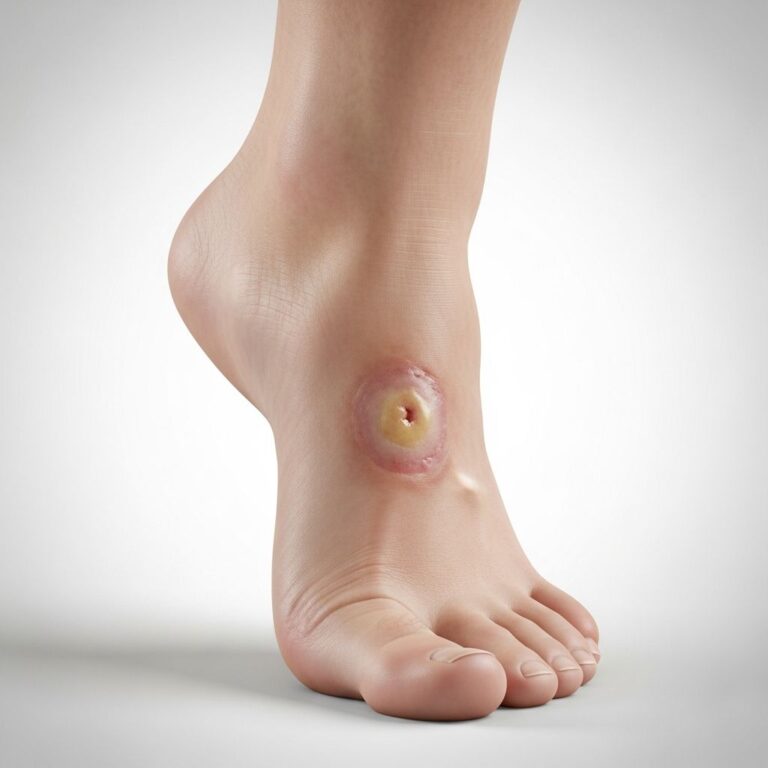
- Skin-related: Rashes, sores from ectoparasites.
In children, parasites correlate with high rates of Entamoeba coli and Blastocystis hominis, linked to poor sanitation.
Causes and Transmission
Parasites transmit via four primary routes: contaminated food/water, insect vectors, animal contact (zoonotic), and skin penetration.
- Contaminated water/food: Fecal-oral route for Giardia, Cryptosporidium.
- Insect bites: Mosquitoes for malaria, ticks for babesiosis.
- Undercooked meat: Tapeworms from pork/fish.
- Poor hygiene: Pinworms via person-to-person.
Zoonotic parasites like Cryptosporidium parvum from calves highlight One Health approaches integrating human, animal, and environmental health.
Diagnosis of Parasites
Diagnosis involves stool tests for eggs/cysts, blood smears for malaria, or biopsies for tissues. Microscopic exam detects parasites, while PCR offers sensitivity for low loads. Serology identifies antibodies in chronic cases. Challenges include intermittent shedding, requiring multiple samples.
Treatment for Parasitic Infections
Treatment uses antiparasitic drugs tailored to the parasite: metronidazole for Giardia, albendazole for helminths, artemisinin for malaria. Supportive care addresses dehydration. Most recover fully with prompt treatment, but resistance emerges, necessitating new strategies.
For ectoparasites, topical insecticides like permethrin suffice. Hospitalization aids severe cases.
Prevention of Parasitic Infections
Prevent via hygiene: boil/filter water, cook meat thoroughly, wash produce, use insect repellent. Avoid swimming in untreated waters. One Health emphasizes sanitation, animal welfare, and vaccines.
- Drink safe water (boil or treat).
- Wash hands before eating.
- Cook meats to safe temperatures.
- Use bed nets in endemic areas.
Frequently Asked Questions (FAQs)
Are parasitic infections common in the U.S.?
Yes, millions suffer from giardiasis, cryptosporidiosis, and others annually, often from travel or recreation.
Can parasites cause chronic fatigue?
Yes, nutrient theft and inflammation lead to persistent tiredness, mimicking other conditions.
How long do symptoms last untreated?
Weeks to years; protozoa cause acute illness, helminths chronic debility.
Do parasites affect children differently?
Yes, causing stunted growth and anemia due to poor nutrition.
Is travel a major risk factor?
Absolutely; contaminated water/food abroad heightens exposure.
Parasites and Global Health
Parasitic diseases burden low-sanitation regions, exacerbating poverty via reduced productivity. Climate change expands vector ranges, demanding surveillance. Advances in diagnostics and drugs offer hope, but equity in access remains key.
References
- A Guide to Parasitic Infections and Parasites — GIDEON Informatics. 2023. https://www.gideononline.com/blogs/parasitic-infections/
- Parasites and Infection: Strategies to Control, Diagnose, and Treat Parasitic Diseases — Erica S Martins-Duarte, PMC. 2024-10-01. https://pmc.ncbi.nlm.nih.gov/articles/PMC12194987/
- Parasites: Types, Symptoms, Treatment & Prevention — Cleveland Clinic. 2024. https://my.clevelandclinic.org/health/diseases/24911-parasites
- Types of human parasite: Worms, infections, and causes — Medical News Today. 2023. https://www.medicalnewstoday.com/articles/human-parasites
- How Undiagnosed Parasite Infections Cause Chronic Health Conditions — Rupa Health. 2024. https://www.rupahealth.com/post/parasites-a-possible-underlying-reason-behind-chronic-health-conditions
- About Parasites — CDC. 2025-01-01. https://www.cdc.gov/parasites/about/index.html
Similar Articles








Read full bio of medha deb