Parasites: Types, Symptoms, Treatment & Prevention
Understanding parasitic infections: Learn about types, symptoms, diagnosis, and effective treatment options.
Understanding Parasites: A Comprehensive Guide
Parasites are organisms that depend on a host to survive and spread, establishing themselves within human bodies to feed and reproduce. These microscopic or visible creatures can cause a range of health complications, from mild discomfort to serious medical conditions. Understanding the nature of parasitic infections is essential for recognizing symptoms early and seeking appropriate treatment. With proper knowledge about parasites, their transmission methods, and preventive measures, you can significantly reduce your risk of infection.
What Are Parasites?
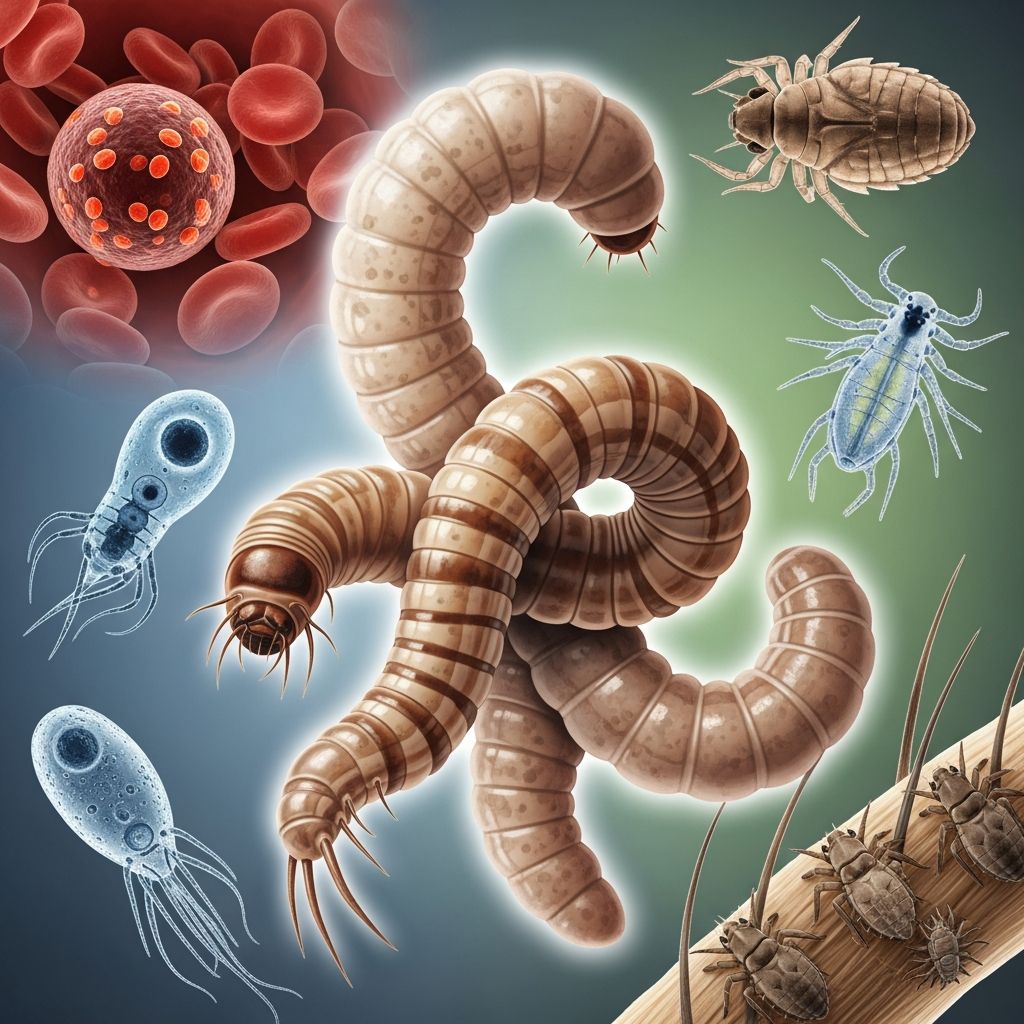
Parasites are living organisms that survive by residing within or on the bodies of other organisms, known as hosts. In a parasitic relationship, the parasite benefits from the host while providing nothing in return—in fact, parasites often harm their hosts by consuming nutrients, damaging tissues, or causing inflammation. There are three main types of parasites that commonly affect humans, each with distinct characteristics and transmission methods.
The Three Main Types of Parasites
Parasitic infections vary significantly based on the organism involved. Understanding these different categories helps healthcare providers diagnose and treat infections more effectively.
Protozoa
Protozoa are single-celled organisms that represent one of the most common types of parasitic infections. These microscopic parasites can live in the intestines, blood, or tissues of infected individuals. In the United States, giardia is the most frequently encountered protozoan parasite. Protozoan infections typically develop when contaminated water or food is ingested, making them particularly common in areas with poor sanitation or during travel to regions with inadequate water treatment systems.
Helminths
Helminths, commonly known as parasitic worms, are larger organisms visible to the naked eye in some cases. This category includes roundworms, tapeworms, and hookworms. Among intestinal worms found in the United States, pinworms are the most prevalent. Helminth infections occur when microscopic eggs are ingested, either through contaminated food, water, or direct contact with infected soil or surfaces.
Ectoparasites
Ectoparasites are organisms that live on the surface of the skin rather than inside the body. Common examples include lice, fleas, ticks, bedbugs, and mites. These parasites spread through direct contact with infected individuals or animals, or through contact with contaminated environments. Scabies mites burrow into the skin, causing intense itching and characteristic skin patterns.
Common Sources and Causes of Parasitic Infections
Parasitic infections develop through various transmission routes. Understanding these pathways is crucial for implementing effective prevention strategies.
Food Sources
Many parasites enter the body through contaminated food. Common culprits include undercooked or raw meat, especially pork and beef, unwashed fruits and vegetables, and food prepared in unsanitary conditions. Sushi and sashimi prepared without proper handling can harbor parasites. Food handlers who fail to practice good hygiene can easily contaminate meals with parasite eggs or organisms.
Water Contamination
Unsafe drinking water represents a significant risk factor for parasitic infections. Parasites can contaminate water sources in areas with inadequate sewage treatment or sanitation infrastructure. Swimming in contaminated lakes, rivers, or pools can expose individuals to various parasites. Even small amounts of contaminated water swallowed while swimming can cause infection.
Related Stories



Direct Contact
Many parasites, particularly ectoparasites, spread through direct contact with infected individuals or animals. Sharing personal items, bedding, or clothing can facilitate transmission. Poor hygiene practices, including inadequate handwashing, significantly increase transmission risk, especially among children in close-quarters environments like schools or daycare centers.
Environmental Exposure
Walking barefoot in contaminated soil can lead to hookworm infections. Parasite eggs and organisms persist in soil in areas with poor sanitation. Outdoor activities without proper precautions increase exposure risk, particularly in tropical and subtropical regions where parasites thrive.
Recognizing Parasitic Infection Symptoms
Parasitic infections present with highly variable symptoms depending on the parasite type, infection severity, and individual immune response. Some infections remain asymptomatic, meaning individuals carry parasites without experiencing noticeable symptoms. When symptoms do appear, they may include fever, fatigue, intestinal discomfort, skin rashes, or severe itching. Gastrointestinal symptoms like diarrhea, nausea, and abdominal pain are particularly common with intestinal parasites.
Diagnostic Methods for Parasitic Infections
Accurate diagnosis is essential for appropriate treatment. Healthcare providers employ several diagnostic approaches depending on the suspected parasite type.
Medical History and Physical Examination
Your healthcare provider will begin by asking detailed questions about your symptoms, travel history, food consumption, and potential exposure sources. During physical examination, they will look for characteristic signs such as severe itching, bite marks, rashes, or visible parasites on hair, skin, or clothing. This initial assessment helps narrow down the suspected parasite type.
Fecal Examination
Fecal exams remain the gold standard for diagnosing intestinal parasites. You’ll collect three or more stool samples over several days in sterile containers. Laboratory technicians examine these samples under microscopes to identify parasites, eggs (ova), or larvae. Multiple samples improve detection accuracy since parasite shedding varies daily.
Blood Tests
Healthcare providers can diagnose some parasites through blood tests, which detect parasite antigens or antibodies your immune system has produced. A small blood sample is obtained using a tiny needle, and specialized laboratory tests identify specific parasitic organisms or their markers.
Imaging Studies
When parasites cause internal damage, imaging studies become necessary. X-rays, magnetic resonance imaging (MRI) scans, and computed tomography (CT) scans can reveal lesions or damage to intestinal structures. These imaging techniques help assess infection severity and identify complications.
Parasite Identification Testing
Specialized laboratory testing can identify specific parasites from specimens. Direct microscopy examination remains the primary methodology for parasite identification. For some parasites, technicians may preserve specimens in ethanol or formalin to prevent degradation and facilitate accurate identification.
Treatment Options for Parasitic Infections
Treatment approaches vary significantly based on parasite type and infection severity. Your healthcare provider will prescribe medications specifically targeting your particular infection.
Antiparasitic Medications
Antiparasitic drugs work through multiple mechanisms—killing parasites directly, stopping their growth, or paralyzing them. These prescription medications are highly effective when taken as directed. Treatment duration typically ranges from one to three days for many infections. Most people experience symptom improvement relatively quickly, even before all parasites are eliminated. Following your provider’s instructions precisely is crucial, as incomplete treatment may allow parasites to return or develop drug resistance.
Antibiotics
Some parasitic infections, particularly those involving secondary bacterial infections, require antibiotic therapy alongside antiparasitic medication. Your healthcare provider will determine if additional antibiotic treatment is necessary.
Treatment for Ectoparasites
Treating lice, fleas, and ticks often involves regular applications of prescribed topical treatments or oral medications. Your provider may recommend frequent bathing with medicated soaps, regular hair washing with special shampoos, or cleaning and treatment of clothing and bedding.
Supportive Care
Alongside prescription medications, strengthening your immune system through proper nutrition and targeted supplements may help your body eliminate parasites more efficiently. However, always consult your healthcare provider before trying alternative therapies, as some may interfere with prescription medications or cause adverse effects.
Prevention Strategies
Preventing parasitic infections is far more effective than treating them. Implementing these practical measures significantly reduces infection risk.
Food Safety Practices
Cook meat thoroughly to kill parasites and their eggs. Use a food thermometer to ensure internal temperatures reach safe levels. Wash fruits and vegetables thoroughly under running water before consumption. Practice proper food handling and hygiene in the kitchen. Avoid consuming raw or undercooked meat, especially in regions with higher parasitic prevalence.
Water Safety
Drink clean, filtered water from reliable sources. When traveling to areas with questionable water safety, drink bottled water or boiled water. Avoid swimming in potentially contaminated water sources. Use water purification tablets or filters when camping or in remote areas.
Personal Hygiene
Wash hands thoroughly with soap and water, especially after using the bathroom, before eating, and after outdoor activities. Teach children proper handwashing techniques. Keep fingernails trimmed short to prevent parasite egg accumulation. Avoid touching your face with unwashed hands.
Environmental Precautions
Wear shoes when walking in areas where soil contamination is likely. Use protective barriers when sitting on potentially contaminated surfaces. Maintain clean bedding and personal items. Regularly wash clothing in hot water when parasitic infection is present in your household.
Frequently Asked Questions
Q: Can parasitic infections go away on their own?
A: Some parasitic infections may clear spontaneously, but most people require prescription antiparasitic medications for effective treatment. Without proper treatment, infections often persist or worsen.
Q: How long does parasitic infection treatment take?
A: Treatment duration varies by parasite type. Most antiparasitic medications are taken for one to three days, though some infections may require longer treatment courses or follow-up doses.
Q: Is it normal to see worms in stool after treatment?
A: Yes, seeing dead worms in stool after treatment is common and not alarming. This indicates the medications are working effectively to eliminate the parasites.
Q: How can I prevent parasitic infections while traveling?
A: Practice careful food and water safety, avoid swimming in questionable water sources, maintain good hygiene, wear protective footwear, and consult your healthcare provider about preventive medications if traveling to high-risk regions.
Q: Are parasitic infections contagious?
A: Many parasitic infections are contagious. Ectoparasites spread through direct contact, and some intestinal parasites spread through contaminated food or water. Practice good hygiene to prevent transmission to others.
Q: What should I do if I suspect a parasitic infection?
A: Contact your healthcare provider immediately. Describe your symptoms and any potential exposure sources. Your provider will perform appropriate tests and prescribe effective treatment if parasites are identified.
When to Seek Medical Care
If you experience persistent gastrointestinal symptoms, unexplained fever, severe itching, visible parasites, or suspect parasitic exposure, contact your healthcare provider promptly. Cleveland Clinic’s Express Care and Urgent Care locations can evaluate and treat parasitic infections without requiring appointments, providing rapid assessment and care.
References
- Parasites: Types, Symptoms, Treatment & Prevention — Cleveland Clinic. 2023-04-14. https://my.clevelandclinic.org/health/diseases/24911-parasites
- Intestinal Parasites & Worms: Symptoms, Types, Treatment — Cleveland Clinic. 2023. https://my.clevelandclinic.org/health/diseases/intestinal-parasites
- Laboratory Diagnosis of Parasites from the Gastrointestinal Tract — National Institutes of Health (PubMed). 2017. https://pubmed.ncbi.nlm.nih.gov/29142079/
- Parasite Identification — Cleveland Clinic Laboratories. https://clevelandcliniclabs.com/test/parasite-identification/
- Antiparasitic Drugs: Malaria, Toxoplasmosis, Parasitic Infection — Cleveland Clinic. 2022-05-06. https://my.clevelandclinic.org/health/drugs/22945-antiparasitic-drugs
Similar Articles








Read full bio of Sneha Tete