Parasitic Infections: Causes, Symptoms & Treatment
Understanding parasitic infections: transmission routes, symptoms, diagnosis and evidence-based treatment options.
Parasitic infections are diseases caused by organisms that live off of another living thing, deriving nutrients and shelter from their host while potentially causing significant harm. These infections affect millions of people worldwide and range from mild to life-threatening depending on the parasite type, infection severity, and the host’s immune status. Understanding parasitic infections is essential for prevention, early detection, and effective treatment.
What Is a Parasitic Infection?
A parasitic infection occurs when parasitic organisms establish themselves in or on a human host and reproduce. Parasites are distinct from other pathogens because they require a living host to complete their life cycle. Unlike bacteria or viruses that may survive independently, parasites depend entirely on their hosts for survival and propagation. These infections can be acquired through various routes and can affect different body systems depending on the parasite species involved.
Types of Parasites
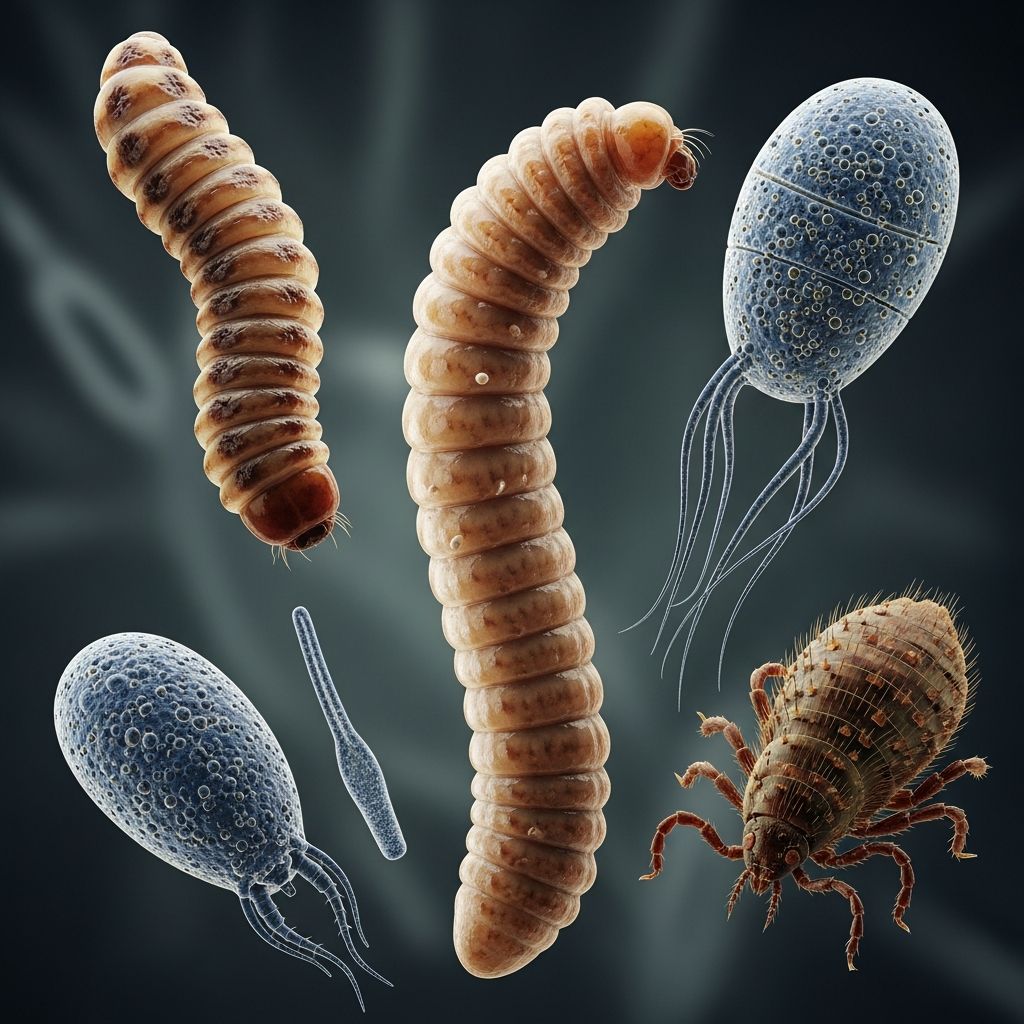
There are three main categories of parasites that infect humans: protozoa, helminths (worms), and ectoparasites. Each type has distinct characteristics, transmission methods, and clinical presentations.
Protozoa
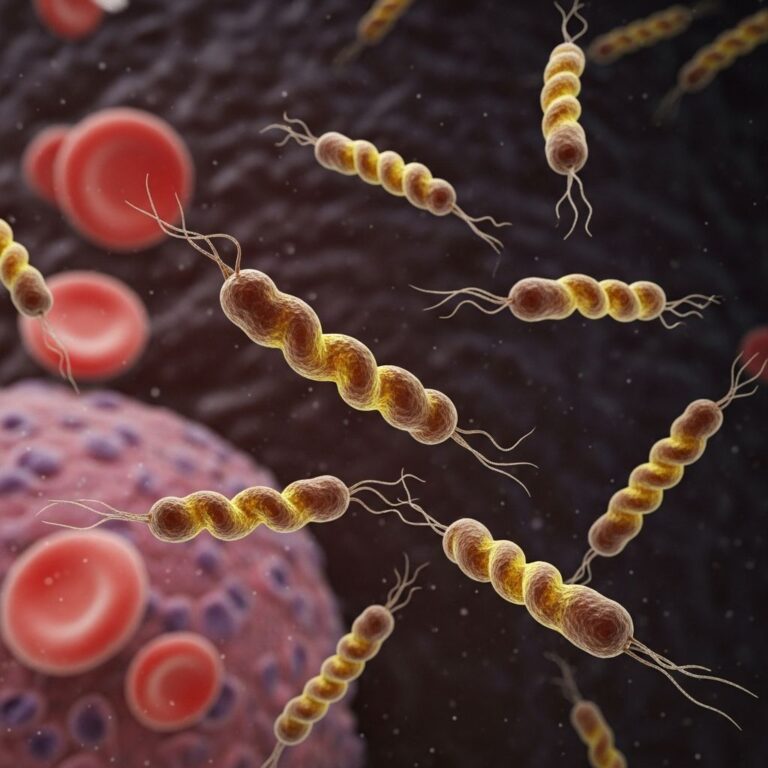
Protozoa are single-celled organisms that represent some of the most common parasitic infections worldwide. These microscopic organisms can multiply rapidly within a host, sometimes leading to severe infections. Protozoan infections include malaria, caused by Plasmodium species, which remains a major global health concern affecting hundreds of millions of people annually. Other notable protozoal infections include giardiasis and cryptosporidiosis, which primarily affect the digestive system.
Helminths
Helminths are parasitic worms that include roundworms, tapeworms, and flatworms. These macroscopic organisms can grow to significant sizes within the human body. Roundworm infections like ascariasis are among the most prevalent parasitic infections globally. Tapeworms such as Taenia solium can form cysts in various organs, potentially causing serious complications. Flatworms like Schistosoma species infect the blood and urinary systems, particularly in areas with contaminated freshwater sources.
Ectoparasites
Ectoparasites live on the skin surface rather than inside the body. Common examples include lice, mites, and certain types of fleas. While often considered less serious than internal parasites, ectoparasitic infections can cause significant itching, skin damage, and secondary bacterial infections.
How Parasitic Infections Are Transmitted
Understanding transmission routes is crucial for prevention. Parasitic infections can be acquired through multiple pathways, and different parasites have evolved specific transmission mechanisms.
Contaminated Food and Water
One of the most common transmission routes involves consuming contaminated food or water containing parasitic eggs or larvae. Undercooked or raw meat, particularly pork and seafood, poses significant risk. Cysticercosis, caused by Taenia solium eggs, can be acquired through contaminated vegetables, fruits, or untreated water. Schistosomiasis transmission occurs when individuals contact freshwater sources containing Schistosoma parasites. Proper food preparation, including adequate cooking temperatures and thorough washing of produce, significantly reduces this risk.
Related Stories



Direct Contact and Contaminated Surfaces
Poor hygiene practices facilitate parasitic transmission. Contact with feces containing parasitic eggs, whether through inadequate handwashing or contaminated surfaces, represents a significant transmission route. Strongyloidiasis transmission occurs when parasitic larvae in contaminated soil penetrate the skin. Hydatid disease spreads through contact with dog feces containing Echinococcus tapeworm eggs.
Insect Vectors
Certain parasites utilize insect vectors for transmission. Malaria is transmitted by infected mosquitoes, making vector control essential in endemic regions. Other parasites may be transmitted through tick bites or other arthropod vectors in specific geographic areas.
Blood Transfusion and Organ Transplantation
Some parasites, notably Babesia microti, can be transmitted through contaminated blood products. This route of transmission led the FDA to mandate donor screening for babesiosis in 2018, significantly reducing transfusion-related parasitic infections.
Symptoms of Parasitic Infections
Parasitic infection symptoms vary considerably depending on the parasite species, infection duration, and host immune status. Symptoms can develop gradually or suddenly and may mimic other infectious diseases, complicating diagnosis.
Common Systemic Symptoms
Many parasitic infections cause general systemic symptoms including fever, fatigue, and malaise. These symptoms often occur as the immune system responds to parasitic invasion. Night sweats and chills may accompany fever, particularly in protozoal infections like malaria. Unexplained weight loss can occur with chronic parasitic infections that interfere with nutrient absorption.
Gastrointestinal Symptoms
The digestive system frequently bears the brunt of parasitic infections. Symptoms include diarrhea, abdominal pain, nausea, vomiting, and constipation. Intestinal parasites like roundworms and hookworms cause malabsorption, leading to nutritional deficiencies. Severe infections may cause intestinal obstruction or perforation.
Neurological Symptoms
Certain parasitic infections affect the nervous system, causing seizures, headaches, and cognitive changes. Cysticercosis, caused by Taenia solium larvae migrating to the brain, commonly causes seizures and can result in life-threatening brain swelling. Paragonimiasis can spread to the brain, causing neurological complications.
Skin Manifestations
Parasitic infections frequently present with skin symptoms including rashes, itching, and lesions. Some parasites cause characteristic skin reactions where larvae penetrate the skin. Inflammatory responses to parasitic antigens can produce urticaria or other allergic manifestations.
Diagnosis of Parasitic Infections
Accurate diagnosis requires clinical suspicion combined with appropriate laboratory and imaging studies. Because parasitic infection symptoms mimic many other diseases, definitive diagnosis is essential for proper treatment.
Blood Tests
Blood microscopy remains fundamental for diagnosing certain parasitic infections, particularly protozoal infections like malaria and babesiosis. Thick and thin blood films allow identification of parasites and calculation of parasitemia percentages. Blood tests can also detect antibodies to parasitic antigens, indicating past or present infection. However, a single negative result does not exclude parasitic infection; multiple samples collected at different times may be necessary for accurate diagnosis.
Stool Samples
Examination of stool samples identifies intestinal parasites and their eggs. Multiple samples collected on different days improve detection sensitivity, as parasitic egg shedding varies over time.
Imaging Studies
X-rays, CT scans, and MRI help visualize parasitic cysts and determine their location and size. Imaging is particularly valuable for diagnosing hydatid disease, cysticercosis, and paragonimiasis, where cysts develop in various organs.
Tissue Samples
Biopsy may be necessary for certain parasitic infections, particularly when parasites reside in tissues rather than body cavities or blood.
Treatment Options
Most parasitic infections respond well to antiparasitic medications, though some infections require prolonged treatment or may recur without proper management.
Antiparasitic Medications
Ivermectin represents one of the most effective antiparasitic agents, particularly for strongyloidiasis treatment. It is often combined with albendazole for enhanced efficacy. Treatment duration typically ranges from two to fourteen days or longer, depending on the specific infection and severity.
Praziquantel effectively treats schistosomiasis and paragonimiasis, requiring two to three doses administered over one to two days. Repeat treatment may be necessary weeks later for complete parasitic elimination.
Combination Therapy
For certain infections, combination antiparasitic therapy proves more effective than monotherapy. Healthcare providers tailor treatment regimens based on the specific parasite, infection severity, and individual patient factors.
Surgical Intervention
Some parasitic infections require surgical management. Hydatid disease and cysticercosis may require cyst aspiration or surgical removal if cysts are large, causing complications, or failing to respond to medications.
Immunosuppression Management
Patients receiving immunosuppressive therapy may require temporary reduction of immunosuppressant doses during parasitic infection treatment to optimize immune response and medication efficacy.
Prevention of Parasitic Infections
Prevention represents the most effective strategy against parasitic infections. Following simple precautions significantly reduces infection risk across all transmission routes.
Food and Water Safety
Cook all meat thoroughly to recommended internal temperatures, particularly pork and seafood. Wash fruits and vegetables thoroughly under clean running water. Drink water from safe sources; when uncertain about water safety, boil or use filtration systems. Avoid consuming undercooked or raw preparations from potentially contaminated sources.
Hygiene Practices
Wash hands frequently with soap and warm water, particularly after using the bathroom, before eating, and after contact with potentially contaminated materials. Maintain proper sanitation and avoid contact with contaminated soil or surfaces.
Travel Precautions
When traveling to endemic areas, take additional precautions including wearing appropriate footwear to prevent skin penetration by parasites, using insect repellent to prevent vector-borne transmission, and following dietary guidelines for safe food consumption.
Medical Screening
Individuals who have lived in or traveled to endemic areas should discuss parasitic infection screening with their healthcare providers, particularly if symptoms develop.
Prognosis and Outcomes
With appropriate diagnosis and treatment, most people achieve complete recovery from parasitic infections. However, outcomes depend on several factors including parasite type, infection severity, timeliness of treatment initiation, and host immune status.
Some parasitic infections resolve completely with treatment and do not recur. Others may develop into chronic infections lasting years without appropriate intervention. Untreated parasitic infections can lead to serious complications including organ damage, neurological impairment, and life-threatening conditions.
Individuals with compromised immune systems face elevated risks of severe parasitic infections and complications. Immunocompromised patients require aggressive treatment and careful monitoring to prevent serious outcomes.
When to Seek Medical Care
Contact your healthcare provider if you experience symptoms suggestive of parasitic infection, particularly if you have traveled to or lived in endemic areas. Symptoms persisting after treatment warrants follow-up evaluation to ensure complete parasitic elimination and rule out treatment resistance or alternative diagnoses.
Frequently Asked Questions
Can parasitic infections be prevented?
Yes, most parasitic infections are preventable through practicing good hygiene, consuming safe food and water, wearing protective clothing in endemic areas, and using insect repellent when appropriate. Awareness of transmission routes enables individuals to take targeted preventive measures.
How long does it take to develop symptoms after parasitic exposure?
Symptom onset varies significantly depending on the parasite type. Some infections cause symptoms within days, while others may require weeks or months. Schistosomiasis, for example, typically takes several weeks after exposure before symptoms appear or tests show positive results.
Are parasitic infections contagious between people?
Most parasitic infections are not directly contagious between people through casual contact. However, transmission can occur through contaminated food, water, or surfaces, or in the case of certain parasites, through insect vectors or blood exposure.
Can parasitic infections recur?
Yes, some parasitic infections can recur, particularly strongyloidiasis, where parasites can reinfect the host from within the body (autoinfection). Additionally, reinfection can occur through exposure to contaminated sources. Proper treatment completion and prevention measures reduce recurrence risk.
What should I do if symptoms persist after treatment?
Contact your healthcare provider if symptoms continue after completing parasitic infection treatment. Further testing may be necessary to confirm complete parasitic elimination, assess for treatment resistance, or identify alternative diagnoses.
References
- Parasitic Infection: Causes, Symptoms & Treatment — Cleveland Clinic. 2024. https://my.clevelandclinic.org/health/diseases/24885-parasitic-infection
- Parasites: Types, Symptoms, Treatment & Prevention — Cleveland Clinic. 2024. https://my.clevelandclinic.org/health/diseases/24911-parasites
- Blood Parasite Microscopy smear, including Parasitemia — Cleveland Clinic Laboratories. https://clevelandcliniclabs.com/test/blood-parasite-microscopy-smear-including-parasitemia/
- Strongyloidiasis: Causes, Symptoms, Prevention & Treatment — Cleveland Clinic. 2024. https://my.clevelandclinic.org/health/diseases/14074-strongyloidiasis
- Schistosomiasis: Transmission, Symptoms & Treatment — Cleveland Clinic. 2024. https://my.clevelandclinic.org/health/diseases/22631-schistosomiasis
- Cysticercosis: Overview, Symptoms & Treatment — Cleveland Clinic. 2024. https://my.clevelandclinic.org/health/diseases/23534-cysticercosis
Similar Articles








Read full bio of Sneha Tete