Parasitic Infections of the Skin: Types, Symptoms & Treatment
Complete guide to parasitic skin infections: causes, symptoms, diagnosis, and effective treatment options.
Parasitic Infections of the Skin
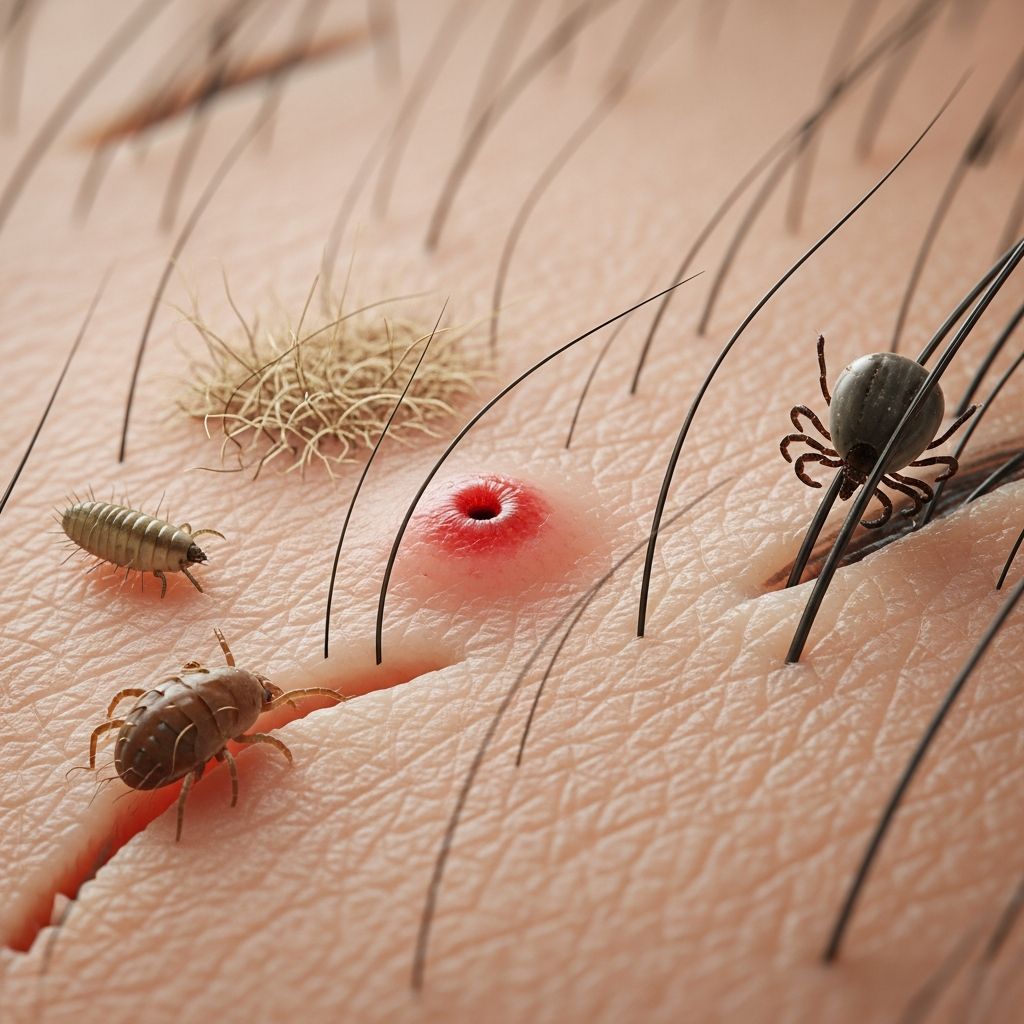
Parasitic infections of the skin occur when tiny organisms or insects burrow beneath the skin surface or infest hair follicles, causing discomfort and visible skin changes. These infections represent a significant global health concern, affecting millions of individuals across all demographics. While parasitic skin infections are rarely life-threatening, they can cause considerable discomfort, itching, and secondary complications if left untreated. Understanding the types, symptoms, and treatment options available is essential for effective management and prevention.
Understanding Parasitic Skin Infections
Parasitic skin infections are caused by various parasitic organisms, including mites, insects, and helminths, that colonize the skin or subcutaneous tissues. These organisms can enter the body through direct contact with infected individuals, contaminated environments, or exposure to infected animals. The severity and symptoms of parasitic skin infections vary significantly depending on the type of parasite, the extent of infestation, immune status, and whether secondary bacterial infections develop.
The main parasitic skin diseases of clinical importance include scabies, pediculosis capitis (head lice), cutaneous larva migrans, loiasis, and cutaneous leishmaniasis. Each presents with distinct characteristics and requires tailored treatment approaches. Recognition of these conditions is crucial for appropriate management and prevention of transmission to others.
Common Types of Parasitic Skin Infections
Scabies
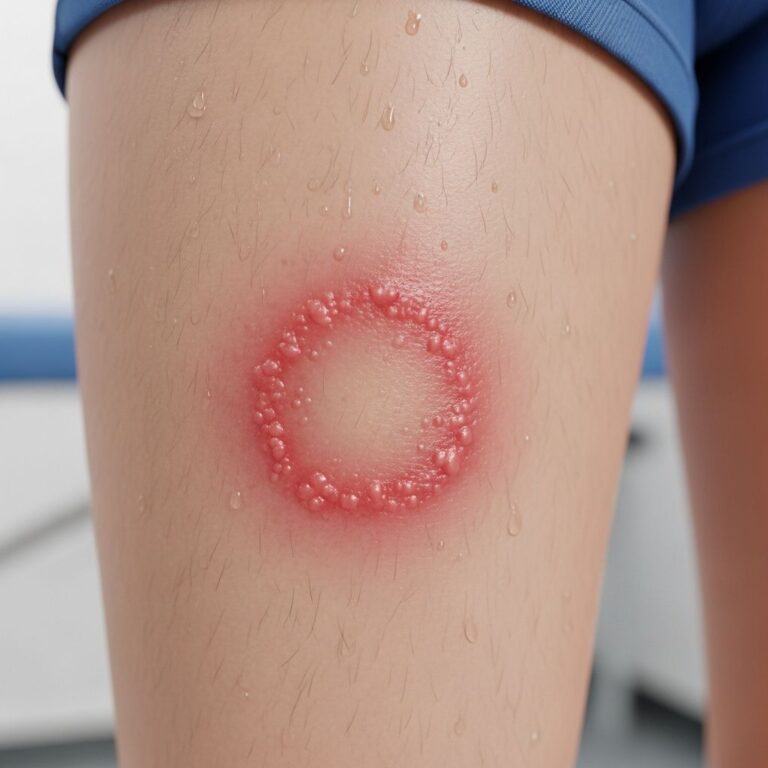
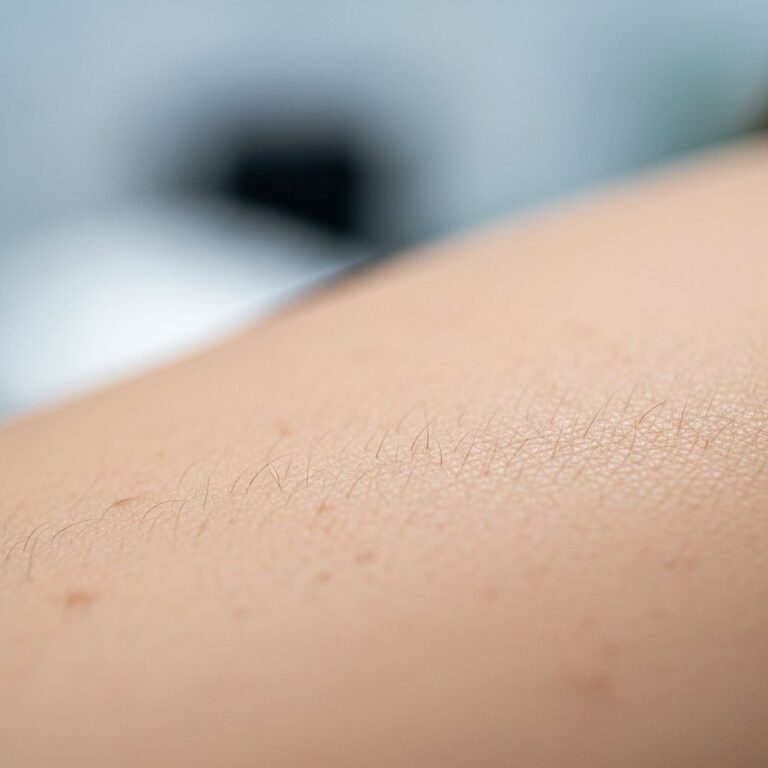
Scabies is an infestation caused by the Sarcoptes scabiei mite, which burrows into the epidermis to lay eggs. This highly contagious condition affects individuals of all ages and socioeconomic backgrounds. The mites create characteristic tunnels in the skin, leading to intense itching, particularly at night. Scabies manifests as a rash of small pimples, fine lines on the skin surface (burrows), and scaling or crusty skin. The condition spreads through direct skin-to-skin contact and can affect multiple family members or community members if not promptly treated.
Pediculosis Capitis (Head Lice)
Head lice infestation, or pediculosis capitis, is caused by the Pediculus humanus capitis louse. These small insects live on the scalp and hair, feeding on blood. Symptoms include intense itching of the scalp, visible lice and nits (eggs), and potential secondary bacterial infection from scratching. Head lice primarily affect children but can infest individuals of any age. Transmission occurs through direct head-to-head contact or sharing of personal items such as combs, hats, or pillows. Unlike scabies, head lice do not burrow into the skin but rather attach to hair shafts.
Cutaneous Larva Migrans (Creeping Eruption)
Cutaneous larva migrans results from infection with hookworm larvae, typically acquired by walking barefoot on contaminated soil or beaches. The hookworm larvae penetrate the skin and migrate through the dermis, creating characteristic winding, threadlike, raised reddish-brown rashes. This condition is also known as creeping eruption due to the distinctive appearance of the larval tracks. Small bumps and blisters frequently accompany the rash, and intense itching is common. Scratching can result in secondary bacterial infections. While the infection typically resolves spontaneously within weeks to months, treatment accelerates resolution and prevents complications.
Loiasis
Loiasis is caused by the nematode Loa loa and is transmitted through the bite of infected deer flies. This infection causes Calabar swellings—transient subcutaneous swellings—and characteristic eye involvement where adult worms may be visible in the conjunctiva. The condition is endemic in parts of Africa and requires systemic antiparasitic treatment.
Cutaneous Leishmaniasis
Cutaneous leishmaniasis is a parasitic infection caused by Leishmania protozoa, transmitted through sandfly bites. It presents with skin lesions that may progress from papules to ulcers, typically on exposed body areas. The condition can be disfiguring and requires specialized antiparasitic therapy. Unlike many other parasitic skin infections, cutaneous leishmaniasis requires systemic rather than topical treatment.
Related Stories



Symptoms and Clinical Presentation
The symptoms of parasitic skin infections vary depending on the causative organism but commonly include:
– Itching: Often intense and worse at night, particularly in scabies- Rashes: May appear as pimples, bumps, blisters, or characteristic burrows- Visible organisms: Lice or nits may be seen on the scalp or body- Skin lesions: Ranging from papules to nodules to ulcers depending on the infection type- Secondary infections: Bacterial superinfection from scratching can occur- Skin crusting or scaling: Particularly common in scabies
Some infections may progress to complications including abscess formation, chronic infections, or systemic spread if untreated. Individuals with weakened immune systems, poor hygiene conditions, or malnutrition face increased risk of severe or prolonged infections.
Diagnosis of Parasitic Skin Infections
Accurate diagnosis of parasitic skin infections typically involves clinical examination combined with confirmatory testing. Healthcare providers assess the characteristic appearance and distribution of lesions, patient history of exposure, and symptoms. Specific diagnostic methods include:
– Microscopic examination: Skin scrapings may reveal mites, eggs, or larvae under magnification- Wood’s lamp examination: May assist in identifying certain organisms- Dermoscopy: High-magnification imaging to visualize organisms or characteristic patterns- Tape preparation: Particularly useful for head lice identification- Histopathology: Skin biopsy may be performed in unclear cases to identify organisms or characteristic pathological changes
Laboratory testing helps differentiate parasitic infections from other skin conditions and confirms the specific causative organism, which guides appropriate treatment selection.
Treatment Options for Parasitic Skin Infections
Treatment approaches for parasitic skin infections combine pharmacological and non-pharmacological interventions tailored to the specific organism and infection severity. The primary goals of treatment include eradication of the parasite, symptom relief, prevention of complications, and prevention of transmission.
Pharmacological Treatments
Scabicides and Pediculicides: These medications effectively kill mites and lice. Common agents include permethrin, ivermectin, and lindane. Permethrin 5% cream is FDA-approved for scabies treatment in individuals aged 2 months and older and is the preferred first-line option, requiring two or more applications spaced one week apart. For crusted scabies, combination therapy with topical permethrin (applied every 2-3 days over 1-2 weeks) and oral ivermectin (200 μg/kg body weight on specific days) proves highly effective.
Antiparasitic Agents for Cutaneous Larva Migrans: Thiabendazole liquid or cream applied topically effectively treats this infection. Albendazole ointment serves as an alternative. Oral albendazole or ivermectin may be prescribed to eliminate hookworms and achieve cure.
Antiprotozoal Agents: For cutaneous leishmaniasis, antimonials such as sodium stibogluconate, amphotericin B, or miltefosine are employed. These agents work through different mechanisms to eliminate the protozoan parasites.
Dimeticones: A newer treatment approach involves topical application of dimeticones, silicone oils of low viscosity that kill insects and mites through a physical mechanism of action by blocking oxygen supply. Their physical mode of action makes resistance development unlikely, offering promise for resource-limited settings.
Non-Pharmacological Treatments
– Mechanical removal: Manual removal of visible organisms or nits reduces parasitic burden- Topical treatments: Corticosteroids, lotions, and medicated shampoos reduce inflammation and itching- Wound care: Proper cleaning and management of lesions prevent secondary infection- Keratolytic agents: These creams reduce skin crusting and enhance absorption of topical medications
Combination approaches often yield superior outcomes, particularly for severe or crusted infections.
Home Care and Symptom Management
Supportive care measures significantly improve comfort during treatment:
– Cold compresses: Applied several times daily to reduce itching and inflammation- Antihistamines: Over-the-counter options decrease itching sensations- Topical creams: Non-prescription options provide temporary relief of discomfort- Hygiene practices: Regular bathing and clean clothing reduce symptoms and prevent spread- Nail care: Keeping nails short reduces tissue damage from scratching
These measures complement medical treatment and help prevent complications from secondary bacterial infections.
Prevention of Parasitic Skin Infections
Effective prevention strategies reduce transmission and new infections:
– Personal hygiene: Regular handwashing, bathing, and clean clothing are fundamental- Isolation measures: Individuals with contagious infections should avoid close contact until treated- Household management: Washing bedding, clothing, and personal items in hot water eliminates parasites- Environmental control: Regular cleaning of living spaces, particularly in settings with multiple affected individuals- Protective footwear: Wearing shoes in areas where hookworms are endemic prevents cutaneous larva migrans- Screening: Early identification in community settings prevents outbreaks
Health education and awareness about parasitic skin infections improve prevention compliance and reduce transmission rates.
When to Seek Medical Care
Consultation with a healthcare provider is recommended when:
– Self-treatment fails: If over-the-counter treatments do not resolve symptoms within 2-3 weeks- Severe itching develops: Particularly if it interferes with sleep or daily activities- Signs of infection appear: Increased redness, warmth, drainage, or pus suggest secondary bacterial infection- Rash spreads: Expanding lesions may indicate treatment failure or alternative diagnosis- Systemic symptoms develop: Fever, lymphadenopathy, or malaise warrant evaluation- Immunocompromised status: Individuals with weakened immunity require professional management
Frequently Asked Questions
Q: Are parasitic skin infections contagious?
A: Many parasitic skin infections are contagious, particularly scabies and head lice, which spread through direct contact. Others like cutaneous larva migrans are acquired from environmental exposure rather than person-to-person transmission. During treatment, infected individuals should minimize close contact to prevent spread.
Q: How long does treatment take?
A: Treatment duration varies by organism and severity. Scabies typically requires 2-3 weeks of treatment, while head lice may need 1-2 weeks. Cutaneous larva migrans often resolves spontaneously within weeks to months, though treatment accelerates recovery. Cutaneous leishmaniasis may require several weeks to months of systemic therapy.
Q: Can parasitic skin infections cause serious complications?
A: While rarely life-threatening, parasitic skin infections can lead to secondary bacterial infections, abscesses, chronic infections, and, in severe cases, systemic involvement. Proper treatment prevents most complications. Individuals with immune compromise face increased risk of severe disease.
Q: Are there natural remedies for parasitic skin infections?
A: While some natural products may provide symptomatic relief, clinical evidence supports medical treatments with proven efficacy. Most parasitic infections require prescription medications for cure. Home care measures complement but do not replace medical treatment.
Q: Should entire households be treated for scabies or lice?
A: Yes, close contacts and household members typically require treatment simultaneously to prevent reinfection. Additionally, household items like bedding and clothing should be washed in hot water and dried on high heat to eliminate parasites.
Q: Can parasitic skin infections recur?
A: Recurrence is possible if reexposure occurs or if treatment is incomplete. Proper hygiene, household management, and treatment adherence reduce recurrence risk. Some individuals in endemic areas may experience recurrent exposures requiring repeated treatment.
References
- Parasitic Skin Infections: Clinical Guidance Update — Saudi Ministry of Health. 2020-04. https://www.chi.gov.sa/
- Cutaneous Larva Migrans: Causes, Symptoms, and Treatment — MSD Manuals. 2025. https://www.msdmanuals.com/home/skin-disorders/parasitic-skin-infections/cutaneous-larva-migrans
- Treatment of Parasitic Skin Diseases with Dimeticones: A New Approach — National Institutes of Health, PubMed Central. 2014. https://pmc.ncbi.nlm.nih.gov/articles/PMC4204056/
- Parasitic Infection: Causes, Symptoms & Treatment Overview — Cleveland Clinic. 2024. https://my.clevelandclinic.org/health/diseases/24885-parasitic-infection
- Skin Infection: Pictures, Types, Causes, and Treatments — Healthline Medical Network. 2024. https://www.healthline.com/health/skin-infection
Similar Articles








Read full bio of medha deb