Parasomnias: Causes, Symptoms, And Treatment Guide
Discover the hidden world of parasomnias, from sleepwalking to night terrors, and learn how to manage these disruptive sleep behaviors effectively.
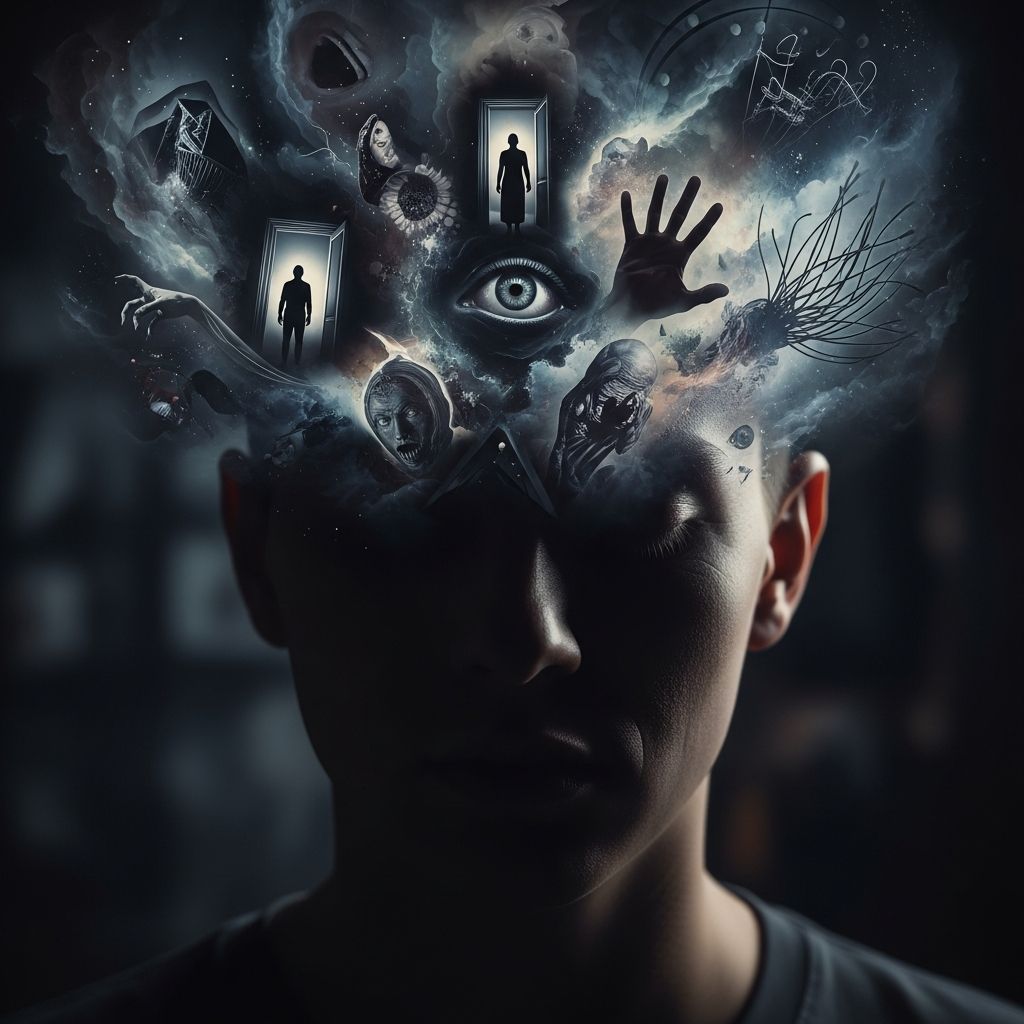
Parasomnias represent a diverse group of sleep disorders marked by unwanted physical movements, behaviors, or experiences during sleep transitions. These conditions arise when the brain fails to properly switch between sleep stages, leading to partial awakenings or mixed states of consciousness that can endanger individuals or disrupt household peace.
Understanding the Nature of Parasomnias
The human sleep cycle involves distinct phases: non-rapid eye movement (NREM) sleep, which includes light and deep stages, and rapid eye movement (REM) sleep, associated with dreaming. Parasomnias occur due to state dissociation, where elements of wakefulness intrude into sleep or vice versa, resulting in complex actions without full awareness. Unlike typical dreams, these episodes often involve motor activity, emotional outbursts, or sensory hallucinations, affecting up to 10% of children and 4% of adults at some point.
These disorders are clinically significant because they cause injuries, sleep fragmentation, health complications, and psychological distress for patients and their partners. Children experience them more frequently due to immature brain development, but persistence into adulthood signals potential underlying issues like stress or neurological conditions.
Primary Categories of Parasomnias
Parasomnias divide into NREM-related and REM-related types, each tied to specific sleep stages. NREM parasomnias dominate in deep slow-wave sleep (N3 stage), while REM ones occur during dreaming phases when muscle paralysis normally prevents dream enactment.
- NREM Parasomnias: Triggered by incomplete arousals from deep sleep, leading to confused behaviors without dream recall.
- REM Parasomnias: Involve dream enactment due to loss of muscle atonia, often with vivid memory upon waking.
Common NREM Parasomnias and Their Characteristics
Disorders of Arousal: Sleepwalking and Confusional States
Sleepwalking, or somnambulism, involves rising from bed and performing activities like walking or eating while in a dissociated state from N3 sleep. Episodes feature disorientation, slow responses, and amnesia, lasting minutes to half an hour. Individuals may exit the home or handle objects dangerously, with minimal awareness.
Confusional arousals present as mental fog upon partial waking, confined to bed with mumbling or automatic gestures but no intense fear or wandering. These short events (minutes) include poor coordination and retrograde amnesia.
Sleep Terrors: Episodes of Extreme Fear
Sleep terrors begin with a sudden scream, intense autonomic activation (racing heart, sweating, rapid breathing), and unresponsiveness. Unlike nightmares, victims sit rigidly or bolt upright without dream content, showing confusion if roused. Episodes peak in children aged 3-12, resolving spontaneously but risking injury if restrained.
Sleep-Related Eating and Bruxism
Sleep-related eating disorder entails unconscious nighttime foraging, often high-calorie foods, leading to weight gain or mess. Partial awareness varies, with some recall. Bruxism, or teeth grinding, causes jaw pain, headaches, and dental wear during sleep transitions.
REM-Associated Parasomnias
REM Sleep Behavior Disorder (RBD)
In RBD, the natural muscle paralysis of REM sleep fails, allowing dream enactment through kicking, punching, or shouting. Common in older adults, it links to neurodegenerative diseases like Parkinson’s. Patients often recall vivid, action-filled dreams matching their actions.
Related Stories



Sleep Paralysis and Nightmares
Sleep paralysis traps individuals in temporary immobility during wake-sleep transitions, sometimes with hallucinations of intruders or pressure on the chest. Lasting seconds to minutes, it’s frightening but harmless. Nightmare disorder involves repeated distressing dreams causing awakenings and dread, differing from terrors by full recall and emotional residue.
Symptoms and Warning Signs Across Parasomnias
Recognizing parasomnias relies on observer reports since self-awareness is limited. Key indicators include:
- Waking disoriented or in unexpected locations.
- Unexplained injuries, bruises, or fatigue.
- Bed partner complaints of yelling, thrashing, or wandering.
- Morning evidence of eating, incontinence, or grinding noises.
| Parasomnia Type | Key Symptoms | Typical Age Group |
|---|---|---|
| Sleepwalking | Ambulatory behavior, amnesia | Children, persists in some adults |
| Sleep Terrors | Screams, autonomic surge | Young children |
| RBD | Dream enactment, vocalizations | Older adults |
| Sleep Paralysis | Immobility, hallucinations | Teens to adults |
Factors Contributing to Parasomnias
Genetics play a strong role, with familial clustering in disorders of arousal. Triggers encompass sleep deprivation, fever, stress, medications, alcohol, and environmental disruptions like noise. Comorbidities such as obstructive sleep apnea exacerbate episodes by fragmenting sleep architecture. Psychiatric conditions like anxiety amplify REM parasomnias.
Diagnosing Parasomnias Effectively
Diagnosis starts with detailed histories from patients and witnesses, supplemented by sleep diaries. Polysomnography (PSG), an overnight lab study monitoring brain waves, muscle activity, and video, confirms patterns like arousals from N3 or absent REM atonia. Home video recordings aid initial assessment. Rule out epilepsy or psychiatric mimics through EEG if needed.
Treatment Strategies and Management
Most parasomnias improve with non-drug approaches:
- Safety Measures: Secure environments—lock doors/windows, remove hazards, use bed alarms.
- Sleep Hygiene: Consistent schedules, avoid triggers like caffeine or evening screens.
- Scheduled Awakenings: For terrors, gently rouse before typical episode time.
Medications like clonazepam or melatonin target severe RBD or persistent cases. Cognitive behavioral therapy helps nightmare disorder. Treat underlying apnea with CPAP.
Impact on Daily Life and Long-Term Outlook
Untreated parasomnias lead to daytime sleepiness, accidents, relationship strain, and legal issues from unintended violence. Children often outgrow NREM types by adolescence, but adult-onset demands investigation for neurology. Early intervention enhances prognosis, restoring restful sleep.
FAQs on Parasomnias
Are parasomnias dangerous?
Yes, they risk falls, injuries, or assaults during episodes; safety precautions mitigate this.
Can adults develop sleepwalking?
Though rarer, stress or apnea can trigger it in adults.
How to differentiate night terrors from nightmares?
Terrors lack dream recall and occur in deep sleep; nightmares happen in REM with vivid memory.
Is treatment always necessary?
Mild, infrequent episodes may not need it, but monitor for progression.
Do parasomnias affect children differently?
Yes, higher prevalence in kids due to brain maturation; most resolve naturally.
Preventive Tips for Better Sleep
- Maintain a cool, dark bedroom.
- Limit alcohol and sedatives.
- Practice relaxation before bed.
- Consult specialists for recurrent issues.
References
- Parasomnias – American Academy of Sleep Medicine — AASM. 2022. https://aasm.org/wp-content/uploads/2022/05/ICSD-3-TR-Parasomnias-Draft.pdf
- Parasomnias: Types, Causes, and Symptoms — HelpGuide.org. 2023-10-15. https://www.helpguide.org/wellness/sleep/parasomnias-types-causes-and-symptoms
- Parasomnias Symptoms — Northwestern Medicine. 2024. https://www.nm.org/conditions-and-care-areas/neurosciences/sleep-health-center/parasomnias/symptoms
- Parasomnia Diagnosis, Symptoms & Treatment — Banner Health. 2024-01-20. https://www.bannerhealth.com/services/sleep-medicine/sleep-disorder/parasomnia
- Parasomnias Fact Sheets — Yale Medicine. 2023. https://www.yalemedicine.org/conditions/parasomnias
- Parasomnias: A Comprehensive Review — PMC – NIH. 2019-02-22. https://pmc.ncbi.nlm.nih.gov/articles/PMC6402728/
Similar Articles








Read full bio of medha deb