Parasomnias and Sleepwalking: Causes, Symptoms, and Treatment
Understanding sleepwalking and parasomnias: comprehensive guide to causes, symptoms, and effective treatments.
Understanding Parasomnias and Sleepwalking
Parasomnias are a category of sleep disorders characterized by undesirable behaviors, emotions, perceptions, and dreams that occur during sleep or during transitions between sleep and wakefulness. These conditions represent a fascinating intersection of neuroscience, neurology, and behavioral medicine. Sleepwalking, scientifically known as somnambulism, stands as one of the most well-known parasomnias and has captured the attention of medical professionals and the general public alike for centuries. Unlike other sleep disorders that primarily affect the quality or quantity of sleep, parasomnias manifest as unusual physical activities or experiences that occur while a person appears to be asleep.
The distinction between parasomnias and other sleep disorders lies in their fundamental nature. While conditions such as sleep apnea or insomnia disrupt the sleep-wake cycle itself, parasomnias occur during sleep and involve motor activity that seems inappropriate for the sleeping state. This crucial difference has important implications for how these conditions are diagnosed, treated, and understood from both medical and legal perspectives.
What is Sleepwalking?
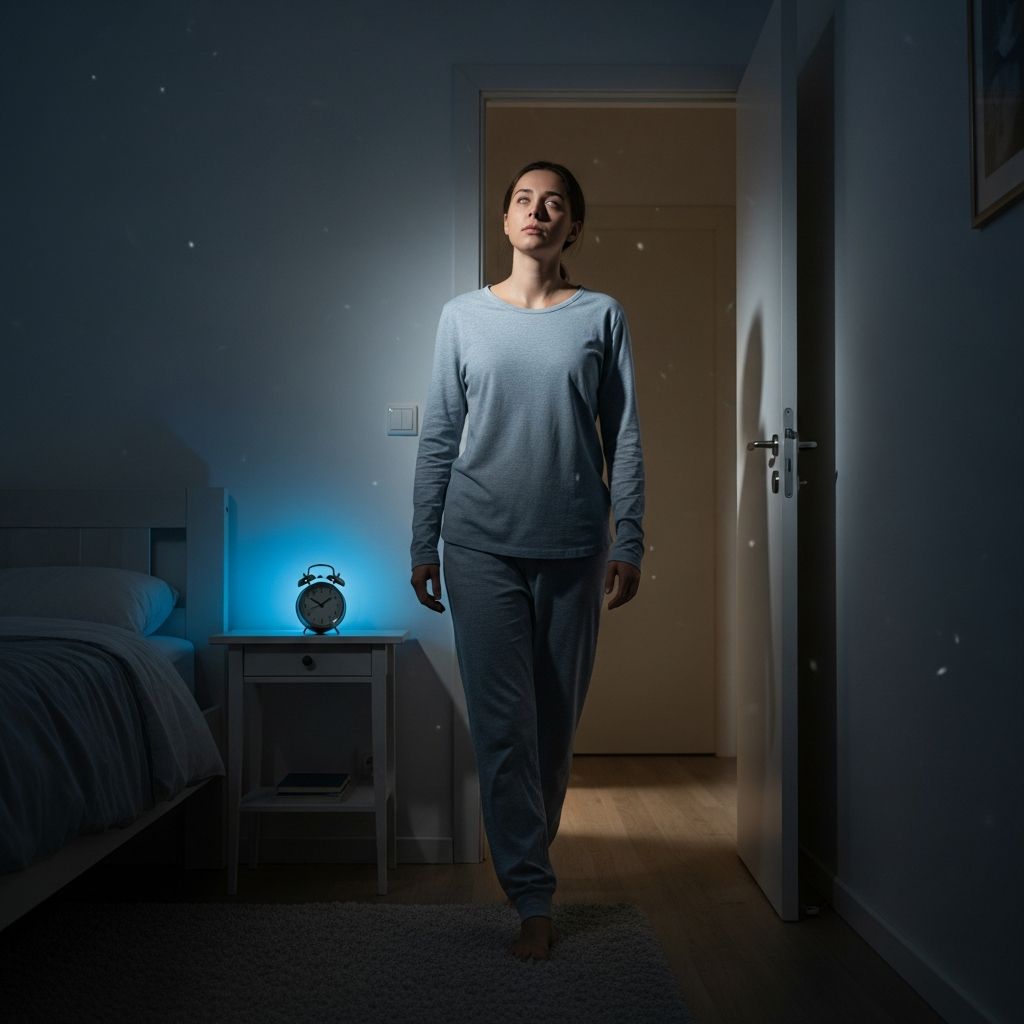
Sleepwalking, or somnambulism, is a parasomnia characterized by episodes of walking and other motor activities that occur during deep, non-rapid eye movement (NREM) sleep, specifically during stages 3 and 4. During a sleepwalking episode, an individual appears awake and capable of complex movements, yet their brain is operating in a state of reduced consciousness. The person’s eyes may be open, and they can navigate around obstacles due to habit and automatic responses, but they are fundamentally unresponsive to their environment.
Episodes of sleepwalking typically occur during the deeper stages of sleep, which are most prevalent earlier in the night. This timing is significant because it affects the frequency and severity of episodes, as well as how easily a sleepwalker can be roused. The phenomenon involves a unique neurological state in which certain brain regions responsible for movement remain relatively active while those governing consciousness and voluntary control are profoundly suppressed.
Characteristics of Sleepwalking Episodes
During a sleepwalking episode, several distinctive characteristics emerge:
Physical Appearance: The individual’s eyes are typically directed upward and inward, creating a vacant expression characteristic of sleepwalkers. Their facial features may appear unusual or blank, despite their ability to perform complex movements.
Sensory Perception: Sensory perceptions are virtually switched off during sleepwalking episodes. While a sleepwalker might navigate around furniture or other obstacles due to ingrained memory pathways, they do not fully perceive sight, smell, sound, or even pain. This reduced sensory awareness is a fundamental aspect of the parasomnia.
Responsiveness: During an episode, the individual appears awake but is unresponsive to external stimuli and attempts at communication. They cannot engage in meaningful dialogue and do not process information from their environment in the typical manner.
Memory Formation: One of the most distinctive features of sleepwalking is that memories of the incident do not carry into the waking state. Most sleepwalkers have little to no recollection of their nocturnal activities.
Related Stories



Causes and Risk Factors
Sleepwalking and other parasomnias result from a complex interplay of biological, environmental, and behavioral factors. Understanding these causes is essential for developing effective prevention and treatment strategies.
Sleep Deprivation
Sleep deprivation plays a significant role in the prevalence and severity of sleepwalking episodes. When individuals do not obtain adequate sleep over consecutive nights, their sleep architecture becomes disrupted, and the balance between different sleep stages is altered. This increased vulnerability to parasomnias during periods of insufficient sleep suggests that maintaining consistent, adequate sleep duration is a crucial preventive measure.
Stress and Emotional Factors
Psychological stress can substantially increase the likelihood of sleepwalking episodes. Research has also indicated a possible link between sleepwalking and intense positive emotions, such as excitement, as well as vigorous physical activity undertaken shortly before bedtime. The heightened arousal state associated with both stress and excitement can predispose individuals to parasomnia episodes.
Substance Use and Medications
Alcohol and drug use have been documented as factors that influence whether someone experiences sleepwalking episodes. These substances can disrupt normal sleep architecture and increase sleep fragmentation, creating conditions favorable for parasomnia development. Additionally, certain medications, including some antidepressants and other psychotropic drugs, can trigger or exacerbate sleepwalking and other parasomnias.
Medical Conditions
Various medical conditions can predispose individuals to sleepwalking. Neurodegenerative diseases and other neurological disorders have been associated with increased parasomnia activity. Additionally, sleep-related breathing disorders such as obstructive sleep apnea and central sleep apnea are commonly associated with non-rapid eye movement parasomnias, including sleepwalking.
Genetic Factors
There appears to be a genetic component to sleepwalking susceptibility. The presence of specific genetic markers, such as the human leukocyte antigen gene DQB1, has been identified in individuals prone to sleepwalking episodes. This genetic predisposition suggests that some individuals have an inherent neurobiological vulnerability to developing parasomnias.
Neurobiology of Sleepwalking
The neurobiological mechanisms underlying sleepwalking involve complex interactions between different brain regions and neurotransmitter systems. During normal sleep, the brain undergoes systematic changes in neural activity and motor control. In NREM stage 3 and 4 sleep, which is when sleepwalking occurs, the brain exhibits large, slow brain waves and a profound reduction in conscious awareness.
The parts of the brain responsible for consciousness and cognition enter a state of deep, slow-wave sleep during sleepwalking episodes, according to neuroscience research. However, the motor systems that control voluntary movement remain partially active, creating the paradoxical state in which a person can walk and perform complex actions while remaining unconscious.
Motor neurons that control skeletal muscle fibers are regulated by excitatory and inhibitory signals that change during sleep. During sleepwalking, the normal inhibitory mechanisms that suppress motor activity during sleep are compromised, allowing for motor output despite the absence of conscious control or awareness. This neurobiological imbalance represents a fundamental abnormality in the sleep-wake transition mechanisms.
Symptoms and Recognition
Recognizing the symptoms of sleepwalking is important for obtaining an accurate diagnosis and appropriate treatment. Symptoms can range from relatively benign to potentially dangerous.
Common Sleepwalking Behaviors
Simple Activities: In mild cases, sleepwalking may involve simply sitting up in bed, moving around the bedroom, or performing routine activities such as adjusting bedding or going to the bathroom.
Complex Activities: More severe episodes can involve walking through the house, opening doors and windows, preparing food, or attempting to leave the residence. In extreme cases, sleepwalkers have been known to drive vehicles or engage in other activities that would typically require full consciousness.
Dangerous Behaviors: Some episodes involve aggressive or violent behavior, falls from elevated surfaces, or attempts to harm oneself or others. These more severe manifestations increase the risk of injury and require urgent medical intervention.
Duration and Frequency
Sleepwalking episodes typically last from several minutes to over an hour. The frequency of episodes varies considerably among individuals, ranging from occasional occurrences to multiple episodes per night. Episodes are more likely to occur during the first one to two hours of sleep when deep NREM sleep predominates.
Diagnosis of Parasomnias
Accurate diagnosis of sleepwalking and other parasomnias relies primarily on careful history taking from the patient, bed partner, or other household members. Healthcare providers must gather detailed information about the characteristics, frequency, timing, and potential triggers of parasomnia episodes.
Diagnostic Evaluation
Clinical History: The foundation of parasomnia diagnosis involves a thorough clinical history. Since the patient often has no memory of episodes, information from bed partners or family members is invaluable. Healthcare providers ask about the timing of episodes within the sleep cycle, the specific behaviors observed, the presence of injury, and factors that seem to trigger or exacerbate episodes.
Physical Examination: A complete physical examination between episodes is typically normal in individuals with sleepwalking. Abnormal findings might suggest an underlying neurological condition contributing to the parasomnia.
Key Diagnostic Factors: Diagnostic criteria include cognitive disturbance during the event, evidence of vigorous or violent behavior during episodes, abnormal facial expressions, and a history of sleep fragmentation or deprivation.
Polysomnography
Polysomnography (PSG), also known as a sleep study, is an important diagnostic tool for evaluating parasomnias. During a sleep study, multiple physiological parameters are recorded simultaneously, including brain wave activity (EEG), eye movements, muscle tone, heart rate, breathing patterns, and leg movements. This comprehensive monitoring allows sleep specialists to observe parasomnia episodes in a controlled setting and to identify any underlying sleep disorders that might be contributing to the parasomnia.
Treatment Options
Treatment approaches for sleepwalking and other parasomnias depend on the underlying causes, severity of episodes, and impact on the individual’s health and safety.
Sleep Environment Modification
Creating a safe sleep environment is the first line of defense for individuals with sleepwalking. This includes removing potential obstacles, securing windows and doors, installing safety gates or alarms, and ensuring clear pathways from the bedroom to other areas of the home. These environmental modifications reduce the risk of injury during episodes.
Sleep Hygiene and Lifestyle Changes
Improving overall sleep quality and ensuring adequate sleep duration can reduce the frequency and severity of sleepwalking episodes. This includes maintaining a consistent sleep schedule, avoiding alcohol and recreational drugs, managing stress through relaxation techniques, and avoiding vigorous physical activity or exciting activities immediately before bedtime.
Treatment of Underlying Conditions
If sleepwalking is associated with another sleep disorder, such as obstructive sleep apnea, treatment of that primary condition often improves parasomnia symptoms. Similarly, managing any underlying medical or psychiatric conditions can help reduce parasomnia frequency.
Cognitive Behavioral Therapy
Cognitive therapy approaches may be beneficial for individuals whose sleepwalking is triggered by stress or anxiety. These therapeutic interventions help individuals develop coping strategies and reduce psychological triggers.
Pharmacotherapy
When behavioral and environmental modifications are insufficient, medications may be prescribed. Various classes of medications have been used to treat parasomnias, and selection depends on the individual’s specific condition and medical history. Treatment is typically indicated if the parasomnia may result in injury to the patient or bed partner or if sleep is significantly disrupted.
What to Do if Someone is Sleepwalking
Proper response to a sleepwalking episode is important for safety and to minimize distress to the sleepwalker. Expert consensus recommends a specific approach.
Gentle Redirection Without Waking
As long as a sleepwalker is not in immediate danger, the safest strategy is to gently redirect them back to bed without waking them, using a calm voice and gentle touch. This approach minimizes the disruption to their sleep and avoids the potentially distressing effects of sudden awakening from deep sleep.
Why Avoiding Sudden Awakening is Important
When a person is abruptly awakened from deep NREM sleep, their brain has difficulty transitioning from the sleep state to a wake state. This can result in confusion, mental fog, grogginess, and disorientation. Additionally, sudden awakening from deep sleep triggers an adrenaline surge, which causes heightened arousal that can lead to a racing heart, sweating, and unpredictable behavior. The sleepwalker may appear startled and their behavior may be difficult to predict or control during this confused state.
Safety Precautions
If a sleepwalker is in immediate danger—such as heading toward a window, staircase, or other hazard—intervention to prevent injury becomes necessary. In such cases, caregivers should calmly attempt to redirect the person to a safe area. If the sleepwalker becomes agitated or aggressive during redirection attempts, it is best to give them space while ensuring their safety and that of others nearby.
When to Seek Medical Attention
Consultation with a healthcare provider is recommended when parasomnias result in injury, become increasingly frequent or severe, cause significant sleep disruption, or create distress for the individual or bed partner. A sleep medicine specialist can conduct appropriate diagnostic testing, identify any underlying conditions, and develop an individualized treatment plan.
Frequently Asked Questions
Q: Can sleepwalking be dangerous?
A: Yes, sleepwalking can be dangerous. Individuals may fall down stairs, injure themselves on furniture or other objects, leave the home, or in rare cases, engage in violent behavior. Severe sleepwalking requires medical evaluation and safety precautions.
Q: Is sleepwalking hereditary?
A: There appears to be a genetic component to sleepwalking susceptibility. Specific genetic markers, such as the human leukocyte antigen gene DQB1, have been identified in individuals prone to sleepwalking. Having a family history of sleepwalking increases the likelihood of developing the condition.
Q: How is sleepwalking diagnosed?
A: Diagnosis relies mainly on careful history from the patient, bed partner, or household members. A sleep study (polysomnography) may be recommended to observe episodes and identify any underlying sleep disorders contributing to the parasomnia.
Q: Can sleepwalking be cured?
A: While sleepwalking cannot always be completely cured, it can be effectively managed through environmental modifications, improving sleep hygiene, treating underlying conditions, and in some cases, medication. Many individuals experience significant improvement with appropriate treatment.
Q: Should I wake a sleepwalker?
A: Unless the sleepwalker is in immediate danger, it is best to gently guide them back to bed without waking them. Sudden awakening from deep sleep can cause disorientation, confusion, and an adrenaline surge. Gentle redirection is the safest approach.
Q: What triggers sleepwalking episodes?
A: Common triggers include sleep deprivation, stress, alcohol or drug use, certain medications, intense physical activity before bedtime, and excitement or strong emotions. Identifying and managing triggers can help reduce episode frequency.
References
- What Happens if You Wake Up a Sleepwalker? — Sleep Foundation. 2025. https://www.sleepfoundation.org/parasomnias/what-happens-if-you-wake-a-sleepwalker/
- While You Were Sleepwalking: Science and Neurobiology of Sleep — National Center for Biotechnology Information (NCBI/PMC). https://pmc.ncbi.nlm.nih.gov/articles/PMC4506454/
- Parasomnias in Adults – Symptoms, Diagnosis and Treatment — BMJ Best Practice. 2025. https://bestpractice.bmj.com/topics/en-us/573
- Sleepwalking through History: Medicine, Arts, and Courts of Law — Johns Hopkins University Pure Research Portal. https://pure.johnshopkins.edu/en/publications/sleepwalking-through-history-medicine-arts-and-courts-of-law
Similar Articles








Read full bio of Sneha Tete