Paresthesia: Causes, Symptoms & Treatment
Understanding pins and needles: When paresthesia is harmless and when to seek care.
Understanding Paresthesia: What Is the Pins and Needles Sensation?
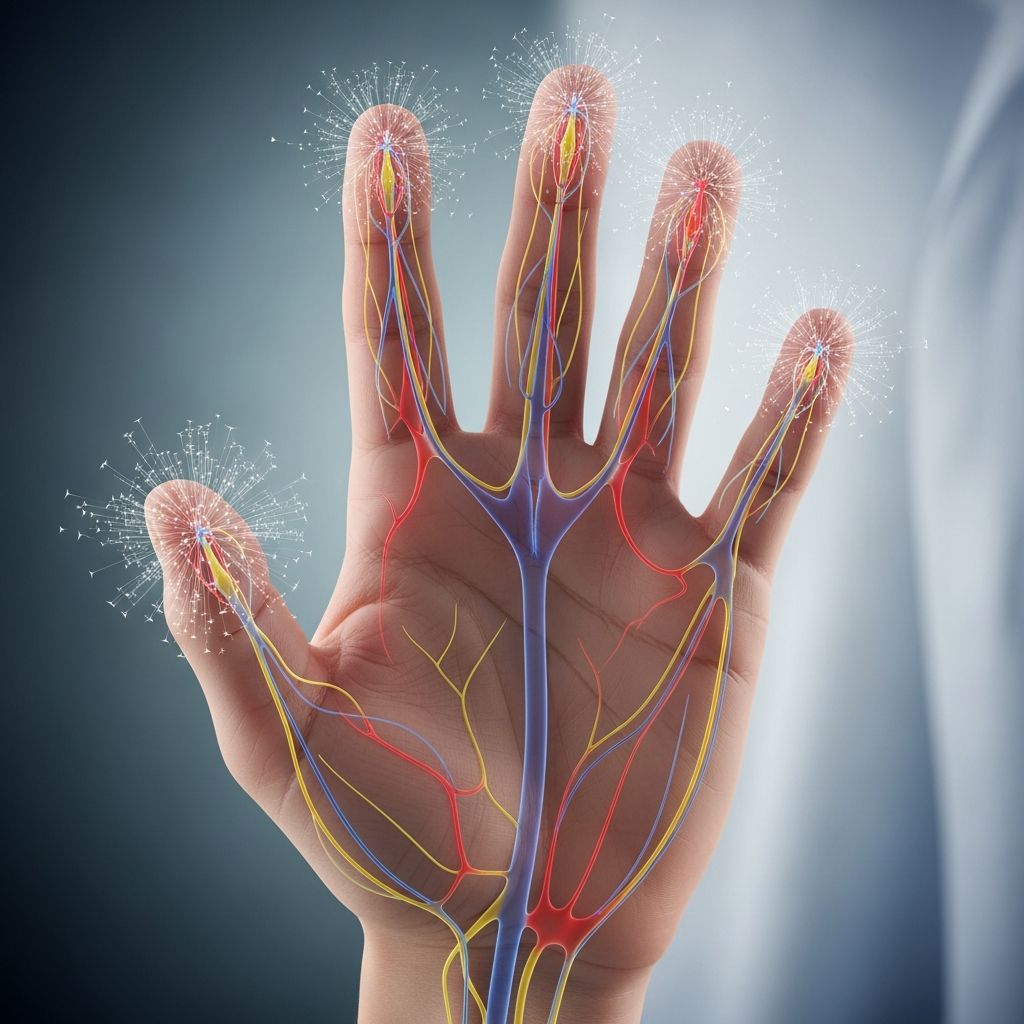
Paresthesia is the medical term for the tingling, numbness, or “pins and needles” sensation that everyone experiences at some point in their lives. This unusual feeling typically occurs when you shift position after sitting or lying in one spot for too long, causing a limb to feel like it has “fallen asleep.” While this transient form of paresthesia is usually harmless and resolves quickly, persistent paresthesia that occurs frequently or constantly may indicate an underlying medical condition requiring professional evaluation and treatment.
The sensation of paresthesia results from a disruption in how your nerves communicate sensory information to your brain. Understanding the differences between temporary and chronic paresthesia, recognizing potential causes, and knowing when to seek medical attention are essential for maintaining your health and quality of life.
Two Main Forms of Paresthesia
Healthcare providers distinguish between two primary categories of paresthesia, each with distinct characteristics and treatment implications.
Transient Paresthesia
Transient paresthesia is the most common form and is typically harmless. This type occurs temporarily when pressure is applied to a nerve or blood flow is restricted to a body part—similar to kinking a hose to block water flow. When you change position and release the pressure, the sensation usually resolves within moments.
Common causes of transient paresthesia include:
– Sitting or lying in one position for an extended period- Crossing your legs for too long- Resting your arm on an armrest- Sleeping on your arm in an awkward position- Wearing tight clothing or accessories that compress nerves- Cold temperatures causing temporary nerve sensitivity
Persistent Paresthesia
Persistent paresthesia means the sensation is constant or happens very frequently. This form is more likely to stem from serious underlying medical conditions and requires professional evaluation. Persistent paresthesia may affect specific body areas consistently or appear sporadically but regularly throughout the day.
Causes of Persistent Paresthesia
When paresthesia persists, it typically falls into several distinct categories of underlying conditions.
Circulatory Causes
One significant category involves circulatory problems. When circulation is compromised, reduced blood flow can affect how your nerves function and transmit signals to and from your brain. This disruption in neural signaling can trigger persistent paresthesia. Conditions affecting blood vessels and circulation may require medical intervention to restore proper nerve function.
Neurological Causes
Neurological disorders represent another major category of persistent paresthesia causes. These conditions affect how your nervous system processes and transmits sensory information. Neuropathy, a blanket term for any disease affecting nerves, can cause paresthesia as a symptom, though paresthesia can also occur independently of neuropathic conditions.
Related Stories



When symptoms of numbness or tingling are constant in both feet, this may indicate peripheral neuropathy, which typically also presents with additional symptoms like weakness, imbalance, and muscle atrophy. Small fiber neuropathy commonly presents with burning sensations, numbness, tingling, itching, and unusual sensations like sunburn-like or frostbite-like feelings.
Central Sensitization
Central sensitization represents a unique mechanism where the central nervous system undergoes pathophysiological changes that alter how it processes pain and sensory stimuli. In this condition, the central nervous system becomes hyperexcited even without external sensory stimuli, and sensory messages become amplified. Patients with central sensitization may perceive pain from normally non-painful stimuli (allodynia) and experience greater pain from painful stimuli (hyperalgesia).
This condition frequently causes widespread, migratory pain, chronic fatigue, sensory hyperresponsiveness, and paresthesias. The symptoms often appear in disparate or incongruent bodily regions, and initial medical evaluations may reveal nothing helpful regarding the cause.
Recognizing Symptoms and When to Seek Care
Understanding which symptoms warrant professional medical attention is crucial for receiving appropriate diagnosis and treatment.
When Paresthesia Requires Medical Evaluation
You should talk to a healthcare provider if you experience paresthesia that:
– Affects the same body part on both sides, such as both hands or both feet- Happens frequently without clear positional causes- Occurs constantly throughout the day- Accompanies other symptoms like weakness, loss of function, or loss of balance- Disrupts your daily life and quality of living- Persists despite changing position or moving around
Red Flag Symptoms
Paresthesia can signal serious medical conditions, some of which are dangerous or even life-threatening. Seek immediate medical attention if paresthesia occurs with symptoms suggesting neurological compromise, circulatory problems, or metabolic dysfunction. Many circulatory and neurological causes of paresthesia are dangerous or require life-threatening intervention without proper treatment.
Distinguishing Paresthesia from Related Conditions
Several sensory conditions share similarities with paresthesia, making professional diagnosis essential.
Paresthesia vs. Numbness
While often occurring together, paresthesia and numbness are distinct sensations. Numbness occurs when you cannot feel sensations in the affected area, representing a loss of sensory perception. Paresthesia, by contrast, is an active sensation you feel when there is a disruption in your sense of touch. You often experience paresthesia just before numbness sets in, or paresthesia may be what you feel when sensation returns to an affected area.
Dysesthesia and Related Conditions
Paresthesia is actually a type of dysesthesia, which encompasses various abnormal sensations. Other related sensations include allodynia (pain from normally non-painful stimuli) and various burning, itching, or unusual sensory experiences that accompany neuropathic conditions.
Treatment and Management Options
Most cases of persistent paresthesia require treatment. The appropriate approach depends on the underlying cause, severity of symptoms, and how significantly the condition affects your quality of life.
Self-Care for Transient Paresthesia
For temporary paresthesia caused by positional pressure, simple remedies work effectively:
– Change your position or move around to release pressure on the nerve- Shake out the affected limb gently- Massage the area to restore circulation- Avoid prolonged static positions- Take regular breaks during activities requiring sustained positioning
Professional Treatment Approaches
When paresthesia is frequent or constant, self-treatment without professional consultation is not recommended. Healthcare providers can:- Identify the underlying cause through comprehensive evaluation- Prescribe medications to manage neuropathic pain or address circulatory issues- Recommend physical therapy or rehabilitation strategies- Suggest lifestyle modifications to reduce symptom triggers- Monitor for underlying serious conditions requiring specific interventions- Adjust treatment plans based on symptom response and changes
When to Seek Emergency Care
While most paresthesia cases are manageable in outpatient settings, certain conditions warrant emergency evaluation. Go to the emergency room if paresthesia accompanies symptoms suggesting acute neurological or circulatory compromise, sudden onset of widespread numbness or tingling, or loss of function in multiple limbs or body areas.
Impact on Quality of Life
Although persistent paresthesia itself may not cause life-threatening complications in most cases, it can significantly disrupt daily functioning. The sensation can be uncomfortable, distracting, or concerning, leading to anxiety about underlying health issues. When accompanied by motor or sensory symptoms affecting balance, coordination, or mobility, paresthesia can substantially interfere with work capacity and routine activities.
Additionally, conditions causing paresthesia—particularly those affecting autonomic nerve fibers—can be serious because autonomic processes control vital body functions like sweating, digestion, and blood pressure regulation. Disruptions in these systems can have severe consequences requiring prompt medical attention.
Understanding Your Symptoms
The specific characteristics of your paresthesia can provide important diagnostic clues. Neuropathic symptoms commonly include various combinations of burning sensations, numbness, tingling, itching, sunburn-like sensations, and frostbite-like feelings. Some people report unusual sensations like tightness, vise-like squeezing of the feet, or the sensation of a sock rolled up at the end of the shoe. Cramps or spasms may occasionally occur alongside these symptoms.
When nervous system responses are involved, such as during hyperventilation or panic responses, pins and needles sensations may occur around the lips, feet, and hands. This occurs because rapid breathing alters blood chemistry, affecting nerve signaling in peripheral tissues.
Frequently Asked Questions
Q: Is paresthesia always a sign of a serious medical condition?
A: No. Transient paresthesia caused by temporary pressure on nerves is very common and harmless. However, persistent paresthesia that occurs frequently or constantly may indicate an underlying condition requiring medical evaluation.
Q: What is the difference between paresthesia and neuropathy?
A: Neuropathy is a blanket term for any disease affecting a nerve. Paresthesia is a sensation (pins and needles) that can be a symptom of neuropathy, but it can also occur for many other reasons. Your healthcare provider can determine whether your paresthesia results from neuropathy or another cause.
Q: Should I be concerned if paresthesia affects both sides of my body?
A: Yes. Paresthesia affecting the same body part on both sides simultaneously may indicate a more serious underlying condition. This bilateral presentation warrants professional medical evaluation to identify the cause.
Q: Can anxiety or panic cause paresthesia?
A: Yes. Hyperventilation during anxiety or panic responses can trigger pins and needles sensations due to changes in blood chemistry affecting nerve signaling. However, if paresthesia persists beyond these episodes, underlying medical conditions should be ruled out.
Q: What should I do if I have persistent paresthesia?
A: Do not self-treat persistent paresthesia without consulting a healthcare provider. Contact your primary care provider or another healthcare professional who can evaluate your symptoms, identify the underlying cause, and recommend appropriate treatment options.
When to Contact Your Healthcare Provider
Taking paresthesia seriously and seeking professional guidance when appropriate ensures proper diagnosis and treatment. Contact your healthcare provider promptly if paresthesia is unexplained, persistent, affects both sides of your body simultaneously, or occurs alongside other concerning symptoms. Your provider can determine what is causing your paresthesia and advise whether treatment is necessary, helping you understand your condition and return to optimal health and functioning.
References
- What That Pins and Needles Feeling Means — Cleveland Clinic. 2024. https://health.clevelandclinic.org/worry-pins-needles
- Central sensitization, chronic pain, and other symptoms — Cleveland Clinic Journal of Medicine. 2022. https://www.ccjm.org/content/90/4/245
- Office approach to small fiber neuropathy — Cleveland Clinic Journal of Medicine. 2018. https://www.ccjm.org/content/85/10/801
- Paresthesia: What It Is, Causes, Symptoms & Treatment — Cleveland Clinic. 2024. https://my.clevelandclinic.org/health/symptoms/24932-paresthesia
- Peripheral Neuropathy: What It Is, Symptoms & Treatment — Cleveland Clinic. 2024. https://my.clevelandclinic.org/health/diseases/14737-peripheral-neuropathy
- Dysesthesia: What It Is, Causes, Symptoms & Treatment — Cleveland Clinic. 2024. https://my.clevelandclinic.org/health/symptoms/24989-dysesthesia
Similar Articles








Read full bio of medha deb