Parkes-Weber Syndrome: Causes, Symptoms, and Treatment
Understanding Parkes-Weber syndrome: A comprehensive guide to this rare vascular condition affecting limb development.
Parkes-Weber Syndrome: Understanding This Rare Vascular Condition
Parkes-Weber syndrome is a rare congenital vascular malformation disorder that presents at birth and affects the development of blood vessels in one or more limbs. Characterized by a distinctive combination of limb overgrowth, port-wine stains (capillary malformations), and diffuse arteriovenous malformations, this condition requires comprehensive medical management and multidisciplinary care. Understanding the nature of this syndrome, its symptoms, diagnostic approaches, and available treatments is essential for patients and families seeking to manage this complex condition effectively.
What is Parkes-Weber Syndrome?
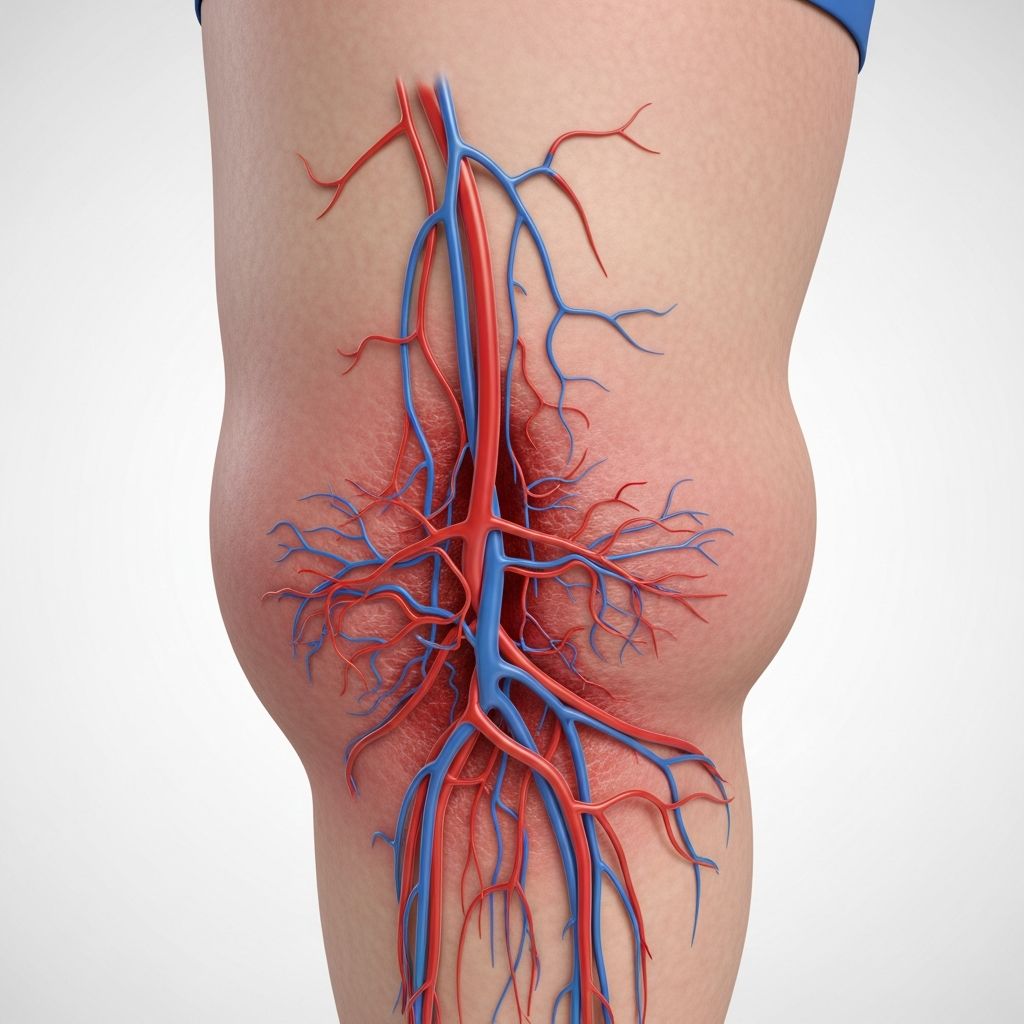
Parkes-Weber syndrome is a complex vascular anomaly characterized by multiple interconnected vascular malformations that primarily affect the limbs, most commonly the legs. The condition involves three main components: capillary malformations appearing as port-wine stains on the skin, limb hypertrophy (overgrowth involving bones and soft tissues), and multiple high-flow arteriovenous fistulas that create abnormal connections between arteries and veins.
The syndrome results from genetic variations in the RASA1 gene, which plays a critical role in regulating vascular system development. This genetic mutation disrupts normal blood vessel formation, leading to the characteristic vascular malformations and the associated complications. Approximately 30% of individuals with capillary malformations may have associated arteriovenous malformations or fistulas, which can lead to serious life-threatening complications.
Genetic Basis and Inheritance
Parkes-Weber syndrome is caused by mutations in the RASA1 gene, a critical regulator of vascular development. This gene encodes a protein that influences how blood vessels form during fetal development. When mutated, it results in abnormal vascular connections and malformations. The condition can be inherited in an autosomal dominant pattern, meaning a child has a 50% chance of inheriting the condition if one parent carries the mutated gene, though many cases occur as new mutations without a family history.
Recognizing Symptoms and Signs
The symptoms of Parkes-Weber syndrome vary significantly among affected individuals, ranging from mild to severe presentations. Early identification of these signs is crucial for initiating appropriate medical management and preventing serious complications.
Primary Clinical Manifestations
During early childhood, patients typically present with several characteristic features that may develop progressively:
– Limb Overgrowth (Hypertrophy): The most distinctive feature is overdevelopment of the affected limb in both length and circumference. This occurs due to bony overgrowth and soft tissue proliferation, usually affecting a single leg, though arms can also be involved. The degree of overgrowth may range from minimal to severe.
– Port-Wine Stains: Characteristic purple or red-colored birthmarks appear on the skin overlying the affected area. These capillary malformations may expand or darken over time.
– Vascular Abnormalities: Patients often display engorged and pulsatile veins, representing the abnormal vascular connections. The affected limb typically feels noticeably warmer than the unaffected limb due to increased blood flow through the arteriovenous fistulas.
– Swelling and Edema: Chronic swelling of the affected extremity is common, resulting from venous congestion and increased venous pressure caused by the arteriovenous shunting.
– Pain and Discomfort: Many patients experience varying degrees of pain and fatigue in the affected area, particularly with activity or prolonged standing.
– Skin Manifestations: Skin infections (cellulitis) and bleeding from abnormal capillaries near the skin surface may occur. In chronic cases, purpura jaune d’ocre (characteristic pigmentation from red blood cell extravasation) may develop due to chronic venous hypertension.
Long-Term Complications
Without proper identification and treatment, Parkes-Weber syndrome can lead to serious, potentially life-threatening complications:
High-Output Heart Failure: One of the most significant complications occurs when extensive arteriovenous fistulas create substantial shunting of blood directly from arteries to veins, bypassing the capillary beds. This increased cardiac workload can lead to high-output heart failure, resulting in an enlarged heart (cardiomegaly) and pulmonary edema (fluid accumulation in the lungs). This complication requires urgent cardiac management.
Hemorrhage and Bleeding Disorders: Abnormal vessel structure increases the risk of spontaneous or traumatic bleeding. Intracranial arteriovenous malformations or fistulas, which may occur in approximately 30% of cases with associated AVMs, can present particularly serious bleeding risks early in life.
Related Stories



Limb Length Discrepancy: Progressive limb overgrowth can result in significant length differences between limbs, affecting mobility and gait mechanics. In severe cases, this may eventually necessitate amputation if left untreated.
Diagnosis of Parkes-Weber Syndrome
Diagnosis of Parkes-Weber syndrome primarily relies on clinical evaluation, though imaging studies play an important role in confirming the diagnosis and assessing the extent of vascular malformations.
Clinical Diagnostic Features
The diagnosis is mainly established clinically through the presence of characteristic features: an overgrown limb associated with port-wine stains on the skin, engorged and pulsatile veins, evidence of arteriovenous malformations, and swelling of the affected extremity. A thorough physical examination by an experienced clinician can often suggest the diagnosis, though the rarity of the condition sometimes leads to diagnostic delays.
Imaging and Diagnostic Testing
Several imaging modalities are employed to confirm diagnosis and delineate the extent and location of vascular malformations:
– Ultrasound Doppler: Often used as an initial imaging study, ultrasound Doppler can demonstrate increased flow within blood vessels and help identify arteriovenous fistulas.
– Magnetic Resonance Imaging (MRI): Provides superior anatomical detail and is particularly useful for comprehensive assessment of soft tissue involvement and can detect intracranial AVMs or AVFs.
– Computed Tomography (CT): Offers detailed bone and soft tissue imaging, particularly valuable for assessing bony overgrowth and planning surgical interventions.
– Angiography: Invasive angiographic studies are typically reserved for cases where intervention is planned simultaneously, allowing for detailed visualization of arterial and venous anatomy during therapeutic procedures.
Treatment Approaches and Management Strategies
Parkes-Weber syndrome has no cure, making symptom management and complication prevention the primary treatment goals. A multidisciplinary team approach involving interventional radiologists, vascular surgeons, orthopedic surgeons, dermatologists, cardiologists, and other specialists is essential for optimal patient outcomes.
Conservative Management
Initial treatment strategies focus on lifestyle modifications and symptom control:
– Compression Garments: Custom-fitted compression clothing helps reduce swelling and pain in the affected limb while decreasing venous pressure and improving circulation.
– Lifestyle Adjustments: Activity modification, elevation of the affected limb, and avoidance of trauma help prevent complications and manage symptoms.
– Pain Management: Medications may be prescribed to control pain and improve quality of life.
– Infection Prevention and Treatment: Antibiotics may be necessary to treat skin infections (cellulitis), which are common in affected individuals.
Interventional Procedures
Embolization: This minimally invasive procedure uses injected materials to occlude abnormal blood vessels and arteriovenous fistulas, reducing blood shunting and lowering cardiac workload. This is often one of the most effective treatments for managing the vascular component of the disease. Multiple embolization procedures may be necessary throughout a patient’s lifetime as new vascular anomalies may develop or previously treated vessels may recanalize.
Sclerotherapy: Injectable sclerosing agents can potentially close abnormal vascular malformations, particularly large vascular malformations in accessible locations.
Laser Therapy: Laser treatments can address troublesome capillary malformations (port-wine stains), improving cosmetic appearance.
Surgical Interventions
Surgical Debulking: In cases with severe soft tissue overgrowth causing significant deformity or functional impairment, surgical removal of abnormal blood vessels and excess tissue may be indicated. This procedure aims to reduce limb volume and improve function.
Orthopedic Surgery: Patients with significant limb length discrepancy may require orthopedic interventions. Temporary epiphysiodesis (temporary growth plate inhibition using staples or plates) can slow growth of the overgrown limb to reduce progressive length discrepancy and potentially prevent the need for future corrective surgery or amputation.
Managing Limb Length Discrepancy
Progressive limb overgrowth often results in significant length differences between limbs. Management strategies include temporary growth plate inhibition in growing children to prevent excessive lengthening, and orthotics or shoe modifications to accommodate limb length differences. In severe cases, corrective osteotomy or, rarely, amputation may be considered.
Prognosis and Long-Term Outlook
Parkes-Weber syndrome is a chronic, lifelong condition requiring ongoing medical management. Vascular malformations typically become more noticeable over time, and patients may develop additional port-wine stains or vascular complications as they age. While information about long-term prognosis is limited due to the rarity of the condition, available research suggests that most patients require initial treatment during childhood, though some individuals have responded well to treatment initiated even in their 40s and 60s.
With appropriate multidisciplinary care, regular monitoring, and timely interventions, most patients can achieve a good quality of life with controlled symptoms and managed complications. However, lifelong follow-up is typically necessary.
Frequently Asked Questions
Q: Is there a cure for Parkes-Weber syndrome?
A: No cure currently exists for Parkes-Weber syndrome. Treatment focuses on managing symptoms, controlling vascular malformations, preventing complications, and improving quality of life through various medical and surgical interventions.
Q: At what age does Parkes-Weber syndrome appear?
A: Parkes-Weber syndrome is present at birth as a congenital condition, though symptoms may become more apparent during early childhood. Port-wine stains and initial signs of limb overgrowth often become noticeable during infancy and early childhood years.
Q: Can Parkes-Weber syndrome be inherited?
A: Yes, the condition can be inherited in an autosomal dominant pattern due to RASA1 gene mutations, meaning children of affected parents have a 50% risk of inheriting the condition. However, many cases occur as new mutations without a family history.
Q: What are the most serious complications of Parkes-Weber syndrome?
A: The most serious complications include high-output heart failure from extensive arteriovenous shunting, intracranial bleeding from cerebral arteriovenous malformations, and severe limb deformity potentially requiring amputation if untreated.
Q: How often do patients need medical monitoring?
A: Patients with Parkes-Weber syndrome require regular ongoing monitoring by their medical team. The frequency depends on individual disease severity and treatment history, but lifelong follow-up is typically recommended to detect and manage complications early.
Q: Can embolization permanently fix the arteriovenous malformations?
A: While embolization effectively reduces blood shunting and improves symptoms, it may not provide permanent correction. Many patients require repeated embolization procedures over their lifetime, as previously treated vessels may recanalize or new malformations may develop.
References
- Parkes Weber Syndrome Overview and Clinical Features — Texas Children’s Hospital. Accessed December 2025. https://www.texaschildrens.org/content/conditions/parkes-weber-syndrome
- Parkes Weber Syndrome: Symptoms, Complications, and Treatment — Cleveland Clinic. Accessed December 2025. https://my.clevelandclinic.org/health/diseases/parkes-weber-syndrome
- A Giant Arteriovenous Malformation and Fistula in a Newborn with Parkes Weber Syndrome — L. Auzina et al., National Center for Biotechnology Information. 2020. https://pmc.ncbi.nlm.nih.gov/articles/PMC7968948/
- Parkes Weber Syndrome Clinical Management — Children’s Hospital Los Angeles Vascular Anomalies Center. Accessed December 2025. https://www.chla.org/vascular-anomalies-center/combined-vascular-malformations/parkes-weber-syndrome-pws
- Parkes Weber Syndrome: Disease Definition and Classification — Orphanet (European Organization for Rare Disorders). Accessed December 2025. https://www.orpha.net/en/disease/detail/90307
- Parkes Weber Syndrome Treatment and Management — Arkansas Children’s Hospital. Accessed December 2025. https://www.archildrens.org/programs-and-services/vascular-anomalies/conditions/parkes-weber-syndrome
- Klippel-Trenaunay and Parkes-Weber Syndrome: Clinical Presentation and Surgical Management — Nicklaus Children’s Hospital. Accessed December 2025. https://www.nicklauschildrens.org/conditions/klippel-trenaunay-and-parkes-weber-syndrome
Similar Articles








Read full bio of medha deb